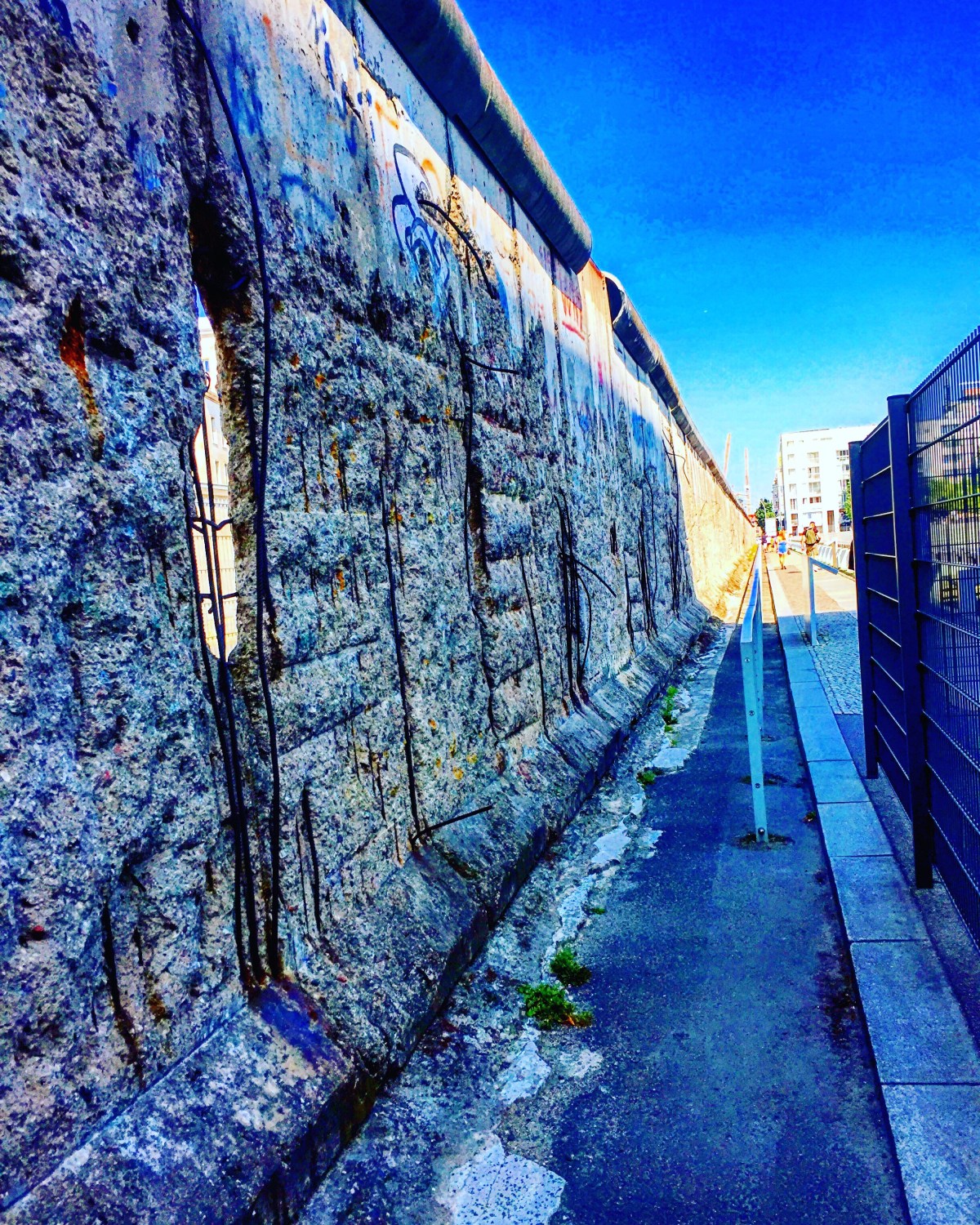
Berlin was unlike any other place we’ve been on our trip so far.


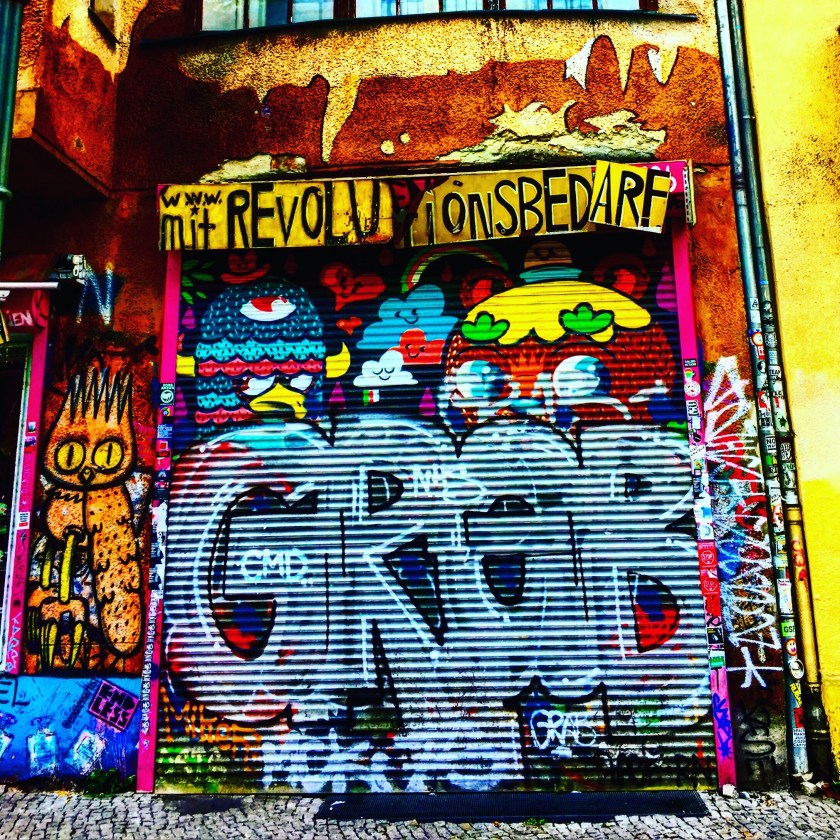
The best way I can think to describe it is a hipster city before the money comes. Graffiti is everywhere, run down buildings, people sleeping in parks and tents along the river, small artsy cafes, people drinking tall boys at 8am on the street, and overall very eclectic people everywhere.
Berlin has one of the toughest histories of any city we’ve ever been to. Not only was the city greatly impacted during WWII, but the city was divided immediately following the war which lead to more conflict and eventually a wall that was put up until as recent as 1989.

During the 1930’s there were many anti-Jewish campaigns taking place in Germany. One of the most notable was the Humboldt University book burning by the Nazi student organization in the Bebelplatz Square.

The students burned 20,000 books that were written by Jewish authors.

There is a plaque in the square today which reads “That was only the prelude; where they burn books, they will also in the end burn people.” Which of course a few years later turns out to be true.

Today there is a glass floor square in the ground with a view into the basement of a building filled with empty shelves. This memorial is referred to as the Ghost Library and these shelves house enough space for the 20,000 books that were burned.
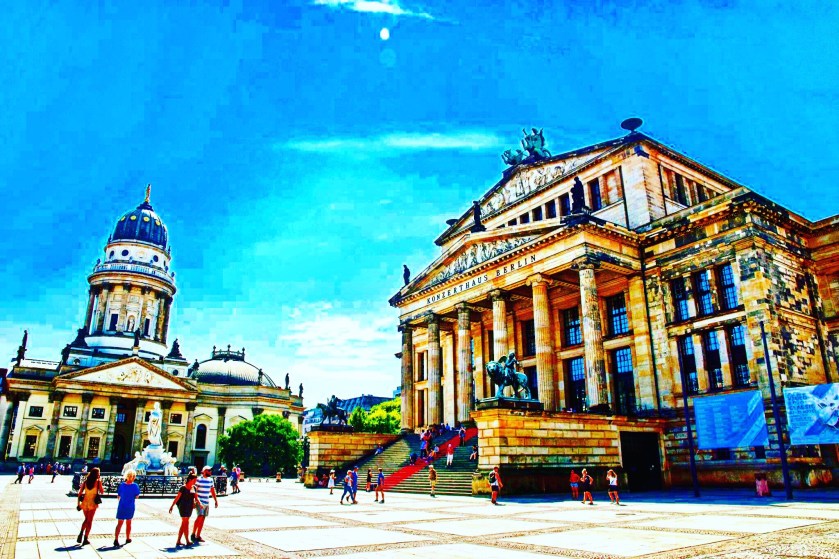
Berlin was the capital of Nazi Germany during WWII.

The Topography of Terror is an indoor/outdoor museum that was built where the Nazi SS Headquarters used to be before it was destroyed. Today you can spend hours walking through a timeline of WWII on the inside with some pretty heavy information. Outside is a 200 meter section of the Berlin Wall that was never taken down.

Nearby is The Memorial to the Murdered Jews which is a massive nearly 5 acres area with over 2,700 of these concrete slabs. In the basement there are 3 million names of Jewish people who were killed by the Nazi’s.


Also close by is the supposed site where Hitler and his wife committed suicide. Rightfully so, you would walk right past this area and not even realize anything had happened in this spot. It is simply some apartments and a parking lot today.

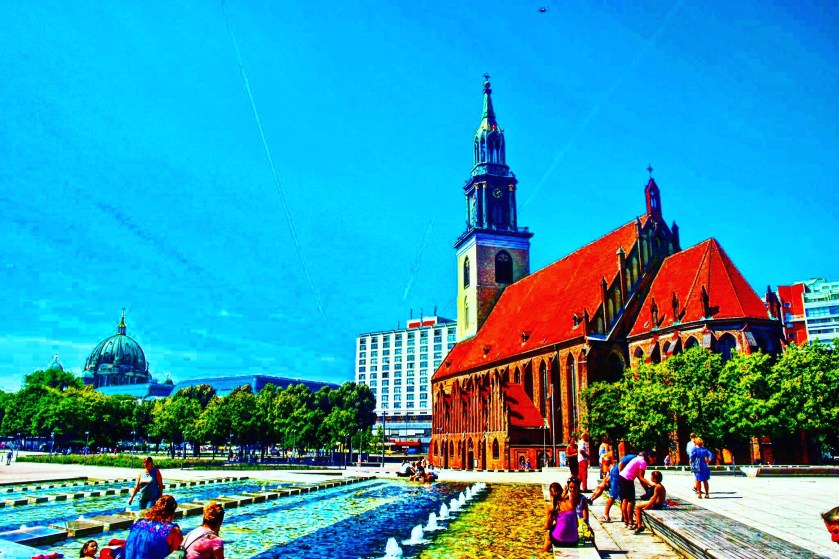
Berlin was subject to 363 air raids between 1940-1945. Britain alone dropped 45,000 tons of bombs on the city and America dropped 23,000 tons. With all the of bombings and fires this city has seen, it is very rare to find old buildings. Somehow though, St. Mary’s Church has survived since the 12th century.
After WWII, Berlin was divided into four zones in the east and the west. The four zones were occupied by the major allies during the war with US, United Kingdom, and France splitting the West side and the Soviet Union controlling the East side.

The difference in government between the East and the West became very apparent and within two years there were major government disagreements. These disagreements turned into the beginning stages of the Cold War.
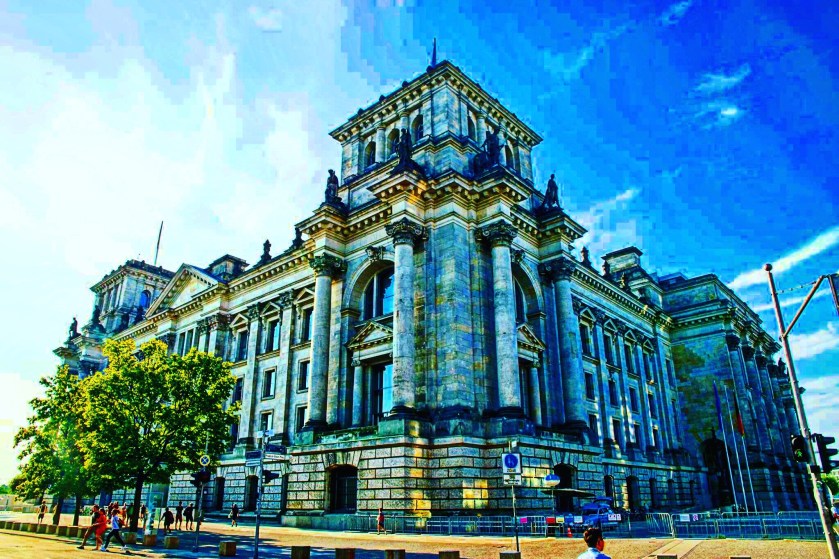
By 1961, the Communist-controlled East side of Berlin was losing massive amounts of people fleeing to the West. Without warning, the Communist government built a wall overnight to prevent more people from leaving.

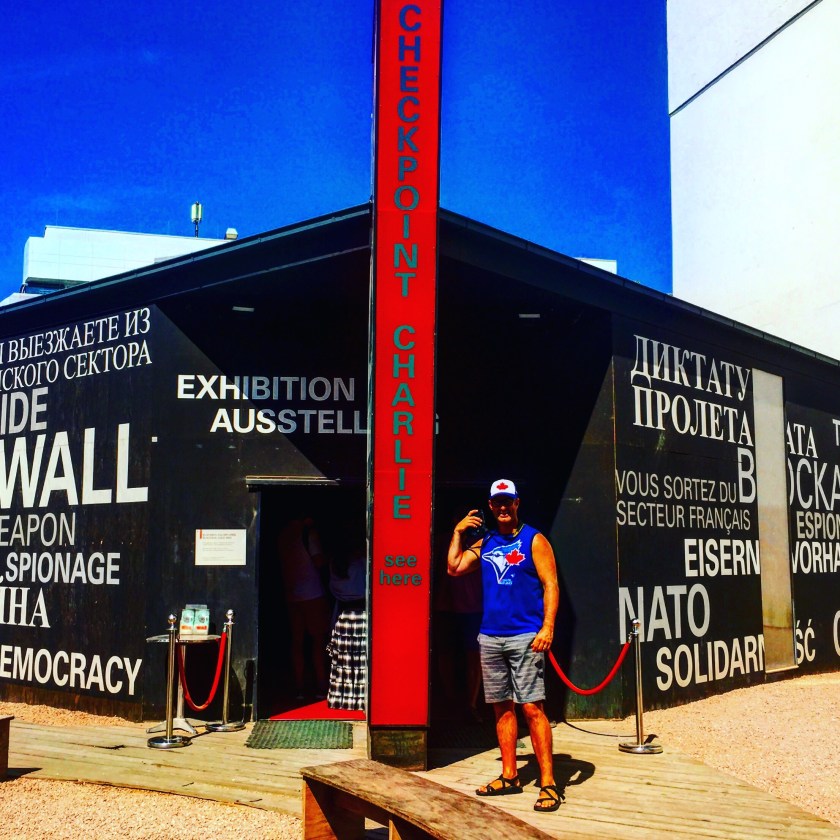
Families were separated as long as the wall was up. It was possible only for people to travel past the wall through strictly controlled checkpoints. For most of those living in East Berlin, travel to West Berlin was no longer possible. Checkpoint Charlie is a famous spot for the tank standoff and a main spot to cross the wall.
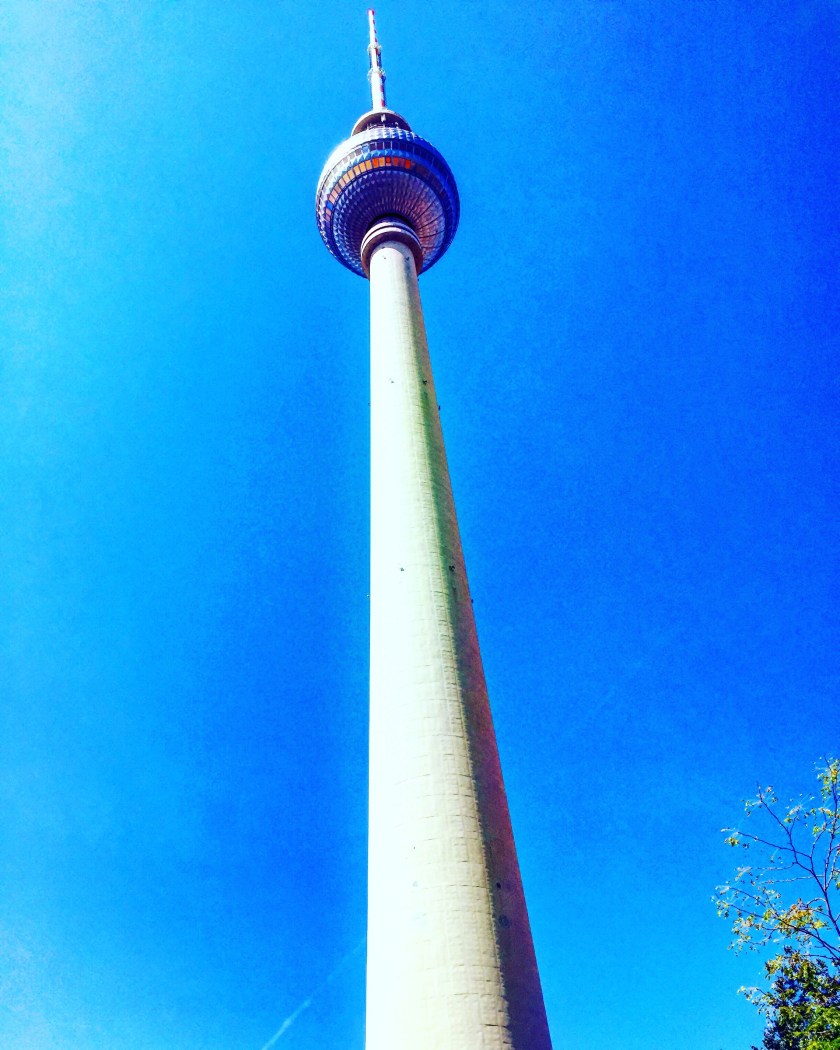
East Berlin built a massive and totally unnecessary TV tower. There was only 1 channel available. The Soviet Union built it to try and show the people in the West how technologically advanced they were.
There were around 5,000 successful escapes from West Berlin from 1961-1989. There were 136 deaths of people trying to escape.
Today you will see remnants of the wall scattered throughout the city. There are two bricks side by side that illustrate where the wall used to stand.
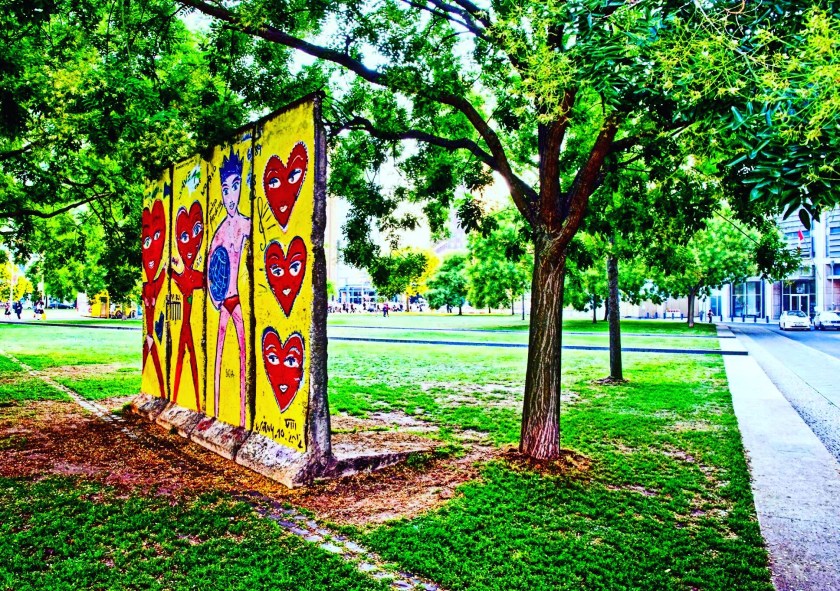
If you go to the East Side Gallery you can find murals painted on the wall.


These murals go on for 1300 meters.


Berlin appears to be an incredibly artsy city no matter where to go.

My morning run felt a little different here.
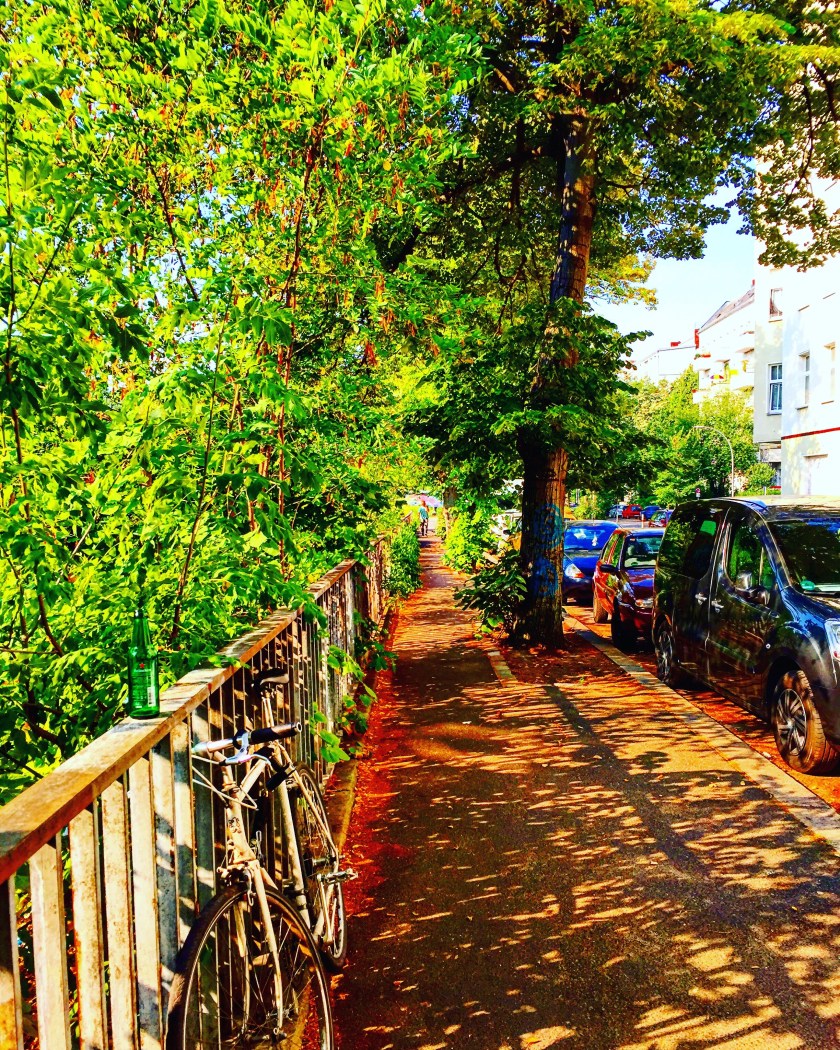
Heading towards the river there was so much graffiti covering every building, rock, alleyway, window, etc.


I mean seriously everywhere!


There were so many times we turned the corner and had to stop to take everything in.

This is definitely a city where you see a lot of unique sites.
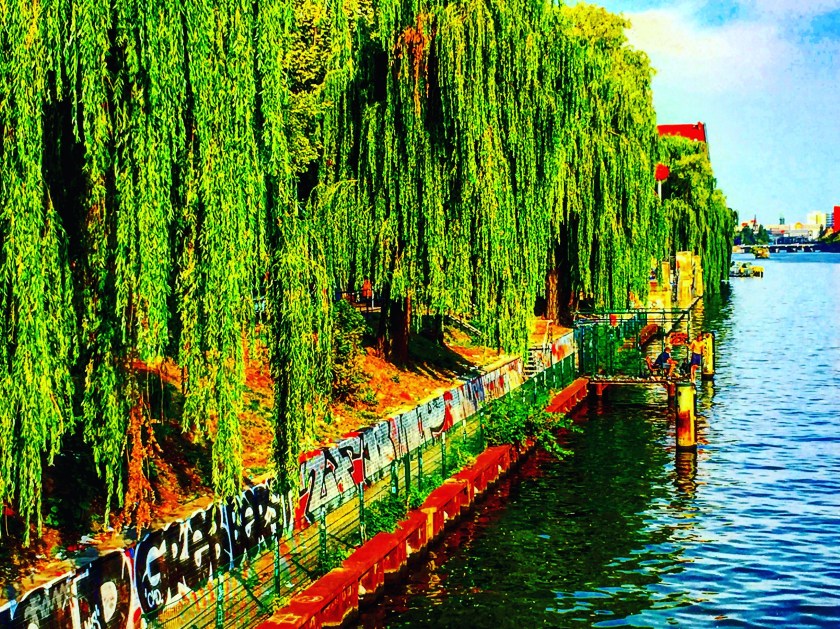
It also seemed to us the city is still recovering from its rough history.

Many of the people walking around on the streets seemed numb and as if they didn’t care for the city like many other major cities do.
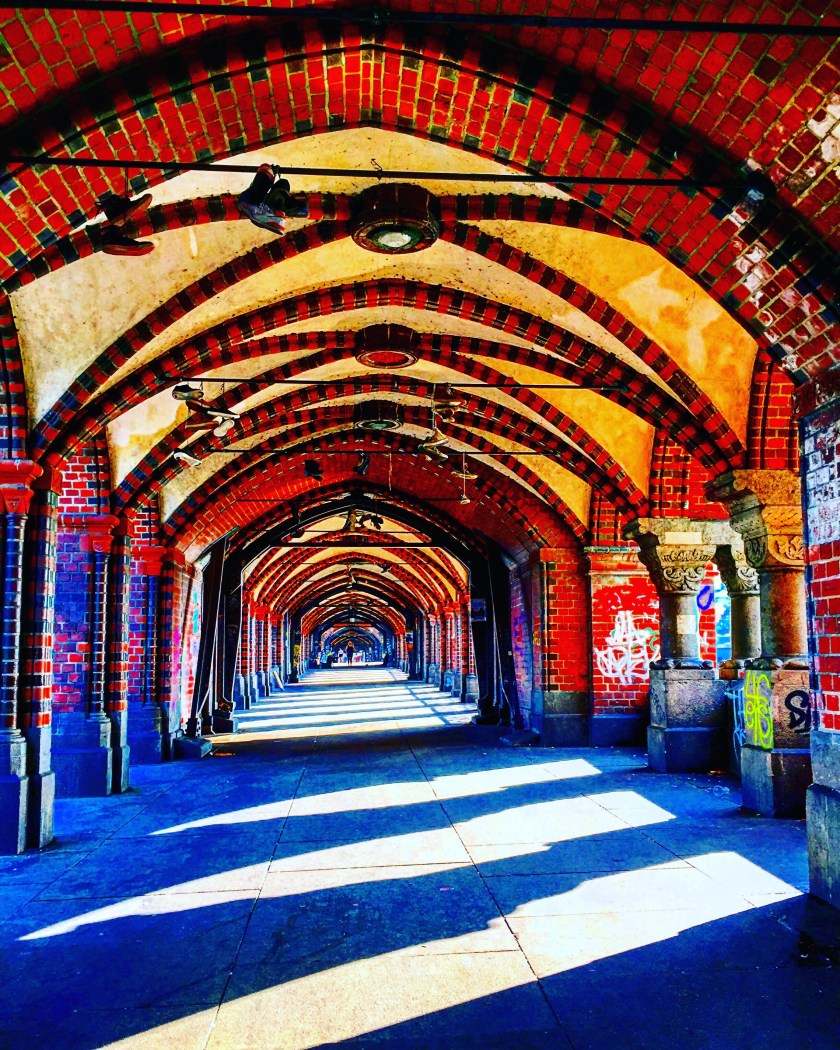
And I guess it’s kind of hard to blame them after everything they’ve been through.
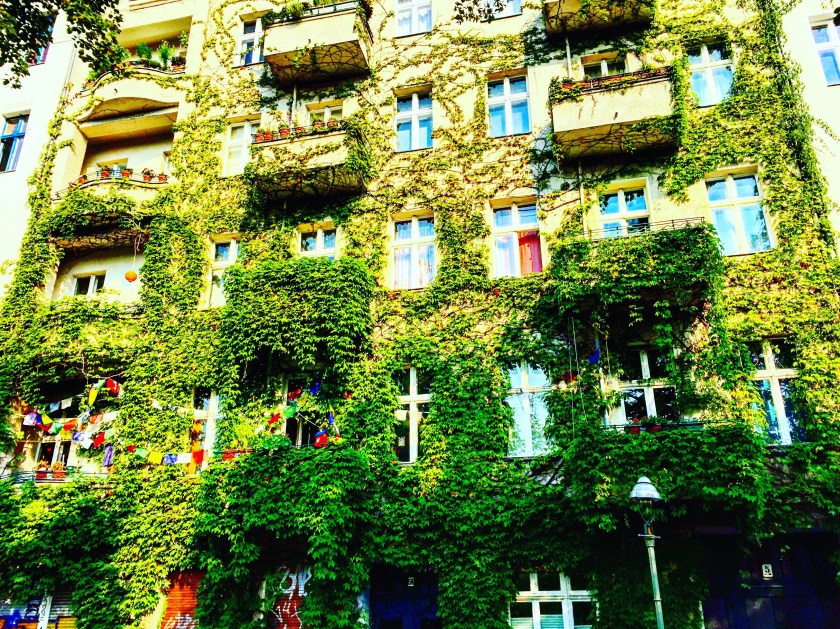
While Berlin wasn’t our favorite place we’ve been, it is easy to see why many people love this city. It is without a doubt incredibly unique.


I should be fair to the city of Berlin though and point out it was EXTREMELY hot outside while we were here. We are talking 97 degrees Fahrenheit (36 Celsius)! It was hard to enjoy everything as much as we could have had it not been so hot.
If you find yourself in a similar situation I HIGHLY recommend checking out Badeschiff!

This was a clean pool right on the river. It was such a great place to hang out for an afternoon to cool down and relax. We also met some really fun new friends! They were so much fun we kept the party going through dinner 🙂


It is amazing how meeting people rather than feeling the need to see every site changes as you travel. Meeting great people like this is definitely turning into the highlight of the places we go rather than seeing another church or touring a different palace.
Funny how things change.
 Chasing Summer
Incredible photos
LikeLiked by 1 person
Amazing pictures, writing and contrast of color!
Thanks for this little window over Berlin
LikeLiked by 1 person