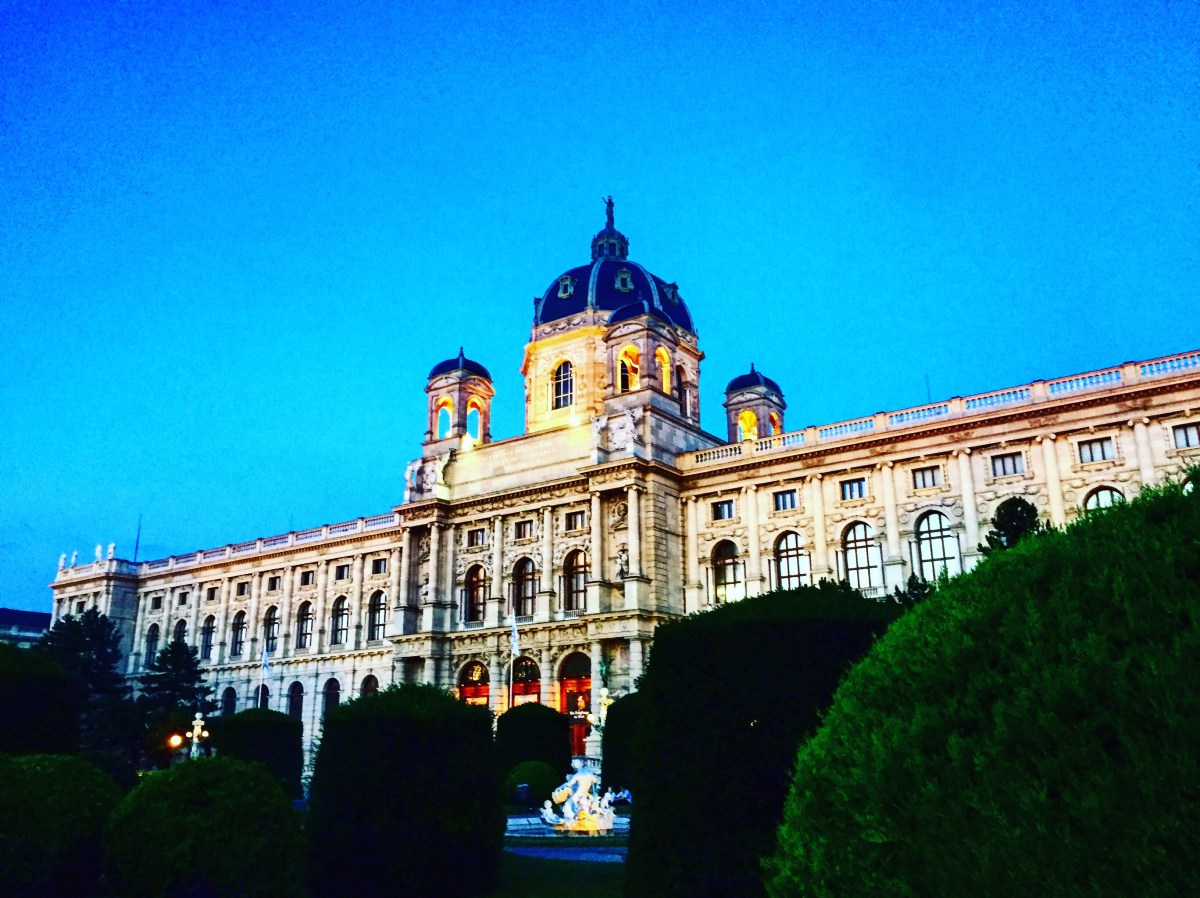
Vienna! Such a great place to visit! This is definitely a place you could stay for an extended period of time. Vienna is known for its opera shows (Mozart spent much time here), cafes, museums, and history of many historical people.

Cafe Central was opened in 1876 and a key meeting place of the Vienna intellectuals.

Some of the most famous regulars were Adolf Hitler, Sigmund Freud, and Joseph Stalin.
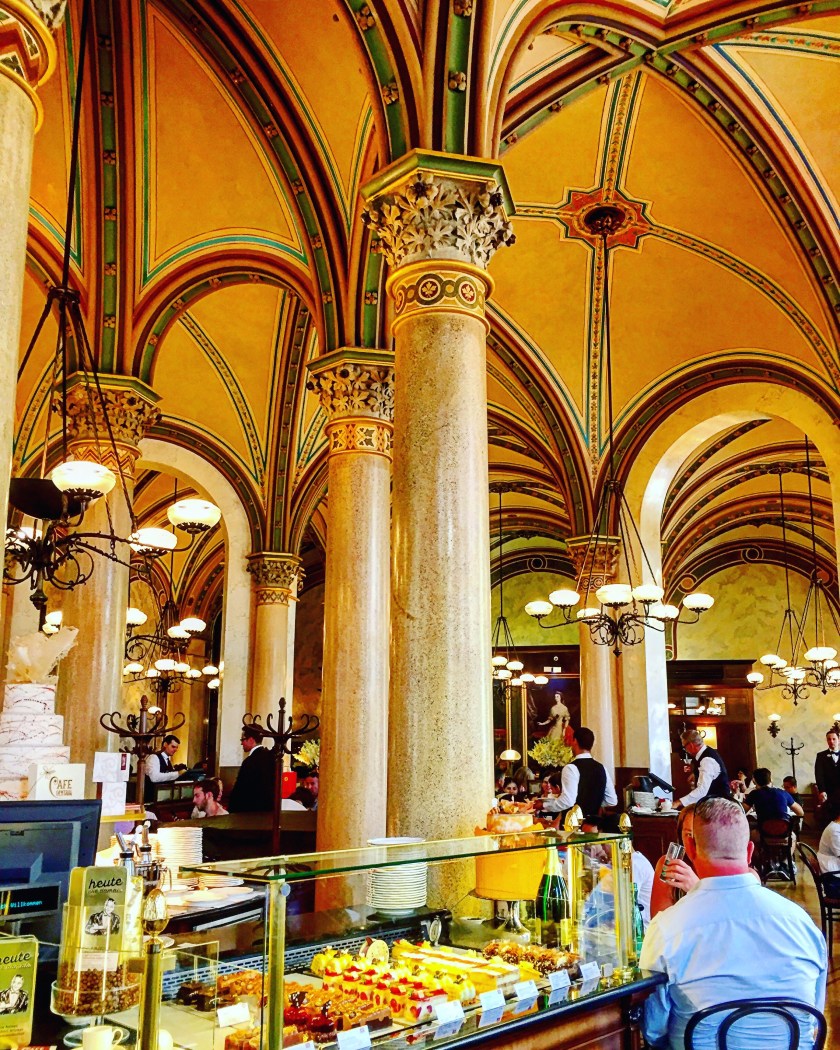
We had the Sachertorte which is a famous chocolate cake in Austria as well as the Apfelsudel which is in many of the cafes.


Cafes in general are a big deal in Austria (and most of Europe). In America when we think of cafes we picture a place to stop in the morning for coffee. In Vienna cafes serve beer and wine and are often late night hang out spots.


Here were some of the recommended cafes if you find yourself here: Cafe Central for its history, Cafe Aida for its sachertorte & coffee, Cafe Tirolerhof for its apfelstrudel & pumpkin strudel, and Cafe Socher for an overall good experience at a family-owned shop.
Vienna has over 100 museums – so yes you could spend a considerable amount of time here staying busy. The area to go is the MuseumQuartier. There was free entry into the Leopold Museum one evening which is the modern art museum. I was able to see some amazing art work by some very famous artists, including many works by Picasso.


The walk through this part of the city feels a little like you are walking through a fairytale land.
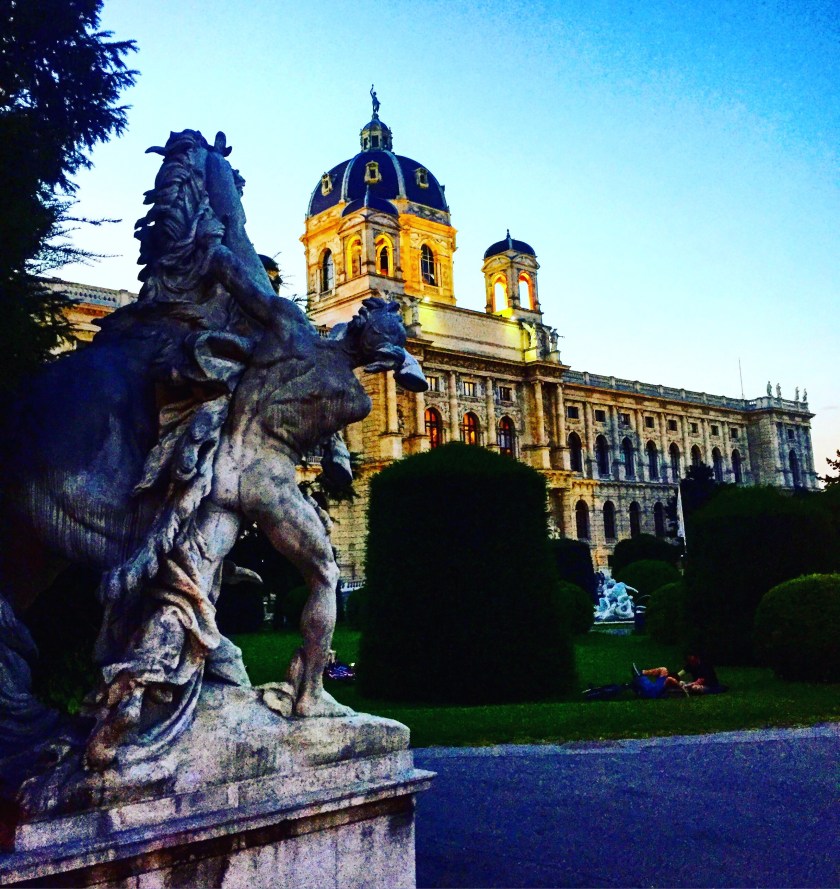
There is architecture from all different styles including Roman, Gothic, Greek, and Neo-Classical that you can see in one area.

Apparently the Austrians were very unhappy when these structures were all built and felt they clashed. I thought it was beautiful though.

Vienna’s City Hall was built in Gothic style and is a place where there is almost always some type of big event going on.
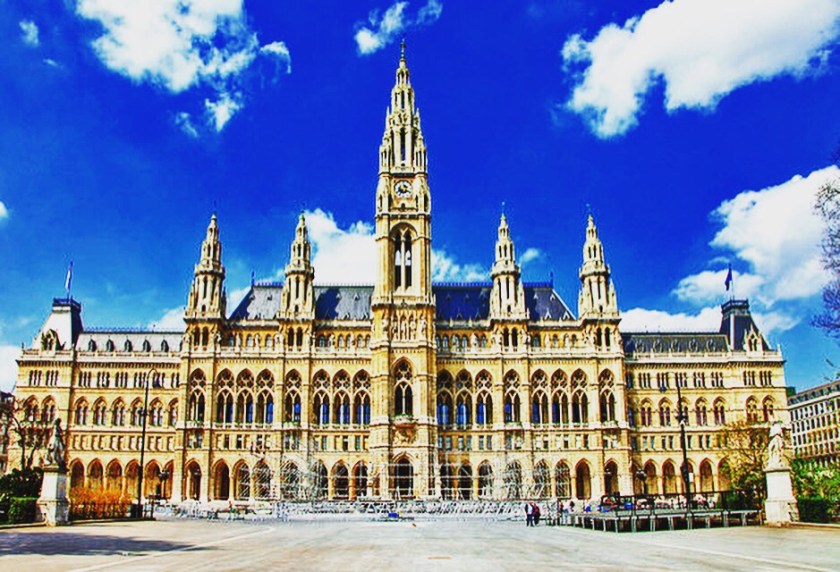
While we were here they had their Music Film Festival going on and is open all summer long. There were tons of food vendors with food and drink from all over the world. We opted for some more traditional Austria food including Schnitzel which is a thin piece of fried veal, pork, or chicken.


And of course, we had to try some dessert! We went for the Kaiserschmarren food stand. This is basically dumplings prepared from pancake dough and served with your choice of fruit or vanilla sauce.


While there were all these delicious food options, the person across the table from me decided on fried anchovies…

Every night at 9:30 they had some sort of music film playing on the huge screen. We were able to watch the Swan Lake Opera.

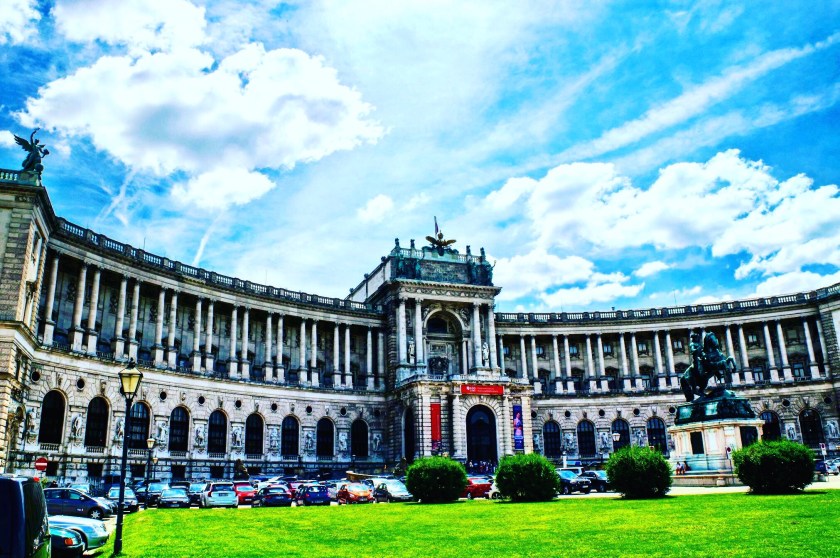
Another building not to miss in this part of the city is the Habsburg Palace. Hitler gave a speech on this balcony on March 15, 1938 announcing Germany would be taking control of Austria.

There were more than 250,000 Austrians present standing in Hero’s Square that cheered and celebrated. Clearly these people were brainwashed and had no idea what was to come.
Vienna as a city was greatly affected by WW2. The city buildings were less than 30% destroyed from the war, but of course the people are a whole different story. If you look closely between the rock structures, there is a statue of a Jewish man with barbwire pinning him to the ground while he scrubs. This statue is representing the Nazi’s mocking the Jewish people and forcing them to scrub the grounds to remove anti-Nazi graffiti.
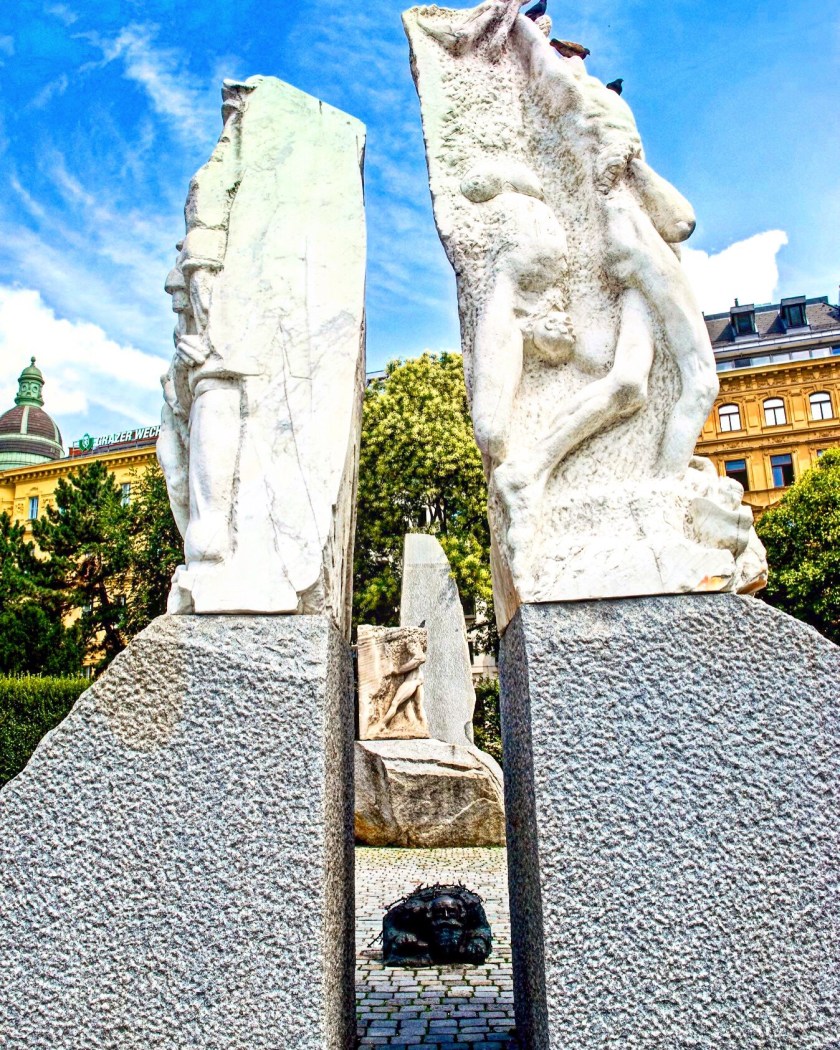
This art work is to remember over 400 people who lost their lives right in this square. There were people hiding in the basement of a building that used to be here that collapsed, killing everyone underneath. The people are buried from the ruble so this is meant as a way to remember them.
Before WW2, the Habsburg family was a dominate royal family in Europe that ruled Austria and many other countries from the 12th century until 1918. The palace is a huge campus that consists of many large buildings that are now museums, libraries, office buildings, and tourist sites.

One of the most well-known rulers from this family is Maria Theresa. She was empress for 40 years in the 18th century. At this time 90% of Austria was illiterate so she made it required for children ages 6-12 to go to school. She built a library on the left side of this building to help promote learning to read. She had 16 children- most of who were married off to royal families in other countries to help the Habsburg family become more powerful.
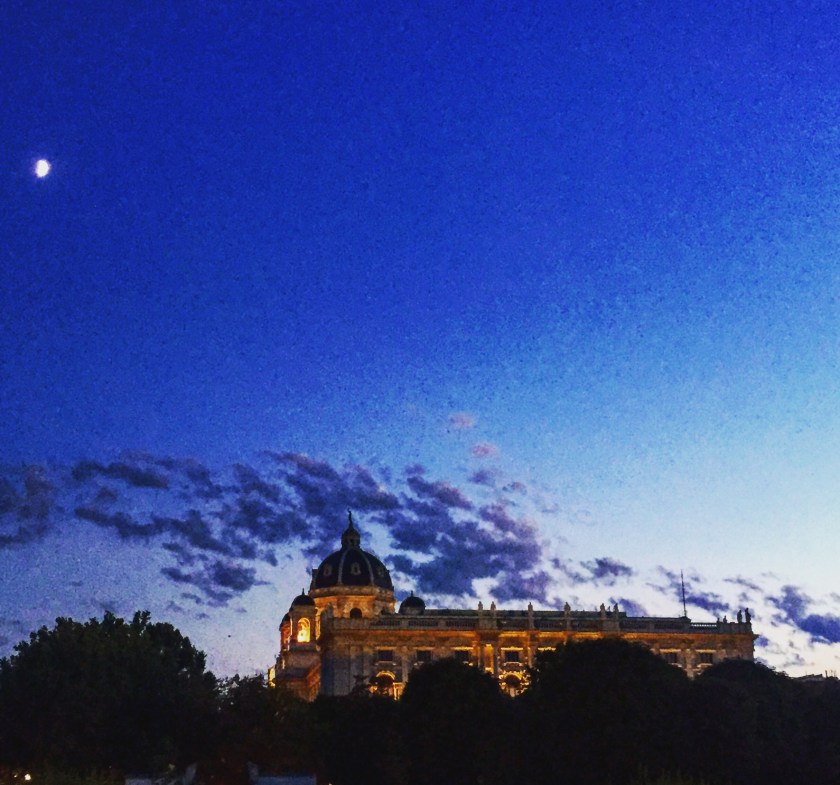
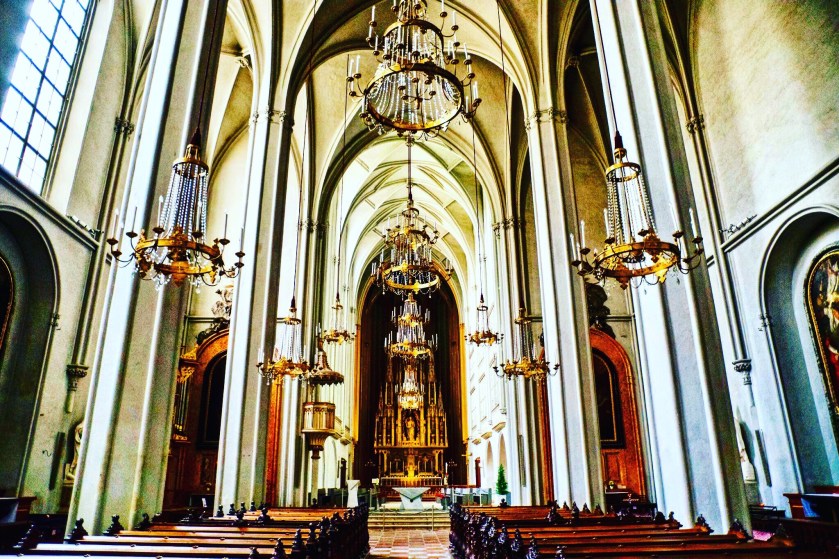
You can also visit the beautiful church from the 1300’s called Augustiner Kirche which is right around the corner from the library where the royalty would get married.
The other thing that is housed in this Palace campus is horse stalls!

Horse shows are a big deal in Vienna. These horses live in royal chambers, drink out of marble water bowls, get 7 weeks of vacation every year, and retire at the age of 23 in the countryside. Horse drawn carriages all over the city add to the fairytale feel. And apparently, black horses are considered to be very lucky in Vienna.

The last thing I want to tell you about in Vienna is one of our favorites – BEER GARDENS!
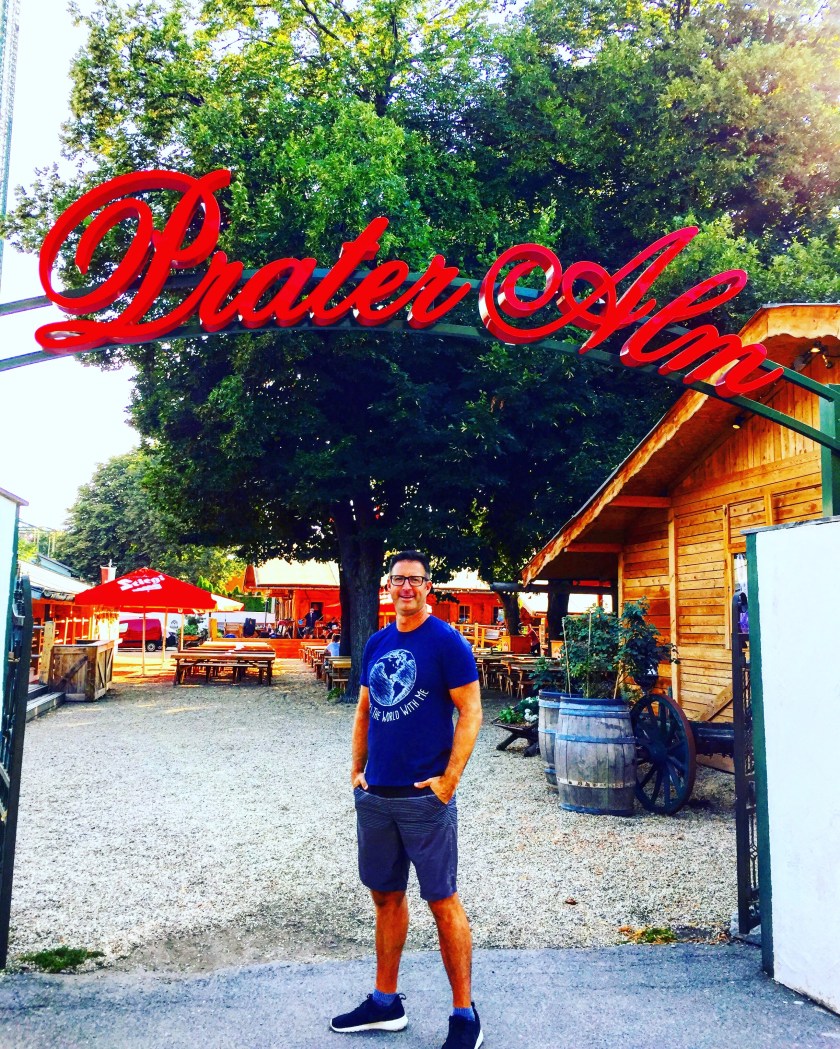
Chad found this amazing park called Prater. It is an amusement park with fun museums (like a Wax Museum and Chocolate Museum) and beer gardens.


We LOVED hanging out at Prater Alm! We listened to live music outside with tons of picnic tables and beautiful wooden buildings decorated with flowers around us.


If you are looking for some food I would recommend going to Schweizerhaus Beer Garden for their fried pork knuckle.


As you can tell from this long blog post, we LOVED VIENNA!
Let us know if you have any recommendations for our upcoming trips to Berlin, Copenhagen, Stockholm, and Helsinki!
 Chasing Summer
Dying to visit here 🙂
LikeLike