The Garden Route is the name of the road that runs along the southern coast of South Africa. It is the southern most shores on the African continent.
Most of the road is undeveloped with miles of both flat terrains and mountains with very few sign of human life anywhere.
It is connected by small towns with plenty to do and see. Many of the attractions are related to wildlife: ostrich farms, elephant sanctuaries, cheetah & leopard breeding, crocodile farms, etc. There is also lots of outdoor activities and high adrenaline options.
We started our trip down the Garden Route from Cape Town. The first stop we made was a rather odd one. Ronnie’s Sex Shop has become a well known landmark on this route. You drive for miles with nothing around and suddenly come to this shack. The story behind this place is that it was originally called “Ronnie’s Shop”. In an effort to get more people to stop, his friends thought it would be funny to paint the word “sex” on the sign. It seemed to work because more and more people started stopping here out of curiosity. It is really just a place to stop to grab a cold drink or light snacks on the way. It is decorated with tons of bras and underwear people have left behind.
We continued our way to Oudtshoorn where we opted to use some Marriott points to stay in a bamboo hut at Protea Hotel by Marriott Oudtshoorn Riempie Estate. Definitely the most exotic Marriott I have ever stayed in before.
Oudtshoorn has a zoo called Cango Wildlife Ranchwhich features many hands-on exhibits. You can opt to get in a cage with crocodiles, hang out with the lemurs, and hold a huge snake.
I chose to pet some of the cheetahs they have raised since they were babies. Some of them were feeling rambunctious so we had to switch which cheetahs we were meeting three times before finding some that were relaxed enough.
Oudtshoorn also has a well-known ostrich farm nearby. Ostrich is a common source of protein on the menus as a burger, steak, or eggs. We opted for the ostrich jersey.
This was definitely an unusual animal for us to see on a menu. In South Africa it is very common though and farmed the same way we would farm chickens or cows. Ostrich is a lean meat that tastes like a filet steak, but is much healthier than beef.
We headed further toward the coast and made some stops along the way. We found a beautiful cove to park and eat lunch while looking out at the ocean.
It is amazing how many secluded beaches you can find driving around South Africa. You can see some footprints on sand, but we didn’t see a soul on the beach the entire time we were here.
Our next overnight stop was in Plettenberg Bay. There is tons to do in this area so we stayed a few nights. We stayed at African Array Backpackers Lodge which was on a mountain in the middle of the forest.
It was a little rough around the edges but had a personal charm to the place. They had a campfire every night which was a great way to meet people staying here. They had to put up a fence to keep the baboons and monkeys out of the property. They trained their dogs to guard the area and even had 24/7 security roaming in the surrounding forest to protect the place from people and animals breaking in.
Plettenberg Bay has some really great beaches, hiking trails, and plenty of cute restaurants. We went out on the popular Robberg hiking trail which has three different lengths: 1 km, 3 km, or 11 km.
We chose the 11 km (7 mile) hike all the way to the point of the peninsula and back. The trek was pretty challenging. We packed lunch and lots of water which we were really happy about.
We were able to watch a whale and dolphin playing in the water. There were tons of seals sunbathing on the rocks. Some of the seals were playing in the massive waves near the beach. Apparently when the water is clear, you can even spot great white sharks in the water.
There were tons of different terrains on this hike. It went from a dirt trail in the jungle, to a huge pile of rocks where you had to really look for the trail markers, to an enormous beautiful beach.
After spending a full day hiking, we rewarded ourselves with fish bites at a small beach cafe.
We took our time traveling to our last destination. The mountains we drove through were beautiful. There are very few cars or people around making it feel like we had them all to ourselves.
Our final stop was Port Elizabeth. This is a bigger city used as the end point for the Garden Route. We didn’t explore much here, but mainly ended here to be able to fly out to Johannesburg the next day to begin our 18 day safari!
WARNING** Before reading this know that you are agreeing to not share with anyone else how great this place is… Just kidding. But seriously, I’m skeptical to write about Cape Town. After a few days of being here I was shocked that it isn’t packed with tourists from the Western countries. Think of Hawaii but cut the cost in a quarter. This place is seriously a secret gem.
The center of the city sits an enormous mountain. The mountain is surrounded by beautiful, white sandy beaches. African wine country is a short hop away. And Cape Town is rated one of the most friendly places in the world- and it’s very easy to see why. What more could you want?
From everywhere in the area you can see Table Top Mountain in the background. This beautiful mountain gets its name from its flat top that looks like a table.
You can take one of many paths to hike to the top, or you can take the cable car both up and down to get the same amazing views. We opted to hike the Platteklip Gorge Trail which is the most popular.
It took us 2 hours and 40 minutes with plenty of stops for pictures. The views on top of this 1,090 meter high mountain were amazing!
The mountain is called Table Top because it is flat like a table. When the clouds sit on top it looks like a table cloth has been placed on the table.
There was also some great wildlife to see along the way. We were able to see some of the mountain goats that settled here in the 1930’s after a few of them escaped from the zoo.
There are many beach options in Cape Town. Camps Bay is rated one of the most beautiful beaches in the world.
The enormous waves made it dangerous to swim, but the soft sand with paragliders soaring overhead from the nearby mountains kept us plenty distracted.
The water front has a beautiful walk/run/bike path. There are wide open parks with dogs and children playing. Cute beach restaurants and bars. Food truck stands with picnic tables to take a break.
And this amazing pool we happened to come across on our walk!
This boardwalk also is the perfect spot to see some amazing sunsets over the ocean.
I would recommend renting a car for part of your stay in Cape Town. There are plenty of things to see only an hour or so away from the city. There are tours available- but we found it very easy and cost effective to simply drive ourselves.
We took a day trip to Cape Point which is a peninsula with small towns and beaches along the way.
Our first stop on the way was BoulderBeach. This beach is named after the rocks that line the water, but is mostly known for the penguins!
These animals have naturally made a home here. There were hundreds of them all over the park. We loved watching them swim and fish for the crying penguin babies.
Seal Island is another well known attraction on this route. We did not make it out to the island, but the name enough reminded us of all the great white sharks nearby.
Although you could not see them from the road, there are many shipwrecks marked in the area. Many ships have wrecked nearby on this peninsula due to rocks or shallow waters.
We continued our drive through many small towns on our way to Cape Point. This is the point where the Indian Ocean meets the Atlantic Ocean. There are two lighthouses situated on the end of the peninsula.
It was extremely windy when we went, likely caused by the aggressive meeting of the oceans.
We had a lot of fun keeping an eye out for wildlife while we were driving. Baboons live all over this peninsula. Apparently they can be pretty aggressive if they think you have food.
While leaving the point, we drove on the opposite side of the peninsula. We stopped at Scarborough Beach, mainly for its name, but were amazed to find a reasonably isolated, beautiful, huge beach!
There were surfers, dogs, and a few people around. But other than that this place was very quiet and relaxing. We really wished we had brought a picnic or at least our bathing suits. Next time…
We paid a few extra dollars to drive on the coast and follow the road to Chapman’s Peak– and it was definitely worth it! The drive got the adrenaline going with the massive cliffs nearby.
But the views were absolutely priceless.
Along the way we got to see the Twelve Apostles which are several large mountains in a row.
Another reason to get a car is to explore all the wineries! Definitely make sure someone is fine with driving though, because the “tasting pours” are very hefty.
We stopped at Klein’s Zalze and did a 5 sample tasting that cost only $1.66. Each sample was AT LEAST a half glass of wine. Needless to say we knew we weren’t going to make it to all the wineries we had planned on.
One of the most popular wineries in South Africa is Waterford Estates.
There was a chocolate and wine pairing offered here. My favorite was the salted milk chocolate paired with the Cabernet Sauvignon. Of course we decided we needed a bottle of this wine and bar of chocolate to go.
The Kirstenbosch Botanical Gardens were another attraction right outside the city. We took an Uber here which was an incredibly cheap $6 for a 35 minutes ride.
There was an elevated walkway that gives you a great view of Table Top mountain.
We stayed right near V&A Waterfront which is an old harbor used by the English since the 1800’s. It appears to be newly redone with an large mall, a ferris wheel, and plenty of restaurants geared towards tourists.
This area felt perfectly safe to walk around. It is also the port where you leave to visit Robben Island where Nelson Mandela was held prisoner for 18 of his 27 year sentence. This is before he went on to become the President of South Africa.
If you’ve made it to the end then you know all the secrets about how amazing this place is. Now that you know, you should move it to the top of your travel list before everyone else finds out!
Spending 5 months traveling through 20 different countries in Europe opened our eyes to many differences from what we are used to in North America. We learned about some of these through mistakes we made and others simply from traveling around for a long time. There are some tips that helped us quite a bit included in some cases as well. If you are planning a trip to Europe anytime soon hopefully you find some of this helpful!
1. Big rolling suitcases are a nightmare. Cobblestone streets are the norm in most countries in Europe. There are also tons of small streets where cars don’t fit, old buildings with no elevators, and roads with no sidewalks.
Carrying large suitcases around can get old very quickly! Do yourself a favor and pack light. You can easily do laundry if you need to.
2. Dryers aren’t as common. It is not uncommon to see clothes hanging out of windows or on balconies to dry.
3. Prices are shown with taxincluded. This is something I wish everywhere would do. The prices you see on the price tag is the price you pay.
4. Water costs money in restaurants. You need to specify tap water if you order water in a restaurant. Sometimes they will still charge you or tell you they don’t serve tap water.
* Tip: Carry a water bottle with you. Everywhere we went it was safe to drink water from the tap. We would ask to have our water filled at the bar or in the bathroom to avoid paying for water everywhere.
5. In fact, almost everything extra costs money. Those nuts or bread they set on your table. If you eat them, there is a good chance you will have an extra line item on your receipt.
Bread Basket
Need some ketchup or an extra sauce packet at McDonalds? That will cost you. How about a refill on your soft drink or coffee? That price you paid is only for one.
6. Coffee. North America is used to spending most of their morning sipping on a diluted coffee. Many people bring their coffee to go and refill as needed. In Europe coffee is much stronger and mostly enjoyed from the cafe instead of being taken to go. The common espresso is a quick caffeine fix that is of course much stronger, but even the “Americano” coffee as the Europeans like to call it is much stronger and smaller. Iced coffee is also nonexistent most places.
7. Alcohol. Most European countries allow drinking everywhere. It makes it seem silly that North America makes such a big deal out of it. Drinking at the park or on a beach is extremely common. Want to grab a beer or bottle of wine and sit on a bench to people watch? No problem.
Drinking is also acceptable at all different times of day. It is not uncommon in many countries to see people having a beer with breakfast.
8. Drink temperature. While we are on drinks, it is normal in Europe to have drinks served much warmer than we are used to. If they suspect you are from North America, they will ask if you want ice. Otherwise your pop, tea, or water will likely be served at room temperature.
Even beer is served much warmer. In fact, sometimes the draft beer will have a separate tap called “extra cold” which would just be the same as our normal cold beer.
9. Dinner time can vary widely from country to country. Many of the countries in the north eat dinner at a similiar time to what we do in North America. Generally between 5pm-7pm. In many of the southern countries dinner time is much later, normally between 8pm-10pm. In Spain we found many restaurants didn’t even open for dinner until 9pm.
10. Tipping. Restaurant workers in Europe generally earn a better wage than North American workers and rely much less on tips. Many countries it is not necessary to leave any tip, but a good rule of thumb is 5%-10%. A tip of 10% is considered a big tip in Europe.
* Tip: Make sure to check your receipt before leaving a tip. Sometimes restaurants will already include a service charge on the bill.
11. While Adkins & Caveman diets have made North America avoid bread, Europe will eat an entire meal of only bread. This can be true for breakfast, lunch, and dinner. Hungry for a snack? Stop at a local bakery and grab a baguette to snack on.
12. Dogs are allowed everywhere. There are many more bars, restaurants, & shops that will allow you to bring your furry friend with you. I absolutely loved this rule!
13. There aren’t as many rules in general. You find yourself in many situations wondering how safe something is. Cliff jumping, rock climbing, hikes with narrow ledges & steep cliffs.
In North America there are so many rules and regulations everywhere. Everyone is so worried about being sued. It is very free feeling to travel in Europe and realize that you are much more accountable for your actions.
14. Nearly everyone speaks English. We had our translator downloaded and ready to go. To our surprise, we rarely needed it. In the big cities it is very easy to communicate since most people speak English. You will still find many people who don’t speak English in the smaller towns.
*Tip: Download “Google Translate” app and download the language of whatever country you are in so you can use it offline. It allows you to take a picture of a menu or sign in another language and translate it for you. We found this very helpful in restaurants with no English menus and grocery shopping.
15. Europeans still think smoking is cool. We were reminded how grateful we are for the ban on smoking in restaurants and bars in North America. If you sit on an outdoor patio to enjoy some coffee or wine, there is a good chance you will have smoke blown on you by a nearby table.
16. You might have to pay to use the bathroom. There are not as many free public toilets availble in Europe. You could always stop at a local restaurant and buy something to use their toilet. If you are at a pubic park or train station, bring some extra change with you though.
17. Everyone takes public transportation. In smaller cities in North America we seem to look down on the idea of taking public transportation and most people simply drive their own car. This is certainly not the case in Europe, big and small cities alike use public trains and buses as their primary source of transportation.
18. Tons of countries don’t use the Euro. We knew that the UK used the pound and Switzerland (not being in the EU) uses the Swiss franc. We had no idea so many other countries in the European Union did not use the Euro though.
Croatia uses the kuna, Czech Republic uses the koruna , Denmark uses the krone, Hungary uses the forint, Poland uses the zloty, and Sweden uses the krona to name a few.
19. Super easy to travel betweencountries. Border security is non-existent between some countries. This is of course not true for all, but it is not uncommon to travel between countries like you would travel between states in North America.
20. Train passes don’t seem worth it. This is of course a personal call, but before going to Europe we assumed we would simply buy monthly train passes since we would be doing so much traveling. When we started looking into it, we realized that the train passes don’t include some countries and you would still need to pay extra for the high-speed trains.
After pricing it out and looking into other options like buses and planes, we opted to buy one off train tickets as needed. For us, we save alot of time and money doing it this way.
21. Flights can be a steal. Flights are the most time effective way to cover a lot of ground. They also can sometimes be the cheapest way to travel. Buses are another cost effective way to get around Europe that we used often.
22. Try to avoid traveling to the most touristy places while Europe is on summerbreak. Europes summer break is from July-August. During this time most Europeans flock to the south for some relaxing beach time. Some decide to visit the big cities like London, Paris, or Rome. Prices go up, streets are croweded, and the attractions have long lines.
*Tip: If you decide to travel to the south or big cities during this time, I would highly recommend booking your accomodations and tickets well in advance.
*Tip: Try looking outside the most well-known locations. We spent July and August in the eastern and northern European countries like Hungary, Poland, Czech Republic, Austria, Sweden, Denmark, & Scotland, which do not have the same rush of people some other places have.
23. Staying outside the city let’s you save money and experience a more local area. This is one we had to learn the hard way. We stayed in many hostels and airbnb’s that had a great location! We paid a little more for the location thinking we needed to be in the middle of everything. When nighttime rolled around we would find ourselves wide awake with parties on the streets until 3am, garbage trucks, cars honking, people screaming, etc. Many of these locations also didn’t have fans or AC which meant the windows needed to be left open all night.
We started looking outside the cities and began finding places that were not only cheaper and much nicer, but that were in local neighborhoods letting us have a whole new experience to the country we were in.
24. Europe doesn’t use screens in windows or doors. Speaking of needing to leave the windows open due to lack of AC in many places, there are no screens in the windows. This isn’t a huge deal since there aren’t as many bugs outside as we are used to in North America. It did take some getting used to though.
25. Hotel points saved us tons of money in the big cities. If you are someone doing alot of traveling it definitely pays off to pick a hotel chain and stick to it to earn points. We choose Marriott several years ago and even opted to get the Marriott credit card to earn more. We found using our points in the big, expensive cities was really worth it. Paris, London, & Rome were all places we saved lots of money by doing this.
*Tip: Make sure to book the hotel with points early as they only offer so many rooms with points. If you decide to cancel later on there is no penalty and it is super easy to do.
26. Don’t feel like you need to see every tourist attraction. Trying to run around and see everything simply to check it off the list is no fun. Sometimes meeting the people and enjoying the simple things are much better.
We took some days to go to the grocery store and cook at home, go for a run in the park, or sit at a local cafe working on photos. We learned just as much about the culture and country by doing these more local things as we did from visiting busy tourist attractions.
27. Traveling is a lot of work. Need to plan a vacation from your vacation. This was a wonderful piece of advice we received right before we left. It sounded funny at the time, but it was some of the best advice we got. Traveling takes a ton of planning constantly. Getting between places can be exhausting. Sometimes you just need a break.
We planned a few “vacations” during our trip such as a Mediterranean cruise, Disneyland Paris, and extra beach days in southern France.
28. Find the free city tours. Most European cities have free tours of the city! All you need to do is google to find the company and meeting point. The tour guides work soley for tips, so bring $5-$10 person. We found these tours even better than the ones we paid for given if the tour guides did a bad job, people would leave the tour or not tip.
We also found that it was worth it to spend the extra money for a tour guide in some of the museums or attractions. Otherwise you can feel like you are walking around what could be an amazing site, but not have any idea what you are looking at.
29. Floor 1 in North America is floor 0 in Europe. Another one we had to learn the hard way.
30. Top sheets are nonexistent. Duvet covers have taken over.
31. Pack water shoes if you are going to the beach. Most European beaches are made up of small pebbles. Getting in and out of the water can be a painful, embarrasing experience if your feet aren’t used to walking on rocks. Learn from our mistake and bring some shoes you can wear in the water.
32. Make sure you have a raincoat. This was another great tip we received right before leaving. You are going to want to go out sometimes to see things even when its raining. This is especially true for places like Scotland where it seems to rain quite often.
33. Download offline google maps while you are connect to the internet. This is such a helpful way to be able to look for things while you are out exploring. Downloading the map will allow you to search for things in a specific area while you are not connected to wifi. If you are using cell data while you are traveling you can skip this one.
34. There is no better classroom than traveling. Thinking back to history class as a child, I remember memorizing facts without really understanding what they meant. While traveling we found ourselves learning SO much about history such as WWII, the Cold War, the Yukoslav War, world leaders, heroes, secret ways to communicate, and the Berlin wall.
We also got to understand much more about world events taking place today. Why southern Spain wants to seperate from northern Spain. How Croatia is dealing with different cultures living together post civil war. How the UK is handling Brexit.
We met many people traveling with children for long periods of time. Their thought is that their kids are learning so much more about the world traveling than they would sitting in a classroom.
35. Figure out what the local food is and try as much of it as you can! If you’ve been following along on our blog then you know I often end discussing the local foods we got to try. This has been one of the most interesting and fun parts of traveling.
Every culture has its own great flavors and unique ways of cooking things. I think I may just need to write a blog post dedicated to food at some point in the future.
After spending a few crazy days at Oktoberfest, we were excited to get out of Munich and explore some other parts of Bavaria. We looked up the best way to do that and discovered there is a 261 mile long road called The Romantic Road. I was sold just based on the name before I even knew anything about this road. A windy country road surrounded by cute villages and castles.
The Romantic Road was developed by Germany after World War II to try and rebuild tourism. It stretches across the Franconian wine region to the German Alps. It is Germany’s most popular tourist route and visited by millions of people every year. Despite the mass tourism it receives, it still fully maintains its ‘old world charm’ and has beautiful, open scenery.
The road itself is not very romantic. Much of it looks like a standard highway, with cars going WAY to fast I will add. What is romantic though are the picturesque towns that connect this road.
There are several stops along the Romantic Road to see. To be honest, not all of them are worth it. Instead of stopping at every place, we cherry-picked some faborites which ended up being the perfect way to check out this part of the country. Let me tell you about some of our favorites.
The beginning of the Romantic Road technically starts at the NeuschwansteinCastle. We had decided to do a day trip while in Munich to visit this castle (which is amazing and we would totally recommend it). Instead, this allowed us to start our journey going northeast from Munich.
Our first stop was in Augsburg which was a short 1 hour drive from Munich. Augsburg is known for being the oldest city in Bavaria tracing back to when it was a Roman town. It historically was one of the most important trading and cultural centers in the world.
Today there is a much slower pace to this once booming city. It is more industrial now and there was an eerie quietness to the streets while we there.
Our next stop was Nördlingen which is another quiet town. This town is one of the only remaining with the medieval wall still fully surrounding the city.
The wall is nearly 2 miles in length and takes around 1 hour to walk the whole thing.
The town is almost a perfect circle due to the fact the village sits where a meteorite crashed into the earth over 15 million years ago. As a result of the asteroid, many buildings in Nördlingen are embedded with millions of microscopic diamonds.
Not far from Nördlingen is SchlossBaldern. Schloss in German means castle. We had lots of fun looking for “schlosses” and making sure to use that word as much as possible during our drives. We showed up too late to do a tour of the castle but were able to walk around the outside of it.
This schloss was built in the 1700’s and still acts as a residence today for the prince of Oettingen-Wallerstein.
Our final stop for the day was Rothenburgob der Tober. We stayed the night here and could have definitely stayed longer. This enchanting fairytale town is exactly what you would picture on the Romantic Road.
This is probably the most popular stop on this scenic tour. The town was originally built in the 1200’s but much of it was destroyed when it was bombed during WWII. Donations around the world helped to rebuild the town to its former style.
The best thing to do here is simply walk through the cobblestone streets and admire the beautiful buildings. Rothenburg is thought to be the place that inspired the Disney story of Pinocchio.
The Plonlein Square is the most photographed spot in Rothenburg. We were sent an identical picture from family back home of a Christmas themed beer assortment from the exact spot we took this picture.
At night the town transforms when all the coach buses leave and a magical feeling takes over. There are small local restaurants open for dinner, a man dressed in historic clothing giving a ghost tour, the city clock chiming and putting on a small show. Everything seems to slow down and make you feel like you’ve stepped back in time.
We found a small, traditional German restaurant for dinner that made us feel like we were sitting in someones home. The potato pancakes with applesauce and potato dumplings (called Kartoffelklöβe) with beef and red cabbage were amazing!
We stayed at a bed and breakfast that is an old medival house right in the middle of town called Hotel-Gasthof Goldener Greifen. If you come here I would highly recommend checking it out.
The next day we back-tracked a bit to the town of Dinkelsbuhl. This old medival town is believed to have been developed in the 8th century.
Just like Rothenburg, Dinkelsbuhl has tons of colorful buildings making you feel like you are walking through a fairytale. We also still have traces of Oktoberfest following us here with Beth finding her token from bumper cars she swears Tyler had taken from her.
There is an enormous church in the middle of town as a reminder of Dinkelsbuhl’s glorius era in the 15th in 16th century.
Our final stop for day two on the Romantic Road is Wurzburg. This is a much bigger city than any of the other places we’ve visited so far. We had a good amount of time to explore this place but could have definitely stayed here longer!
We watched the sunset from a bridge over the river with some relaxing live music and local drinks. This is a moment I wish I could go back to!
The city itself in the middle of beautiful hills, smack dab in the middle of one of Germany’s biggest wine-producing areas.
There is a beautiful “schloss” called Wurzburg Residence that was the home to the prince bishop of Wurzburg. The residence was completed in 1780 and named a UNESCO site for attaining a mix of French, Viennese, and Italian architecture.
We decided not to do a tour of the building but spent some time walking around the gardens and enjoying the building from the outside.
In the center of the city is the Wurzburg Cathedral. This impressive church was finished in 1075 and is the 4th largest Romanesque basilica in Germany.
This was the perfect German city to walk through the streets, check out the local markets, and enjoy some coffee and strudel at an outdoor cafe.
Our final stop to end our time in Germany was Frankfurt. To be honest, we only came here because it is a big city and we were able to get flights from here. The city surprised us all with its beautiful riverfront walking paths and lively atmosphere. We finished our adventure with drinks at a rooftop German bar overlooking a beautiful sunset.
Before starting our yearlong trip, Chad and I would both agree that going to Munich for Oktoberfest was our favorite. Being nearly halfway through our trip, it still ranks near the top. If you are someone who likes beer, day drinking, and socializing, do yourself a favor and make sure you make it to this two week festival sometime in your life.
Oktoberfest is just as crazy as you’ve heard. So much so that I would highly recommend avoiding the weekends. During the week is hard enough to find a seat in the evening. During the weekend the tents often close their doors due to being at capacity in the early afternoon.
It is possible to make reservations in the tents for dinner and then you can stay as long as you like listening to the live music and drinking beer. We’ve always gone to the open seating area which is a massive party!
Even though you have a seat, no one actually sits down when you get to a certain hour. Everyone is standing on the tables, dancing, singing, socializing, and having an absolute blast!
There are just rows and rows of picnic style tables covering the massive floorspace. All you need to do is find some space big enough for your group and join the party!
There are 14 tents to choose from, each with its own impressive color scheme and theme.
The most well-known is the Hobrau Festzelt. It is known for being the largest with a seating capacity of 10,000 people.
Another very popular tent is the Lowenbrau-Festhalle. This tent is known for its 4.5 meter tall lion that is propped high up near the entrance.
The Fischer Vroni tent is known as the “fish tent”. They have massive grills outside roasting fish on a stick. There is a large stage for the band in the shape of a boat on one end of this tent.
The Marstall tent has become a personal favorite. It is right at the entrance for the Oktoberfest and features a merry-go-round as the stage for the band.
The Hacker-Festhalle tent is best known for the clouds and stars on the ceiling. Their philosophy is with a beer in hand, you will feel like you are in Bavarian heaven.
One of my favorite things is to get to Oktoberfest early when the tents have tons of room and walk through a few of them before they get crowded.
If you have a good tolerance you could try to have a beer at each of them as you go. One liter is too much for me to have at all the tents if I want to make it to the evening time!
And when you get tired of drinking beer all day- don’t worry! There are plenty of rides to go on to really test your limits. Rollercoaster, swings, haunted houses, rides to spin you every which way.
Back Camera
If the massive amounts of beer don’t make you puke, these will sure put in a good effort.
We have a secret to tell you all. Chad and I didn’t figure this out the first time we came to Oktoberfest. It took our smart parents to find this out… there is a “side area” that you can pay a measly €3 to go to a more local part of the festival.
There are still plenty of beer tents, music, and games, but it is all much more low key than the open seating in the large tents. We were able to spend the day exploring the city and still find seats to drink beers at the festival.
Speaking of, there are plenty of great sites to see in Munich outside of the festival. There are the main brewery restaurants that operate year round. We visited the Hofbrauhaus Muchen located in the old part of the city for dinner the first night we were here.
The place was crowded even despite the fact the Oktoberfest fesival was happening down the road. My mom got a taste of their dunkel beer, which is the dark brew, and was sold!
This is also where my parents learned how big the beers are. They had a great time seeing how big they were compared to silverware and seeing how many they could hold. By the way, it was actually super impressive my dad could hold 4 liters in one hand. I challenge you to try this sometime…
We also visited the Augustiner-Keller restaurant outside of the festival for dinner with Beth and Tyler. This place would be a perfect place to visit whether the fesitval was going on or not.
One thing many tourists question is where to buy the lederhosen and dirndls. Just to clarify, the lederhosen is the leather suspender outfit the men wear and the dirndl is the beautiful apron dress the women wear.
We searched long and hard for these outfits at a reasonable price. Short answer- they are ALL expensive. The cheapest place to buy them is the train station. You can find more options in the stores around town but they are either really cheaply made or much more expensive. I was spoiled with a department store dirndl that I CANNOT wait to wear at Oktoberfest back home!
There are some other big purchases worth checking out in Munich: cuckoo clocks and beer steins. To get good quality you will spend a few bucks. We found an amazing store in downtown Munich called Max Krug.
They have a huge variety of high quality clocks and steins. If you ship it back home, they are able to remove the tax in store and send directly to your home. Most of the time the price evens out with shipping costs versus tax savings.
St. Peters Church is a good spot to get a great view of the city. For only €3 you can climb the 14 story building to see a panoramic view of Munich.
Another fun attraction is the cuckoo clock in the main square right in the heart of the city. This clock is referred to as Rathaus-Glokenspeil and chimes every day at 11am and 12pm. It re-enats two stories from the 16th century with 43 bells and 32 life-sized figures.
One is a happy story of a marriage and a joust. The other is based on a myth from 1517 when the plague hit Munich. The coopers would dance through the streets to bring hope which became a symbol of perseverance and loyalty to authority in difficult times.
There are a few tours you can do from Munich to see some of the surrounding sites. We decided to do a day trip to see some fairy tale castles in Bavaria. We visited two castles built by Germany’s 19th century King Ludwig II. Our first stop was Linderhof castle.
This was Ludwig’s hunting lodge and last home. It was actually the only palace he lived to see completed. It was clear from touring this home that Ludwig got much of his inspiration from the French ruler, King Louis XIV, who built the palace of Versailles.
There was also a beautiful garden out back which was referred to as the Moorish Pavilion. I should also mention that we were all a little hungover from Oktoberfest the night before in this picture.
The Neuschwanstein castle was the real reason for booking this trip. This is the castle that Disney used to model Sleeping Beauty’s castle. It is easy to see why Disney chose this for his inspiration.
Ludwig II paid for the palace out of his personal fortune and by means of extensive borrowing, rather than pay with Bavarian public funds. The castle was intended to be his home but he died before the project was complete.
This castle is built in the Hohenschwangau village. This is a beautiful area to walk through with some amazing views of the countryside.
You can walk around the castle to a bridge to get a really great picture of the castle. I will warn you now though- this bridge is HIGHLY unregulated. There are massive amounts of people on this incredibly high bridge to the point you can feel it moving. I only made it 30 seconds for a quick picture.
To end off, there is tons of German influence in food all over Europe. But lets talk about the REAL German food. First off, Schnitzel seems to be one of the most popular things to order. This is a thin slice of veal, chicken, or pork, breaded and fried. It is most often served with some type of potato as a side and cranberries.
Another one we all know and love, the Soft Pretzel! They are normally served with mustard. Sorry, no cheese sauce here.
There are some really great Cheese & Meat Plates you can order. These are full of soft cheese spreads, sausages, bread, & some interesting vegetables we weren’t used to.
Dumplings were only something we recently discovered in Germany. They were AMAZING! They are generally made with potato as the base and can be mixed with different vegetables and meat. I will definitely be learning to make these when we get home.
Another food we are certainly used to in the US & Canada: Bratwurts and Hotdogs. Chad was in heaven!
The Currywurst is very popular in many German restaurants. This is a bratwurst with a tomato-based curry sauce on top.
The list seems to go on! Spatzle & Goulash is the final food I will leave you with. This is an egg noodle with a thick beefstew.
On that note, I’m feeling pretty hungry. Or maybe in the mood for a liter of Hefeweisen!
Many people choose to make a day trip to Salzburg from Munich since it is a smaller city. We decided to go and stay the weekend for exactly that reason- for a slower pace part of our trip.
As it turns out, there is actually a ton to do in Salzburg. One of the main things it is known for outside of Austria is the Sound of Music! It was surprising how few of the local Austrians have seen the movie. Many of them actually acted put off by the idea that their city was known for this Hollywood sensation.
We fully embraced that we were in the city where this glorious movie was filmed! We surprised my mom, who is a huge fan of this movie, by staying in the actual von Trapp family’s house which is called Hotel Villa Trapp. She was super excited as you can see in the video below.
This 22-room home has been turned into a bed and breakfast with pictures of the von Trapp family decorating the hallways and memorabilia around every corner.
We stayed in the Edelweiss Trapp Family Suite. The room was huge with beautiful views of the backyard.
The home is located a few miles outside the city perfectly situated next to the mountains and river. The property the home sits on is huge and offers plenty of privacy with enormous trees.
Just to clarify, this is the home the real von Trapp family lived in. This is not the home that was used during filming in the movie.
The family left the home in 1938 shortly after Hitler took over Austria. They left their home behind and took a train through the Austrian Alps, crossing the border into Italy and on through Switzerland, then France to London, and finally a boat to America. They arrived in New York on September 1938 and toured the country performing as “The Trapp Family Singers”.
In 1939, the Nazi’s took over the family estate. Heinrich Himmler, Head of the SS and one of the major slaughterers of the holocaust, used the property as his summer home. You can still see an underground barrack that was built by the Nazi’s in the backyard today.
We took a Sound of Music bus tour to see many of the sites that were used for the filming of the movie.
Our first stop was what the filmmakers used as the backyard of the home. Remember the scene where the kids are in the boat with Maria and the boat tips over after they become excited by seeing their dad on land?
Probably one of the most memorable scenes from the movie was at this gazebo. “I am 16 going on 17…”
We also got to drive through the mountains to the church that was used to film the Captain and Maria’s wedding.
The church is called St. Michael’s and is in the beautiful lake-side town of Mondsee. The town itself was full of colorful buildings and small cafes.
The final place we visited on our tour was the fountain and stairs where the children run around learning to sing. We had too much fun skipping on the fountains edge and jumping on the stairs singing. “Doe, a deer, a female deer. Ray, a drop of golden sun…”
We really loved the tour not only for the Sound of Music sites, but also for the beautiful scenery we got to see between the different locations. Driving through the mountains in Austria was an amazing experience in itself.
We decided to climb the hill in the middle of Salzburg to visit Hohensalzburg Fortress, which you can see from almost anywhere in the city. The fortress began construction in 1077. It was originally built under Archbishop Helfenstein who wanted to protect himself from Henry VI after he sided with Pope Gregory VII over the king.
The fortress was used for many different purposes throughout history. Today it is one of the largest medival castles in Europe. There are also some spectacular views from the top.
On the way up the hill we made a stop at Nonnberg Abbey, which you can see with the red roof.
This is the abbey where the real Maria von Trapp resided, and is also used in the movie.
Salzburg was a great place to just wander around. The river running straight through the middle of the city opened up the landscape and offered a great path into town.
There are some beautiful parks along the way.
As is true to much of Europe, there are many beautiful churches that are open to walk around and check out the artwork.
In the city there are old, winding streets lined with shops. We stumbled upon the birthplace of Mozart while walking down one of these streets.
And of course, there are many cafes and restaurants.
Austrian food is very similiar to German food. Most notably, you can find Schnitzel on just about every menu. We did learn that schnitzel is not served with noodles though as the song from Sound of Music would make you believe. We also got some Apple Strudel which is a common dessert here.
In case you forgot:“Cream colored ponies and crisp apple strudel. Doorbells and sleigh bells and schnitzel with noodles.” You’re welcome for that wonderful song being stuck your head for the rest of the day 🙂
As we’ve learned about much of Europe, they love their bread! My mom couldn’t believe how big the prezel donuts were here. Chad and my dad were pretty excited about their hotdog wrapped in dough.
What a dream come true! I have wanted to visit this fairytale city since I was a young girl. The cafes serving beautiful baked goods, the Eiffel Tower lit up at night, wine at whatever time of day you please, fashionable stores and people everywhere, it all seemed too good to be true.
I always get a little nervous coming to places I’ve dreamed of for so long. Sky high expectations are often a set up for disappointment. I am happy to say all my expectations were met and I will still dream of future trips to this city!
We had nearly a week in Paris. Like any big city, you could stay for months and still not see everything.
We were SO excited my parents were able to join us here! It had been 4 months since we were able to give them a big hug. We waited impatiently in our hotel lobby for them to arrive, drinking too much coffee only making the anticipation worse.
After some time of word vomit from the coffee, trying to tell them EVERYTHING we wanted to say all at once, we went for brunch.
We chose a nearby crepe spot- which was a wonderful decision. My mom had her first crepe hours after landing in Paris.
We were even given free shots at the end of breakfast. This sweet liquor was a perfect end to our first meal together in this enchanting city.
I love to find running paths when we visit a new place. There is an enormous park on the west side of the city called Bois de Boulogne. It has a horse race track, tennis center, golf club, hidden gardens, and so much more.
I stumbled across a botanical garden called Park de Bagatelle during my run through the park.
There were stone statues, small lakes with bridges, and royal looking buildings. The sun was getting close to setting so I saw as much of the gardens as I could in my short time here.
Since it was starting to get dark, I decided to take a main road to leave the park, still buried between 2-3 miles inside. What I found myself in the middle of was one of the most bizarre situations I have ever been in. Turns out there is a full road lined with prostitutes for over a mile long! These scantily dressed women with see through tops and knee high leather boots were everywhere in woods. I was not expecting to see 30 prostitutes in Paris and only 1 in Amsterdam.
There are many parks and paths making the city very pedestrian friendly to explore. Paris is HUGE though. This is a great city to see via bikes. We did the Fat Tire Bike Tour and would highly recommend it.
The guide was full of interesting information, explaining major sites we would have gone right past without looking twice.
One of the most interesting is the Pont Alexander III of Russia bridge. It is covered with gold statues and provided great views of the city. It is widely regarded as the most extravagant bridge in the city.
We learned that the olympics being held here in the summer of 2024 would use the riverside roads for the marathon.
We stopped at the armory/military school called Ecole Militaire. This gold covered building is where Napoleon attended military school in 1784.
Biking through the city, we noticed how organized and symmetric the buildings and roads were. This is largely due to most of old Paris being destroyed, allowing for the rebuild of beautifully designed city.
Paris truly has SO MUCH to see. We stayed in a really great Airbnb right in the middle of the city, near the Louvre. We were on the top floor of this 5 story building with no elevator. My mom had some fun hiding in the closet on the middle floor to jump out and scare Chad to the point he fell on the stairs. This happened more than once 🙂
Our location was great to be able to walk out our front door and wander around.
There was even a high-intensity techno parade that was happening one afternoon. My dad jumped right into the dance party.
The Louvre is an absolutely amazing place to visit. It is the worlds largest art museum and a historic monument.
It is recommended to buy your ticket BEFORE visiting the museum. The line to purchase a ticket can be anywhere from 30 minutes – 2 hours. There are 38,000 monuments in the Louvre. You could spend literally all day in this museum and not see everything.
We spent 4-5 hours in the Louvre. We used the audio guides to pick the most famous exhibits and built our tour around those. We went pretty quickly through the museum and still missed many areas.
It was originally built in the 12th century as the Louvre Castle. This palace was built to be a fortress under Philip II.
Due to the city expanding around the Louvre, the fortress eventually lost its defensive function and turned into the primary residence of Francis I in 1546.
In 1682, Louis XIV chose the Palace of Versailles as his primary residence, leaving the Louvre open to display royal collections.
The Champs-Elysees is the most iconic street in Paris. It is filled with high-end shopping and has the Arc de Triomphe at the end of the road.
It was a little less high-end than we originally thought it would be. It reminded us more of the Magnificent Mile in Chicago, and less like Rodeo Drive in LA.
The Arc de Triomphe at the end of our walk was well worth it!
The arc is a monument that honors those who fought and died for France. The names of the victories and generals are inscribed on the walls. We just so happened to find “Aubry” on the wall!
The views from the top of were unbelievable. We decided to go on top of the Arc de Triomphe instead of the Eiffel Tower. We decided we would prefer to see the Eiffel Tower from up high rather than be on top of it.
Right near this area is a great place called Bar Restaurant Sir Winston. We stopped for some drinks and a charcuterie board to reward ourselves for all the walking.
My favorite thing we did while in Paris was watch the Eiffel Tower light up at night! I’m sure you’ve seen it on tv or in pictures, but sitting on the lawn, sipping on wine, and watching the structure glitter was magical.
The Eiffel Tower starts the light show at 9pm and then on the top of every hour until midnight. I could have sat there all night watching every show.
Don’t forget- you are allowed to drink in public in Paris (and most of Europe). There are vendors selling champagne, wine, and beer if you don’t have time to stop before. Make sure to bargain with them! Our bargaining went something like this… “€30 for a bottle of wine”… “I only have €5” (walk away)… “Ok, €5 is fine”.
We met a group from Indiana who drove a hard bargain. They got 3 bottles of wine and 2 beers for €10.
The Notre Dame Church is another top attraction in Paris. The church is free to get in. Don’t be intimidated by the massive line that is out front! It moves very quickly.
The outside of the church was just as cool as the inside. There are tons of beautiful statues decorating the entire church.
One of the most interesting scenes on the front of the church is of St. Peter dividing the recently passed souls. To his right are the souls going to heaven. To his left are the souls heading to hell, escorted by devils with chains… Yikes!
The Palace of Versailles is an attraction we would highly recommend booking a tour to see. We got there with our tour right as the palace was opening and there was already a huge line.
This extravagant residence was built by King Louis XIV. He wanted all the attention for himself and lived a very choreographed life inside these walls. And yes, he is wearing heels in the picture on the right.
He would allow an audience of court members to watch him wake up in the morning and go to bed at night. If you were lucky, you could be picked to put on or take off an article of the kings clothing. Here is bedroom with a full viewing area viewing area behind us.
The Hall of Mirrors is probably the most famous room in the palace. Mirrors were incredibly expensive to make, so most people only had mirrors big enough to see their face. For most people, this was the first time they were seeing their full body reflection!
The hall is lined with full length mirrors, dozens of crystal chandeliers, solid gold decorations, and huge stone statues. Needless to say, this was an extremely expensive decorated room.
The entire palace was decorated with extravagant detail. Masterpieces painted on the ceilings, solid gold decor, priceless statues and furniture in every room. In fact, it is estimated that if this palace were to be rebuilt today it would cost $21 TRILLION!! I guess it makes sense why the French people beheaded their royalty.
As if the palace itself wasn’t enough, there is an enormous, well- manicured garden in the back. If you have a shorter period of time we would recommend getting a golf cart. We had an hour and that still wasn’t enough time to see everything with a golf cart.
The gardens have many fountains, statues, maze looking bushes, and beautiful scenery. There were many people using the area for an afternoon run or picnic.
The last night we were in Paris we went to Montmartre. This neighborhood is situated on a hill with tons of small restaurants and shops.
We decided to restaurant hop and get some appetizers and drinks in a few different places. Since we were in Paris, we figured we needed a meat & cheese plate at one of the artsy restaurants. We also got some prosciutto wrapped melon.
There was a small crepe restaurant with notes and pictures from customers covering the walls. Crepes and wine go great together in case you were wondering.
All the restaurants are small, locally owned places known be retro and edgy. The people in all these restaurants were incredibly welcoming and made our time here really great.
The feel to this area is much different than the rest of Paris. It was a former artists’ villiage once inhabited by Picasso. It offers beautiful views of the city from the top of the hill where the Sacre-Coeur Basilica sits.
This neighborhood houses the famous Moulin Rouge show! We booked our tickets weeks ahead of time and many of the show times were already sold out. Get there early if you book a ticket! They pack a huge crowd into the theater.
The tickets were around €100, so definitely not cheap. Also, make sure to order your alcohol when you purchase the tickets. They don’t wait on tables during the show.
The mix of burlesque with Cirque du Soleil was very entertaining. They even had a pool lift up on stage at one point and a topless woman swam with several boa constrictors. What’s more entertaining than that?!
We clearly enjoyed our time in this romatic city and hope to be back soon. Au revoir!
France is truly an amazing country. There are so many different worlds to be seen inside this one small country. North, south, east, west, middle: all completely different places to visit and experiences to be had.
France is of course known worldwide for its wine and champagne. The eastern side of France is where all the champagne in the entire world comes from.
In fact, if it is not made in this region of France, it must be referred to as “sparkling wine” instead of “champagne”.
If you have more time then you could travel from vineyard to vineyard, sampling all different Champagnes and seeing where all the magic happens. Sounds amazing, doesn’t it? Most vineyards do require reservations ahead of time so it would take some planning.
We didn’t have a ton of time, so we opted instead to head to the city of Epernay which is the capital of Champagne.
There is a street called Avenue de Champagne in town. It is said to be the most expensive avenue in the world, more so than the Champs-Elysees in Paris, because of the millions of bottles of champagne stored in the cellars.
It is lined with enormous, beautiful champagne houses to be able to sample all different vineyards champagne in a shorter period of time.
There was the house for Moët & Chandon which produces the high end Dom Perignon.
There were tons of other producers as well including George Cartier, A Bergere, Perrier-Jouet, Champagne Mercier, and so many more.
We really enjoyed our tasting at the Paul-Etinnes Saint Germain.
The owners were extremely knowledgeable. They actually lived upstairs in the Champagne house.
Right on the outskirts of town are miles and miles of rolling hills covered with vines. Such a beautiful area to be able to visit.
There are some Airbnb homes available in this avenue to be rented by large groups. Future trip idea? I think so.
From there we headed towards The Route des Vins. This lovely road is situated right near the border with Germany.
There are many small towns to stop in along the way and hundreds of wineries to visit! This part of the country is referred to as the Alsace.
We loved staying at Airbnb’s here and really submersing ourselves with the locals. In the small towns it is not as common for everyone to speak English. We stayed at an amazing Airbnb in the small town of Scherwiller: Scherwiller Airbnb
There was a beautiful family living here that we got to know. We had some wine with them in their back porch when we arrived and had a great conversation even though not everyone spoke English.
Every morning we had a fully homemade breakfast. On Sundays it is tradition to eat Kugelhopf for breakfast. This is similar to an American bundt cake with raisins and almonds. We had plenty of homemade jams to choose from as well.
Apparently there are fruits here that we don’t have in America. There was a jam made with mirabelles which is a small plum meant for baking.
The next day we were served cinnamon strudel and cheesecake for breakfast. I think I like these traditions…
This part of France is surrounded by mountains. There are castles hidden within these mountains that have been around for hundreds of years.
We took a few hours hiking up to Chateau de Ramstein and Chateau de l’Ortenbourg. There were some cool structures along the way.
Chateau de Ramstein was too destroyed to go inside.
Chateau de l’Ortenbourg still had full walls and windows standing to walk in.
It was pretty incredible to imagine who lived here and what could have happened inside these walls.
There is also a perfect view into town from the castle.
You can see the acres and acres of vineyards in every direction.
There are tons of small towns to visit all around here. We decided to stay in Colmar which is larger than many of the towns nearby. These towns are also known for their Christmas markets. Coming here in December is definitely on my bucket list.
These small towns are what Disney based Beauty and the Beast on. You can easily see why just by looking at the pictures.
Chad loved all the singing the entire time we were here. “Tale as old as time…”
This town got busy during the day when tour buses came through, but was much quieter at night. It was great place to stay.
We spent some time in Ribeauville which is a smaller town with picturesque buildings everywhere.
Every direction you turned had a better view than the one before. We took at least 100 pictures walking down the road of this small town.
Many shops with breads, “bretzel”, and cheese.
A cute winery called Louis Sipp is on the edge of town.
We tried some local food while we were here. Of course it was great, we are in France after all. We decided to try the Tarte Flambée which is a thin crust pizza with a white spreadable cheese, bacon, and onions.
We also got the Backeoffe which is a casserole made with layers of sliced potatoes and leeks with two or three types of meats (beef, pork, lamb), cooked in a white wine sauce. The dish is sealed with a strip of bread dough.
We also made some homemade French food while in Colmar. We made some breakfast crepes and had a picnic with wine and cheese for dinner one night.
The last main stop we made in eastern France was Disneyland Paris! Chad REALLY loves amusement parks and would love to visit the different Disney parks all over the world.
Disneyland Paris has two parks: Magic Kingdom and Walt Disney Studios. It is also the cheapest of all the Disney parks around the world. It was not crowded at all while we were here and we could get on all the rides with only a very short wait.
Magic Kingdom is where the castle is located in the park. Each Disney park around the world has a different princess’ castle. Paris has the castle for Sleeping Beauty. There is a dragon in the basement which will wake up and look around every once in awhile.
Many of the rides are the same as what we have in America.
One of the unique rides they have in Paris is the Ratatouille ride where you feel like you are a mouse running through the kitchen being chased by a chef.
When you walk out of the ride there is a French restaurant with giant silverware and plates decorating the restaurant, making you feel like you are still a mouse while you dine.
The fireworks in front of the castle at the end of the night were amazing. It’s unbelievable how the 3D lighting and videos bring everything to life. It is definitely worth bracing the crowds to see this show.
There isn’t much else in this area besides Disneyland. We found it made the most sense to stay at one of the hotels at the park. We chose B&B Hotel a Disneyland Paris. They provide transportation to and from the park, fee breakfast, & free parking.
Eastern France was an amazing part of our trip. We definitely hope to be back someday to explore even more.
It is nearly impossible to go through any country in Europe and not see or hear how it was impacted during WWII. Northern France is clearly no exception. Without the invasion of Normandy, which lead to the defeat of the Nazis, the world would be a different place.
We stayed in Bayeaux which is a small town near the Normandy beaches. It was surprising how different Northern France is from the rest of the country. Everything from the people, food, drink, and atmosphere felt as though we were much further from Paris than we were.
The reason we came here was to visit the beaches where our countries gave up so much to ensure our future. On June 6, 1944, D-Day, the beaches of Normandy were stormed by the Allied troops trying to gain land access and push German troops out.
Nearly 160,000 troops landed on the 5 beaches along the coast that were heavily guarded by German soldiers. The United States was tasked with Omaha and Utah Beach. England went for Gold and Sword Beach. And Canada attacked at Juno Beach.
The first round of soldiers came by airplane, attempting to bomb the German soldiers on land. In most cases the bombs missed their targets.
The soldiers coming via boat were easy for the Germans to shoot at since the beach sat much lower than the ground the Nazi’s were perched behind. It was surreal to be standing on the elevated ground, looking out at the beaches that would have had thousands of men being shot at.
There were some bunkers the Germans had built to hide in while shooting. Some of these bunkers are still there today.
We visited Omaha, Gold, & Juno Beaches. There were tons of US, Canada, & British flags flying everywhere.
Omaha Beach was the most deadly battle that took place this day by far. It was much more deadly than all the other beaches combined. It is now referred to as “Bloody Omaha” after 2,000 American men were killed on this beach the morning of the attack. It was more heavily guarded than any of the other beaches.
On June 8th the troops started to bury the dead, creating a temporary grave site on top of a hill. After the war, France granted the US use of that land and additional land nearby free of charge and tax. This is today know as the Normandy American Cemetery. There are 9,387 American men buried across 172 acres.
It was incredibly sad to walk through the crosses. Reading the names and where each man was from really made you realize just how many people lost their lives for us to be free today.
Among the soldiers buried here is Theodore Roosevelt Jr., son of President Roosevelt. There are 33 pair of brothers buried here, including Preston and Robert Niland, two brothers whose story the film Saving Private Ryan is based on.
A monument in the Garden of the Missing features the names of 1,557 American soldiers who lost their lives during the invasion but could not be found or identified.
To think about how young these men were and what they were willing to give up. It definitely put into perspective what is important. It gave us a lot of pride to be American and Canadian which I think is something (particularly in the US) we seem to easily forget.
We visited Musee Memorial D’Omaha Beach. There were life-size reenactment scenes of what happened on D-Day.
Gold Beach, where the English troops landed, is 6km (nearly 4 miles) long. The goal for these troops was to make it to Bayeaux, which they nearly did on D-Day.
The Canadians landed on Juno Beach. This was the second deadliest beach with 349 men losing their lives.
The Canadian army succeeded in putting more than 14,000 soldiers on France soil on June 6 and went the furthest into enemy territory. The liberation of Europe began on this bloody day.
We visited the museum at Juno Beach which was incredibly well done. There is a room where you are completely surrounded from floor to ceiling by video screens. You are made to feel like you are on one of the small boats being rowed to shore on D-Day. There were tons of exhibits focusing on Canada’s history and involvement in the war.
Canada attempted to storm Dunkirk beach further east much earlier in the war but was unsuccessful. Much of the planning that went into making D-Day a success for the Allies was learned from the mistakes made during the Dunkirk invasion.
There is a church called Eglise Saint-Come-et-Saint-Damien d’Angoville-au-Plain near the most north of the D-Day beaches, Utah Beach. There were two American paramedics who used this church as a hospital for the wounded. The hospital crew took in every soldier, regardless of which side they were on. There is still blood stains on some of the pews from that day.
Another completely separate attraction in this area is Mont Saint Michel. Many travel books say to plan a whole day here. We found a few hours was more than enough time.
This town is situated on a small island that is built with the Abbey and monastery at the top, the stores and housing below it, and the homes for farmers and fishermen on the bottom, outside the walls.
The island is settled 1 kilometer (.6 miles) from land. During low tide it is possible to walk on the land to the island. The high, fast moving tide can act as a defense weapon, making it harder to reach the island if it was under attack. It was later used as a prison by Louis XI for these reasons.
The streets are very narrow and the small island gets extremely busy during the day. The main road has many restaurants and shops you can pop in.
We were looking to avoid the crowds so took some turns off the main road. It almost felt like a maze trying to figure out these roads. We came across some pretty great views on the way.
There is a long bridge built to access the island. The island is much too small to park near so the parking lot is very far away. There is a free bus you could take. We preferred walking though since the views walking up were the best part of the whole trip.
Northern France is known for four C’s when it relates to food & drink: Cidre, Calvados, Cream, & Camembert. There was a small shop on the road driving into Mont Saint Michel that offered free Cidre & Calvados tasting. Of course we stopped.
There are lots of apple farms in Northern France which has resulted in this region being known for cidre. The stronger version is Calvados which is an apple brady that can only be produced in this part of the world.
The area is known for cream because of all the cows roaming in the hills all around. The cream they proudly produce here is raw milk cream, meaning it is not pasteurized. The more fat the better. It is referred to as lait cru in the grocery store and can taste a bit like sour cream. The camembert cheese is produced from this cream giving it a unique flavor.
I was also pretty excited when we found WINE ON TAP in a local restaurant. They must drink a lot of wine here to have it on tap like that! There was also a local D-Day beer that we tried.
Bruges is an enchanting small city. It has all the benefits that the county of Belgium offers, including chocolate, great beer, waffles, & fries (see the Brussels blog post). But offers these things in a town built in the 1300’s with beautiful old buildings and winding canals.
The town becomes very busy during the day with many tour buses making day trips. If you stay here for a few nights, you get the pleasure of having the town to yourself after all the buses leave.
I think part of the reason Bruges has become so popular is all the movies that have been filmed here. In Bruges is the most obvious, but The Monuments Men, The Nuns Story, & PK are a few other.
We stayed at a hostel called Hostel Lybeer. As far as hostels goes, this was a decent one with a wonderful atmosphere. The large building used to be a very wealthy persons home.
There is an incredibly homey feel to the shared space with candle light, a decorated piano, and wooden bar with many Belgian beer options.
There are more than 85 chocolate shops in this small town.
There is also a chocolate museum called Choco-Story.
There is one of the coolest breweries right in the middle of town. De Halve Maan Brewery had a beer pipe that runs for 3,200 meters (2 miles) underground, similar to a water pipe. If you happen to live on top of where the pipe runs, you have the option of tapping into the pipe to have continuous beer on tap.
The most popular beer at this brewery is called Bruges Zot, which means Bruges fool.
There are several beer tasting spots to try a plethora of Belgian beer. We visited The Beer Wall which is a beer tasting stop with a beautiful terrace on the water to sample many different Belgian beers.
And just as the name would suggest, there is a huge wall full of different types of beer. There is a store to do some shopping as well with tons of unique beers.
Our favorite bar we visited was called De Garre. This is a very local bar and would not have been one we found without some local insight. The house beer is brewed and exclusively sold here. It is a 14% beer though so one or two is plenty! It also comes with some pearl onions and cheese.
There were plenty of unique style beers with creative advertising everywhere.
We did the Legends Free Walking Tour and learned a ton about Bruges. This city was under French rule prior to 1301. The French government imposed heavy taxes, tortured people, and forced them to speak French instead of their native Flemish language.
The people revolted and went door to door killing French people living in the city. When the King got wind of what was happening, he sent an army of strong soldier.
When the soldiers arrived they saw a pathetic looking army waiting for them and thought it would be an easy win. The Bruges soldiers lifted a gate holding back water and drowned 8,000 French soldier.
This battle took place on July 11, 1302 and was called Battle of Golden Spurst.
The medieval bell tower that sits in the middle of the town began to be built in the 1200’s. It took 300 years for the entire structure to be complete. You can climb the 366 stairs to the top and get a view of the entire area.
One thing you will notice is the streets are much wider than most medieval cities. This is because Bruges was a major trade center.
Bruges has one of the oldest standing hospitals built 750 years ago. In the 1200’s, if women became widows they were kicked out on the streets since all the property and possessions were in the mans name. These women came together and began taking care of people for donations to form a hospital.
They later used these donations to form a community called Biggens. There were 350 women and children living in this community. You were required to be single and catholic to live here. Today catholic nuns live in the community.
One of my favorite stories we were told on our tour was about this community. Men are still not allowed to stay here overnight. There was a man who came to paint the beautiful landscape within the nuns walls. He had a few too many drinks and passed out under a tree. A nun woke him up with a kick and told him he had to go. He woke up with an apology and left.
The next day a local came to the nun who kick the man out. He told her she needed to be careful who she was kicking out of their facilities. It was Winston Churchill who she had kicked out who had taken up painting in his retired years.
A popular place to check out is the Lovers Bridge. If you walk over the bridge with your partner you will forever be in love. This folklore belief was sparked by the legend of lovers who couldn’t be together, Mina and Stromberg.
Mina was forced by her father to marry another man while her warrior love was off at battle. She ran in the woods and eventually died of exhaustion. When Stromberg returned, he built a dam and buried her under the bridge. He then let the water flow over her grave in the area that is today called the Lake of Love.
On the outskirts of this small community you will find an area with windmills. There is a beautiful running path and some mom & pop style restaurants nearby.
As far as food goes, you can find fries everywhere here. It seems Bruges has their own spin on the Canadian poutine.
And of course, you should eat plenty of waffles while you are here. We did our research and found Fred’s has the best waffles (with ice cream!) around.
Fred’s is very close to the main square. We got our waffles (and ice cream) and went to the square to see the tower lit up at night and listen to the enchanting music it was playing. A great end to our trip in Bruges!
Brussels is a quirky city with a hipster feel to it. It is know for a few wonderful things as the title suggests: chocolate, beer, fries, waffles, & a peeing boy (and dog).
Brussels is full of CHOCOLATE shops everywhere!
We learned that many impostors have come from other countries attempting to pose as true Belgian chocolate.
Luckily, there is a way to know! if the chocolate shop as this symbol on the outside of its door, you know you are getting the real thing. this symbol is called the Quality of Labor mark to let you know the chocolate is made in Belgium.
Another thing that all of Belgium is known for is its BEER! There are 800 different beers made in this country. All of the beer is AT LEAST 5% alcohol.
There is even a beer with 28% alcohol called Black Dalmatian Beer. We didn’t try that one, but we did try a beer that was 14% which was plenty strong for us.
To our surprise, it was Belgian Beer Weekend.
There were hundreds of Belgian beers available.
The tents for the event were set up in the middle of the city and was decorated with real hops plants.
If you are a fan of Belgian beer and miss this weekend, no worries! There are plenty of amazing bars all throughout the city.
We stumbled upon this hidden gem called Au Bon Vieux Temps. This bar is down a dark alley off the square and you would never find it if you weren’t looking for it. It is an old looking church that is from the 1600’s. It is a perfect medieval style pub serving a handful of rare Belgian beers.
It is right next door to the popular L’Imaige Nostre-Dame bar. Another pub from the 1600’s serving a few more Belgian beers.
We also found a wonderful local pub called Au Soleil. We sat at the bar drinking some wonderfully strong beers recommended by the entertaining bartenders.
A third wonderful thing Brussels is know for is FRIES. The best place to get them is called Fritland and is located right in the middle of the city.
By best, I mean it had the longest line which means it must be good, right? There were at least 12 different sauces you could choose from. We went for the curry ketchup & garlic mayo. Yum!
Clearly Belgium is not the place to go if you are trying to lose weight. We can’t forget to tell you about the Belgian WAFFLES.
These stands were scattered all throughout the city. You could get tons of different types of toppings: chocolate, jam, peanut butter, Nutella, butter, sugar, syrup, strawberries, banana, kiwi… you get the idea.
The last thing I mentioned Brussels is know for has probably made you a bit confused if you haven’t been here. Yes, a PEEING BOY is the fourth big thing this city is known for.
There are many different stories as to how this became the statue that Brussels is best know for. Whatever the reason is, you find these figures everywhere!
There is also a popular statue of a dog peeing with some yellow paint for effect.
After Brussels we decided to head not to far to another well-known, but much smaller city in Belgium: Bruges!
Amsterdam has been one of the biggest surprises of our trip. What I expected to find was a city filled with drugs, prostitution, smelly canals, and run down buildings. What I found instead was a beautiful city with clean canals, picturesque buildings, tons of bikes, and pancakes!
Amsterdam was completely underwater 800 years ago. The city actually sits 1 meter below sea level. That is one main reason there are so many canals throughout the entire city.
It is actually very expensive to live in the homes on the canals. They are all very well taken care of and centrally located. We did notice many of them are starting to tilt though due to the soft land they sit on with all the water nearby.
We did a free walking tour with Strawberry Tours while we were here. No other English speaking guests showed up so we ended up getting a private tour of the city.
Side Note: I can’t recommend these free walking tours enough! Look them up in any city you go to. It’s a great way to really see an area and get lots of information in a short time period.
We learned that in the early 1600’s the Netherlands was controlled by Spain who also had very close ties with Italy. As Amsterdam started to become more and more Protestant and less Catholic, Spain sent soldiers to burn and kill the Protestants, wanting to maintain a Catholic country.
The 80 year war that was fought between these two religions resulted in the Netherlands being sold to England for $1 after they lost a battle.
During the 80 year war there were two brothers who were arms dealers. Needless to say, they did very well for themselves during the war. They built themselves one of the biggest homes right in the middle of Amsterdam.
They had a driver who was a bit jealous and made a comment that if he could only have a home as wide as their front door he would be happy. So they built him exactly that- a home as wide as their from door right across from their massive home. That is how the smallest home in Amsterdam was created. Check out the small white home below.
There is a lot of influence in New York, USA from Amsterdam. In fact, in the 1600’s, New York was called New Amsterdam.
Another major attraction with lots of historical significance is Anne Frank’s House. This is the warehouse where her family and four other Jewish people hid from the Nazi’s.
The upstairs space they lived was very small and hard to imagine eight grown people living in. The door was hidden very well by a bookcase.
The tour was one of the saddest places to visit, even after reading the diary Anne wrote. To see videos of her father- who was the only survivor of the eight people- talk about their time in hiding and his family is one of the most heartbreaking images.
If you are going to Amsterdam, make sure to book this tour immediately after booking your flight tickets. The tour gets sold out months in advanced and is something you will definitely want to see.
After reading the diary and picturing Anne’s views from looking out her window, it was surreal to be looking at the same view she was describing.
A very well known part of Amsterdam with a lot of history is the Red Light District. In the 1960’s the district was much bigger than it is today. Window shopping for prostitutes started because the government made a law that prostitution could not be solicited on the streets. So the women began standing behind windows.
In the 1990’s the Red Light District became very corrupt with pimps and human trafficking. To help fix the issues, the government bought all the buildings in the district and now the girls rent windows directly from the government.
A shocking misconception about Amsterdam is that marijuana is outright legal. The law is actually much more complicated than that. Weed is not legal, but it is also not illegal. Basically, as long as you aren’t causing any problems you are fine. But the law enforcement can get you in trouble if they want.
Coffee shops are the only ones allowed to sell weed. You can grow up to five plants, but heat lamps to help it grow are illegal. So my belief that there are no rules in Amsterdam was very wrong.
Amsterdam is known worldwide for something I’m sure we’ve all heard of- HEINEKEN!
There is a really unique, interactive tour you can take of their facilities. They have a theater that makes you feel as though you are a bottle of Heineken being made and shipped. There is whole sports floor where you can ride stationary bikes and karaoke or play digital soccer.
They also have a large bar at the end of the tour to have a pouring competition.
A boat cruise through the canals is something you should definitely do while in Amsterdam. We booked ours with our Heineken tour and got a great deal.
The boat cruise took us all the way across the city to a lookout point to oversee the downtown area.
Amsterdam is a city full of greenery and parks. We stayed right near Vondelpark which couldn’t have been a more perfect location. There are beautiful trails for walking, running, and biking.
One of the best parts about this trip was the food. Amsterdam is known for PANCAKES!
They aren’t the kind of pancakes we think of in North America. Instead they are more like crepes. You can get savory or sweet ones- meaning you can eat a pancake for your meal and dessert! Which we absolutely did a few times.
Our two favorite places to go were De Vier Pilaren and ThePancake Bakery.
Chad loved this part of Amsterdam!
They also have mini pancakes called Poffertjes which have butter and powdered sugar on them.
Another food Amsterdam is known for is the Stroopwafel. These consist of two thin wafers stuck together with caramel. They are so good and addicting!
We were also served a surprise with our bagel for breakfast- chocolate sprinkles!
I’ve heard some mixed reviews about London before going here. Many people love it so much they move here. Many others have no desire to go back.
I think London can be hit or miss depending on the time you go. We found it incredibly enjoyable. If you are planning a trip here I would suggest making sure it isn’t one of the busier weeks for the city. It is easy to see how this city could be very overwhelming if you came at the wrong time.
London consists of high rise buildings downtown, but all very low structures outside of downtown. It made the entire city feel much more cozy and small town, even though you are in one of the biggest cities in the world.
There are tons of parks locates all over the city. We stayed on the east side of Hyde Park which was a perfect location. The park has many well-manicured walking paths and ponds.
On the west side of the park is Kensington Palace where William, Kate, and Harry all live.
The gardens are beautiful to walk through!
We visited many street markets while we were here. There are different markets open on different days of the week. Portobello Road is the market to visit on Saturday. The street is known for its colorful buildings.
Camden Market and Brick Lane are where to go on Sunday.
We had the chance to visit Friar Covert which is the oldest surviving palace. This was where Henry VIII reigned as King. If you remember, he was the king obsessed with having a male heir. He went through 6 wives: beheaded two, divorced two (legally changed one to become his sister), one died during childbirth, and one outlived him.
The Buckingham Palace has been the primary royal palace since 1840. The changing of the guards is a popular event to see. It was a bit rainy while we were here.
Most of the activities here were reasonably expensive, so we really had to pick and choose what we wanted to do. The London Eye was a tempting choice.
We ultimately decided on the Winston Churchill War Rooms.
These were the actual bunkers that Winston Churchill and his advisors used during WWII to protect them from the bombings.
You were able to see the meeting rooms, communication areas, and even the bedrooms. It’s hard to imagine living down here in these small, dark chambers.
You got to learn a lot about Winston Churchill’s personality and life. In addition to being a great leader, he was also an artist and loved to paint. He is definitely a unique character as evident from some of his famous quotes. One of my favorites: “Trying to maintain good relations with a communist is like wooing a crocodile. You do not know whether to tickle it under the chin or to beat it over the head.”
The world is truly lucky to have had a leader like Churchill. After spending many weeks traveling through Eastern Europe and learning about the horrific events of WWII, it was refreshing to see what successful plans were happening to fight the corruption.
There are many pubs named after Winston Churchill all around the world, but The Churchill Arms has the be one of the best. The entire corner pub is COVERED in colorful flowers.
And not only is this an English Pub, but there is an amazing Thai restaurant in the back! If you come here I would highly recommend trying this Fruit Loop beer.
There were many other unique pubs scattered all over England. We really enjoyed the Canadian themed bar called Maple Leaf.
Right down the road was a Sherlock Holmes themed pub.
And one of my favorites, The Old Bank of England pub and restaurant.
London is a huge, very spread out city. There are many walkable areas, but the underground trains make it very easy to get to the different parts of the city.
We took the train downtown to walk along the river and see the bridges. Here is something that may surprise you- this is NOT London Bridge.
This is actually called Tower Bridge.
This is London Bridge which sits just a short walk down the river.
There were a few other fun things we did while in London that could be worth checking out. One of them is the famous Platform 9 3/4th’s from Harry Potter.
Another neat place to visit is the House of MinaLima. This is a shop with a free exhibit filled with original artwork and props from Harry Potter.
A neighborhood that can be worth a stop, especially if you’re hungry, is Chinatown. The blocks are lined with wonderful smelling restaurants around every corner.
And if you are looking for some evening entertainment, there are tons of plays to choose from. We got a recommendation to see A Comedy About A Bank Robbery.
We liked it so much we went the next night to see another play written by the same people: The Play That Goes Wrong. They were both extremely entertaining and very funny.
As far as food in England goes, check out my previous post about Woodhall Spa. One addition is the British Meat Pies. We got the steak pie which was amazing!
There is nothing better than getting local insight while traveling from people who live in an area. And it is even better when it is family!
After sleeping in Airbnb’s, hostels, and hotels for months. Trying to find inexpensive restaurants or spending 2 hours in the grocery store attempting to translate every product written in a different language or packaged differently than we are used to. I can’t tell you how many times we’ve stood at the refrigerator section for 10 minutes trying figure out if the carton we’re holding has milk, cream, or yogurt in it.
We were warmly welcomed into a HOME and it felt so good! Home-cooked meals, sitting in the dining room chatting until wee hours in the morning over glasses of wine, playing games in the backyard, and enjoying such amazing company that made us feel like we were home.
We had the pleasure of staying with Charlotte, Paul, and their two incredible sons, Ryan and Ben.
They live in a small town called Woodhall Spa, England that surprisingly had tons to see all around. One of the most unique things we learned about this area is the annual Woodhall Spa 1940’s Festival. 40,000 people come from all over to see this festival. They dress in 1940’s clothing, old cars are driving around on the road, and the whole town transforms to feel like you have walked back into the 1940’s.
A big part of the festival is held at the Petwood Hotel.
This hotel has become a famous landmark and has many famous guests throughout the years.
There was historically a spa in the park that has since been closed. Nearby is a movie theater hidden in the park that was built in 1922 as one of the first cinemas in Britain and has maintained its old charm.
There are chandeliers hanging from the ceiling of the theaters and is decorated with all old themed movies.
We were also able to tour Lincoln Castle while we were here.
The castle was built in the 11th century and used mainly by William the Conqueror. It was in great condition considering how old this building is.
And as you can see in all the pictures, there was an large wall surrounding the perimeter you could walk around.
A prison was built in the 1700’s and used throughout the 1800’s. There were many hangings and beheadings that took place here. Today it is a museum and used for filming shows such as Downton Abbey.
The castle also houses an amazing piece of history- the Magna Carta! It is one of four remaining original copies from 1215.
The town of Lincoln has an amazing cathedral you can see from everywhere. It is as beautiful and massive on the inside as it is on the outside.
The town itself was filled with tons of cute shops and restaurants. We almost didn’t make it up to the castle with all our stops along the way.
Our favorite thing we did while visiting Lincoln was visit The Abbey!
This pub is owned by some of Chad’s family who live upstairs on top of the restaurant. Chris and Emma run this amazing place while their sons, Connor and Max, get to enjoy all the benefits of living on top of a pub.
Connor is now a Gin expert after being able to sample the impressive collection The Abbey has acquired. I was able to sample my fair share and sure felt the effects the next day.
I can’t tell you how fun it was to sit around the table with friends and family.
It was great to be able to go behind the bar and pour your own beer. Emma taught me the ropes behind the bar including how to correctly pour a Scottish Ale.
As for food, we had the real local insight here. We learned all about pasties, which are similar to a meat and vegetable pie.
Of course we had to try the fish and chipswith smooshed peas at The Abbey. It was AMAZING! The best we’ve ever had. You’ll have to go try it yourself.
And for dessert we got the spotted dick. We got a good laugh out of the name. It was a dessert pudding with fruit and custard.
Scotland wasn’t somewhere I was super excited to visit. This was on the top of places Chad was looking forward to, but I wondered how great a place could be that was known to rain almost everyday.
Well I’m here to tell you, it was AMAZING! This place felt magical from the moment we stepped off the train. I don’t know if it was the castle perched high on the hill, the layer of fog that covered the city at night, or the endless streets of colorful pubs each with a unique story of their own.
This place has officially been put on our list of places we want to visit during the month of December when it is all decorated for Christmas.
We heard from some locals that December is their favorite time of the year in Edinburgh and I can’t imagine how perfect this place would be.
The first thing to point out about Edinburgh- there are a TON of pubs! I have a theory that this is because it rains all the time. What’s more perfect than a pint in a friendly pub while waiting for the rain to pass?
The pubs each have their own unique name and story. Check out the names of these places. If you go inside, you will learn all about why the bar has the name it does.
Greyfriars Bobby Bar was my favorite.
“The Greyfriars Bobby Bar is named after the scruffy Edinburgh Skye Terrier Bobby who is said to have stayed at the graveyard where his master was buried, until his own death, 14 years later.”
There is actually a cemetery that is named after this dog called Greyfriars Kirkyard. We found ourselves in this cemetery more than once during our visit.
The first time was for a Free Ghost Tour which is put on by Eventbrite. Even though this is free, you still need to register. I would HIGHLY recommend doing this tour at night. Even though I am terrified of ghosts and spooky things, this was one of my favorite things we did.
The tour is filled with history of the city but with a scarier twist. The tour ends at the most haunted tomb in Europe. This is the tomb of Mackenzie Poltergeist.
The story goes like this… In the 17th century, King Charles II of England appointed Sir George Mackenzie to lead the charge against persecuting the Protestants in Scotland. Thousands of Protestants were put in a concentration camp right here in this cemetery where they almost all died and were buried.
Ironically, when George Mackenzie died he wanted to be buried in the same cemetery as his nearly 18,000 victims. For 300 years both victims and tormentor lay buried only feet away from each other. Then came 1998 when a homeless man used Sir George’s tomb for cover from a storm. He wound up falling through the floor and ended up on a pile of remains from victims who were buried unceremoniously in large holes.
A short time later a woman was found lying unconsciousness outside the tomb with her neck covered in bruises. Since then there have been 500 reported attacks. They have locked the tomb doors so no one can go inside anymore.
We also did the Harry Potter tour with the same company. There is such a feel of Harry Potter all over the whole city. This is mainly due to the fact that JK Rowling wrote most of the Harry Potter books in Edinburgh.
We ended up in the same cemetery only to realize Thomas Riddles tombstone is here as well.
There were also a few other characters from Harry Potter whose names were very similar to some names on the tombstones. Apparently JK Rowling’s would walk through this cemetery and even bring a chair here to write.
The school that is believed to provide inspiration for Hogwarts is George Heriot’sSchool, which is located near the cemetery. Like Hogwarts, the school is grand with towers. The students wear uniforms and are sorted into houses. Unlike Hogwarts, the names of the houses are Lauriston, Greyfriars, Raeburn, and Castle.
As I mentioned before, Edinburgh feels almost magical. I think this is in part due to the set up of the city. There is a large hill in the middle with an enormous castle on top. The city surrounds the castle with streets filled with shops, restaurants, homes, and pubs on all sides.
You will most definitely be drawn to explore the castle while you are here. The Edinburgh Castle was built in the 12th century and was a royal residence until 1633. There are tons of museum rooms full of history to check out. The view from the top of the hill is amazing in all directions.
There is also an area where you can see where prisoners of war were held in many different wars, including the American War of Independence. They have the carvings of an American flag on a wooden door by one of the prisoners being held here.
Probably my favorite thing we did in Edinburgh was hike up the nearby hill to Arthur’s Seat. It is a moderate walk with the path getting steeper at some points but it is well worth it!
The first day I went was very foggy. I had no idea what I was getting into.
It was pretty slippery on the trail made of of mainly smoothed rocks. This was especially hard coming down. I did find some cute animals on the way though.
By the time I got to the top there was no view at all with the fog.
Chad and I decided to go back the next day and give it another shot. It was MUCH better this time around!
The views from the top are amazing when it is clear! Moral of the story, this might only be worth doing on a clear day, which can sometimes be few and far between.
We happened to be in Edinburgh during the Fringe Festival. This is a 25 day festival with 3,400 shows ranging from comedy, plays, music, magic, and anything else you can imagine. They are free or inexpensive shows going on all day and evening with endless amounts of entertainment.
We met some great actresses, actors, and directors from England who put on an amazing show called “Kidding”. If they ever make it big you should see their show.
The city was decorated everywhere for Fringe. They had a beautiful garden area decorated with flowers and greenery with picnic tables and chairs to hang out.
The area was surrounded by food trucks- some of them pretty unique.
The last thing to mention is, of course, what to eat and drink while in Edinburgh!
First and foremost, Chad ate as much Fish and Chips as he possibly could while we were here. It is a UK thing to serve mushy peas as the side.
They also have many Salmon dishes.
There are many variations of the Scotch Pie or Mutton Pie. This is a meat pie that can have vegetables as well. Some more popular are the steak & kidney or steak & tattie (potato).
The main food that is everywhere that is very different from what we’re used to in America is Haggis. This meat is sheep’s liver, lungs, & heart minced with onion, oatmeal, & spices. This is served as an appetizer, a full dinner, or even with breakfast.
Of course, Scotland is known for their pubs, so having a few pints is a must. Guinness is of course borrowed from their neighbor to the west, but can be found at almost every pub on tap. Innis & Gunn is a Scottish lager that is a great option as well.
And one too many of these pints can lead to goofy photo shoots.
Edinburgh is one of our favorite places we’ve been so far. This will definitely be a place that we revisit someday.
Stockholm, Sweden’s capital, is a string of 14 islands connected by 57 bridges. The city is one-third water, one-third parks, and one-third city buildings. It is also the most populated city in the Nordic region.
This beautifully clean city has TONS to do. Countless museums, tours, neighborhoods, and islands.
Sweden is also considered one of the most expensive countries in Europe, meaning we really had to pick and choose our favorite things to try to even remotely stay within our budget. The taxes are extremely high here including a 25% sales tax on most goods and up to 40% tax on alcohol.
While traveling here is expensive, the Swedish people receive many benefits unheard of in the States. They get 18 months childcare leave at 80% pay. Most men and women split this time equally which is helping with the gender pay gap. There were tons of men everywhere in the middle of the day taking care of the children while Mom was at work.
The first thing we did when we got to Stockholm was a free walking tour of Old Town. We went through Free Stockholm Tour Company. They have both Old Town and New City tours that cover different parts of the city.
Stockholm began as a small town founded in 1252. The region is famous for its Viking history. Not being involved in either World War also has helped to preserve the city.
Although, just because Sweden wasn’t involved in the recent wars doesn’t mean they don’t have a rough, bloody history. This square is where the Stockholm Bloodbath took place in 1520.
This was a result of a battle between the Swedish and Danish. After years of battle, the two parties agreed on a peace treaty. To celebrate the end of battle, King Christian of Denmark and Norway planned a celebration inviting the Danish soldiers to a party with the Swedish noblemen.
After 3 days of partying, the Danish soldiers captured many of the Swedish noblemen and beheaded or hanged them in the square. The white blocks on the red building in the square represent the 80 Swedish people executed.
Like many European countries, there is still a royal family in Sweden. There is a ghost legend about a Lady in White who is bad luck for the royalty. The first time she was spotted was in the 1400’s.
She was most recently seen in 1920 by a soldier. The story goes- a soldier went to the roof to adjust the flag. After he didn’t come back for a considerable amount of time, another soldier went to check on him. The first soldier was found crouched in a corner shaking from seeing the Lady in White. Princess Margaret died 3 days later. You can tour the Royal Palace as well.
One of the islands is referred to as Museum Island, or Djurgården, and is where most of the museums are housed. There are many different museums to pick from. We ended up choosing the Vasa Museum and loved it!
This museum holds a ship from 1628. This is the oldest known wartime ship that is still preserved today.
The story of this boat is actually pretty crazy. The ship was specially built to be the largest and most expensive ship by the royalty. It was meant to show off the wealth in Sweden. It was originally painted in bright colors that a small model illustrated versus what it looks like today.
It could hold 300 soldiers and 150 crew. It took off on its first voyage, with tons of spectators on land waving goodbye as the boat set sail.
After less than 1 mile and 20 minutes of sailing, the boat sank. 30 people on board died, but most were able to swim to shore since it was still so close to land.
The ship laid on the bottom of the sea for 333 years. It is pretty unbelievable to see how well preserved the ship is after being underwater for so long.
The reason the ship stayed so well preserved is because there is less salt in the Baltic Sea and the water was so polluted that it prevented much oxygen in from being in the water.
We also happen to run into none other than Bryan Cranston in this museum! We were both super excited to meet him being big fans of Breaking Bad and his Walter White character.
A few of the other popular museums worth considering are the ABBA Museum, which is a museum dedicated to the band.
There is also an open-air museum and zoo called Skansen that is very popular. There are 150 homes and buildings in this large space that is meant to depict the way of life for Swedish people in the 16th century, before the industrial revolution.
There is the Nordic Museum which is a cultural Swedish history museum.
In addition, Stockholm has a Viking Museum, Natural History Museum, Medieval Museum, and Swedish Army Museum to name a few of the bigger ones.
Another popular attraction that Stockholm is known for is the Nobel Prize. The annual award ceremony is held each year here. There is also a museum you can tour to learn all about the history.
Scandinavians love their amusement parks. Every city in Scandinavia that we’ve been to has an amusement park either in or very close to the city center. Stockholm was no exception. Gröna Lund is their amusement park that sits right next to all the museums.
Sweden is also famous for starting a brand well-loved by many: IKEA. Hence the Swedish Meatballs they serve in the cafeterias.
I told you there was a TON to do here!
In terms of trying to stay on our budget, we did lots of walking around since that’s always free. Stockholm is surrounded by water everywhere so there are tons of harbors with beautiful boats.
The harbors also had some really inviting bars and lounges. We weren’t willing to shell out $18 for a drink so we just enjoyed the view.
We stayed in an awesome hostel called City Backpackers. If you are on a budget and comfortable sharing a room I would definitely recommend this place. They had bikes for rent, a sauna, great atmosphere, and an awesome restaurant/bar next door with great deals for staying at the hostel.
The restaurant is called Nomad and I would highly recommend it whether you are staying next door or not.
They had traditional Swedish food and the best smells coming from the kitchen of anywhere I’ve ever been. They cook with lots of dill and I can tell you- this will be one of my first international meals I attempt to cook when we get home. SWEDISH MEATBALLS!
They were so good we got them twice for dinner while we were here.
Another popular food you must try if you are here is Kanelbulle, or Swedish cinnamon rolls. You can find them in just about every cafe and they make a great breakfast or afternoon snack.
A concept that is popular all over Scandinavia is an open-faced sandwich. Basically a sandwich without another piece of bread on top. Toast Skagen is specially popular in Sweden. This is a mix of shrimp, mayonnaise, lemon, and of course, dill.
If you noticed in the picture of Swedish Meatballs there were red berries on the plate. Lingonberries are a very common ingredient not only to serve as a side, but also to make jams, cakes, and pies.
This is as much for me to remember the name of the beer as anything else, but this is a great Swedish beer we had during our stay.
We had a wonderful tour through Scandinavia! We are sad it’s over, but excited to make our way to the UK!
Helsinki was a quick stop for us during our Scandinavia tour. This city is mostly known for being a port town with massive cruise ships stopping here everyday.
There is a wonderful market right at the waterfront.
It is full of Finnish goods.
And plenty of Finnish food. We fell in love with the salmon dishes!
The salmon soup, called Lohikeitto, was amazing. This is definitely something I will make when we get home.
Some of the food was a bit out of our comfort zone. I mean how many of you would have eaten a Moose Meat Pie?
Finland as a country has often been overshadowed by their powerful neighbors, Russia and Sweden.
They have persevered wonderfully though and the country is full of people with a good sense of humor and serious LOVE of saunas.
Just to share how much Finns love saunas- there are 5 million people living in Finland and 3 million saunas. That is more than one sauna per household! The Finns view saunas as a necessity as opposed to a luxury.
There are many public saunas that are in resort spas with pools, bars, and restaurants.
Helsinki doesn’t have an old town with cobblestone roads like many other European cities. Instead the architecture is much more modern- and by modern I mean from the 1800-1900’s.
In the center of the city is the Helsinki Cathedral. This Greek looking church was originally built as a tribute to Nicholas I in the mid 1800’s who was the Emperor of Russia and Grand Duke of Finland.
After Finland’s independence in 1917 it became an Evangelical Lutheran cathedral which it remains today.
Another massive building you will notice a few blocks away from city center is the Uspenski Cathedral.
This gothic style church was built to commemorate Russia Emperor Alexander II.
The last part of this post that I highly recommend to anyone coming to Helsinki is go to Suomenlinna, which in English means Castle of Finland.
This fortress is located on an island which is only a short boat ride from Helsinki. It was originally built in 1748 by the Swedish in 1748 to protect against Russian expansionism.
The Swedish surrendered to the Russians here in 1808 during the Finnish War.
The Russians built extensively on the island and during WWI the island became a fortification designed to protect St Petersburg, Russia.
There were tons of man-made caves you could climb through that were completely pitch black, even in the middle of the day.
The fortress became part of an independent Finland in 1917. It also served as a prisoner of war camp during the Finnish Civil War in 1918.
The island has a cute town with coffee shops, hostels, and restaurants.
They also have a WWII submarine you can tour.
Helsinki is a smaller city with lots of waterfront areas. There are tons of harbors filled with beautiful boats everywhere.
There are also many small islands in the distance. Many of which are only big enough for one house or building.
I was lucky enough to witness an amazing sailboat race during a run on the waterfront.
There were hundreds of these colorful sailboats covering the bay. People were stationed all along the water with picnics to spend the afternoon watching the race.
Our trip to Finland was short, but full of surprises. Onto our next stop: Stockholm, Sweden!
We made it to Scandinavia! I have been looking forward to this part of our trip for a LONG time. You always read about how this part of the world is ranked the most happy and we wanted to experience it for ourselves.
I will say it was refreshing to be in a country that did not have as much bad memories from the recent wars. Not that Denmark wasn’t affected by the war, but it definitely was not impacted as badly as many of the other countries we’ve recently been to.
One of the first things we noticed being in Copenhagen is there are bikes EVERYWHERE!
And nobody locks their bikes! Everyone leaves their bikes leaning on buildings, set on a bike rack, out in front of their house and no one steals them. I don’t know about where you’re from but in Chicago you can use two locks and your bike could still get stolen.
We quickly learned why everyone bikes everywhere. SALES TAX ON CARS IS 150%!!! That means if you buy a $50,000 car it will actually cost you $125,000!
So even in the cold of winter people will still bike everywhere. People use box bikes as their family cars to haul everything around, including people and pets.
Copenhagen is a beautiful, clean, and very safe city. One of the most recognizable areas is Nyhavn with all the colorful buildings right on the water.
Nyhavn means “new harbor” and used to be the red light district since the sailors would dock in the harbor.
The city decided to clean it up in 1960- however they didn’t take into account that prostitutes aren’t scared of brightly colored buildings. So it took a little longer until this became a tourist spot.
Hans Christian Anderson is one of the most famous Danish people. I have to admit I didn’t know who he was when we began hearing about him. As a child he was an opera singer and lived in this building until his voice broke at the age of 14 from puberty.
His director saw how good of a story teller he was and encouraged him to write stories. He is the writer of… wait for it… The Little Mermaid! There is a statue of Ariel on the water you can check out as well.
Hans also wrote many other stories that have turned into ballets, movies, and shows. Some of his most notable stories are The Ugly Duckling, Thumbelina, and Nightingale. He also wrote The Snow Queen which the movie Frozen was originally based on.
There is a ride at the amusement park in Copenhagen (more on that below!) based exclusively on fairytales written by Hans Christian Anderson.
If you go to Copenhagen it is impossible to miss Tivoli Gardens. This amusement park is located in the middle of downtown. It was opened in 1843 making it the second oldest amusement park in the world.
People claim that Walt Disney took many ideas from Tivoli to create Disneyland after he visited the park.
We definitely noticed the uniqueness of this amusement park and it’s similarities to Disney.
When walking around the park you feel as if you are entering different lands. There is a whole area that feels like Chinatown.
A building that resembles the Taj Mahal.
A restaurant on a ship that serves Caribbean style cuisine.
And beautifully decorated beer gardens.
In downtown Copenhagen they have a beautiful park called Kings Garden which is worth a walk through.
There is a garden and summer palace in the park that was built during in the 1600’s.
There were tons of picnics and yard games happening everywhere in this park.
Copenhagen is definitely a place you want to walk as much as possible within the city. Not only is it very safe but you will stumble upon so many great areas.
Walking around the river is beautiful. You will find impressive yachts, party boats, tourist cruises, and plenty of activity.
The middle of downtown has plenty of outdoor shopping with pedestrian only streets.
We also happened to come across more colorful buildings which are my favorite!
A well kept secret when visiting Copenhagen is The Tower. You can head up to the top of this building for free!
The city is beautiful from up here.
There are tons of museums in Copenhagen. We were told the best one to learn about the country we were in is the National Museum of Denmark. They had a Viking exhibit and many other Denmark themed areas.
The last major thing we did in Copenhagen is head to the Carlsberg Brewery.
This building holds the Guinness World Record for the largest bottled beer collection.
There are over 16,000 bottles of beer in this enormous collection!
The brewery has its own horse stable and carriage to take you around the property.
You can tour the brewery and learn about the beer making process.
We would highly recommend doing the tasting as well. We got to try several of the craft beers only being sold in Denmark.
We also made some friends from Norway during our tasting 🙂
I didn’t expect to see beaches while we were in Denmark. But we had this beautiful beach only a mile down the road from where we were staying. A perfect spot for a night swim or run.
Overall, we LOVED our first stop in Scandinavia. We have some high expectations for the rest of this area.
Berlin was unlike any other place we’ve been on our trip so far.
The best way I can think to describe it is a hipster city before the money comes. Graffiti is everywhere, run down buildings, people sleeping in parks and tents along the river, small artsy cafes, people drinking tall boys at 8am on the street, and overall very eclectic people everywhere.
Berlin has one of the toughest histories of any city we’ve ever been to. Not only was the city greatly impacted during WWII, but the city was divided immediately following the war which lead to more conflict and eventually a wall that was put up until as recent as 1989.
During the 1930’s there were many anti-Jewish campaigns taking place in Germany. One of the most notable was the Humboldt University book burning by the Nazi student organization in the Bebelplatz Square.
The students burned 20,000 books that were written by Jewish authors.
There is a plaque in the square today which reads “That was only the prelude; where they burn books, they will also in the end burn people.” Which of course a few years later turns out to be true.
Today there is a glass floor square in the ground with a view into the basement of a building filled with empty shelves. This memorial is referred to as the Ghost Library and these shelves house enough space for the 20,000 books that were burned.
Berlin was the capital of Nazi Germany during WWII.
The Topography of Terror is an indoor/outdoor museum that was built where the Nazi SS Headquarters used to be before it was destroyed. Today you can spend hours walking through a timeline of WWII on the inside with some pretty heavy information. Outside is a 200 meter section of the Berlin Wall that was never taken down.
Nearby is The Memorial to the Murdered Jews which is a massive nearly 5 acres area with over 2,700 of these concrete slabs. In the basement there are 3 million names of Jewish people who were killed by the Nazi’s.
Also close by is the supposed site where Hitler and his wife committed suicide. Rightfully so, you would walk right past this area and not even realize anything had happened in this spot. It is simply some apartments and a parking lot today.
Berlin was subject to 363 air raids between 1940-1945. Britain alone dropped 45,000 tons of bombs on the city and America dropped 23,000 tons. With all the of bombings and fires this city has seen, it is very rare to find old buildings. Somehow though, St. Mary’s Church has survived since the 12th century.
After WWII, Berlin was divided into four zones in the east and the west. The four zones were occupied by the major allies during the war with US, United Kingdom, and France splitting the West side and the Soviet Union controlling the East side.
The difference in government between the East and the West became very apparent and within two years there were major government disagreements. These disagreements turned into the beginning stages of the Cold War.
By 1961, the Communist-controlled East side of Berlin was losing massive amounts of people fleeing to the West. Without warning, the Communist government built a wall overnight to prevent more people from leaving.
Families were separated as long as the wall was up. It was possible only for people to travel past the wall through strictly controlled checkpoints. For most of those living in East Berlin, travel to West Berlin was no longer possible. Checkpoint Charlie is a famous spot for the tank standoff and a main spot to cross the wall.
East Berlin built a massive and totally unnecessary TV tower. There was only 1 channel available. The Soviet Union built it to try and show the people in the West how technologically advanced they were.
There were around 5,000 successful escapes from West Berlin from 1961-1989. There were 136 deaths of people trying to escape.
Today you will see remnants of the wall scattered throughout the city. There are two bricks side by side that illustrate where the wall used to stand.
If you go to the East Side Gallery you can find murals painted on the wall.
These murals go on for 1300 meters.
Berlin appears to be an incredibly artsy city no matter where to go.
My morning run felt a little different here.
Heading towards the river there was so much graffiti covering every building, rock, alleyway, window, etc.
I mean seriously everywhere!
There were so many times we turned the corner and had to stop to take everything in.
This is definitely a city where you see a lot of unique sites.
It also seemed to us the city is still recovering from its rough history.
Many of the people walking around on the streets seemed numb and as if they didn’t care for the city like many other major cities do.
And I guess it’s kind of hard to blame them after everything they’ve been through.
While Berlin wasn’t our favorite place we’ve been, it is easy to see why many people love this city. It is without a doubt incredibly unique.
I should be fair to the city of Berlin though and point out it was EXTREMELY hot outside while we were here. We are talking 97 degrees Fahrenheit (36 Celsius)! It was hard to enjoy everything as much as we could have had it not been so hot.
If you find yourself in a similar situation I HIGHLY recommend checking out Badeschiff!
This was a clean pool right on the river. It was such a great place to hang out for an afternoon to cool down and relax. We also met some really fun new friends! They were so much fun we kept the party going through dinner 🙂
It is amazing how meeting people rather than feeling the need to see every site changes as you travel. Meeting great people like this is definitely turning into the highlight of the places we go rather than seeing another church or touring a different palace.
You may be as surprised as I was to hear this, but Czech Republic is the #1 country for beer consumption in the world on a per person basis. The average consumption per person (including children and babies) is 143 liter per year. Given most children and babies aren’t drinking- that means other people are drinking quite a bit more.
In fact, one piece of advice we received from a local was if beer costs more than water at a restaurant, it is a tourist trap and not to go. (If you don’t know, you have to pay for water almost everywhere in Europe.) Check the end of this post to see some of the unique bars we found.
Czech Republic has a very volatile current history. The country was referred to as Czechoslovakia until 1993. It was during this year that Czech Republic and Slovakia split to become two separate countries.
Up until 1989 it was under Communist rule. After the collapse of the Berlin Wall, student protestors took to the streets to protest. A few days later there were 300,000 protestors in the streets and the Communist powers resigned.
The Communist party ruled the country from 1948-1989. During that time there were government spy’s everywhere and peoples houses were bugged.
You know how in some cultures after you cheers you tap your glass on the counter before taking a drink? Well they would do that here during this time- and if someone did not tap their glass on the counter it was a sign that they knew a spy was in their presence. If that was the case everyone would make a point not to discus politics or religion.
Outside of waiting hours to buy something as simple as a loaf of bread, peoples lives were turned upside down. The rich became poor after their nice houses were given away and they were forced to live in the countryside. Tradesmen became heads of companies and educated people were forced to do work like cleaning the streets or picking up trash. This is a small dose of what life was like under Communist rule. Needless to say, things are much better here today.
There was the largest statue of Joseph Stalin outside of Russia built in Prague on top of a hill. It was blown up and a 75 foot metronome was built in its place. It continually ticks back and forth to represent time continuing after Communism.
If you hike up the hill and continue walking, you will come to Letná Park.
There are tons of skateboarders, runners, picnickers, and bikers all around. We stopped at this incredible beer garden looking over a beautiful view of the city.
I mean look at this view!
Another top attraction on the river is the John Lennon wall. Students began drawing lyrics and graffiti inspired by the Beatles on the wall in 1980. They would use the wall as an outlet for their grievances.
This of course angered the Communist party and there was a clash on Charles Bridge. The original picture of John Lennon is covered under layers of spray paint. The wall is supposed to stand for love and peace.
Speaking of Charles Bridge, you should definitely make sure to walk across this if you go to Prague. The bridge is lined with beautiful statues up high and tons of vendors and street performers along the way.
The bridge was built in the 1400’s and there is a ton of history about this bridge. In 1621 there was a revolt which resulted in 27 people being executed. Some of their heads were hung on the bridge for the next 10 years to remind people the danger of the resistance.
There are some great views of the city. You can see the river is full of paddle boats where you can buy a few beers and head out on the water for the day.
Like most of the cities we’ve visited, Prague has a historic Old Town Square.
At one end is the Astronomical Clock Tower which was built in 1410.
You can head up to the top floor to get some amazing views of the city.
We also visited Prague’s Castle which is right across the river from the main city center. We bought a pass to go in several of the attractions in this castle village. The castle itself wasn’t as impressive as some others we’ve seen.
The furniture was all removed and the building was actually pretty plain. They did have some neat rooms that showed some family crests on the ceiling.
They also had a pretty impressive church right next to the palace.
It has some of the most beautiful stain glass windows inside.
My favorite part of the whole experience was a small area called Golden Lane. You walk down a street that was originally built in the 16th century and get an idea of how people lived back them. They have rooms set up that you can walk in and see the setup of bedrooms, shops, doctors offices, and theaters.
Like many of these posts, I want to end with the best: food and drinks! So given we wanted to fit in with the locals, we spent a lot of time going out and drinking beer 🙂 Here were some of our favorite spot.
U Pivrnce is an incredibly colorful place with inappropriate cartoons everywhere and the walls are covered from people drawing on the walls.
We attempted writing our last name on the wall if you can make it out.
Pizza & Pasta Break looks like a regular Italian restaurant from the outside.
If you go downstairs though you are suddenly in a dungeon with animal fur on the wooden benches and candlelight.
Restaurant Konvikt was a traditional Czech style bar that reminded me of a place you would see on Germany.
The bar was old with large picnic tables everywhere. This was a great place to have the traditional beer of Czech Republic: Pilsner Urquell.
A big shout out to our amazing tour guide, Ben, with White Umbrella Company! We would have never found many of these amazing places without him. If you find yourself in Prague I would highly recommend checking out their tours.
Anonymous Bar was definitely a new experience for both of us. The bartenders wear masks and perform bar tricks.
If you ask for the “key shot” you will be given a shot and a mini light. When you use the mini light on your menu, new secret drinks are visible. You can order drinks that come in a bird cage or a soccer ball.
This place is outside the main city area, closer to the Lennon Wall. They had home cooked traditional dishes and of course, cheap beer!
Of course we had to get the Wiener Schnitzel.
And lastly, you have to try Trdelnik while you are here! These mini cakes are cooked on a rotating medal rod and can be filled with all sorts of things. You will see the stands everywhere selling them.
To end off, I need to give a shoutout to my cousin, Hannah. Without all her great advice we would have missed several great highlights!
Krakow is a city that we unexpectedly fell in love with! We wanted to visit this place mainly to see and learn about a city that went through so much during WW2. We were pleasantly surprised to find that not only is this city full of history, but it is also very safe, walkable, extremely affordable, has many beautiful landmarks, and to our surprise, some of the most AMAZING food we’ve had so far on our trip!
We stayed in the Jewish Quarter which I would HIGHLY recommend.
Here is the link to our studio Airbnb which was absolutely perfect: Krakow Airbnb. There was an area right across from us full of food trucks. We loved the convenience and the food was awesome!
If you are looking for a nicer sit down place here were tons of great restaurants scattered all over the Jewish Quarter.
One that we had the best meal we’ve had so far on our trip was a short block away from our Airbnb. If you are in Krakow you have to visit Zalewajka!
We got the soup that was named after the restaurant, stuffed cabbage leaves, and potatoes pancakes with wild boar. Everything was amazing! Especially the potato pancakes. We are still craving them. We also got drinks and our bill came to only $30. Like I said, we fell in love with this city.
The Jewish Quarters were covered with art to acknowledge and remind us what this area stands for.
Many of the buildings paint a clear picture of what the city has been through with their rough edges.
Krakow is a unique city in this part of Europe, especially in Poland. The city itself made it basically untouched through WW2 while most of the Polish cities nearby were virtually crumbled to the ground.
It was taken over early in the war by the Nazi’s and surrendered without a fight.
It became a main headquarter for Germany during the war. They changed the plays and performances in the theater to German.
They took over the public areas and buildings. Jewish people were not allowed in the parks. Polish people could go into the parks but were not allowed to sit on benches.
There were a small group of Jewish men who stormed into this cafe and killed 13 German officers.
Eventually the ghetto was built enclosing all Jewish people to one run-down, crowded area. Then they were sent off to Auschwitz where most of them were killed. Check out our blog post from Auschwitz if you missed it: Auschwitz Concentration Camps
One movie we watched before visiting Krakow was Schindler’s List. I think that is a movie everyone should watch. It took place in Krakow and while it is of course Hollywood’s take, Oscar Schindler saved 1,600 Jews.
There is a museum where you can visit his factory while you are in Krakow. We did a guided tour, but if we did it again we would walk through on our own. They had some interesting historical artifacts like Schindler’s desk.
The city center in Krakow is called Stare Miasto. The horse drawn carriages and old colorful buildings gave the area a historic feel.
The city square dates back to the 13th century. Beautiful churches, outdoor restaurants, and shops line the street.
St. Mary’s Basilica is impossible to miss in this area. The church was built in 1397, with the towers being added a few years later. The towers are noticeably different heights. According to legend, two brothers built each tower and were competing with each other to build theirs better. One brother grew jealous and killed the other brother.
Another structure that you will notice immediately from just about anywhere in Krakow is the Wawel Royal Castle.
The castle is situated up on a hill right near the river. The combination of many different designs caused our tour guide to call the building “an architects worst nightmare.” I like all the colors and shapes though.
This was where the rulers of Poland lived since the 1500’s. The Germans took over the castle during WW2. A Nazi officer and his wife acted as though they were to be the new King and Queen of Poland.
We felt a bit like we were playing life size Mario walking under the gates.
Another spot that was very interesting to learn about is the oldest university in Poland which was discovered in 1364: Jagiellonian University.
There have been some incredibly important people to study here. Mathematician and astronomer, Nicholaus Copernicus, was a student here. He is credited in discovering the earth rotates the sun, rather than the other way around
Another well-known student was here was Pope John Paul II. He was a student at the university during the beginning of WW2 when the university was secretly being run underground against Nazi orders. After WW2, John Paul II was asked to become archbishop of Krakow by the Communist leaders at a young age.
They chose him believing he would be easy to control. They were very wrong and he caused them lots of trouble. In 1978 he became the first non-Italian to become pope since the 1500’s. When he visited Communist-run Krakow as Pope, 2 million people came to see him. They realized the amount of people supporting him meant they were all unhappy living in a Communist run country. His visit is credited with the beginning of Poland’s rise against Communism.
It wasn’t until 1989 that Poland was rid of Communism and had their first democratic election in recent history.
One of my favorite ways to discover new cities is going on runs.
I find areas I never would have seen by just finding a path and throwing some tennis shoes on.
There were miles and miles of beautiful paths along the river in Krakow.
I absolutely loved running around this beautiful city.
There were tons of restaurant boats lining the river as well. A great place to go for dinner, drinks, or to sit nearby and hang out on the river.
I have two final recommendation while in Krakow. Yes- they are food related. First, visit Pub Wrega while in Krakow. Amazing traditional Polish food situated in a cute beer garden. The homemade Perogi’s were wonderful!
Second, make sure you eat a Paczki!! Yes, I know it’s not Fat Tuesday, but these were the most amazingly fresh Paczki’s I have ever had! If you don’t know what this is, it is similar to a fruit/cream/flavor filled glazed donut. We tried caramel and pear which were both incredible!
We are continuing our way north- thank you for all the notes with recommendations you’ve been sending! Let us know if you have any recommendations in Sweden, Finland, Scotland, and London.
“Those who cannot remember the past are condemned to repeat it.”
This is without a doubt the saddest, most heartbreaking place I have ever been in my life. I still can’t comprehend what happened here. Instead of having a better understanding I have so many more questions. How did that many Nazi soldiers agree to carry out the work of a maniac? Were they scared? Were they also crazy? How were that many countries able to be taken over in a few short years? Where were all the other leaders?…
After WW2 it was the people who survived the Concentration Camps who wanted to make Auschwitz into a museum/memorial for people to visit. They want people to witness what happened here to ensure it never happens again.
Unfortunately I think history continues to repeat itself today in places like Syria. Instead of getting a crazy ruler out of power who is killing his own people with gas and mass hangings, we seem much more concerned with not wanting all the refugees in our countries. I have to imagine this unwanted feeling as you are trying to escape is a bit how the Jewish people felt in 1939-1945. Only history will tell.
I didn’t realize that there were 3 different Auschwitz camps. The first one was too small for the mass amounts of people that were being brought here, so they had to build more in the area that were significantly bigger. I also didn’t realize that all of these camps were in Poland.
We visited Auschwitz I and Auschwitz II-Birkenau. From 1940 when the first Polish transport truck arrived to the beginning of 1942 these concentration camps were a place of slow death- mainly from starvation. This is the gate every prisoner walked through in Auschwitz I.
From the beginning of 1942-1944, the concentration camps with forced labor continued to function, but they also had a new primary purpose: mass extermination. The camps held mainly Jewish, gypsies, and Polish people.
Auschwitz I was primarily a concentration camp. The first extermination of prisoners took place here in September of 1941 in these gas chambers. They would gas 700 prisoners at one time in these chambers.
It was other prisoners who were forced to gather the bodies when the gas chamber doors were opened. They were required to pull any gold teeth from the deceased to be melted and sent away. They were cremating 300+ bodies in a 24 hour period in these crematories.
The Nazi’s goal was to exterminate the entire Jewish population, so they opened Auschwitz II which was much larger. By 1944 they were able to exterminate 20,000 people per day with the gas chambers.
When the trains arrived to the camp, they had doctors deciding if the prisoners were strong enough to work based on their appearance. If they were not, which around 75% were categorized as, they were immediately sent to the gas chambers- mostly women, children, elderly, and the sick. If they were too weak to walk they were transported by trucks or had a bullet put in their head right there.
Keep in mind these trains were jam packed with people. This carts were intended for 20 people, but they would pack 80 people at a time in each cart.
They could be stuck in here for an entire week with no food, water, or anywhere to go to the bathroom. Many people didn’t even survive the train ride.
To keep the prisoners calm, they were told they were going to shower before heading to their new “home”. They were even told to remember where they hung their clothes to make it easier to find when they got out.
Once the prisoners were sent away, their belongings would immediately be sorted to gather valuables.
The buildings where the sorting was done was referred to as “Canada” since that was considered a “land of plenty.” Here are kitchen dishes that people had packed.
Hairbrushes were sorted.
And huge piles of shoes.
There were even piles this big of human hair. As well as glasses, crutches, casts, or anything else that would be considered a “handicap” and would cause you to go immediately to the gas chambers.
The SS officers at the camps enriched themselves with these belongings and sent the rest to Germany.
The only remains of the massive gas chambers in Auschwitz II- Birkenau are what you see below.The Nazi’s attempted to destroy evidence at the camps once they knew they were losing the war.
Even though the walls were built of thick cement, you could still hear screams of people from inside the chambers. There were so many people dying in these gas chambers that the crematories couldn’t keep up. So they started burning piles of bodies out in the open. The ashes were being buried, thrown in the river, and even used as fertilizer at farms.
The “lucky”people who were put to work at the camps lived in these buildings. There would be 800-1,000 people in each barrack.
The beds were wooden planks or bricks if you were on the bottom. There would be around 7-9 people sleeping in each bed. Keep in mind these were queen sized beds. Just picture trying to sleep with 10 people in a queen sized bed!
They would have role call each morning before work. The Nazi’s would require the prisoners to stand for hours until they could account for every person.
If it was discovered that someone from your barrack was missing, they would execute 7-10 other people either by hanging, shooting, or putting them in a dark room to starve to death.
If you tried to escape and were caught you would be put in a dark underground room with no food and water to either starve to death, or suffocate once the room ran out of oxygen. The officers would sometimes light a candle so the oxygen ran out faster. You might also be hung with your arms behind your back until your shoulder sockets popped out.
One of the most malicious doctors doing medical studies on the prisoners was named Josef Mangele and referred to as the Angel of Death. He was known for his cruel experiments on twins and dwarfs. He would inject one twin with a disease and when they died kill the other to compare autopsies. He was never caught and instead spent his final years living in Brazil, as a free man, until he died.
It is estimated that 1.3 million people came to these camps and 1.1 million of them died. There were 7,000 Nazi soldiers who ran these camps. Only 840 of them have ever been caught or convicted. Only 12 were sentenced to death. Most of them who received longer or life sentences were pardoned after a few years, allowing them to live as free people among us for the rest of their lives.
Vienna! Such a great place to visit! This is definitely a place you could stay for an extended period of time. Vienna is known for its opera shows (Mozart spent much time here), cafes, museums, and history of many historical people.
Cafe Central was opened in 1876 and a key meeting place of the Vienna intellectuals.
Some of the most famous regulars were Adolf Hitler, Sigmund Freud, and Joseph Stalin.
We had the Sachertorte which is a famous chocolate cake in Austria as well as the Apfelsudel which is in many of the cafes.
Cafes in general are a big deal in Austria (and most of Europe). In America when we think of cafes we picture a place to stop in the morning for coffee. In Vienna cafes serve beer and wine and are often late night hang out spots.
Here were some of the recommended cafes if you find yourself here: Cafe Centralfor its history, Cafe Aidafor its sachertorte & coffee, Cafe Tirolerhof for its apfelstrudel & pumpkin strudel, and Cafe Socher for an overall good experience at a family-owned shop.
Vienna has over 100 museums – so yes you could spend a considerable amount of time here staying busy. The area to go is the MuseumQuartier. There was free entry into the Leopold Museumone evening which is the modern art museum. I was able to see some amazing art work by some very famous artists, including many works by Picasso.
The walk through this part of the city feels a little like you are walking through a fairytale land.
There is architecture from all different styles including Roman, Gothic, Greek, and Neo-Classical that you can see in one area.
Apparently the Austrians were very unhappy when these structures were all built and felt they clashed. I thought it was beautiful though.
Vienna’s City Hall was built in Gothic style and is a place where there is almost always some type of big event going on.
While we were here they had their Music Film Festival going on and is open all summer long. There were tons of food vendors with food and drink from all over the world. We opted for some more traditional Austria food including Schnitzel which is a thin piece of fried veal, pork, or chicken.
And of course, we had to try some dessert! We went for the Kaiserschmarren food stand. This is basically dumplings prepared from pancake dough and served with your choice of fruit or vanilla sauce.
While there were all these delicious food options, the person across the table from me decided on fried anchovies…
Every night at 9:30 they had some sort of music film playing on the huge screen. We were able to watch the Swan Lake Opera.
Another building not to miss in this part of the city is the Habsburg Palace. Hitler gave a speech on this balcony on March 15, 1938 announcing Germany would be taking control of Austria.
There were more than 250,000 Austrians present standing in Hero’s Square that cheered and celebrated. Clearly these people were brainwashed and had no idea what was to come.
Vienna as a city was greatly affected by WW2. The city buildings were less than 30% destroyed from the war, but of course the people are a whole different story. If you look closely between the rock structures, there is a statue of a Jewish man with barbwire pinning him to the ground while he scrubs. This statue is representing the Nazi’s mocking the Jewish people and forcing them to scrub the grounds to remove anti-Nazi graffiti.
This art work is to remember over 400 people who lost their lives right in this square. There were people hiding in the basement of a building that used to be here that collapsed, killing everyone underneath. The people are buried from the ruble so this is meant as a way to remember them.
Before WW2, the Habsburg family was a dominate royal family in Europe that ruled Austria and many other countries from the 12th century until 1918. The palace is a huge campus that consists of many large buildings that are now museums, libraries, office buildings, and tourist sites.
One of the most well-known rulers from this family is Maria Theresa. She was empress for 40 years in the 18th century. At this time 90% of Austria was illiterate so she made it required for children ages 6-12 to go to school. She built a library on the left side of this building to help promote learning to read. She had 16 children- most of who were married off to royal families in other countries to help the Habsburg family become more powerful.
You can also visit the beautiful church from the 1300’s called Augustiner Kirche which is right around the corner from the library where the royalty would get married.
The other thing that is housed in this Palace campus is horse stalls!
Horse shows are a big deal in Vienna. These horses live in royal chambers, drink out of marble water bowls, get 7 weeks of vacation every year, and retire at the age of 23 in the countryside. Horse drawn carriages all over the city add to the fairytale feel. And apparently, black horses are considered to be very lucky in Vienna.
The last thing I want to tell you about in Vienna is one of our favorites – BEER GARDENS!
Chad found this amazing park called Prater. It is an amusement park with fun museums (like a Wax Museum and Chocolate Museum) and beer gardens.
We LOVED hanging out at Prater Alm! We listened to live music outside with tons of picnic tables and beautiful wooden buildings decorated with flowers around us.
If you are looking for some food I would recommend going to Schweizerhaus Beer Garden for their fried pork knuckle.
As you can tell from this long blog post, we LOVED VIENNA!
Let us know if you have any recommendations for our upcoming trips to Berlin, Copenhagen, Stockholm, and Helsinki!
We are officially starting to work our way north in Europe. Our first stop in Eastern Europe is Budapest. We had no idea what to expect from this city but we absolutely LOVED it! The fairytale architecture, cheap food and drinks, a colorful history, and MUCH less crowded streets was a great change of pace.
Here are some of our favorite things about Budapest.
The Hungarian Parliament Building is an impressive structure sitting right on the river. It was finished being built in 1904, so is somewhat of a newer building by Europe’s standards.
This building is the symbol of the Hungarian capital and is an impressive 18,000 square meters (194,000 square feet). It is 270 meters long and 120 meters wide making it the largest building in Hungary.
It is also beautiful to walk by at nighttime. All of those bright looking stars are actually birds eating the bugs all the lights attract.
I want to step WAY back and tell you about a “mind blown” moment I had while walking around this beautiful city. Forgive me if you are well versed on this topic but I suddenly put together that the HUNS WERE IN HUNGARY! You know, like the ones fighting against China in Mulan (I know, a very historically correct movie). But we found a statue of Attila the Hun.
There really isn’t much to see regarding the Huns in Budapest. All we know about the Huns has been passed on orally and is mostly told though legends and stories. Attila was the ruler of the Huns from 434-453 so we are talking a really long time ago.
Fast forward to more recent history, Buda and Pest were actually two completely separate cities until 1873. The name “Pestbuda” was seriously thrown around during that time. Buda is the royal, much hillier side of the city. Pest is flat with many restaurants, shops, and apartments.
There were not any bridges connecting these two cities until 1849.
Now there are many beautiful bridges to walk or drive to either side.
If you cross the bridge to the Buda side of the city, it is worth it to hike up the hill to the Castle District. You have some great views into the Pest side of the city and can see some magnificent buildings.
The Buda Castle is impossible to miss on your hike up the hill. This is the palace complex for the kings in Budapest beginning in 1265.
Right down the road is the Fisherman’s Bastion which is a panoramic terrace with fairytale looking structures.
Right across the road is the Matthias Church. The first church constructed here was in 1051, which was later destroyed by the Mongols.
It was destroyed and rebuilt several times over the years, most recently badly damaged during WW2. This church was used as a camp by the Germans and Soviets in 1944-45. It was renovated from the damages in 1950.
If you walk back over to the Pest side of the city there is plenty to explore as well. One of our favorite sites on this side is the Jewish Quarter.
Jewish people began settling here in late 17th century. By 1867 Jewish people had essentially the same rights as the Christian Hungarians which caused the Jewish population to soar. By 1910 more than 23% of Budapest’s population was Jewish.
During WW2 the Jewish Quarter had a wall put around it and was turned into a ghetto where thousands died of starvation.
Today this area is a maze of hip bars, restaurants, and shops.
Chad and I walked through the Quarter and found a small bar to watch the final World Cup game.
There is a beautiful church only a few blocks away called St. Stephen’s Basilica.
The street leading up to this church has tons of outdoor restaurants and gelato shops. A great place to hang out for the evening.
The last area I need to tell you about was Chads favorite. Which means, of course, it involves swimming. Budapest is known for their Thermal Baths!
We went to Széchenyi Bath which is one of the biggest natural hot spring baths in Europe. There are 18 pools here that are open everyday throughout the year. The outside was just as beautiful as the inside.
One of my favorite things to find in cities is parks. This bath was located in an amazing park with a castle from the late 1800’s called Vajdahunyad Castle. It was built to celebrate 1,000 years since the Hungarian Conquest.
Chad and I thought it looked a little bit like Hogwarts from Harry Potter.
The last thing to mention about Budapest is none other than THE FOOD! Hungarians love to cook with paprika and their specialty is Goulash. Chad had already eaten half of it by the time I took a picture. And this wonderful puff pastry chicken pie! Of course flavored with paprika. Yum!
We had a great time in Budapest and are thoroughly enjoying a change of pace. Now time to translate our Hungarian Forint currency in for some Euros in Austria!
Let us know if you have any tips in Prague, Berlin, or Scandinavia!
Have you ever gone on vacation only to come back exhausted and feel like you need a vacation from your vacation? Traveling is exhausting! We were given some great advice before we left for our trip: make sure to plan some vacations throughout the year during our travels.
At the time this sounded silly. Weren’t we kind of on vacation the whole time? It ended up being some wonderful advice.
After two months of running around, catching trains/buses/planes/boats, checking into countless Airbnb’s/hostels/hotels, planning what to do, where to eat, booking tours, buying tickets… we took the advice of our friends Dave and Amanda.
We took a week long cruise where our main decision everyday was which poolside cocktail we wanted to try.
I actually think this advice can extend to shorter term vacations as well. Taking a day or two to do nothing but relax during a week long trip can definitely help you feel more relaxed on your return home.
The cruise we decided on was the MSC Poesia. Given we are still on a budget, this was slightly more affordable than some of the other options while still stopping in some amazing places.
While we didn’t get off the boat at every stop, we did venture off to find a few beaches here and there.
After all, our whole purpose in taking this trip was to relax and regroup before another three months of running around Europe.
Here was our itinerary:
Day 1: Venice, Italy
Day 2: Bari, Italy
Day 3: Katakolon, Greece (Olympia)
Day 4: Mykonos, Greece
Day 5: Athens, Greece
Day 6: Sarande, Albania
Day 7: Dubrovnik, Croatia
If you’ve never been on a cruise there are tons of activities going on all the time.
We played bingo, watched a show almost every night, hung out at the wine bar, played trivia, worked out in the gym, swam in the pools, checked out books from the library, went to the sushi restaurant, and watched the World Cup games while laying out at the pool.
We also had some wonderful dinner companions during the week we got to know pretty well. This friendly couple was from Argentina and we had some fun figuring out how to communicate with their primary language being Spanish.
Overall, we had a great time. Now onto continue our travels through Eastern Europe, working our way North.
Let us know if you have any recommendations on for any of our locations coming up: Budapest, Vienna, Krakow, Prague, Berlin.
It was great to be back in Italy! We were here in 2015 for our honeymoon and visited the Amalfi Coast, Rome, Florence, and Venice. Since this blog is about our world trip though, I’m going to share our most recent experience which was Cinque Terre, Pisa, Florence, and Tuscany.
Italy is a country that has so much to offer. From the colorful coastal towns, to the green rolling hills covered with grape vines, to the historical cities with ruins, churches, gelato, and Italian restaurants . If you are going to Europe for the first time, you can really get an amazing, diverse experience by coming to Italy.
Cinque Terre
People talk about Cinque Terre as one place. It actually consists of 5 different towns though. Cinque Terre literally means “Five Lands”.
Most people come here and pick one town to stay in and spend their days hiking from town to town. The hiking is really the best part about this place. If you come here in the peak of summer like we did, it is best to start your hike early in the morning before the afternoon heat.
Some of the hikes between towns are 2-3 hours while others are half an hour.
We opted for two days of hiking, a boat ride to see all the towns from the water, and lots of afternoon swimming.
Here is a little about each of the five towns.
Vernazza
We chose this town to stay for our visit in an Airbnb. There aren’t really any large hotels here so renting an apartment or a small boutique hotel are your only options. There is one main street leading you directly from the train station to the water.
This town had lots of character and a great ledge to jump into the ocean after long days of hiking.
It also had some amazing restaurants with beautiful views. We dined at Al Costello and it did not disappoint.
You can tell that even despite all the recent tourism here, there is still a small town feel which was amazing. We didn’t realize this restaurant only took cash. Since we were short €50 on our bill, the owners simply told us to come back tomorrow and pay. Didn’t take down any information, just trusted we would come back and pay. It’s so refreshing to see people trusting perfect strangers like this and definitely made an impression on us.
Monterosso
This is the furthest north of the 5 towns. It is the largest and the only town with a large beach. Monterosso has many resorts and larger hotels making it the busiest of all the towns.
We loved grabbing a bottle of wine to drink on the beach and play in the waves after a long day of hiking.
Corniglia
This is the smallest of the towns and is the only one without direct access to the water. Corniglia is situated on top of the hill making it much harder to access. Even taking the train will require you to climb a massive set of 365 stairs to reach the town. Many people like this town for the quieter evenings. And it sure makes for some beautiful pictures being all the way on top of the hill.
Manarola
This is a romantic, colorful town with a small harbor for swimming. This is supposed to be considered one of the most beautiful towns.
Riomaggiore
The furthest south of all the towns, this has a rocky beach for swimming. It is also known for being a bit more industrial than the other towns.
We also visited two other towns that aren’t technically part of Cinque Terre but are very close by.
Portovenere is very similar, but much lesser known than the towns of Cinque Terre. It is considered part of the “Bay of Poets” which consists of three small towns and islands. The colorful buildings were just as beautiful.
There is also a gothic church dating back to 1198, an ancient temple, and Medieval walls. This would be a great place to stay if you are really looking to simply relax with the beauty Cinque Terre has to offer, but want to avoid the crowds.
La Spezia is mostly know by tourists for the train station to access Cinque Terre. It is actually a beautiful city though with plenty of shopping and restaurants.
Pisa
We took a day trip to Pisa for the reason everyone comes here: the Leaning Tower. I will admit I was very skeptical given everything I read before our trip. But I am really happy we came and was much more impressed with Pisa than I thought I would be.
Pisa is actually much bigger of a city than I realized. While the main attraction is the tower, there are tons of shops, markets, and restaurants to keep you busy all day.
Florence
Ah Florence! What a wonderful place. This is one of the only places we’ve already been that we are coming back to during our world trip. (The only other place is Munich for Oktoberfest.)
This walkable, artsy, relaxing, beautiful city is really what I picture when I think of Italy. It’s so easy to stroll around and take in all the amazing Roman statues, stop for a glass of wine and pizza at one of the many outdoor restaurants, people watch, stroll along the river, truly an amazing place.
One of the best things to do here is hike up to the Piazzale Michelangelo to watch the sunset. Bring a bottle of wine and sit on the stairs to watch the city slowly begin to light up for the night.
My favorite place to sit at a restaurant outside and people watch is in Piazza Della Signoria.
There are some amazing Roman statues in this plaza. A lavish palace from the 13th century. And a replica of the Statue of David.
The Ponte Vecchio is a very popular bridge in Florence. While it is inevitably always crowded, it’s neat to walk down and check out the jewelry stores along the way. This is one of the only bridges not blown up during the WWII German retreat.
Florence is known for their leather. If you are in the market for a purse, wallet, belt, or jacket make a stop at Mercato del Pocellino. There are tons of small vendors selling leather products and willing to negotiate.
Make sure to stop by the Fontana del Porcellino and rub the boars nose for good luck.
And of course you have to walk around near the Piazza del Duomo– the symbol of Florence. If for nothing else there are lots of great gelato places nearby. I guess the views are pretty nice too ;).
While we were in Florence there was an annual competition happening between the 4 corners of the city. If you think American football is violent… man oh man. The sport is called Calcio Florentino or Florentine Football and is basically a gladiator sport that’s been played here for centuries. Think rugby + boxing + no rules. Basically try to knock as many members of the other team out so your team has more players on the field.
The last place I want to make mention of is kind of an odd one. Chad and I stumbled across a Scottish pub called Tartan Jock Scottish Pub while we were in Florence for our honeymoon. We made a point to head back and recreate our picture from 3 years ago. Such good memories!
And Molly and I took one we will need to go back and recreate someday 🙂
Tuscany
Tuscany is a large region in the middle of Italy that technically includes Florence. When I think of Tuscany though, I think of rolling green hills with vineyards, olive trees, and wine!
We did a Vespa tour from Florence that allowed us to drive through the rolling hills and visit wineries along the way. Molly and I rode along while Kory and Chad were the drivers.
While these things look easy to drive, I should warn anyone considering this that they are much harder than we expected. We almost lost Chad over the cliff the first time he tried it out.
The region we visited was the Chianti region and boy oh boy did they have some good wine!
The last thing I need to share with you is what no post about Italy should ever go without… THE FOOD! Pasta, pizza, seafood, wine- Italian food never disappoints!
I have to admit- when we started planning our trip to Croatia I knew almost nothing about this country. It was pretty much put on our itinerary purely due to its convenient location from where we were coming from to where we were going. And it has a huge coastline right on the Adriatic Sea so it couldn’t be that bad, right?
I think the reason most North Americans haven’t historically traveled to Croatia is due to the fact the country was a war zone from 1991-1995 and has been rebuilding. I am here to tell you- Croatia is officially rebuilt and ready to show you an exciting, beautiful, historical time!
I think the pictures and videos will speak for themselves, but this is an incredibly unique place to visit with so much to offer. While the rest of Europe is in full force vacationing here, North America has taken a little longer to take notice. Croatia is considered a “New-Europe” travel location. Because it is a newer tourist spot it is still very reasonably priced, especially compared to places like Switzerland, Paris, London, Rome, etc.
We decided on spending our time in Split, Dubrovnik, and doing some waterfall chasing. We also were super excited about having our friends Molly and Kory join us for two weeks and loved experiencing this country with them.
Here are some of our favorite things about Croatia:
Cliff Jumping
This is definitely one for the courageous people. There were cliffs nearly everywhere there is a sea border to jump off. You had to hike a bit outside the city in Split for the cliffs. They were all over the place in Dubrovnik.
Kory ended up with a huge bruise from landing on the side of his leg from one of this jumps. I ended up with one as well- although not quite as bad since I was jumping from significantly lower than him.
And here is my crazy husband jumping from a cliff. One of the cliffs he jumped off we estimate is around 50 feet (15 meters).
Sailing the Dalmatian Islands
There are more than 1,000 islands off the coast of Croatia. No matter where you land on the 3,600 miles of coastline on the mainland, you will see mountainous, green islands in the distance. The main cities offer countless boats you can spend an affordable day hopping from island to island, checking out beaches, walking through the towns, snorkeling, eating fresh fish, and drinking Croatia wine and Karlovac beers.
Hiking in National Parks Full of Waterfalls
This is a great thing to do whether you are an expert hiker or more interested in taking a casual stroll. The paths to the waterfalls are very easy to get to with wooden planked walkways built for miles through these parks. We visited two different parks while we were here.
It is worth renting a car and spending a night or two in the area to slow down and appreciate all the parks have to offer. We stayed at the cutest Bed and Breakfast run by a family living across the street. We were surrounded by green rolling hills, everything we ate or drank while here was completely homemade, and our backyard was roaming with cows, roosters, and an adorable warthog. Here is where we stayed if you want to check it out: Pansion Izvor Bed and Breakfast
Plitvice Lakes National Park is the most well known place to find waterfalls in Croatia. There are many different trails you can choose from. We opted for Trail C which takes between 4-6 hours. We were able to see almost all of the park and got to ride a boat and a panoramic train which is all included in the price of your ticket.
The other park we visited is the Krka National Park. This is a much smaller park with less waterfalls- but still very beautiful.
This park also has one thing Plitvice does not have- a lake to swim in! You can barely make me out down there.
Ancient City Walls
Dubrovnik and Split have some of the very best ancient ruins still intact today. They both have the full walls still standing that were used to encompass the cities since the 8th century.
Dubrovnik’s old town is an enormous area with only two entrance/exits to get in and out from the wall the surrounds the city.
There were historically around 8,000 people who lived inside these walls. The walls reach as high as 82 feet at certain points and were built to protect the city right on the Adriatic Sea.
Split has a smaller old town city to walk through. There is a church tower you can climb up located within the walls to get a great view of the entire city.
Game of Thrones Filming Sites
There are many Game of Thrones tours in Dubrovnik given the old town is used as the Kings Landing, which is as I understand a very main city in the show.
GOT has in a way really put Dubrovnik on the map. Chad is really into this show so we did the tour while we were here. We took some pictures where some scenes were filmed in the show. The show normally starts filming here in September after the busy summer rush has died down.
Beautiful Beaches
I will start by warning all of the North Americans who are used to big sandy beaches- these beaches are MUCH more rocky than what we are used to. Nonetheless they are still beautiful.
There are breathtaking islands in the distance, clear blue turquoise water to swim in, and surrounded by enormous cliffs.
I will also say, while the rocks really hurt to walk on (I would highly recommend water shoes), they are actually pretty comfortable to lay on.
After all, when it’s 90 degrees F (32 degrees C) and the sun is beating down there is no better place to be than the beach.
Cable Car in Dubrovnik for City Views
The cable car is a wonderful way to see Dubrovnik from up high. The 5 minute car goes about 900 feet up the mountain to showcase some beautiful views of the city, water, and mountains.
There was also a restaurant at the top to chill out and take in the views over a refreshing drink or light lunch.
Split Riva Promenade
Split had a very accessible port with many large boats right on the base of the main city. There were countless small, mobile shops set up in between the palm trees and tons of restaurants with plenty of outdoor seating to take everything in.
Roadside Markets
If you drive through Croatia you will see tons of local farmers selling their crops and homemade goods on the side of the road. It’s a great opportunity to stop for a drive break and grab some goodies to enjoy with a beautiful view.
We went for the kiwi and strawberry juice!
All in all, Croatia was an amazing stop on our trip and we would highly recommend it. Cheers goodbye from our Croatian wine glasses 🙂
Many people think of Switzerland as more of a winter vacation spot with the Alps surrounding the country, but put it on the list for a summer trip as well! I know it may seem like every place we go is our new favorite… but Switzerland is really our new favorite! If you are looking for a relaxed vacation with lots of swimming, cheese, and chocolate, look no further. We visited three major cities during our trip: Geneva, Bern, and Zurich. If we were to do it again we would have made some time for the Interlaken, and if we had even more time added Lucerne to our stops.
All three of the cities we visited had rivers running through the middle of them which were all as clear as the blue ocean waters and open to swim in.
Switzerland is a very unique country with four different cultures and languages depending on where you are. Switzerland borders France, Germany, Italy, and Austria, so going an hour across the country can feel like you just entered a new country all together with completely different food, languages, and traditions.
Here are some highlights from our time in each of the cities we visited- with some recommendations to be sure to mark on your map for future trips to Switzerland.
Geneva
We stayed right over the border in France which actually was a huge blessing for many reasons including cost of room, cost of food (food in Switzerland is very expensive), wonderful company, and Chad’s new love: Zina! For real though, we would highly recommend this Airbnb. And this adorable dog is an added plus!
Here is the link to our Airbnb if you are interested: Geneva Airbnb
Geneva was a beautiful place to start our Switzerland trip.
Here were some of the highlights from Geneva we would recommend putting on your Switzerland bucket list.
1. Climb the stairs in the St. Pierre Cathedral for the best views in the city. There is a north and a south tower you are able to climb up for a small fee. Quick tip to save your legs some stairs- the north and south towers have the same view, but the south has windows while the north does not.
2. Eat fondue in a traditional Swiss restaurant. There are many highly rated fondue restaurants including Restaurant de Gruyrien, Cafe du Soleil, and Auberge de Saviese. We ended up going to Edelweiss had couldn’t have been happier. They had live Swiss music with some incredibly impressive instruments and musicians. The meat and cheese fondues were both wonderful! Just a heads up- the prices are per person for the fondue. We’ve heard some stories of people thinking the $30 cheese fondue for a table of four was $30, when it’s actually $120.
We had a chance to try out a REALLY long horn while we were here as well. Chad did much better than I did.
3. Have a picnic at the Pointe de la Jonction. This was an impressive site- unlike anything I’ve seen before. It’s the point in the river where the lake water (very blue) merges with the glacier water (white/gray). You can float down the lake side of the river into the mixed water if you want. We opted for a picnic with a baguette, pate, and cheese.
4. Get a personalized Swiss Army knife in Old Town at Victorinox Flagship Store. If you go to the basement of the store you can build your own Swiss Army knife and get it imprinted. A great souvenir for all price ranges.
5. Go swimming at Geneve- Plague. This beautiful park has a huge swimming pool with a slide, large lake toys, barges to lay on, and a massive platform with different levels to jump off into the lake. I thought the middle level was plenty high to jump off. Chad showed all the nervous teenage boys who had been hanging at the top level for 20 minutes how the jump was done.
6. See the Jet D’Eau. This famous water jet located on the lake has a fascinating story behind it. It actually explains why Geneva (and Switzerland) became famous for watches and chocolate.
All the way back in the 1500’s, the Protestant Reformation made its way to Geneva in opposition of the Roman Catholic Church. The reformation taught Faith Alone, Scripture Alone. All the art was removed from the churches. Fancy jewelry or any lavish accessories were banned from church so people could focus solely on scripture. Gold and diamond jewelers found themselves out of a job.
However, watches were considered practical and still allowed in church. Watches were now the only way for people to show their wealth. Gold and diamond jewelers changes their business to watches, and thus started the luxury watch industry in Switzerland.
But what does this have to do with the water jet? Geneva has been powered by hydroelectricity all the way back to the 1800’s. They used water from the lake and river to power machines to make watches and chocolate. On the weekends and evenings when the shops were closed the power built up and needed an outlet. The engineers created a way to divert the water in the form of this water jet that tourists all around the world have come to see since the 1800’s.
To put this water jet into perspective, it is taller than the Statue of Liberty, the Leaning Tower of Pisa, and Big Ben!
7. Visit the European Headquarters for the United Nations. The name Geneva is associated with peace and human rights. In fact the first Red Cross building is located here as well. You can tour the United Nation’s building here but reservations are highly recommended.
Bern
This capital city of Switzerland dates back to the 12th century. Bern got its name from a bear that the founder of the city saw when he arrived.
Here were some of our favorite stops and a great itinerary for a day or two in Bern.
1. Walk to the Zytglogge Astronomical Clock. This clock located in the middle of the city has been a landmark since around 1530. This original clock still works today.
2. Check out Albert Einstein’s home. His apartment is located right down the street from the clock. He lived here in Bern when he came up with his Theory of Relativity. Apparently he was watching buses come around the corner from the clock tower and wondered what would happen if they moved at the speed of light.
3. Walk up the hill to the Rose Garden. This beautiful park has an amazing view of the city. You can bring a bottle of wine or some beers to hang out and enjoy the view. There is also a restaurant up top that has good reviews to enjoy some dessert or lunch.
4. Check out the Barengraben bear pit located on the river. This 6,000 square meter area is home to bears living right on the edge of the river- enclosed of course. They hibernate in the winter but are very active in the summertime.
5. Take the train up the mountain at Gurten for some beautiful hikes. The train leaves from Bern-Wabern which is located just a few minutes outside the city by bus. The train brings you up 2,800 feet to the top of the mountain for some beautiful views of the city. There are several hiking trails, restaurants, and parks at the top. You could spend a whole day picnicking, playing frisbee golf, and relaxing if you want. We opted for a hike down the mountain for some great views of the city.
Zurich
I need to take a second to tell you about the most amazing Airbnb we stayed at. This place was located via a 15 minute train ride outside the city, but couldn’t have been more perfect to experience some of the countryside of Switzerland.
This Airbnb was located on a flower farm with the owners actively running a flower business in the building across from the house. There was a small creek with a trail that ran for miles right behind the house tucked away in the woods. Their was an in-ground pool with the most beautiful landscape and two large Bernese Mountain dogs to greet us every time we got home.
The owners were an Irish woman and Swiss man who couldn’t have been more welcoming. If you go to Zurich I HIGHLY recommend staying here. We will definitely be coming back at some point.
Here is the link to this Airbnb if you are interested: Zurich Airbnb
Zurich is the largest, and probably most well known city in Switzerland. It is known for its banking industry- think James Bond and Wolf of Wall Street. While it is considered more high-end, we actually found it easier to find some more reasonably priced food options than the other Swiss cities we went to.
Here were some of our favorite things to do in Zurich.
1. Jump in the river! Honestly we could have done this every day. The river has a strong current that pushes you downstream. You can jump off bridges, walls, docks, etc. and float down the clean, refreshing river. There are several spots that have docks built that everyone lays out and picnics at. We went to Flussbad Oberer Letten which was a blast. We were also told Unterer Letten is a good spot to go.
Many Swiss people go here after work for an evening swim and live music.
2. Eat lots of chocolate. There are plenty of places to mark on your map for Swiss chocolate. The most famous is Cafe Schober. Here are a few other spots to consider: Confiserie Sprungli AG, Vollenweider Chocolatier Confiseur, and Kafi furDich.
3. Have a burger and beer at Gerold Chuchi. This is a great place to go after a day of swimming in the river. This small restaurant is tucked in an alleyway and decorated with beautiful umbrellas overhead. This is a very reasonable place to grab a good meal with plenty of outdoor, shaded seating.
4. Spend a day swimming in the lake at Strandbad Mythenquai. This beautiful park has several acres of grass to take a nap, read a book, or just relax in between jumping in the lake. You can rent paddle boards or jump off the platforms.
Now onto Italy! We can’t wait to meet up with our friends Molly and Kory!
Even though Monaco is on the French Riviera, I thought it deserved its own post given it is its own country and pretty different from the rest of the French Riviera. Truly a country of riches and luxury!
Monaco has been its own country since 1297 and the same royal family has been governing it since then. It is truly a country of the rich and the famous with 30% of its residents being millionaires. Monaco is only roughly 2 square kilometers (1.2 square miles) in size and is the second smallest country, only to the Vatican. It has has around 7,000 citizens, as well as 30,000 other residents living here. To become a citizen, your family (only on your fathers side) has to live in Monaco for 7 generations! The only other way to become a citizen is to shell out millions of dollars.
One of the main thing that attracts people to Monaco, especially wealthy people, is the fact that there is no income tax. The wealthy people attract banks so most of the countries income comes from the financial sector. Contrary to popular belief, only a small portion of the country’s income is from the casinos and tourism. There are also some different laws in Monaco. For example, the citizens of Monaco are GUARANTEED a job as adults. The citizens are also not allowed to gamble or even go in the casinos. Apparently the royals recognize that gambling is normally just throwing your money away.
We had a really unique experience of being able to stay in a rectory (where priests live) while we were here. Father Zobler (who married us) got us in touch with Father Marc who was such a wonderful host! We had several meals and great conversations with him during our stay and is definitely something we will always remember. I mean, how many people can say they stayed in Monaco, let alone in a rectory?!
Here are some of our favorite things and top recommendations for Monaco:
1. Have dinner/drinks on the Monaco Grand Prix racetrack. We decided on a place called McBuns with happy hour until 8pm, but there are many different restaurants to chose between. You could go to a traditional French place like Cafe de Artiste, which was recommended to us if you want to spend some extra money to treat yourself. Or keep it cheaper and go to a burger place with happy hour like we did. Either way, it’s really neat being out on the track with all the expensive cars and motorcycles racing by.
2. Go to the outdoor markets. There were fruit, vegetables, meat, cheese, and flower stands set up all over during the days. The farmers bring in fresh produce almost daily. Do like the locals do and grab a baguette from the bakery and pick up some ham, cheese, and fruit to make your own picnic.
3. Do a tour of the Prince’s Palace of Monaco on top of the hill. Touring the palace is very reasonably priced and comes with audio which was really interesting to learn about the history of Monaco and the royal family. We didn’t realize that the American actress, Grace Kelly, married the Price of Monaco and became the Princess before her tragic death in 1982 after a car accident in the cliffs of Monaco. There is also an amazing view from the top of this hill.
4. Soak up some rays at Larvotto Beach. There are also some beautiful outdoor restaurants if you want to grab lunch or drinks while at the beach.
5. Gamble at the Monte Carlos Casino. Even though the area of the Monte Carlos casino where we were allowed was pretty unimpressive, it was still neat to check out. Apparently to get into the area that makes Monte Carlos casino famous you must have some proof of how much money you have in your bank account. Right next door there is the Casino de Paris which has many more slots and gambling for our budget.
6. Walk through the marina and check out the impressive yachts. I have never seen personal yachts as big as what I have witnessed in Europe. And yachts in Monaco were even more impressive. Some of these PERSONAL yachts have up to 70 crew members/wait staff and are worth up to $150,000,000. I guess living in Monaco and a avoiding paying income tax is really helping out. Truly unbelievable.
Hopefully we will be able to visit the French Riviera again, but there are so many places we still want to see. Heading to Switzerland to spend some time in Geneva, Bern, Zurich! Let us know if you have any recommendations.
This post will be short and sweet because we spent most of our time relaxing on the beach while in Southern France. Which was AMAZING! I actually asked Chad if he wanted to cancel our next few places and just stay here. Of course, we aren’t doing that, but it’s a place you could stay for a long time!
We stayed in Montpellier for a few nights, which was a cute town, but very expensive and not a lot going on. If you are planning a trip to France I would recommend skipping Montpellier and Marseille. I would head right for any town in between Saint-Tropez and Menton.
Nice
We stayed for majority of our time in Nice. It is right in the middle of the French Riviera with easy access almost anywhere on the coast. Nice is the perfect mix of restaurants, shopping, beach, and mountains.
Here were our favorite things and top recommendations for Nice:
1. Go to Chez Moi for a dinner. AND MAKE SURE YOU ORDER THE LEMON TART! We have been on a budget during our trip but worked hard to find a reasonable restaurant to get some good French food. And we found the perfect spot! This is a family owned restaurant with the father as the chef and son as the waiter. For 22€ we got an appetizer, dinner, and dessert. And this lemon tart is our new favorite dessert!
2. Take the train tour. We have figured out that sometimes paying a little bit can go a long way to helping see more (and saving our legs!) The train tour in Nice is 1 hour and takes you all around town with audio to let you know what you are seeing. It takes you all the way to the top of the mountain to take in some amazing views of the city. We also learned why they have a cannon shot every day at noon. Apparently somewhere in history there was a wealthy husband whose wife was always late for lunch. So he got permission to have a cannon shot every day at noon to remind her it was lunch time. And the tradition carries on today.
3. Take a run/walk/bike down the waterfront path. This has been my favorite running path by far on our trip. It is flat, beautiful views, and tons of room. Take a stroll while you’re here for some great views. If you go in the morning there are also tons of people swimming along the coast.
4. Have a boozy shake at Movidas. There is nothing better after a long day of swimming and hanging on the beach than grabbing a boozy shake at this hotspot right on the waterfront. Chad opted for the Cookie Monster shake while I went for some French wine.
5. Take some time to walk around Old Town. The town is full of great shopping, restaurants, and cafes. A wonderful way to spend a morning or afternoon.
The train system in the French Riviera was very convenient. We took full advantage and took a few day trips while we were here.
Cagnes-Sur-Mer
We took a day trip to Cagnes-sur-Mer to meet up with Lisa’s friend, Florian, from University of Dayton who lives here. He played soccer while Lisa ran track and field. During the day we got crepes on the waterfront and checked out an upscale outdoor mall. We got to meet his beautiful family and he made us dinner at their house that had amazing views of the ocean on one side and mountains with a castle on the other side.
Cannes
We also took a day trip to Cannes, which of course is best know for the International Film Festival. The festival had just taken place a few weeks before hand so they were in the process of taking things down. The streets were filled with large posters, collages, paintings, and life size cutouts of characters and celebrities all over.
Cannes also has sandy beaches which is unlike many of the other other beaches in the French Riviera which are rocks or pebbles.
Chad clearly loved playing in the waves! He has been sore for 2 days after the hours he spent in here.
Spain has been a wonderful country to bounce around. It has been eye opening to learn about the difference in lifestyle versus what we are used to. Here are a few things you might be surprised to know:
1. Meal times: This has been one of the biggest differences to get used to. In Spain most people eat a light breakfast mid-morning, a large lunch between 2pm-3:30pm, followed by a siesta, and then dinner sometime after 9:30pm. In fact, most of the lunch restaurants are closed between noon-1:30 and most of the dinner restaurants don’t open until 8pm or later. You’ll also find a lot of the shops are shut down after lunch for a few hours for an afternoon nap time.
2. Cheap drinks with Tapas: One of our favorite things has been drinks with tapas! Many locals bars will give you a free small plate of food if you order a drink. I’m not talking a bowl of popcorn or nuts, I mean real cooked food. We got a small pork loin with salad at one place. A bowl of garbanzo bean and ham soup at another. And to top it off, the drinks are super cheap! A glass of sangria is €2.50 or a beer is €1.50. This is a trend we would LOVE to pick up back home.
3. Strong history of religious acceptance: Many of the cities we visited pride themselves on living in peace and unity with all different religions. The cities will often have a set area/neighborhood that are occupied by people of different religions. For example, Granada has a northern neighborhood with a large Muslim presence, an eastern neighborhood that is predominately Jewish, and a southern neighborhood that is Christian. It was really neat to see the different types of shops and restaurants in all the different neighborhoods on a walk around the city.
4. Pork is EVERYWHERE: I mean it when I say everywhere. The reason why is actually really interesting too. During the 15th century the king and queen of Spain gave Jews the choice between converting to Christianity, fleeing the country, or burning at the stake. Out of fear of being executed, Jews would eat pork to “prove” they converted.
5. Spain has mountains all over: I never really pictured Spain to have mountains. Maybe it’s because it’s a warmer climate so they aren’t known for skiing or winter sports. Whatever the reason, I highly recommend getting a rental car while in Spain to drive from town to town in the south. The views are unbelievable and the mountain towns are absolutely beautiful! We tried our best to get some pictures, but they certainly do not do justice to how amazing the drive was.
6. Spanish Royalty: I won’t go into to much detail here, but we were surprised to learn that the Spanish royalty still have partial control over ruling in Spain. We are so used to having our rules determined by voting in North America that it was hard to understand the way some things work.
For example, there is a statue of a previous king named Felipe IV in the front middle of the historic Palace where the royalty used to live. It is a major tourist spot now with beautiful gardens and an amazing building. We were told this king was not liked by the people of Spain. They said he was not a good ruler and would even have people executed for “not liking their appearance” as he walked through the streets. King Felipe IV realized he was not going to be remembered kindly by his people, so he had a huge statue of himself put up in a prime location and in a position to be remembered as a selfless warrior. He then wrote a law that stands today which says that the statue can only be removed if an “act of God” destroys it. Aka if it gets struck by lightening, a tree falls on it, etc.
Now I don’t know about you, but my first thought was, “why don’t you just have it taken down and vote to have that law abolished?” If all the Spanish people agree they hate it and what it stands for, why leave it up for hundreds of years? Apparently things work differently here though, so it continues to stand regardless.
Must see spots: Retiro Park, Royal Palace, Puerto del Sol plaza
Madrid was an amazing place to start our Spain trip. I could have honestly stayed in Madrid for weeks. The city has so much to see and do, and is the capital of Spain so lots of history.
Retiro Park reminded me a lot of Central Par in NYC. It had great paths, a beautiful lake with row boats, and lots of food spots, gardens, and buildings scattered throughout the park. We spent hours here and got a great workout in.
The Royal Palace was a beautiful building to see. It was great to even just see it from the outside if you don’t go inside. Right across the street is the Cathedral that was purposely constructed to be just as magnificent as the Palace. The royals no longer live in this Palace and is used now for tourists, government meetings, offices, etc.
Another spot to walk through while in Madrid is the plaza’s. There are two main ones in the area: Plaza Mayor and Puerto del Sol.
Plaza Major is surrounded by restaurants, shopping, and apartments. It has been used for many different purposes throughout history. It is a great spot to go to find a free walking tour of the city if you are visiting.
Puerto del Sol is a touristy spot with lots of similarities to Time Square. There are many characters and street performers here and is definitely worth walking through. Just beware, there are some characters dressed up that might make you feel pretty uneasy…
Look closely at the bottom right. I almost died.
The last thing that was amazing to be in Madrid for was REAL MADRID WINNING THE LEAGUE CHAMPIONSHIP! Most bars and restaurants in Spain do not have TV’s. So we found an Irish pub to cheer in Real Madrid with the locals for a win.
Toledo
Took a day trip to Toledo (pronounced Tole-ae-doe) from Madrid. Toledo is the previous capital of Spain and has its neighborhoods divided by religion. The main Cathedral was previously a Mosque before the Royal family decided to change it to a Christian church.
Seville
Where we stayed: Airbnb with Gloria – An amazing host with a brand new apartment. Highly recommend!
Must see spot: Royal Alcázar, Plaza de Espana, and flamenco dancing
Royal Alcázar is a palace the royals use while in Seville. Apparently they still stay in the upper level during current visits. It was previously a Muslim fortress that was destroyed after the Christian conquest of Seville. I guess this could be considered a southern home for them. They also have used the gardens during some Game of Thrones filming.
Seville is a smaller city than Madrid or Barcelona. It was very easy to walk around and has tapa restaurants everywhere. This was one of our favorite streets to eat dinner line with restaurants and bars.
Plaza de Espana was a remarkable building to see. It is a free plaza with a canal running through the middle of it. Again, more Game of Thrones and Star Wars filming here.
Must see spot: the perfect location to relax and walk through town
Marbella might be my favorite stop on the trip so far. It is a relaxing, chic beach town surrounded by mountains. The restaurants and boutiques are more upscale making it a wonderful vacation spot. After all the walking and site seeing in the cities, this was a perfect stop to put our feet up for a few days.
Granada is a southern city located at the foothills of the Sierra Nevada mountains. It was pretty wild to be walking around at the base in 80 degree weather and look up to see snow on the mountain peaks.
The most famous thing to do here is go to Alhambra which is a Moorish palace and fortress. It was originally constructed in 889 AD and then renovated in the mid 13th century. It was converted into a Royal palace and was where Christopher Columbus received endorsement for his exhibition in 1492.
With all of that being said, you apparently need to get your tickets to go inside months ahead of time. So we had to settle for walking around the massive palace.
The real highlight of our trip to Granada was the Feria de Granada. Corpus Christie, which is a Christian celebration, is a HUGE deal in Spain. This festival is right outside the city of Granada and has tons of rides, food stands, and beer/sangria tents. The festival goes all day and doesn’t end until 6am or 7am. Spanish people really know how to party! There are enormous tents toward the back that become clubs for the younger adults and the front tents are full of live music and feel more like a pub. The girls get very dressed up and have flowers in their hair. Even the young kids stay out late with their parents. It’s not abnormal to see young kids on the playground or at the bar after midnight in Spain.
Barcelona
Where we stayed: Airbnb near La Sangrada Familia
Must see spot: La Sangrada Familia, La Rambla, and the beach
Barcelona is a large, but still very walkable city. The sites were pretty expensive so we settled for walking all around and came across plenty to do.
La Rambla is a 1km street that is closed to cars and full of vendors, shops, and restaurants. It was pretty crowded so we went down a side street and came across an amazing market! Endless amounts of seafood, fruits and vegetables, sweets, middle eastern food, juices, etc. We found a stool at one of the very busy booths and had an incredibly fresh lunch of tapas.
A walk by the marina and beach are a must while in Barcelona. The marina has the most massive yachts that are all privately owned. They have 4 stories, a full wait staff, one even had a helicopter parked on it. Who are these people who own these boats?!
The beach is full of people having a great time. There are lines at the pull up bars nearby with at least 100 shirtless guys waiting their turn for a shot at the bar. Bachelorette parties, party boats, super fast speed boats… you get the picture.
We had such a wonderful host at our Airbnb that took us out to the local street party near where we were staying. The street party didn’t really get started until midnight. The best part was the dj was playing 80’s and 90’s music! I was surprised (and happy) most of the songs they played were in English.
Now onto Southern France for some beaches! Let us know if you’ve been and have any tips or suggestions. Adios!
Day 1: Walked around the streets of Lisbon trying to work off our “jet lag”. Had a great seafood dinner.
Day 2: Took a 45 minute train to Sintra for a day trip. This is a must if you come to Lisbon. Sintra is a very hilly spot with palaces, medieval walls, great hiking trails, wine tasting, and beautiful cliffs. A short trip from Sintra brings you to the western most point of continental Europe.
Day 3: Rented bikes and checked out the riverfront bike path. Took a ferry across the river to bike to the 80km (50 mile) beach. We ended up getting off at the wrong ferry stop so had an interesting 15km (9 mile) bike ride straight up an incredibly steep hill, but a fun time biking down. Once we finally made it to the beach it was totally worth it.
Note to anyone that does this. Make sure to get off the ferry at the Trafaria port!
That evening we had an amazing 10 euro dinner at our hostel: seafood stew with mussels, lobster, and shrimp, tomato bisque, beet and tomato salad, and unlimited wine. After plenty of wine, we went out with our new friends in the Bairro Alto neighborhood. This area in Lisbon has hundreds of very small bars, pubs, and clubs. Everyone parties in the street since you can have open containers everywhere in Lisbon.
Lagos
Where we stayed: Airbnb in Ameijeira
Must see spot: Cliffs at Ponta da Piedade and Meia Praia beach
Day 4: Picked up our rental car and drove 3 hours to the southern part of Portugal called the Algarves. There are many different beach towns you can visit. We decided on Lagos for its medium size, cheaper prices, and BEAUTIFUL beach.
Checked in to our shared Airbnb and took a hike to the cliffs on the Mediterranean. These rock formations reminded us of Cabo and were definitely worth the 30 minute hike from town. You could even climb to the top of one. Chad decided to be the picture taker while Lisa went for it. Picture 1 is zoomed in while 2 is zoomed out.
Day 5: BEACH DAY! Walked to one of the most gorgeous beaches we have ever been to. Such a relaxed beach town with many umbrella shops set up along the river. Without realizing, we set up shop on the beach right next to 3 topless European girls. We had our fair share of giggles given the mature adults we are.
Nazaré
Day 6: Began our 5 and half hour drive north to Porto with a pitstop in Nazaré. If we would have known how neat Nazaré was, we would have booked a night in this cute fisherman town. Nazaré is best known for getting some of the largest waves during the fall months, attracting lots of surfers from all over the world. While the waves weren’t huge while we were there, this was definitely not a beach we (or anyone else while we were there) was going to swim in with the massive undertow.
Porto
Where we stayed: Airbnb in the heart of Porto
Must try food/drink: Port Wine and Francesinha
Must see spot: Port wine houses, Majestic Cafe and Livraria Lello (if you are a Harry Potter fan)
Day 6 continued: Finished our drive to Porto, checked in to our new Airbnb, and grabbed a quick dinner before heading to bed…
…Discovered very quickly sleeping was going to be a bit difficult before 2am with the barbershop/bar located right below our room. In hindsight we should have gone and had a drink with them.
Day 7: PORT WINE DAY!! This is a day Lisa has been looking forward to for a long time. Spent the first part of the day walking around Porto. Everywhere you turn in the small, windy, hilly streets has something new to see. The city is filled with castles, impressive cathedrals, shops, restaurants, and tons of cafes/bakery’s.
JK Rowling also lived in Porto for some time so we stopped by the Majestic Cafe where she did a lot of her writing and the Livraria Lello which is an impressive bookstore where it is said she themed parts of Harry Potter after.
We eventually made our way towards the river and walked across the high level part of the bridge. We took a gondola down to where all the Port wine houses were located and had a fantastic time hopping from place to place trying all the wines.
Some of our favorite stops were Sandleman’s, Porto Cruz (which has a classy rooftop bar/restaurant we spent some good time at), and Calem. Another spot we heard was great but didn’t make it to was Taylor’s. For any of you winos’s like me, they had white and rose Porto as well -who knew?!
Day 8: Last day in Portugal. Caught up on some sleep, ran some errands (conditioner and lotion run out fast when using mini bottles), and went to one of the famous restaurants known for the Francesinha. Francesinha is a must while in Porto. This is basically a sandwich with ham, sausage, beef, covered in cheese, topped with an egg, smothered in a tangy, gravy sauce. Yes, if you are thinking it sounds like a heart attack on a plate, you are right. We were really regretting not paying the 10 euro per person to use the gym earlier in the day at this point, which we thought was out of our budget at the time.
Just like that May 15th is here! We are officially starting our year of vacation, sabbatical, early retirement, mid-life crisis trip, or whatever else you’d like to call it. My personal favorite description of our situation is unemployed and homeless.
We’ve had a great month and a half visiting family and friends in Toronto and Toledo. Everyone has been so supportive and we can’t say thank you enough! We kissed lots of babies in Toronto, which only sometimes went well (see below). We even had an amazing going away party where I’m pretty sure we consumed at least 40 bottles of wine. We will miss all our friends and family so much, but are ready to get this trip started!
Packing was somewhat of a nightmare. Lisa is usually the packing type to push the 50lb bag limit for a long weekend trip. Somehow though, after MONTHS of packing, we were both able to fit all we need in these backpacks. Learning to travel simply will be a work in progress. We also may need to buy more socks and underwear along the way since an extra cute dress was made priority over more undergarments.
One big goal we have on this trip is to say “Yes” as much as possible. We want to get outside our comfort zone and experience everything the world has to offer. We will be staying in mostly Airbnb’s and Hostels to meet the local people and live how they live. We want to stay in big cities, small towns, on the beach, in the mountains, try the local cuisine, learn the local dance, insert ourselves fully in all the traditions and customs to get the best experience we can.
We’ve been asked many questions about our trip so thought we would answer a few on here:
What place are you most excited for? Lisa is most excited for Switzerland and Southeast Asia while Chad is looking forward to New Zealand.
How does it feel to not have to check emails 12 times a day? AMAZING!
How much money are you going to spend? We are going to try for $100 a day per person. This will include food, lodging, travel to and from, attractions, entertainment, etc.
What will you miss the most? Our friends and family, summer time at the cottage, Ohio State football, comic books, and especially our handsome dog, Brody.
Let the adventure begin! Our first stop tomorrow morning is Lisbon, Portugal. From there we will be heading south to the beaches and then north to Porto for some Port wine. For any of you who have been please let us know if there is any “must see” spots on the “Say Hi” page.

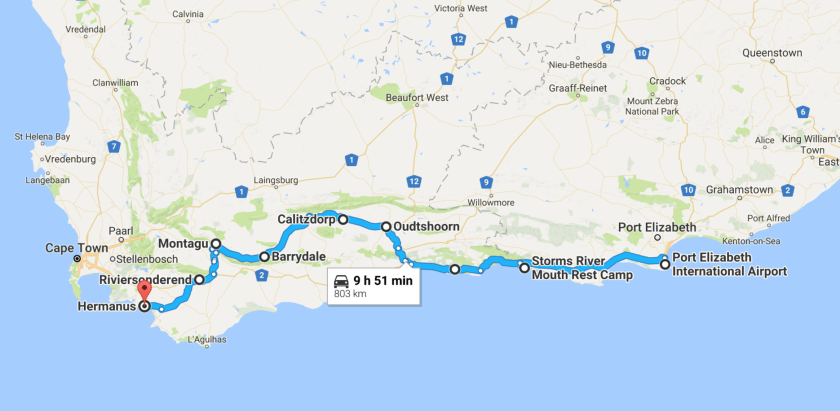


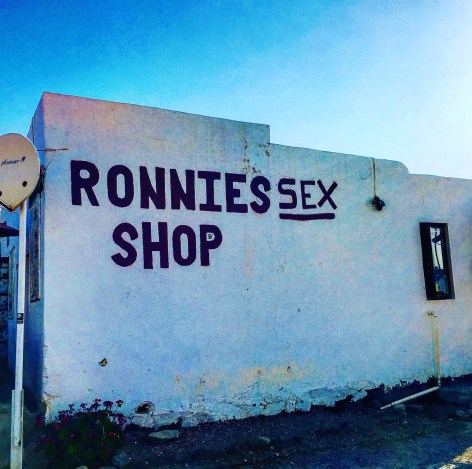


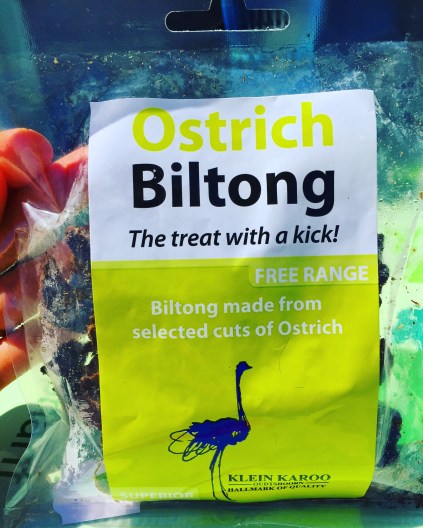
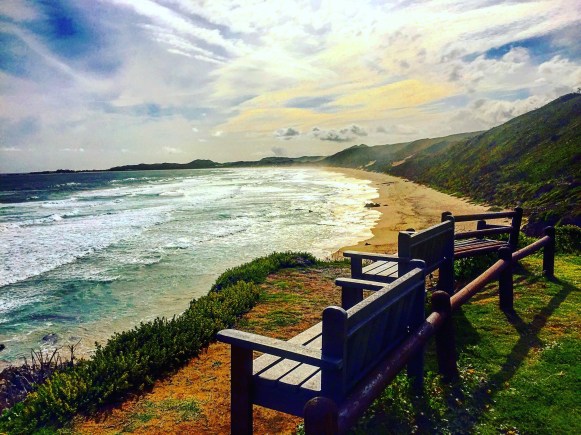
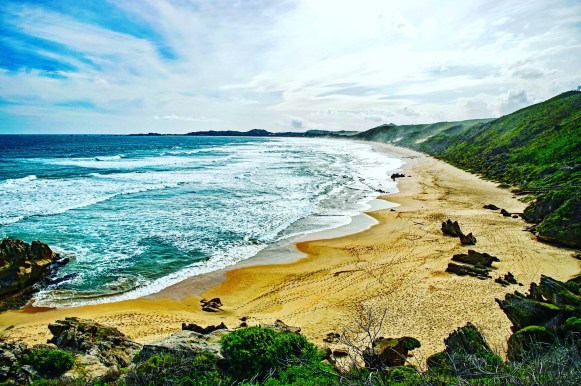


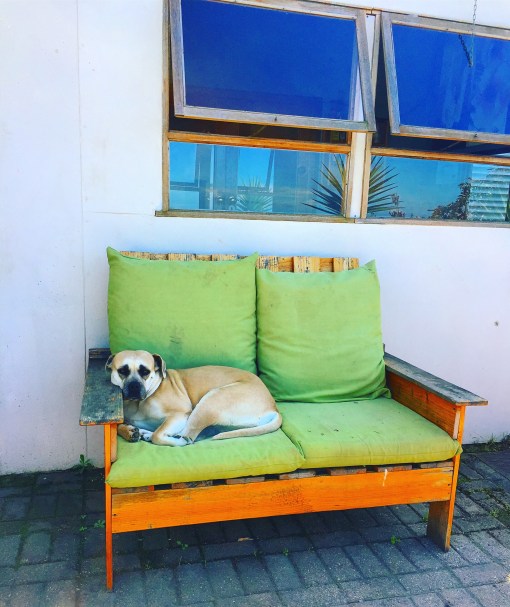


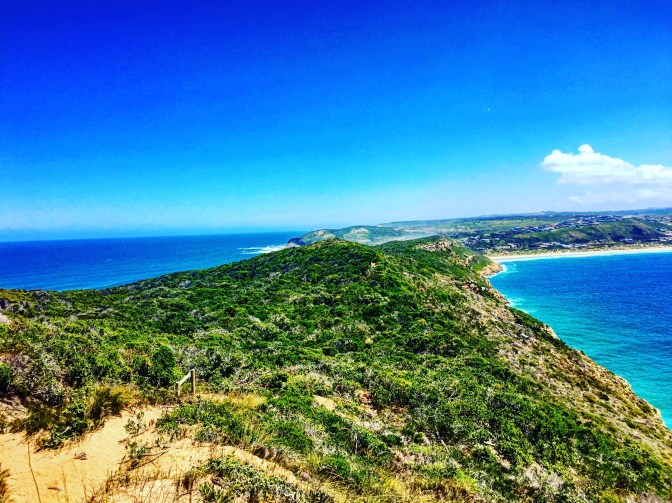


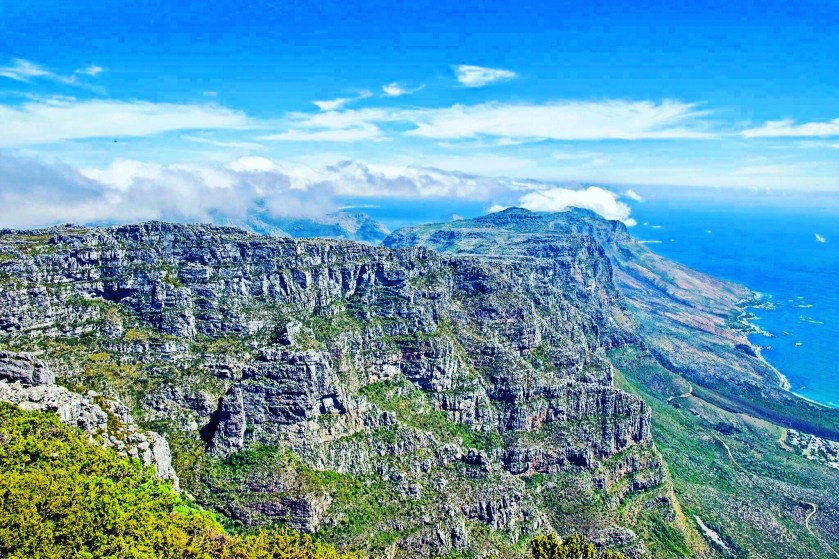


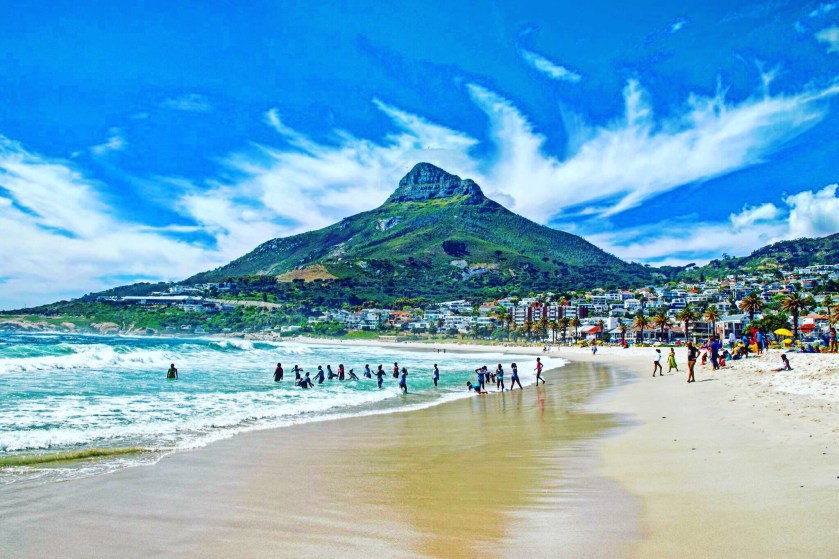


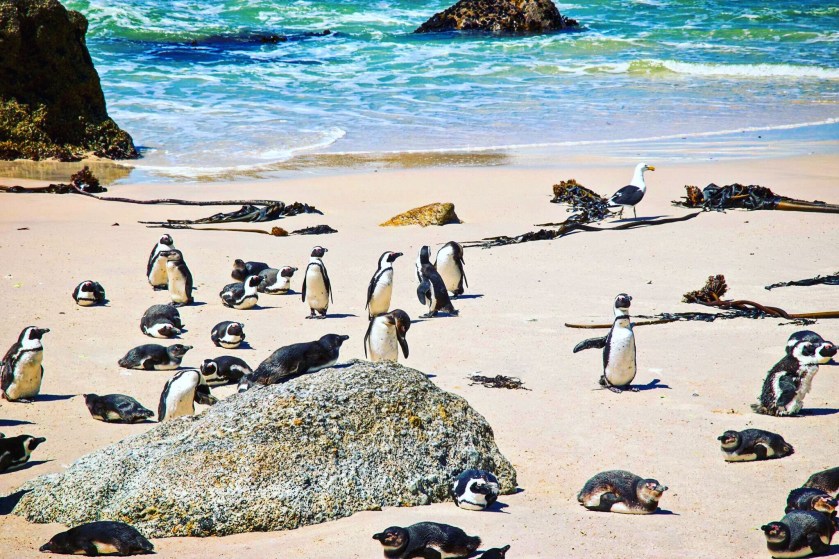


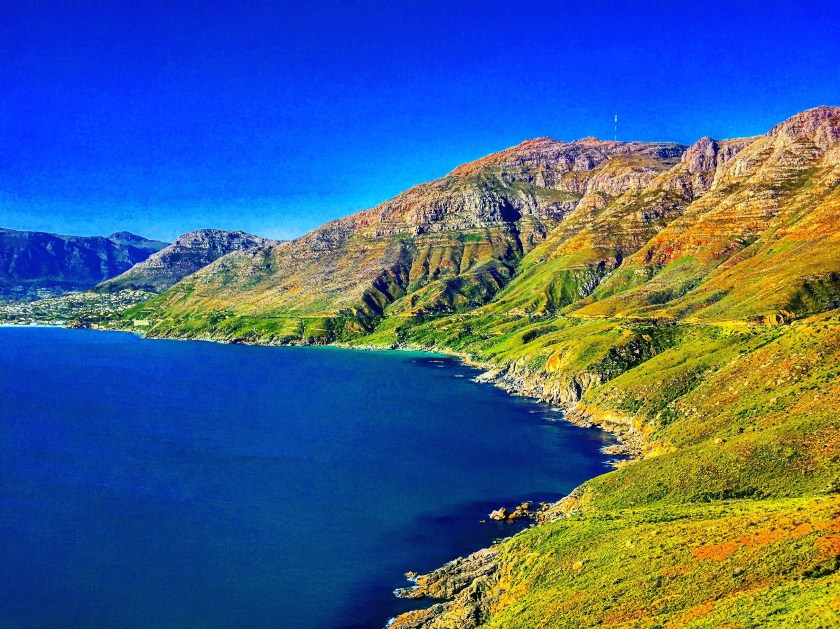


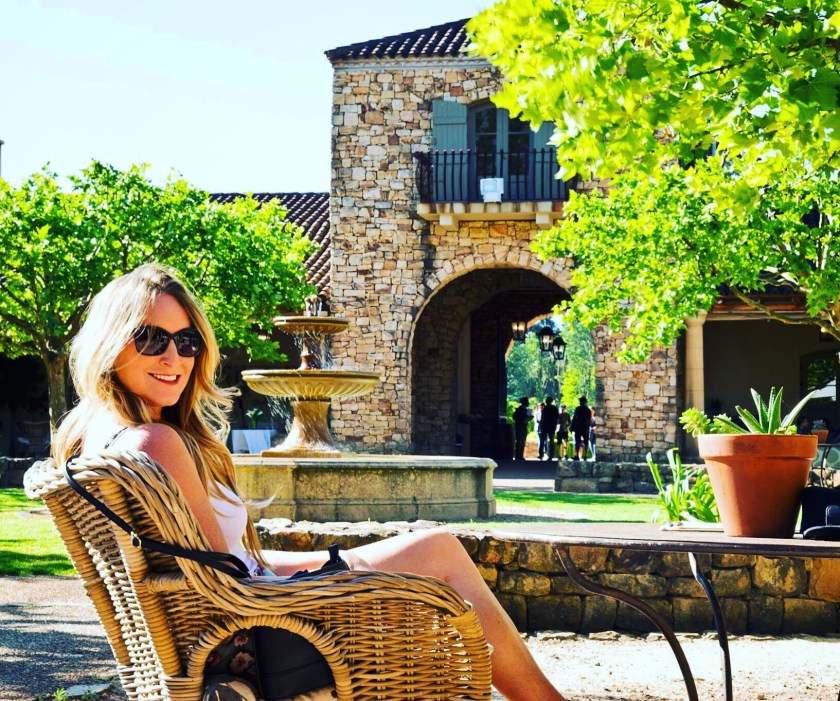


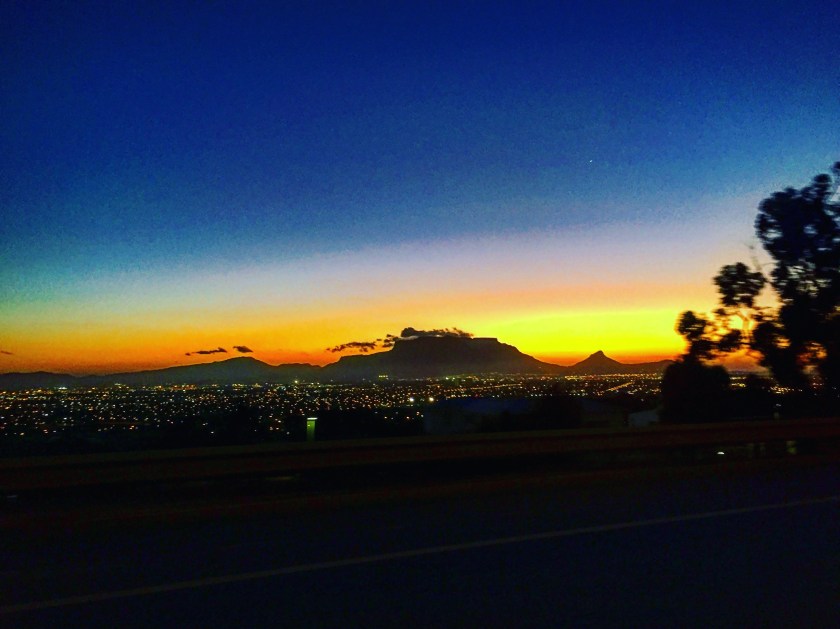

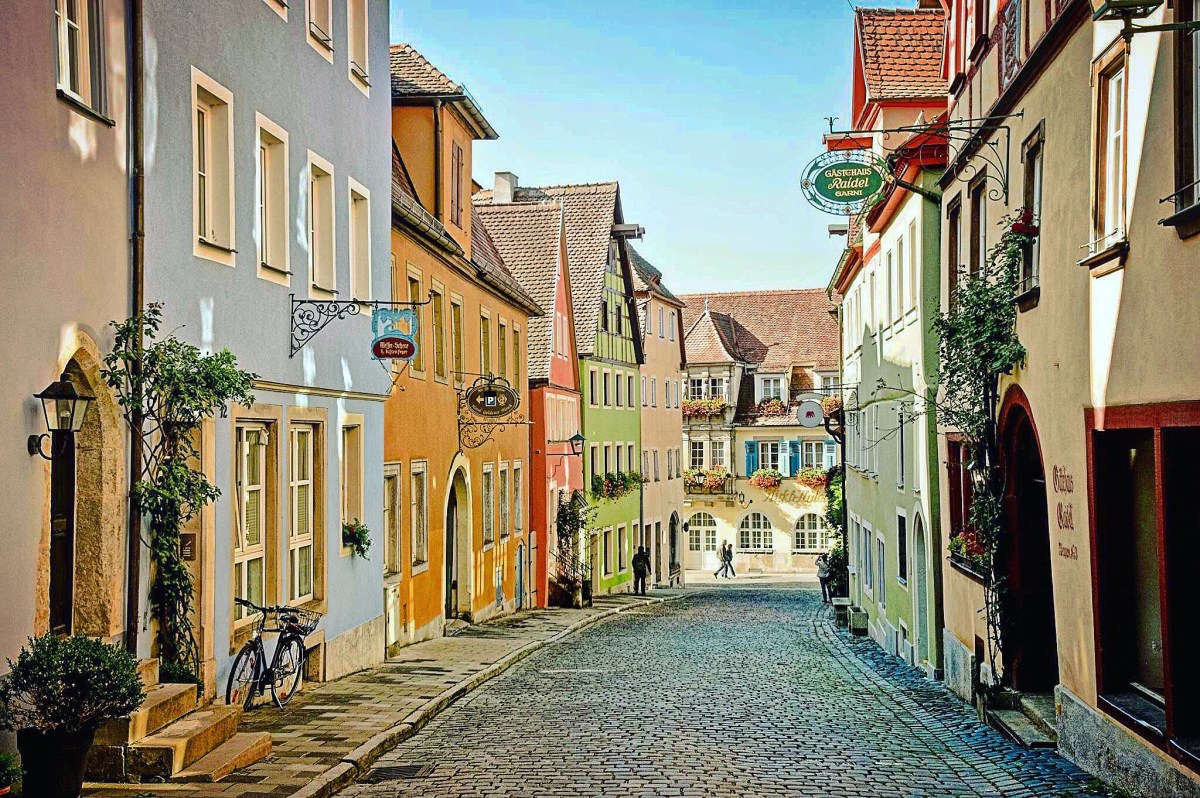


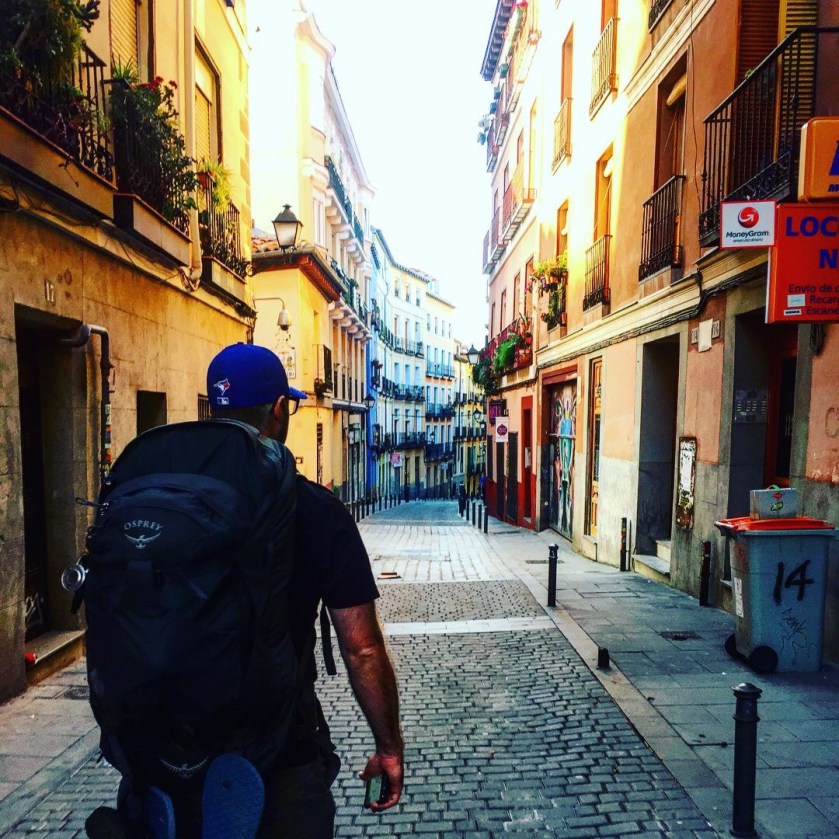


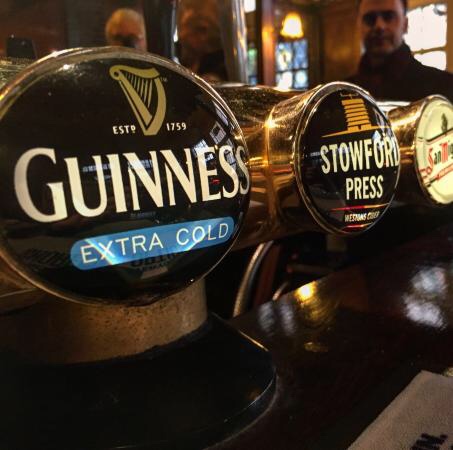


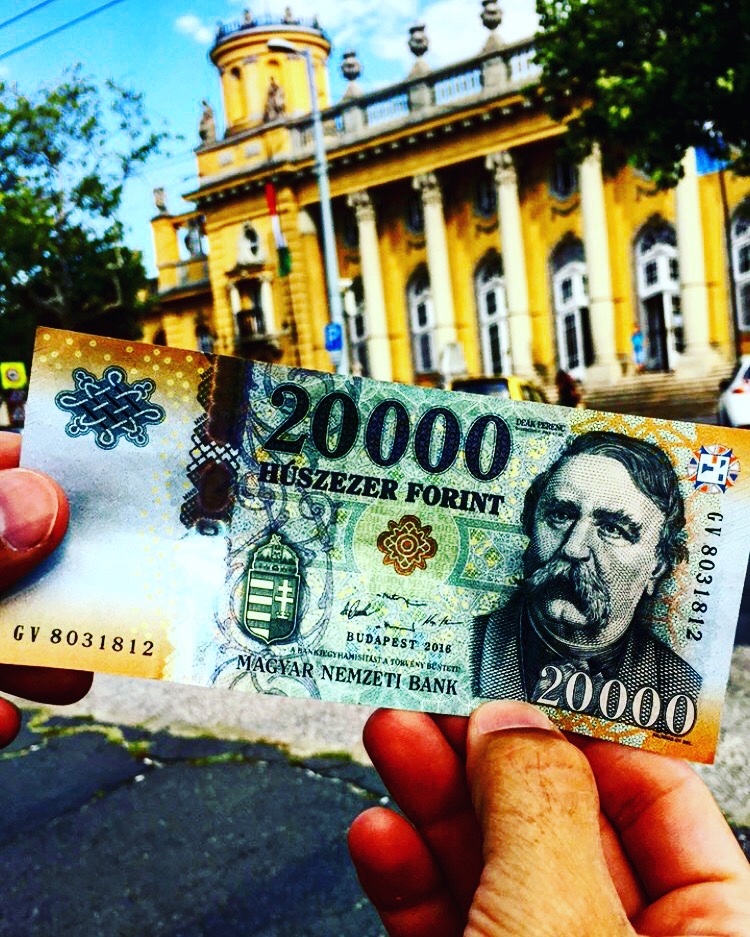


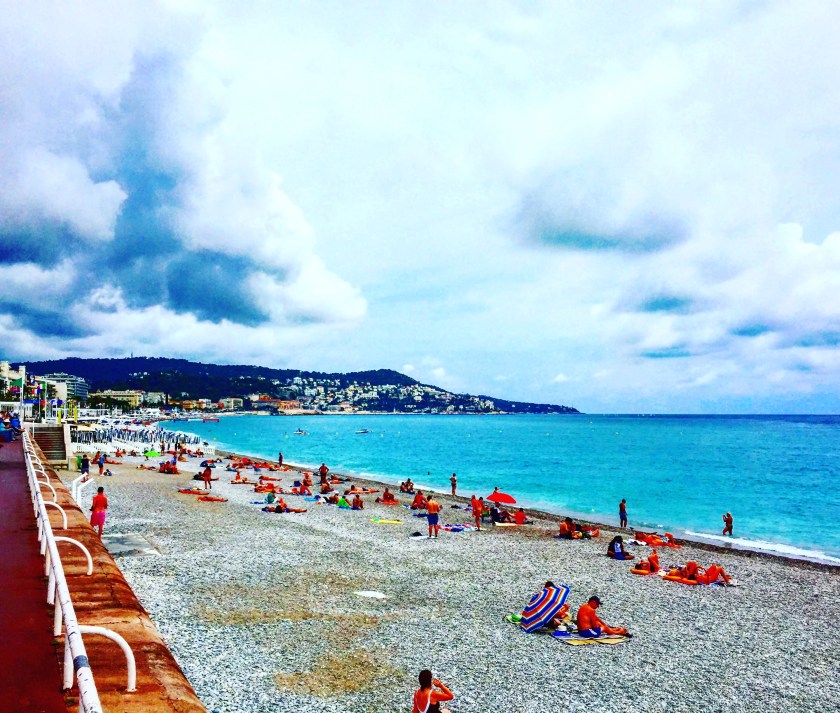


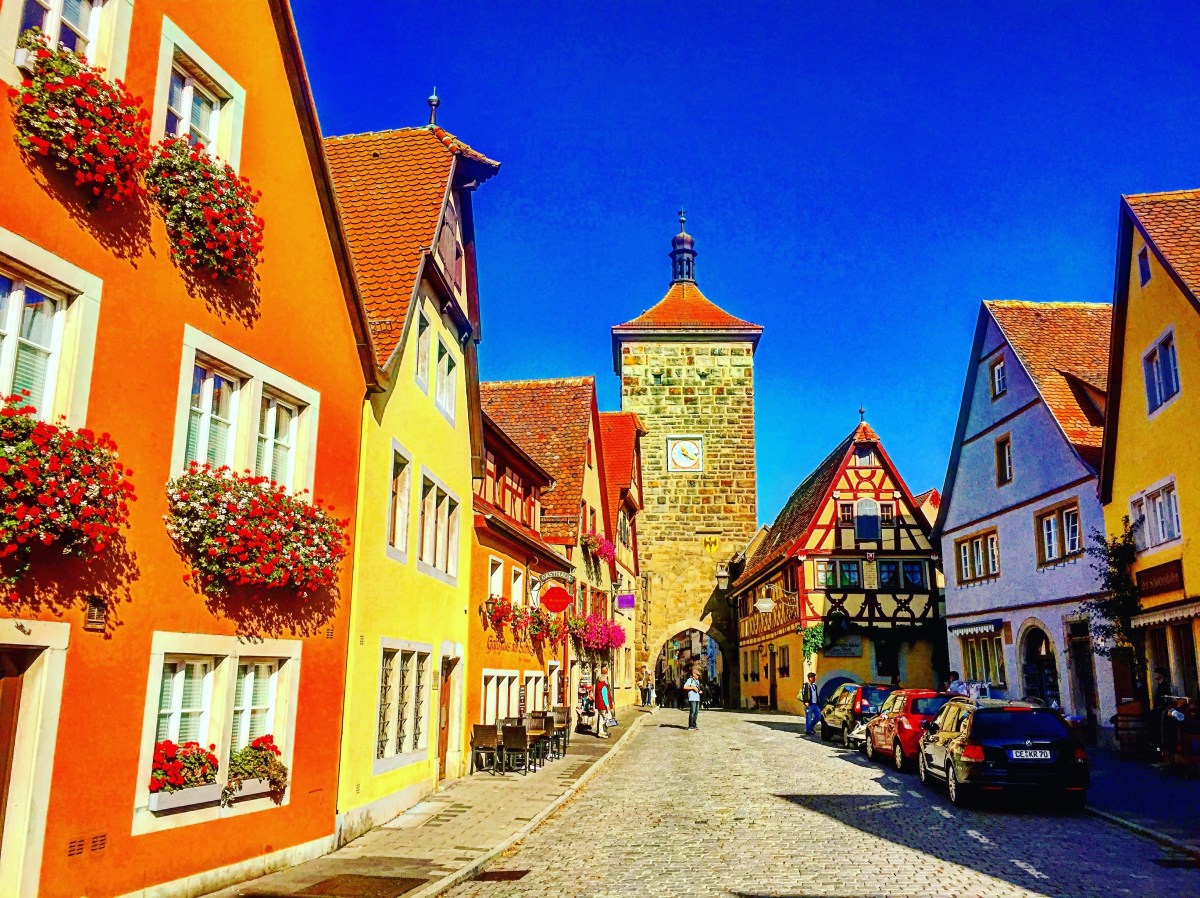


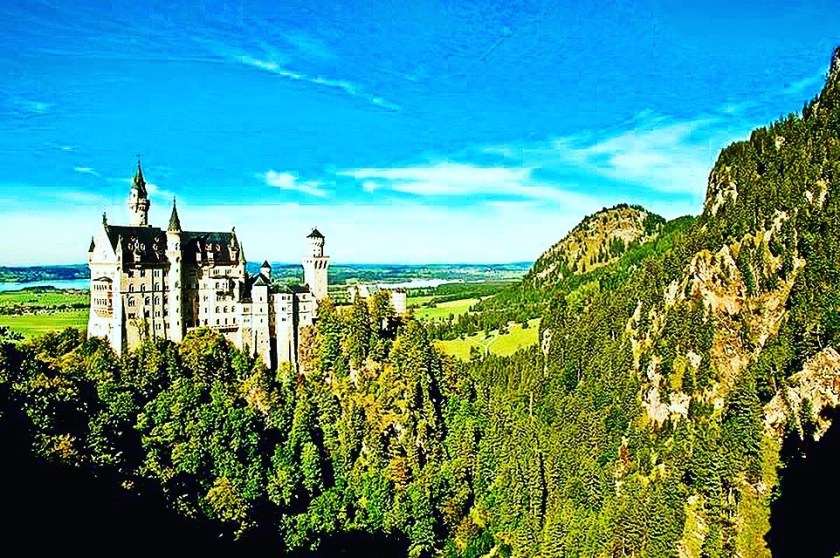


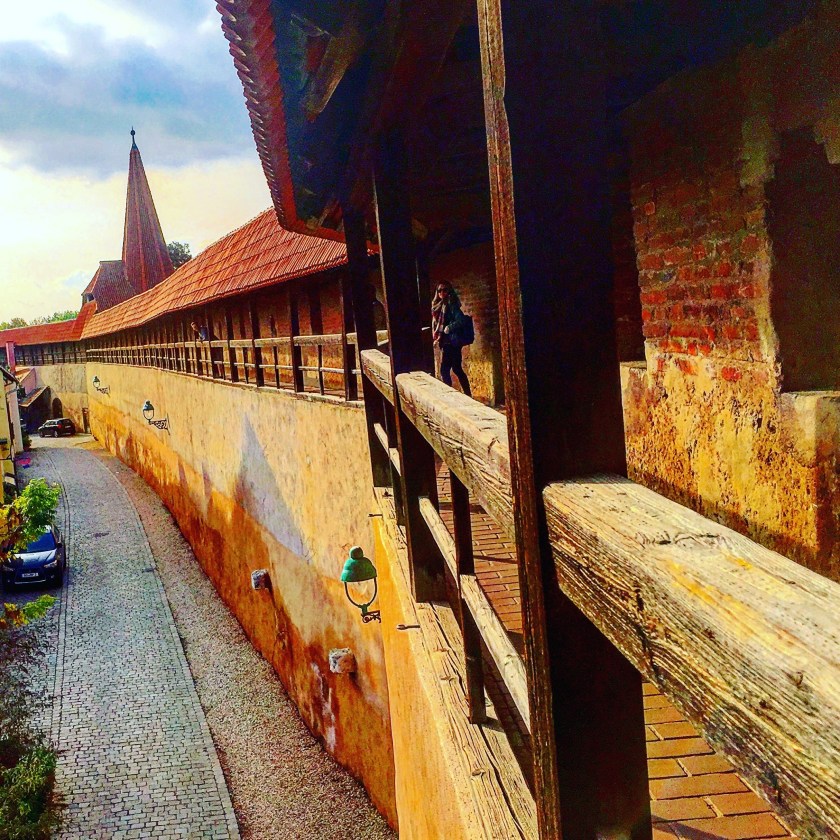


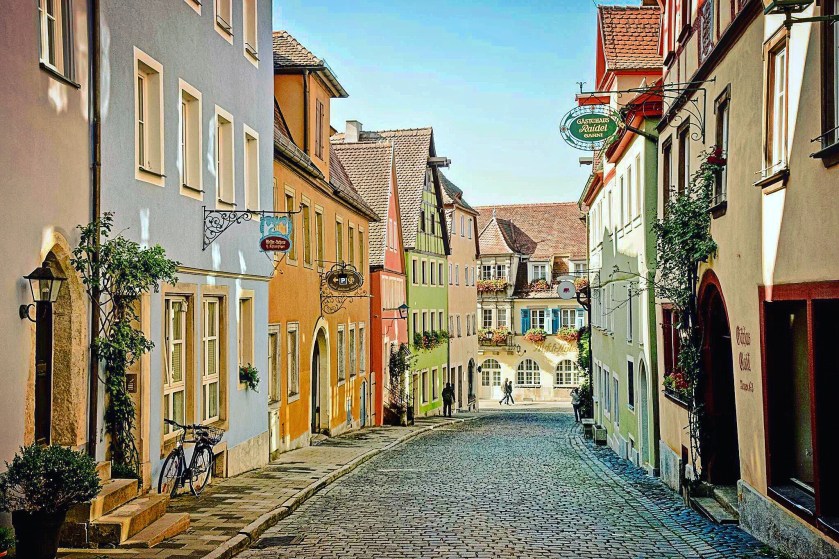


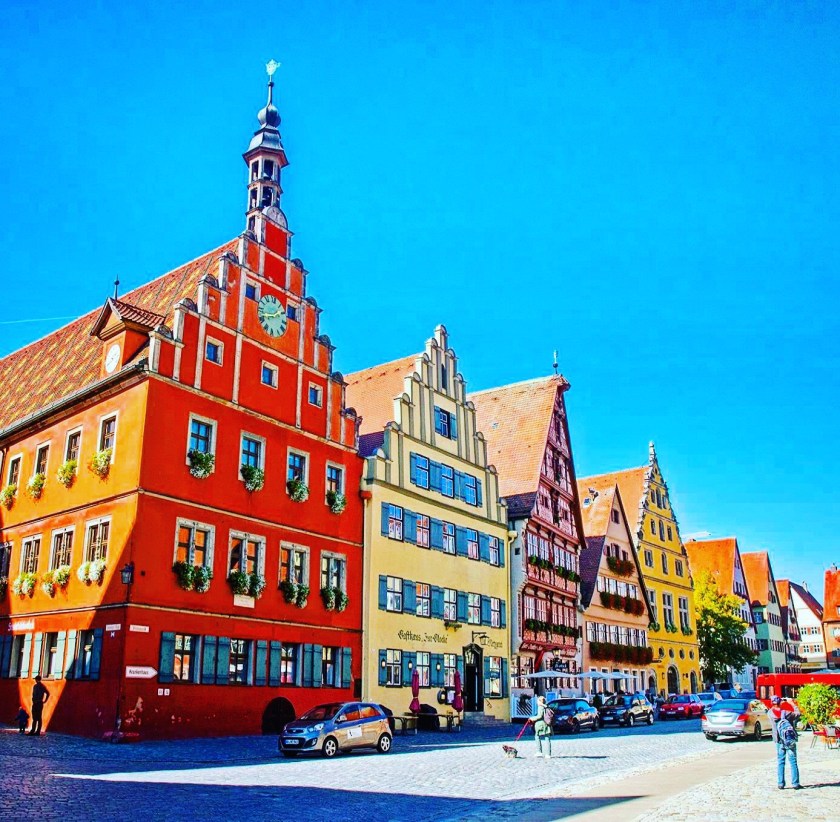


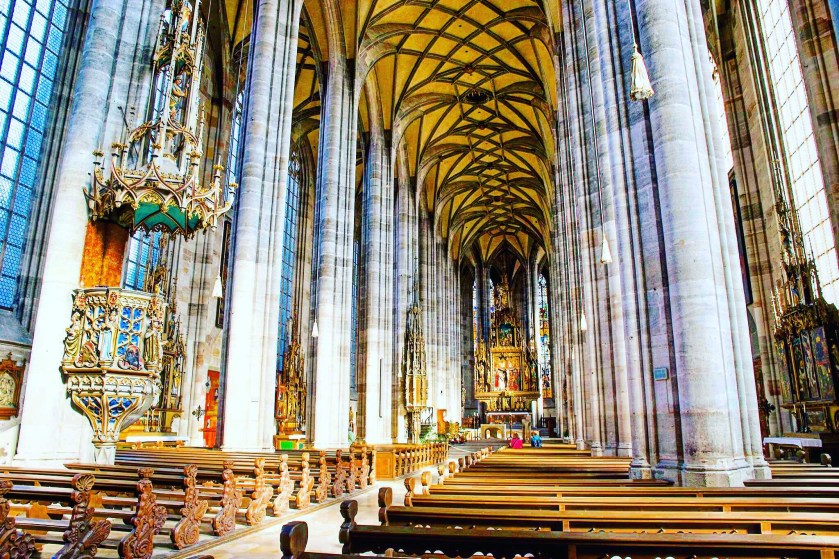


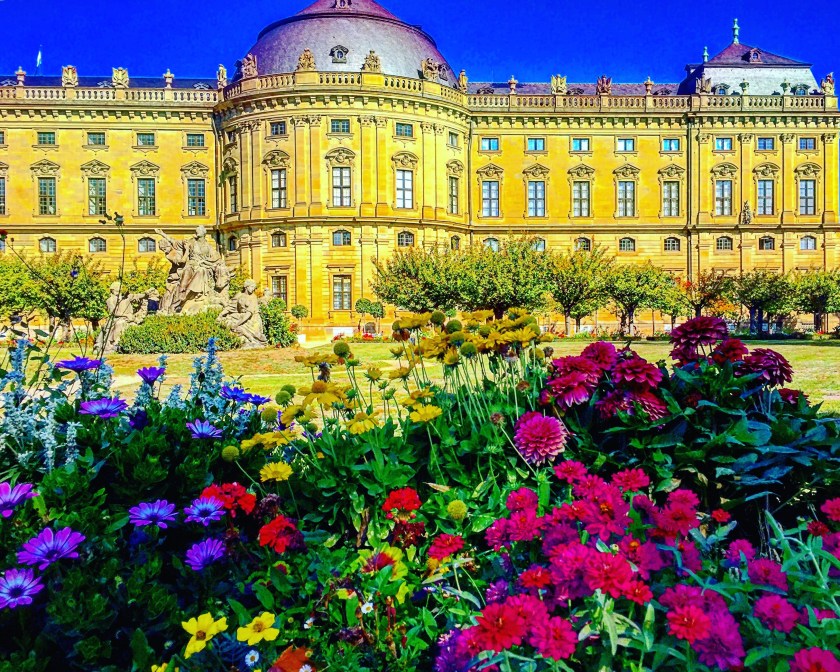


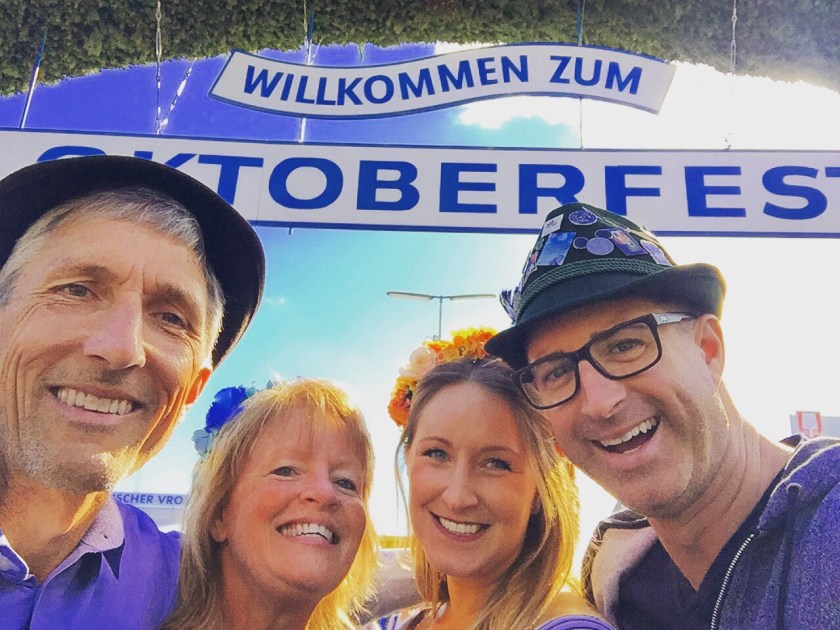


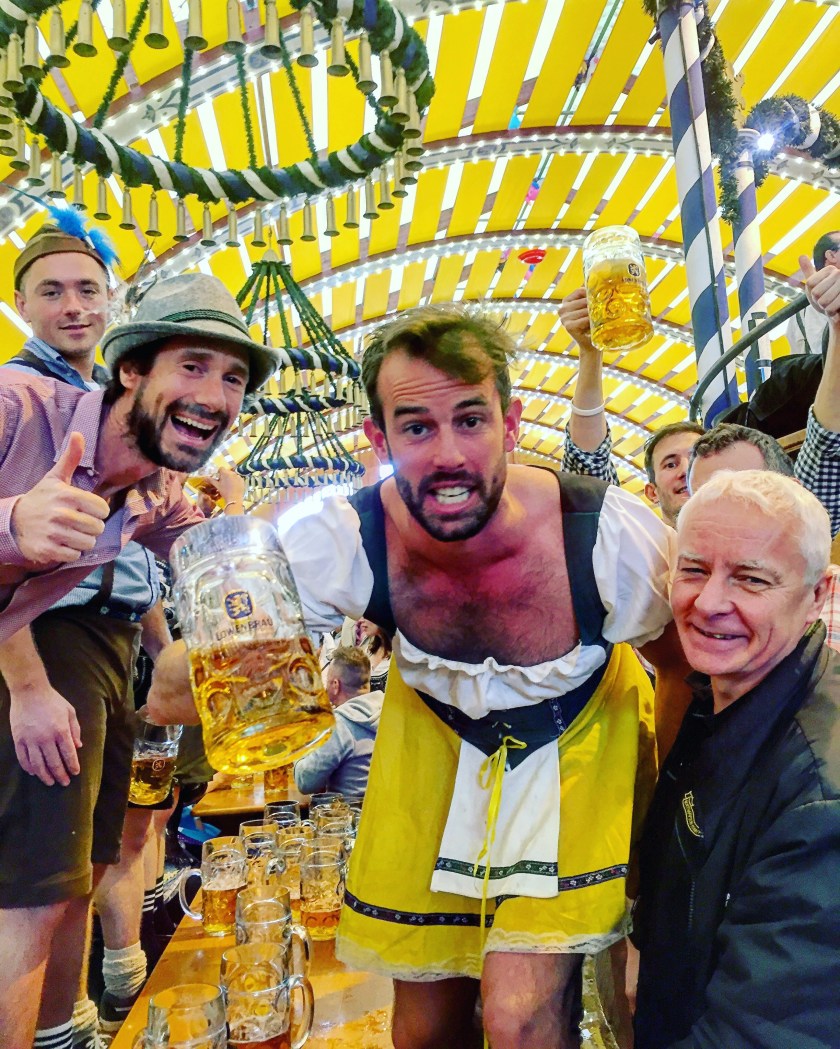


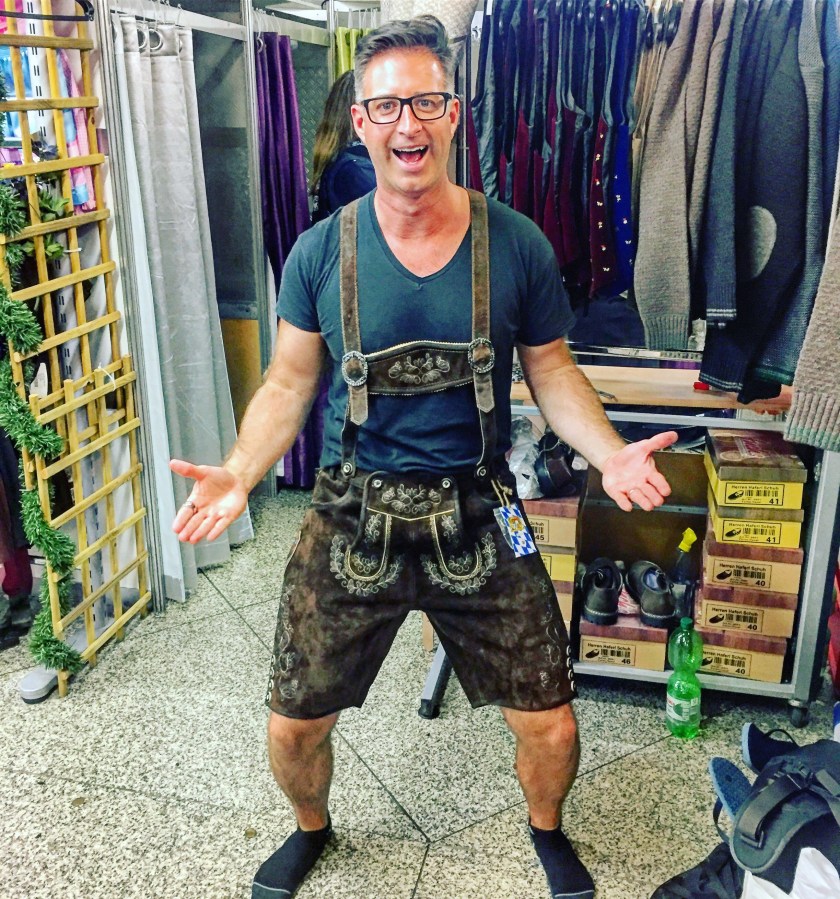


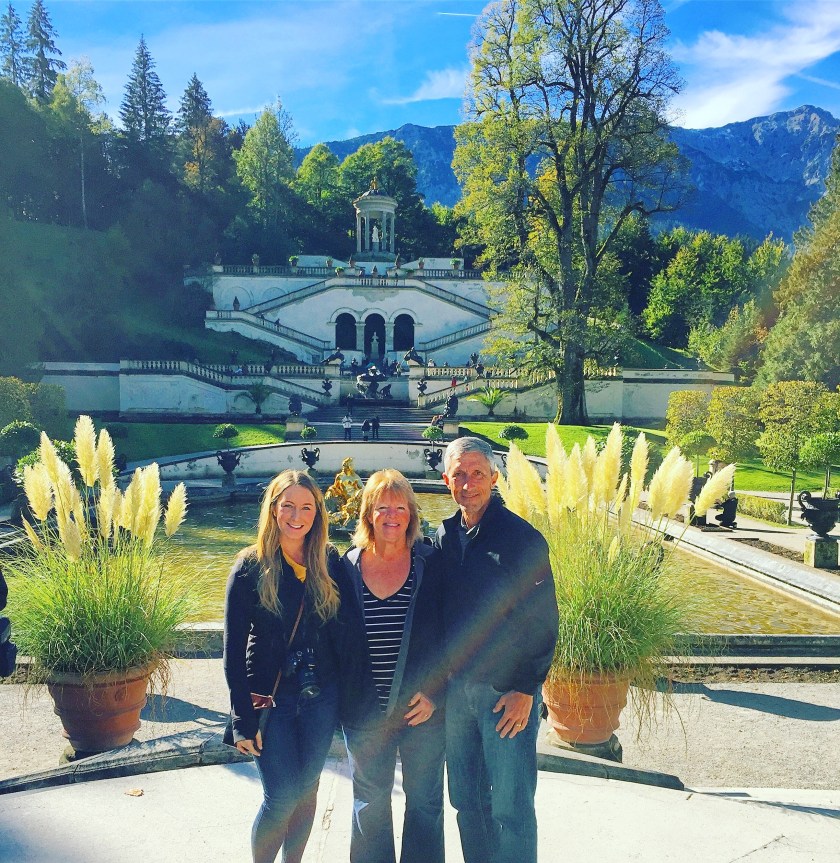


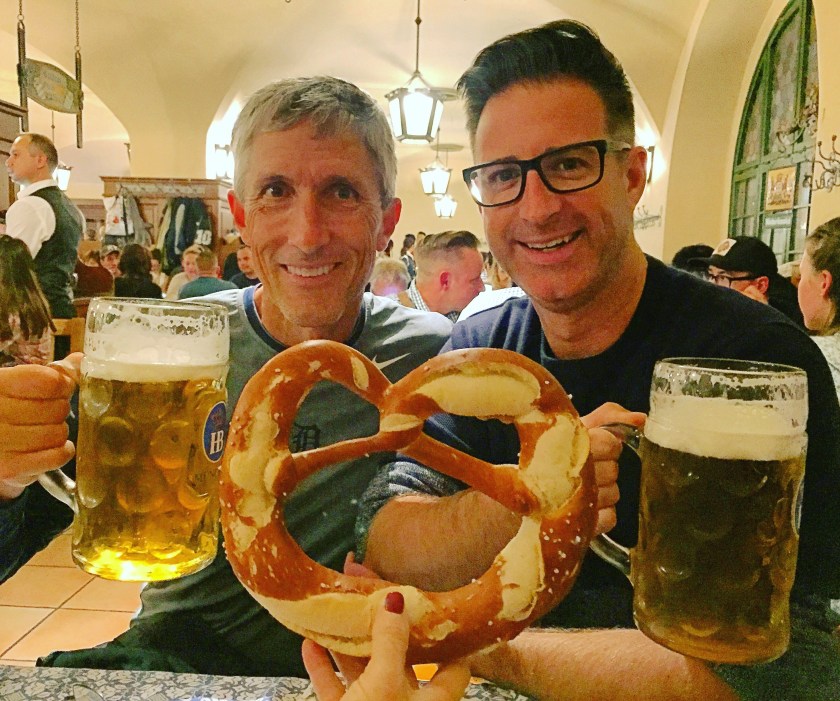


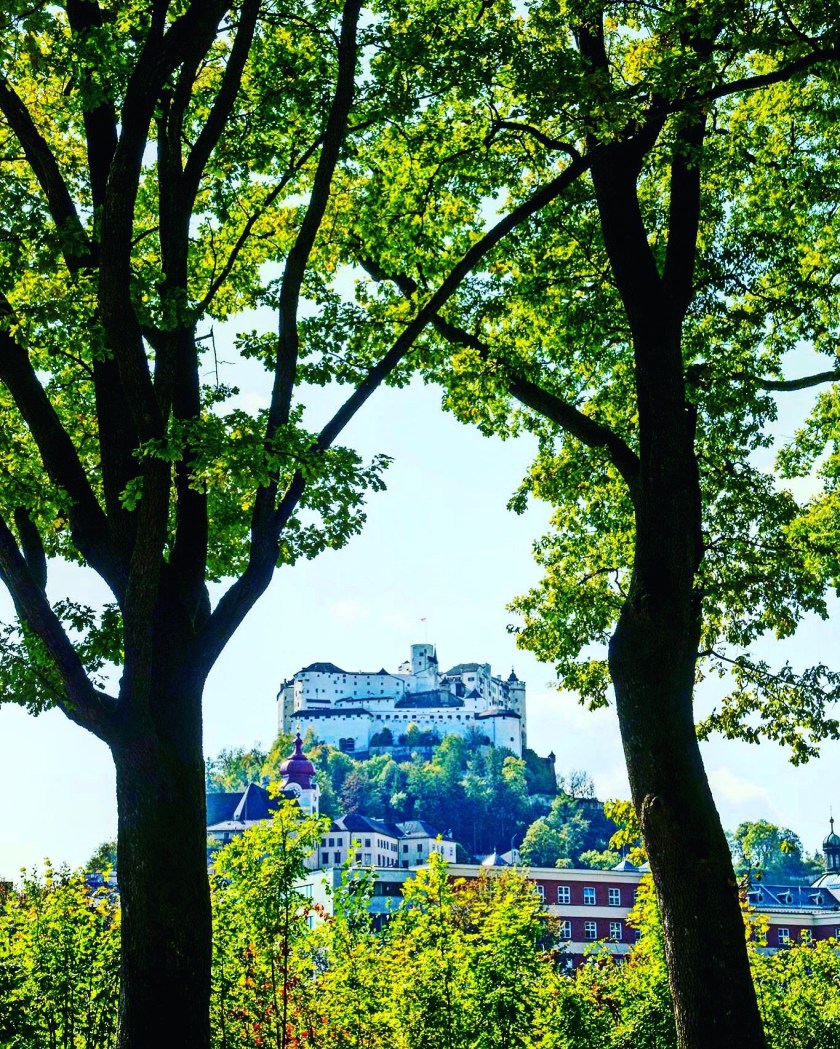


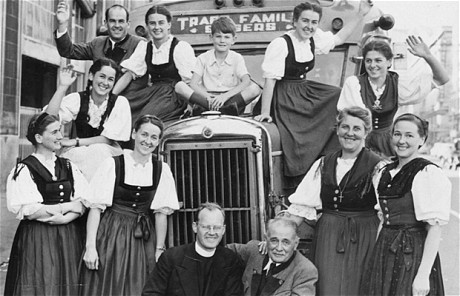


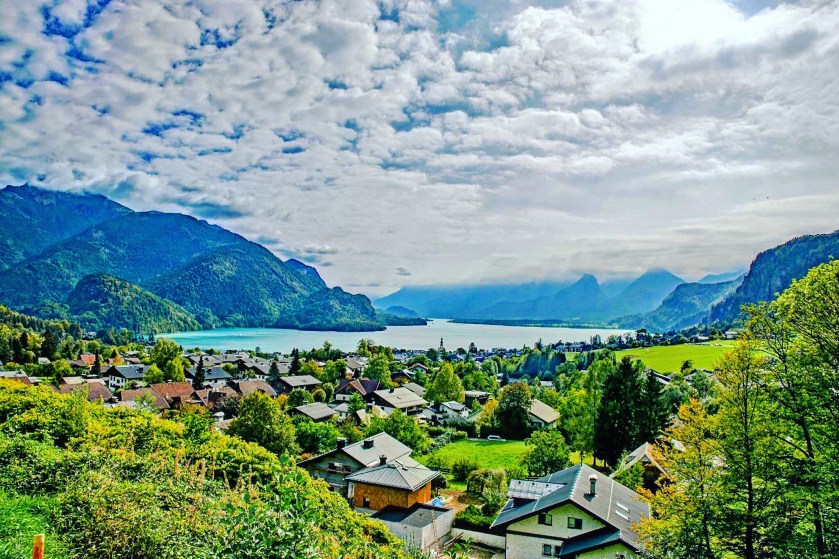
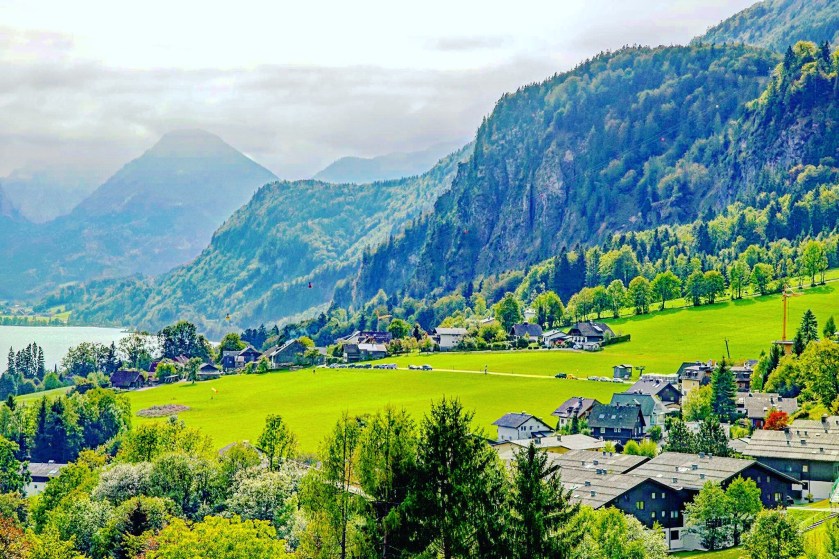

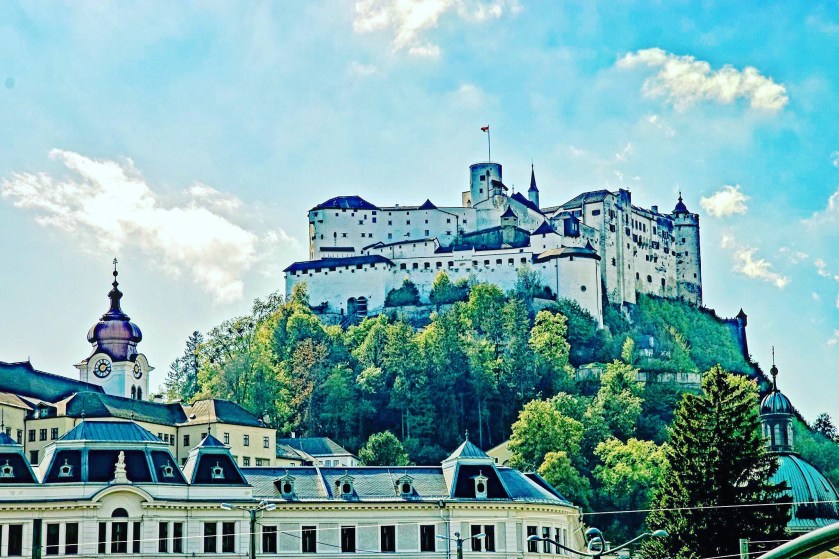


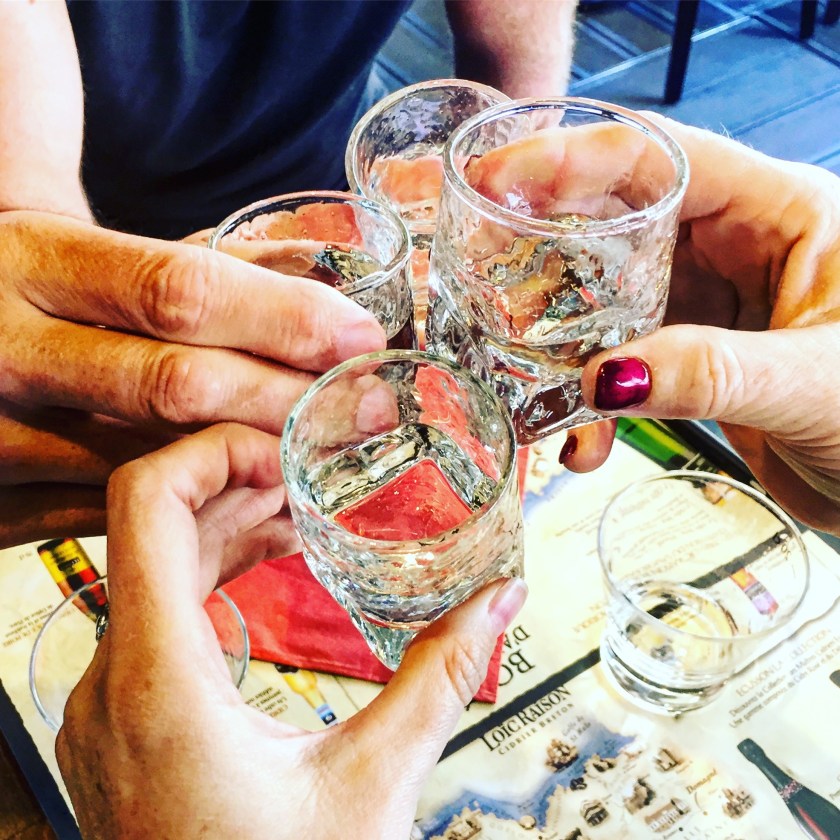
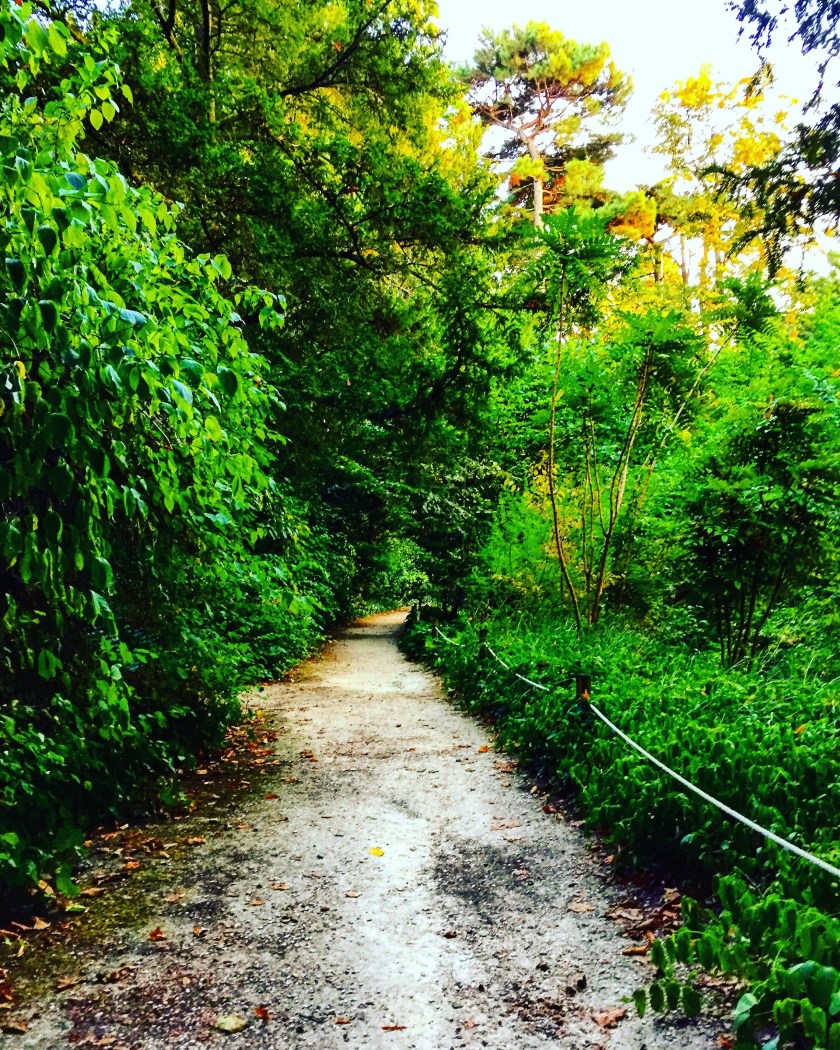




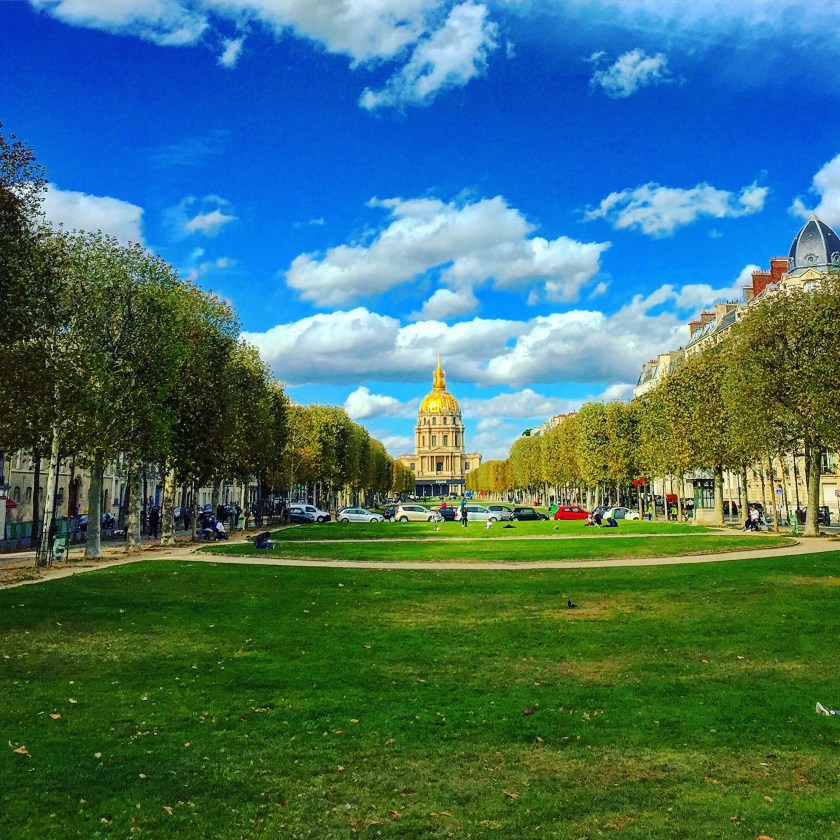


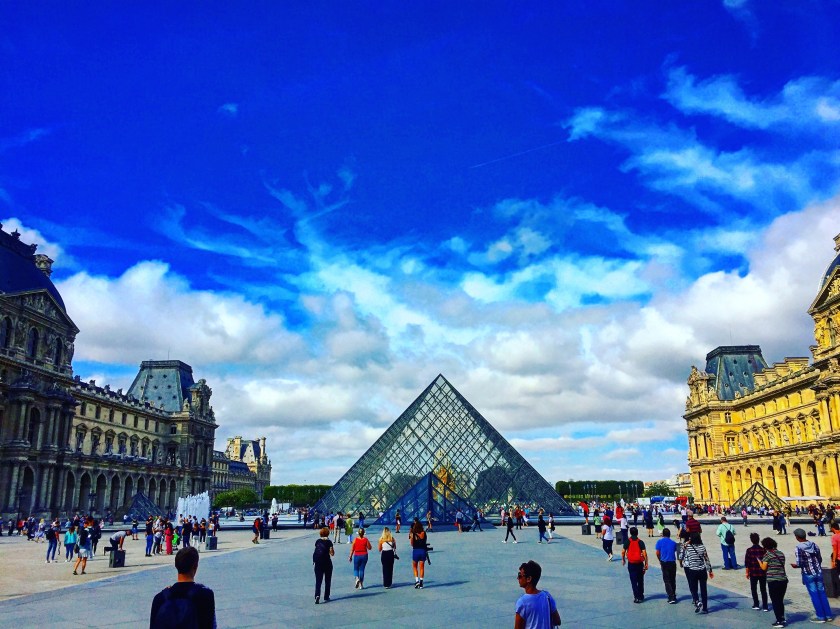


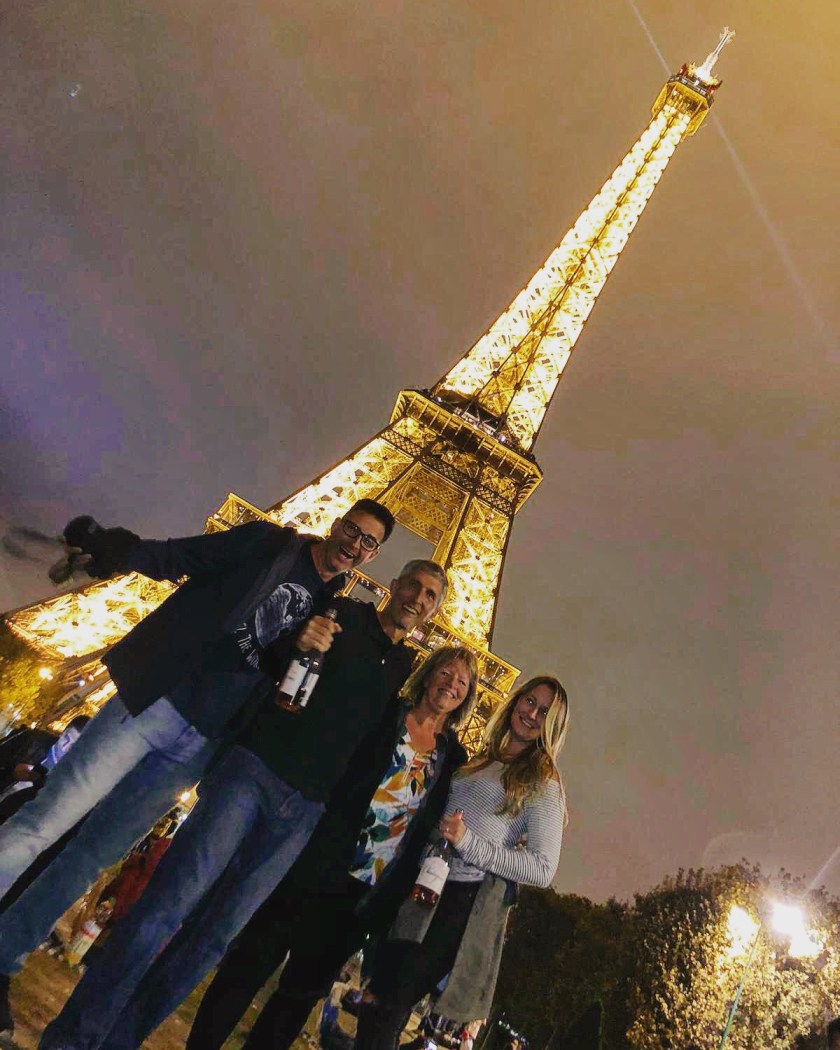
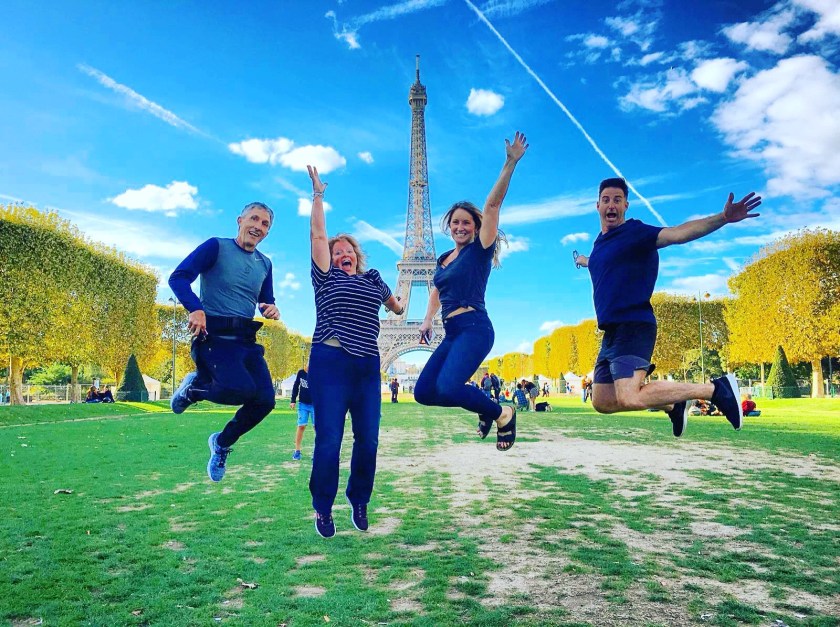
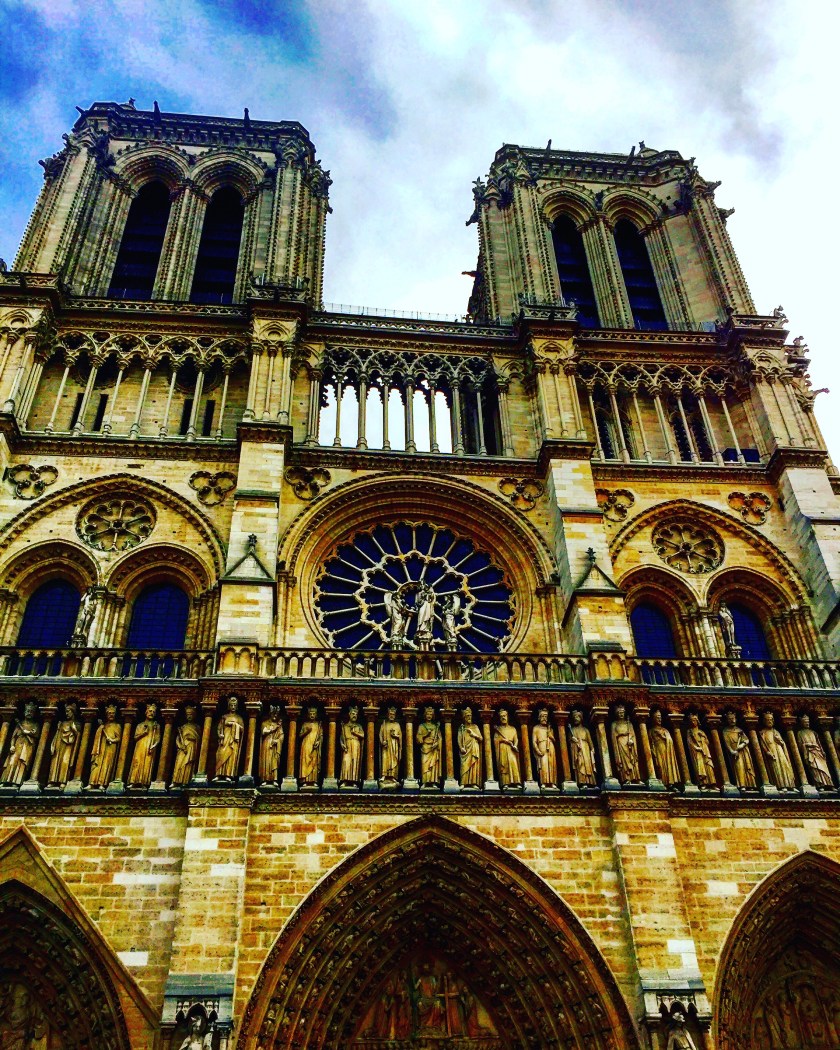


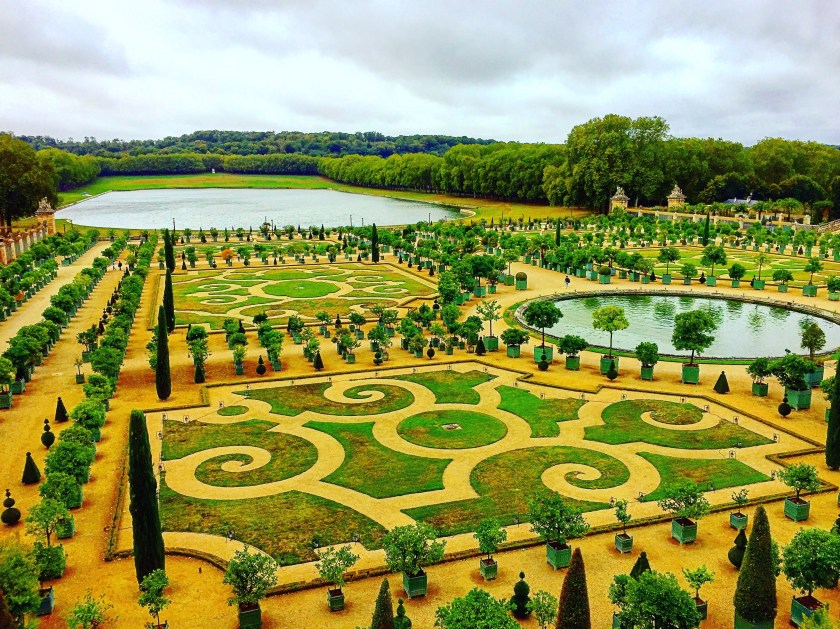


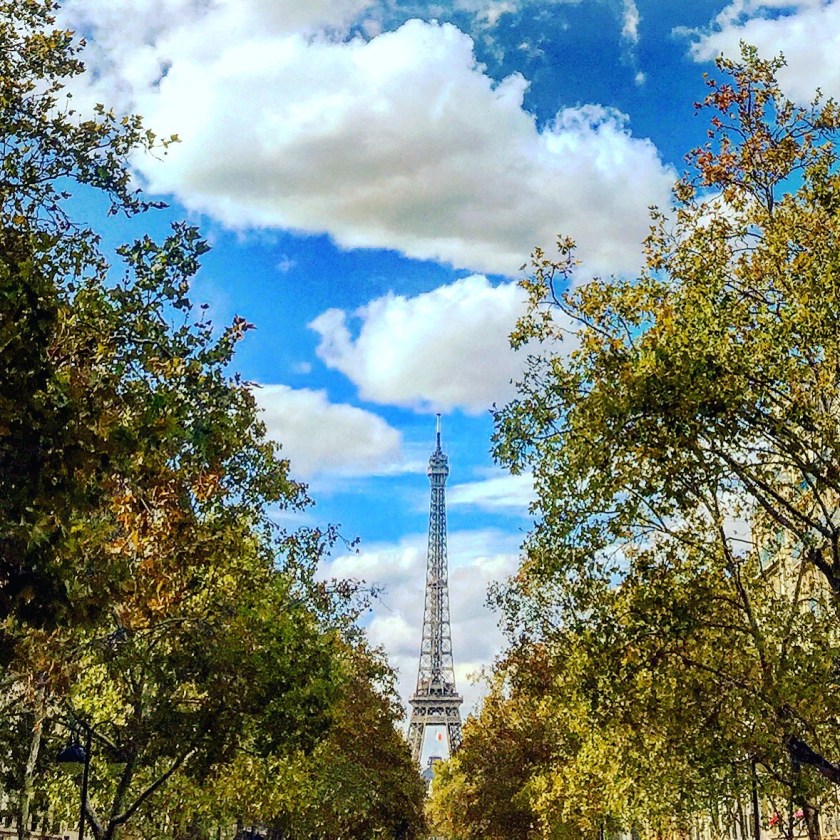
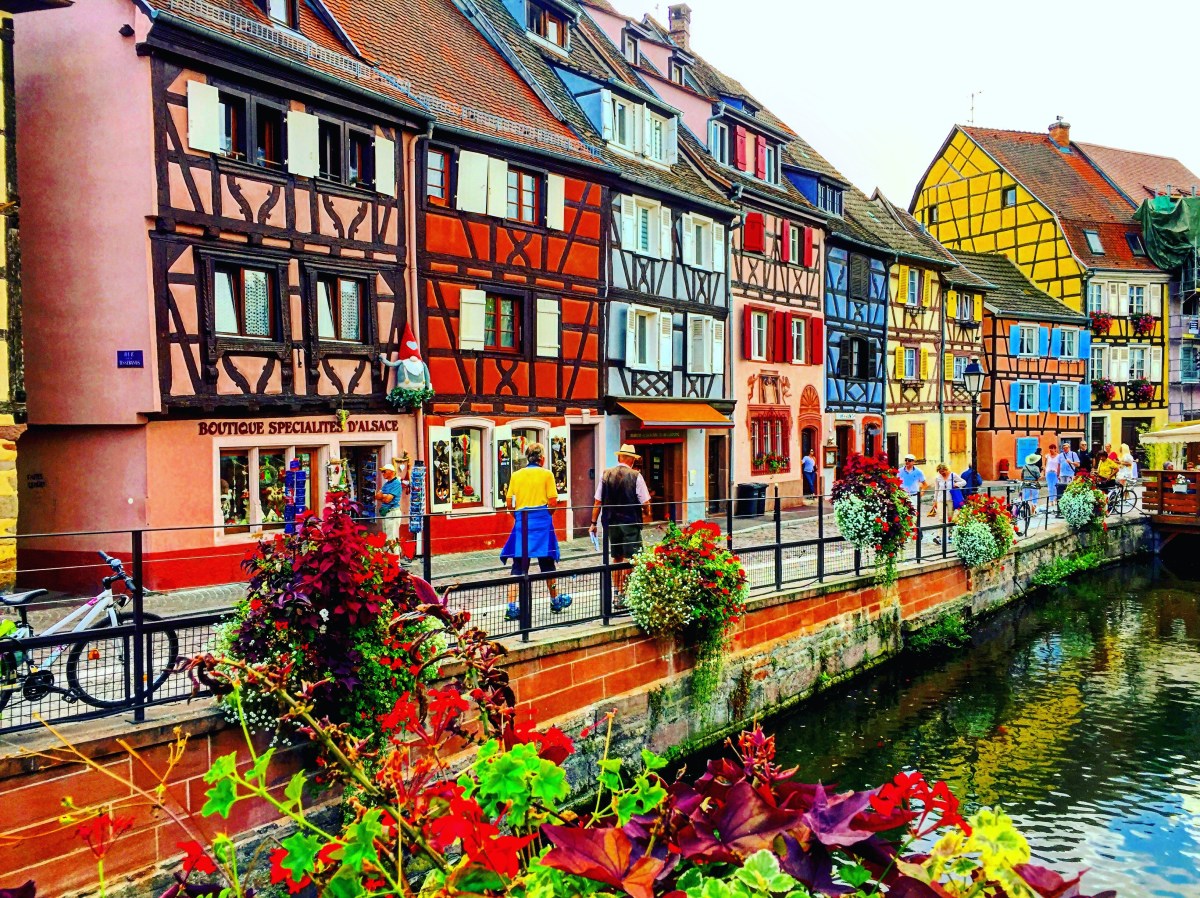
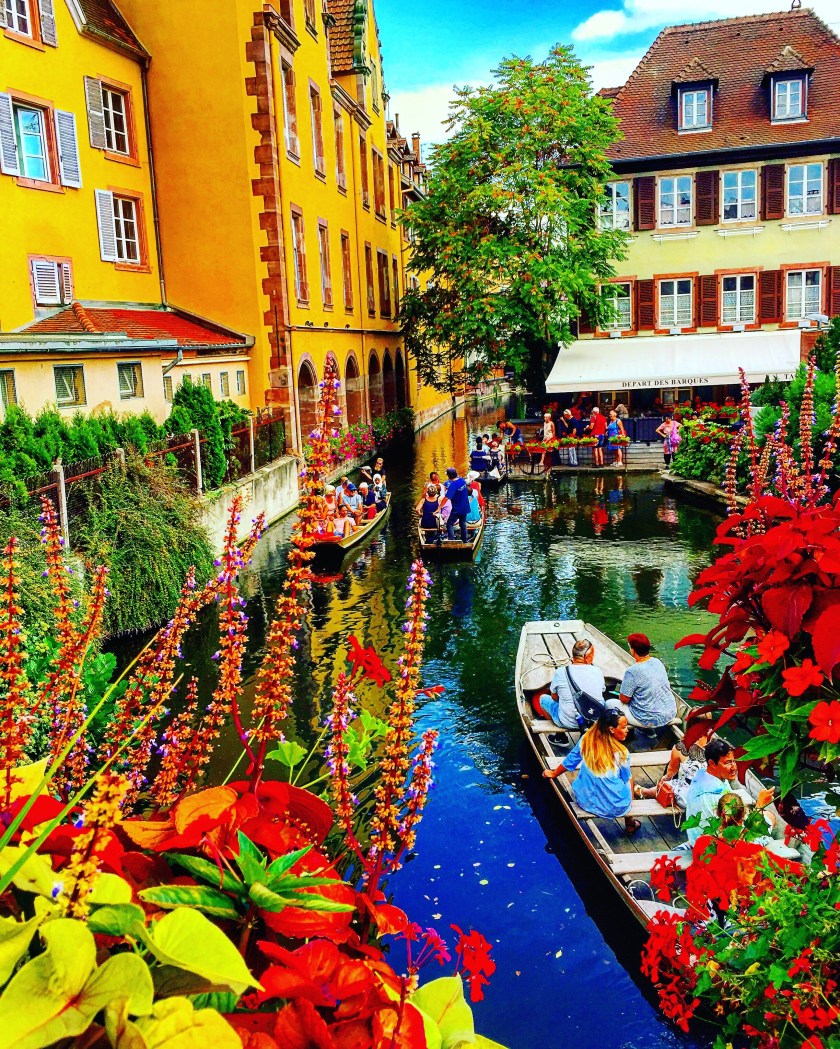


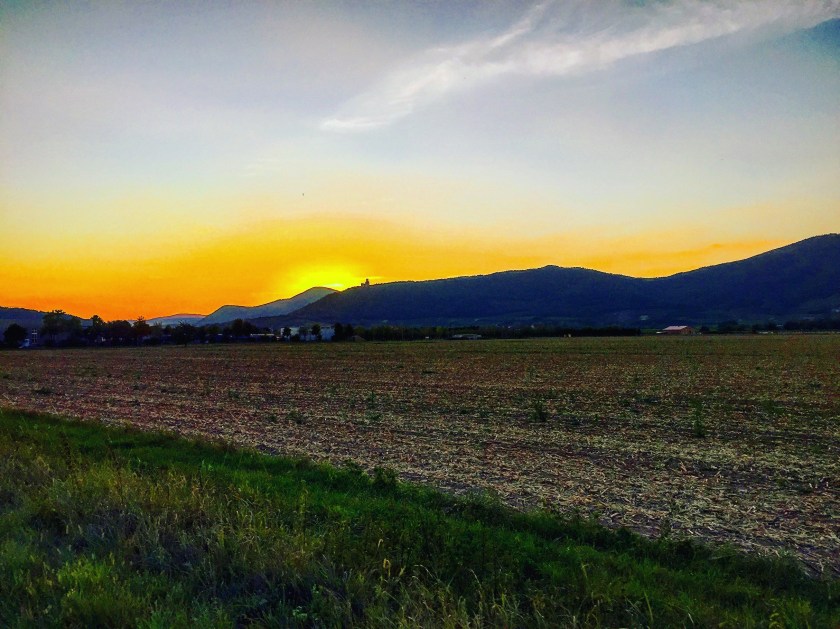


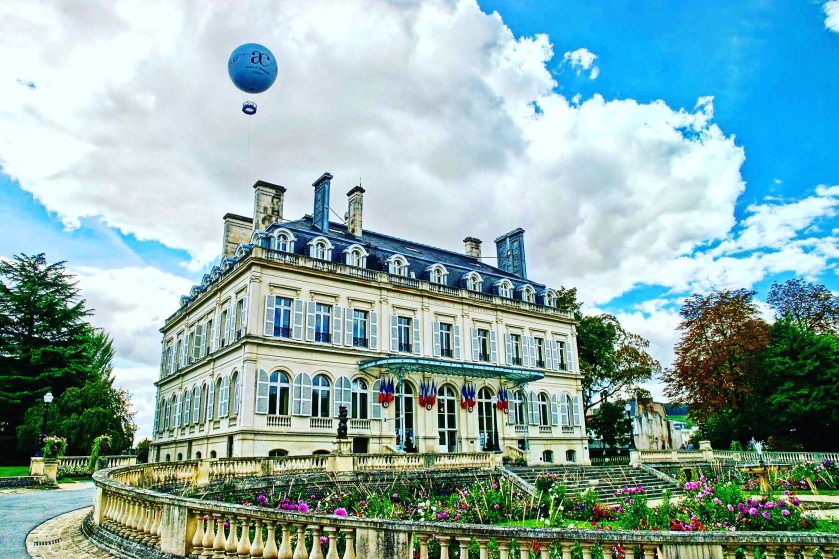


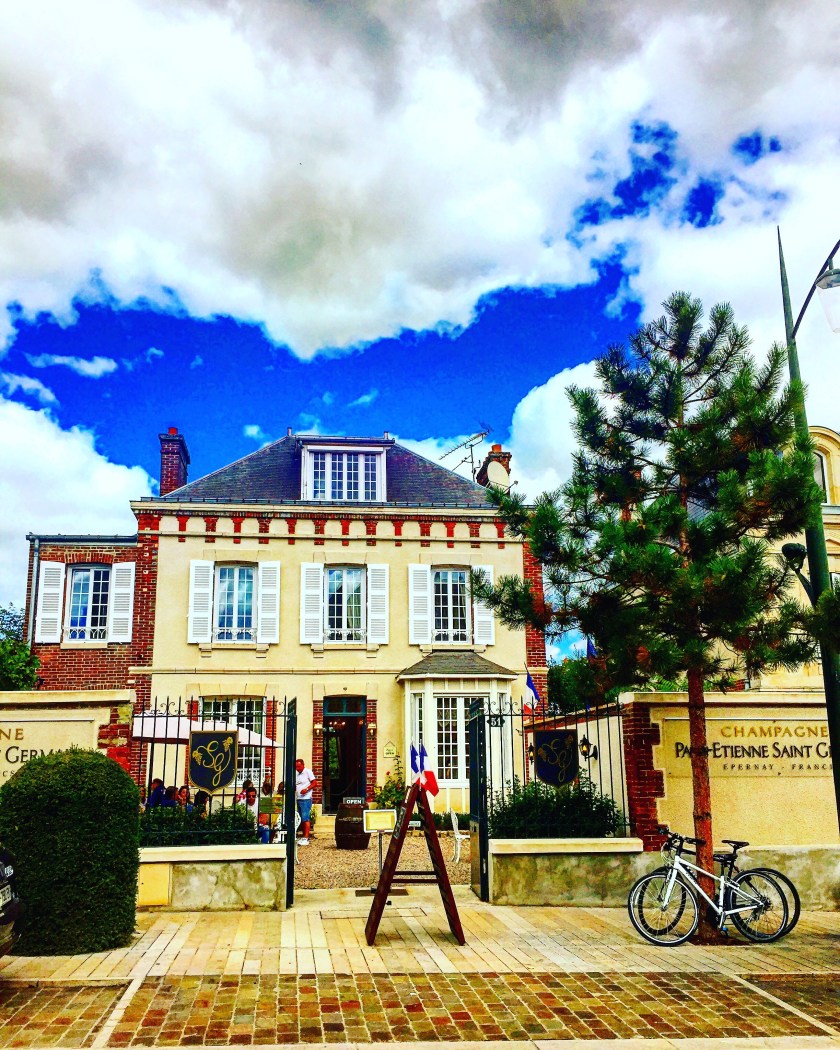


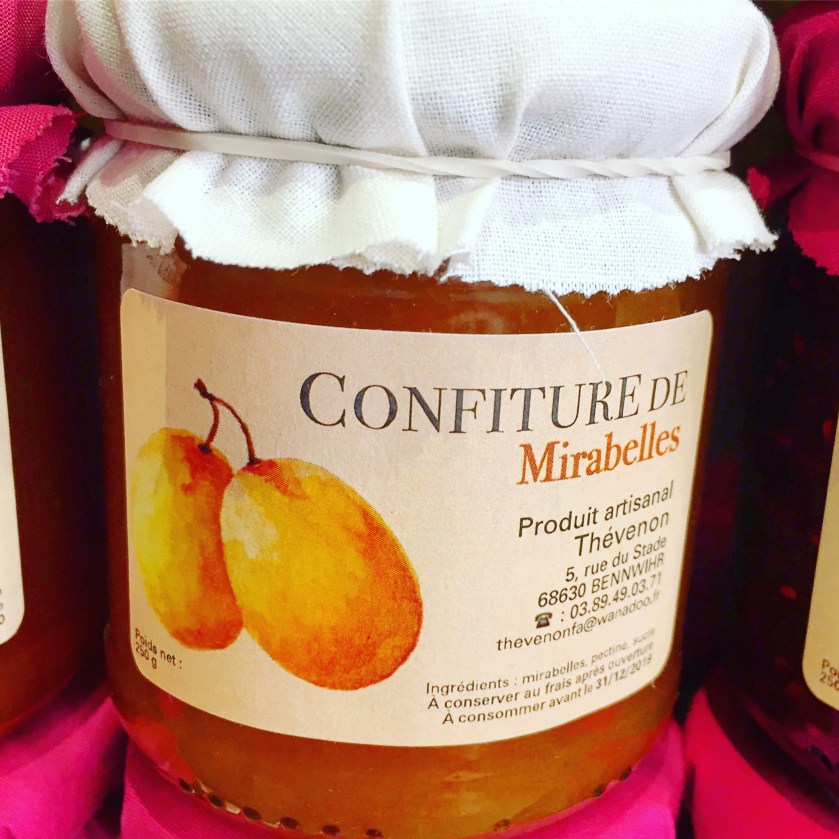

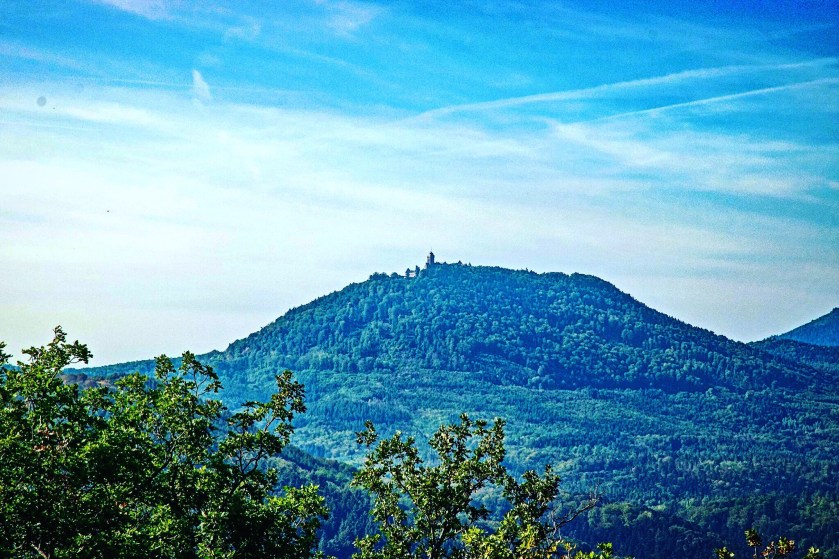


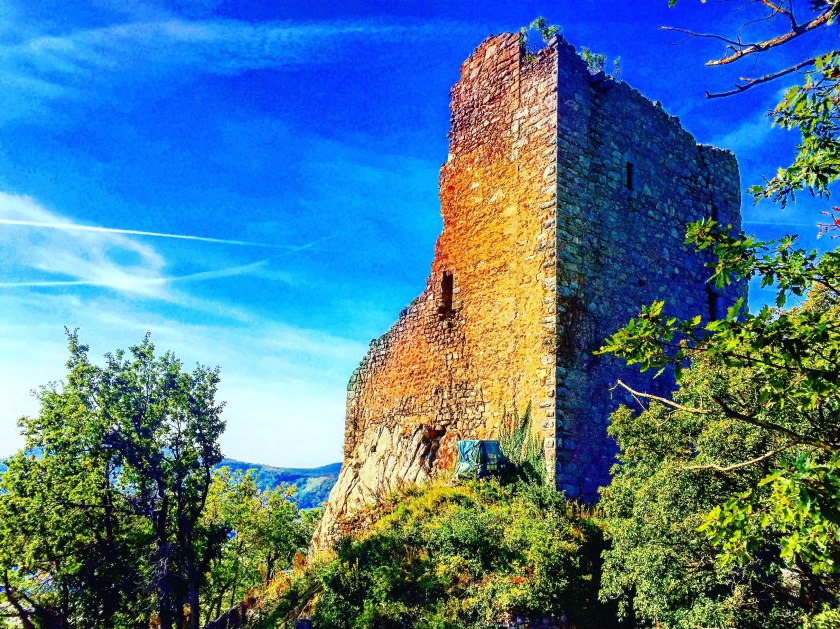


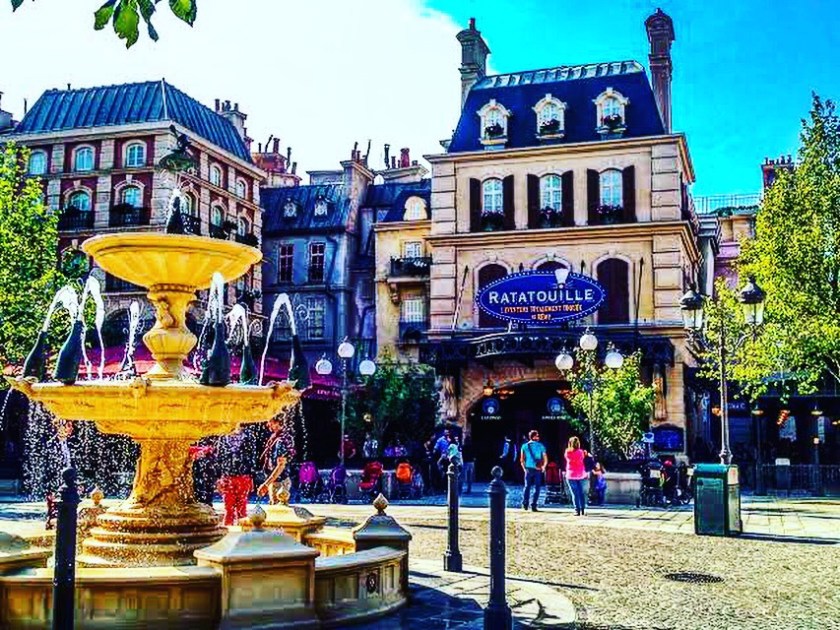
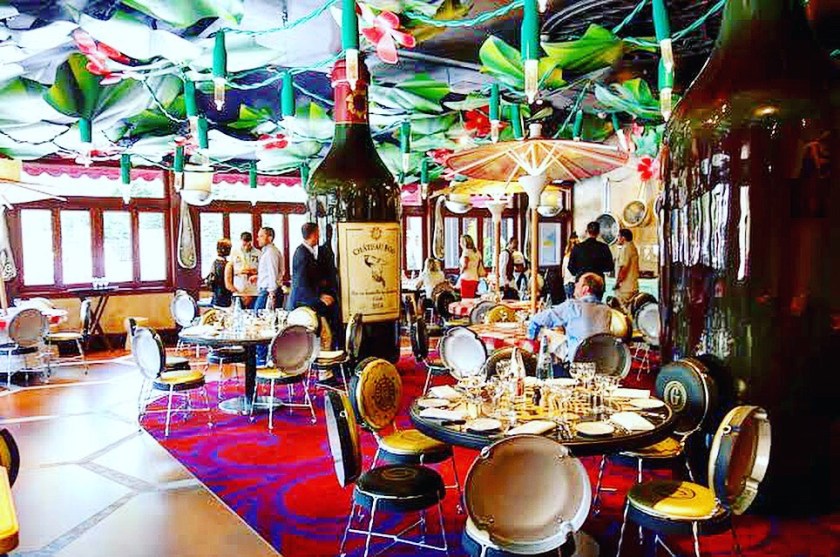
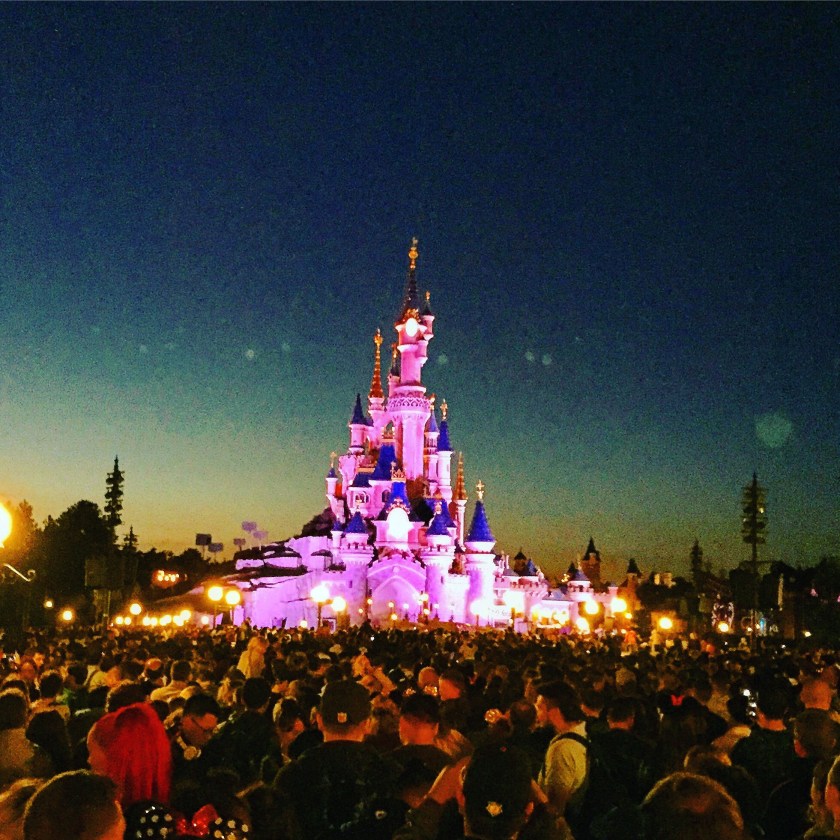


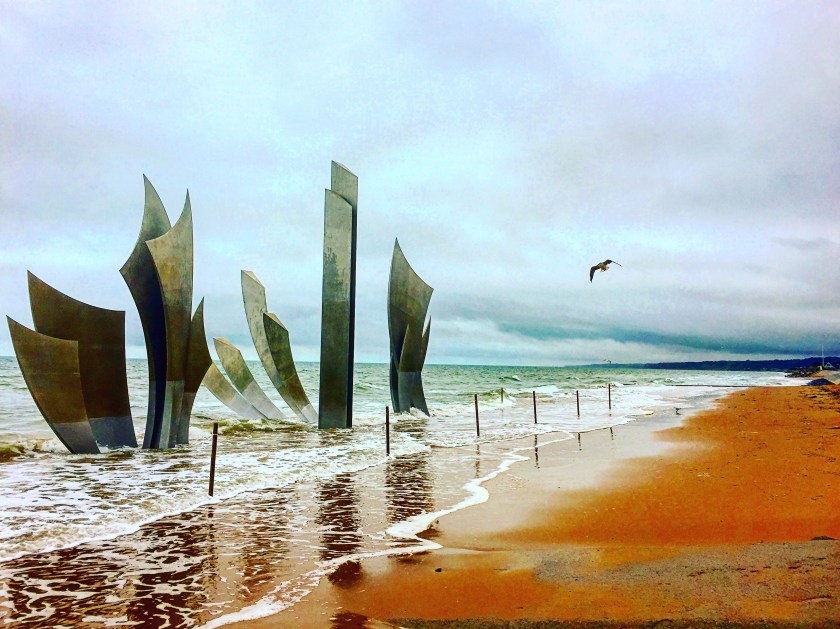
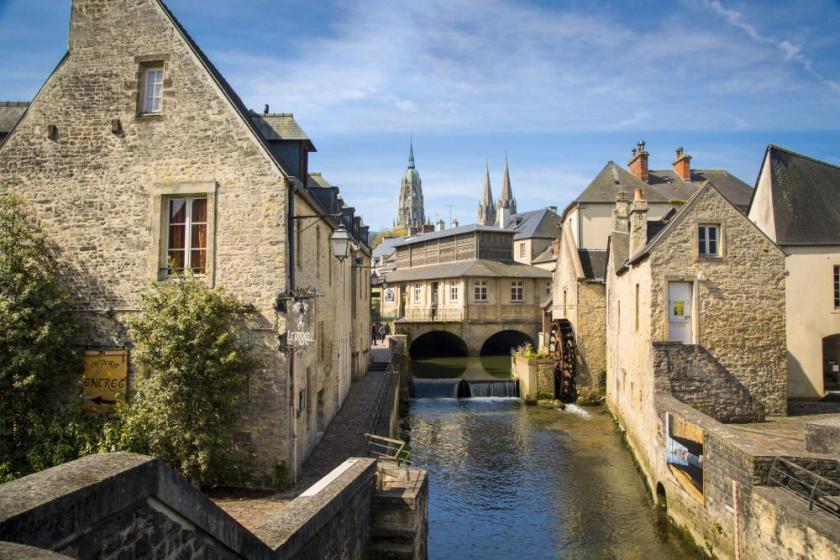


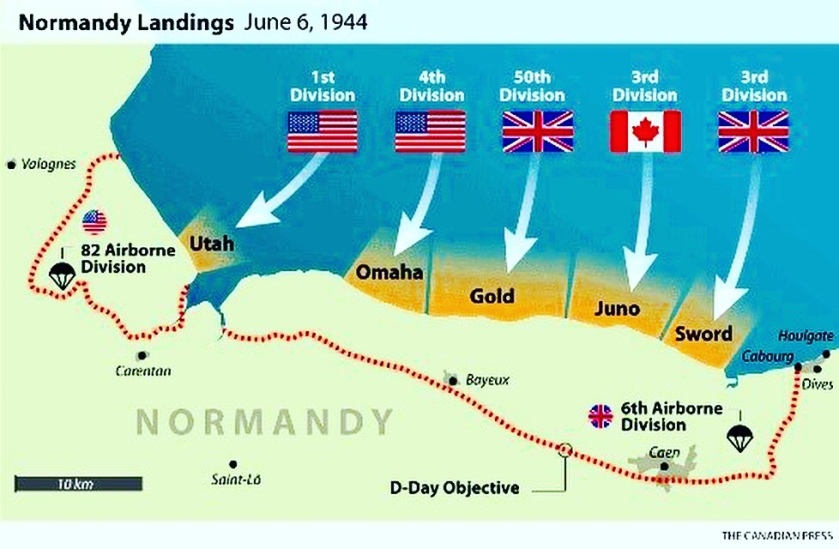
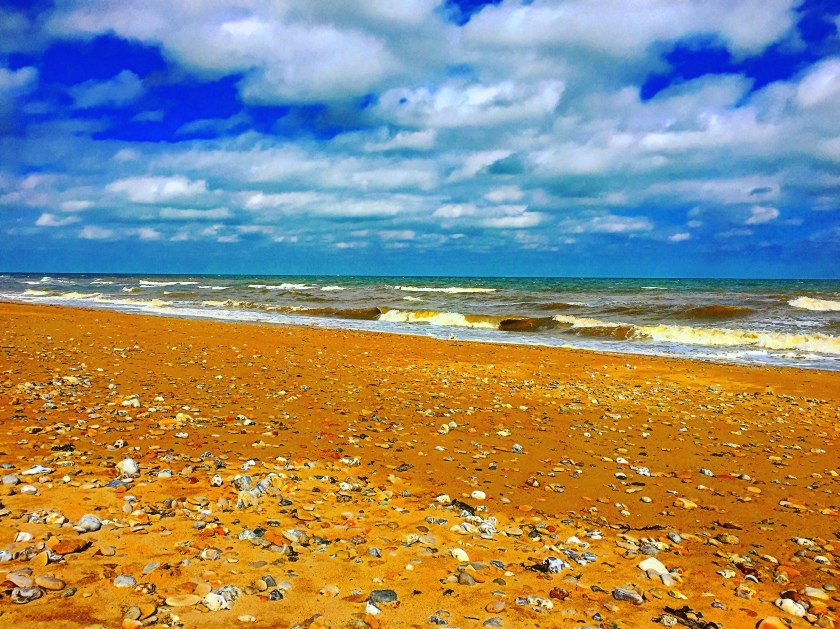
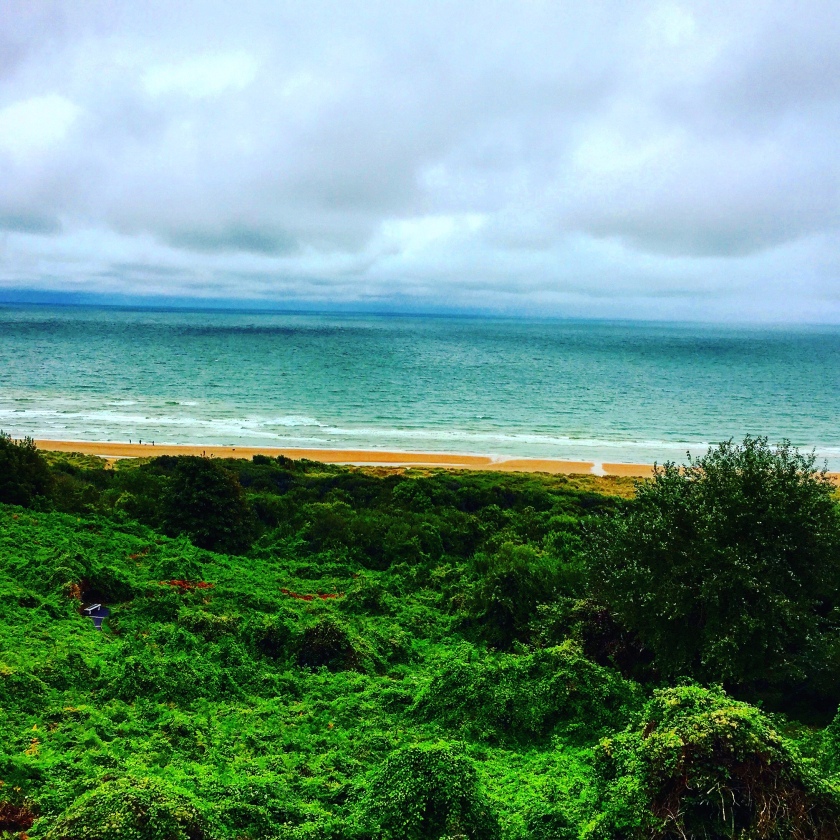


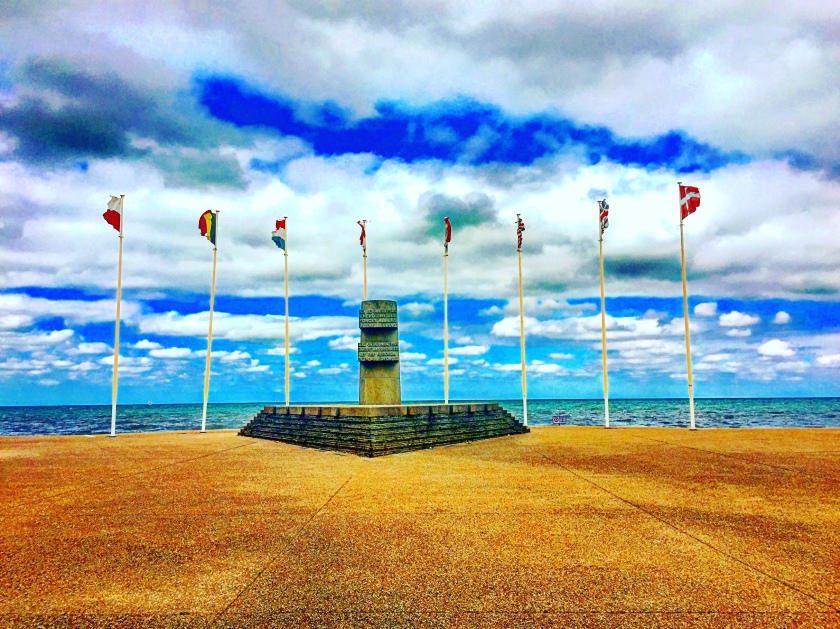


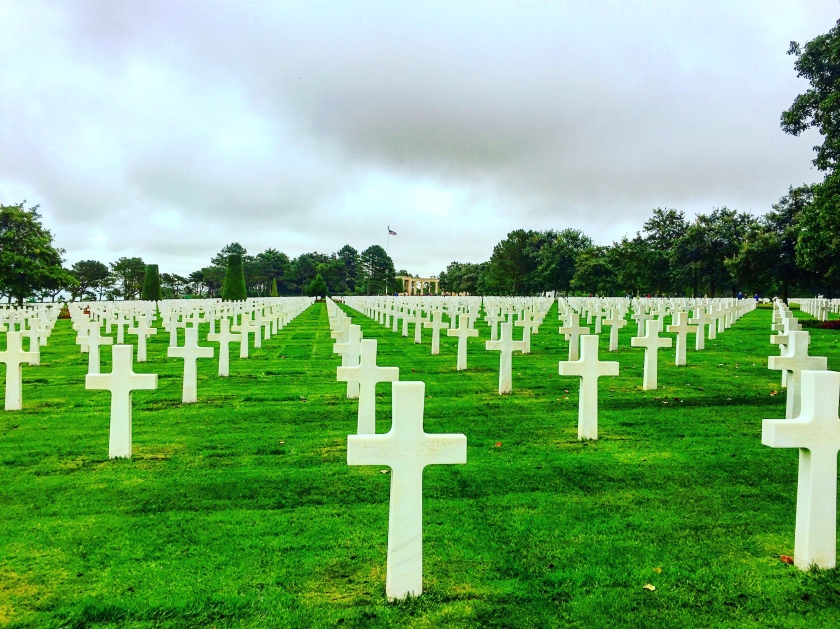


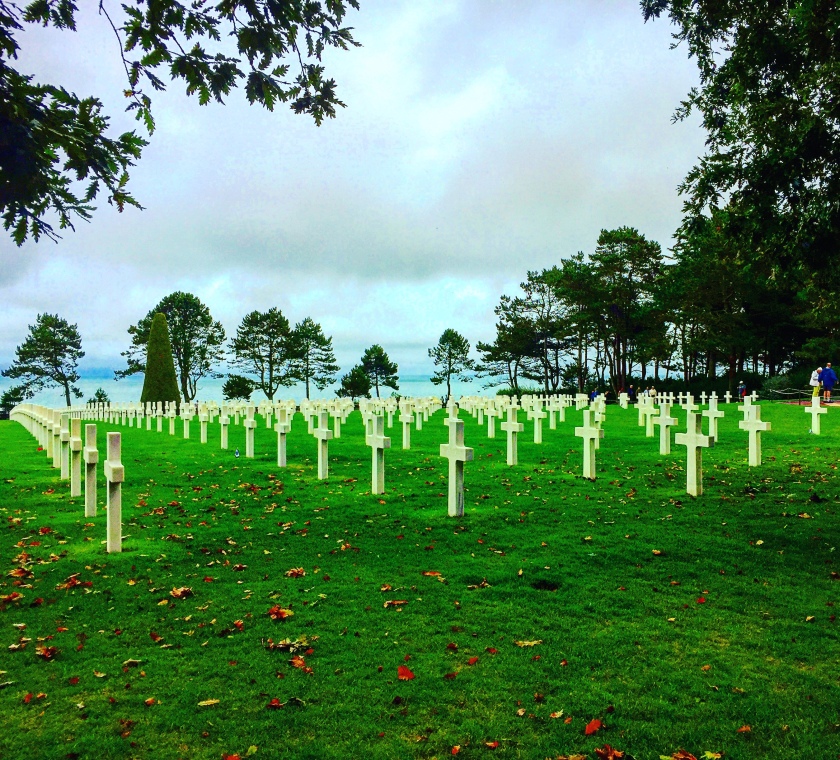
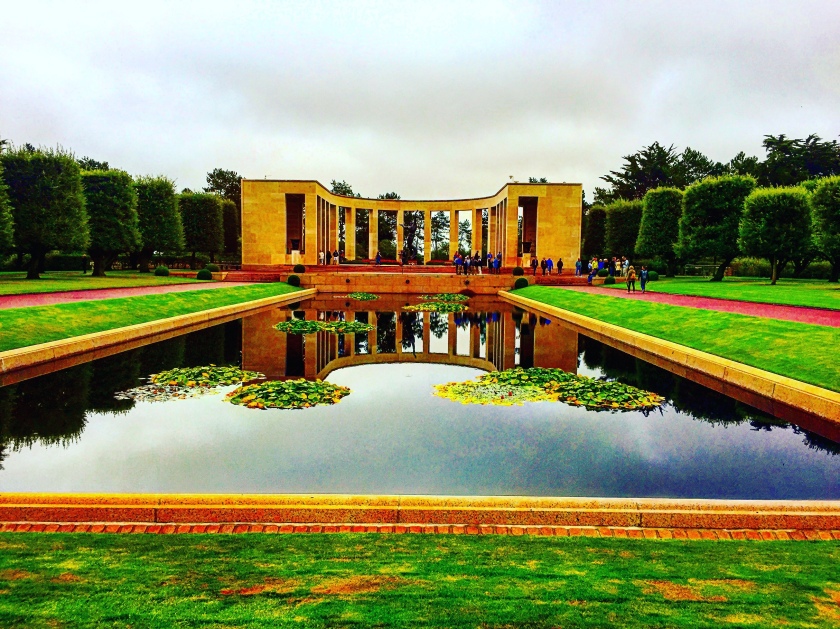
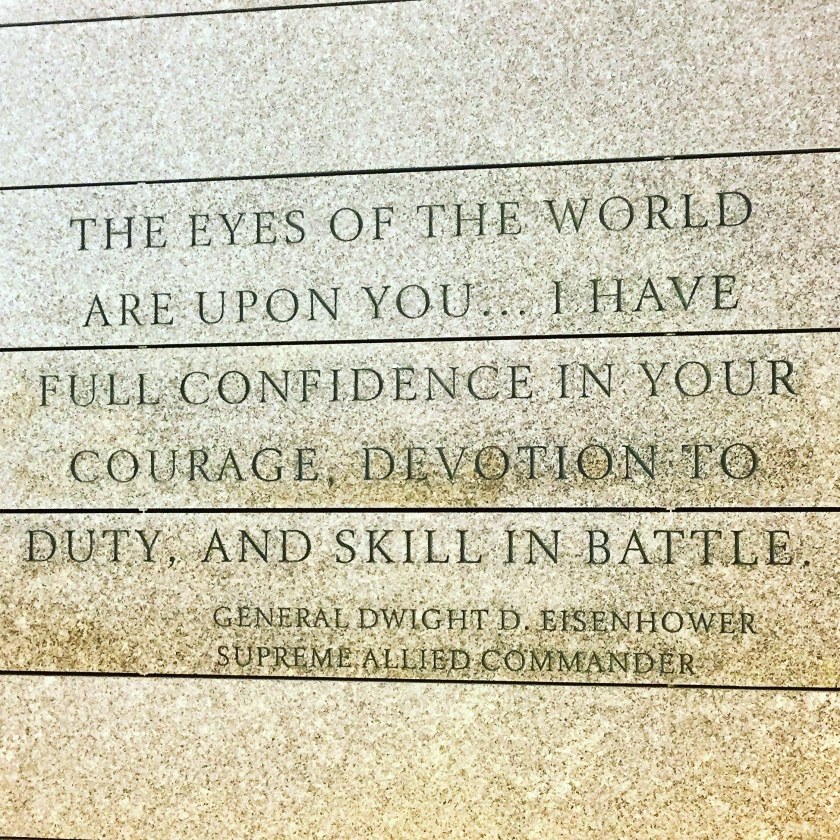


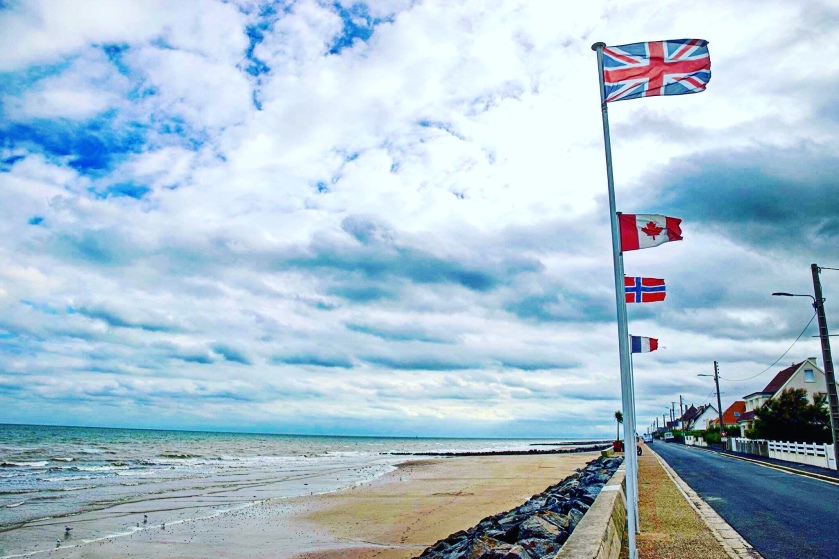


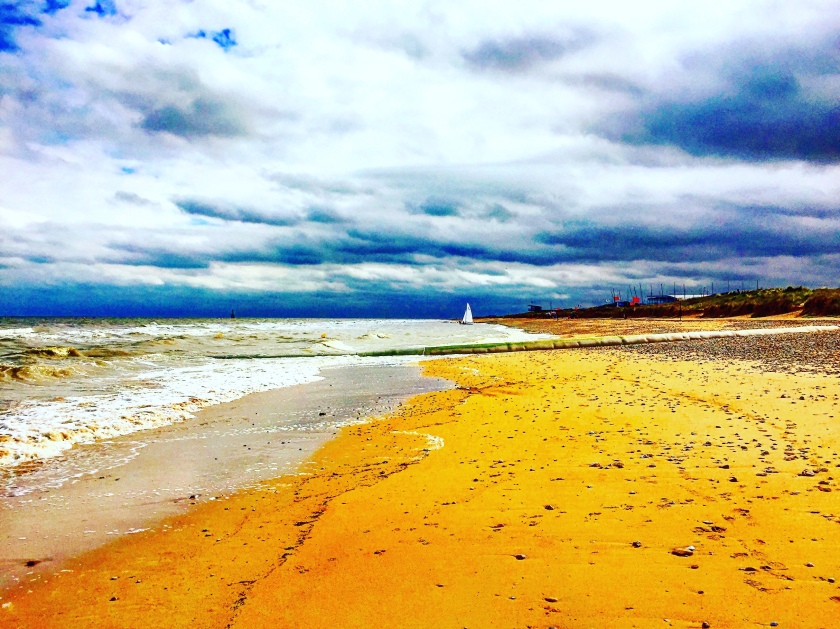


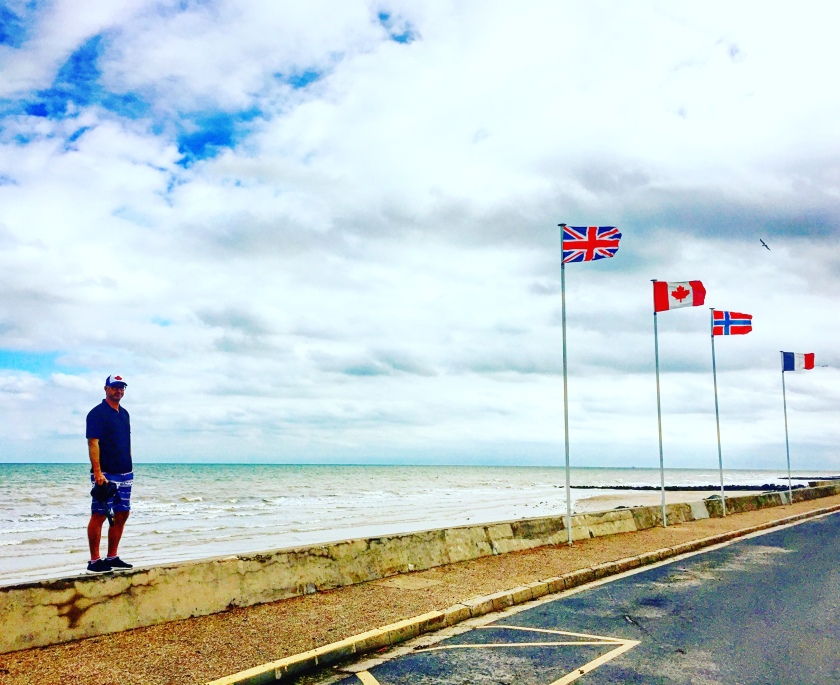
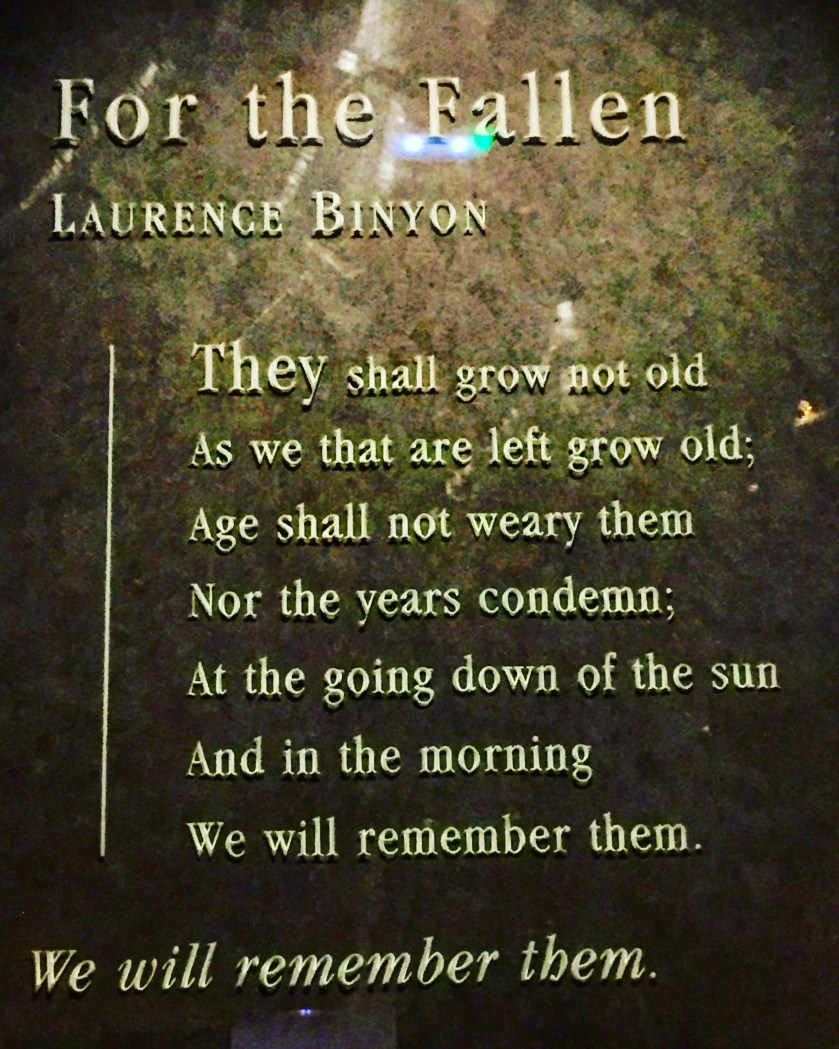
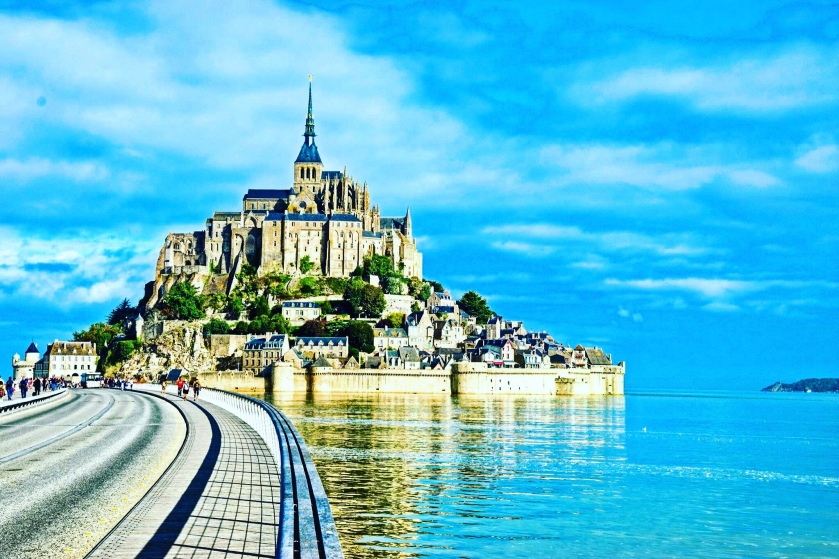


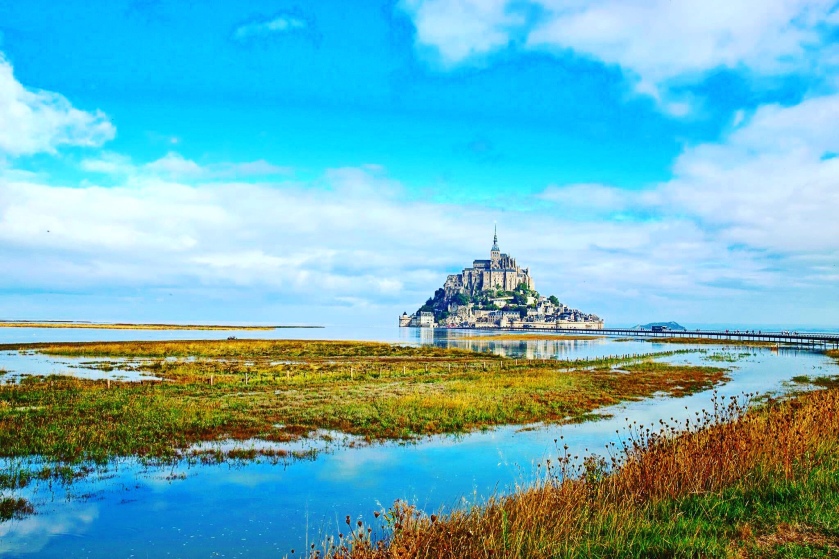


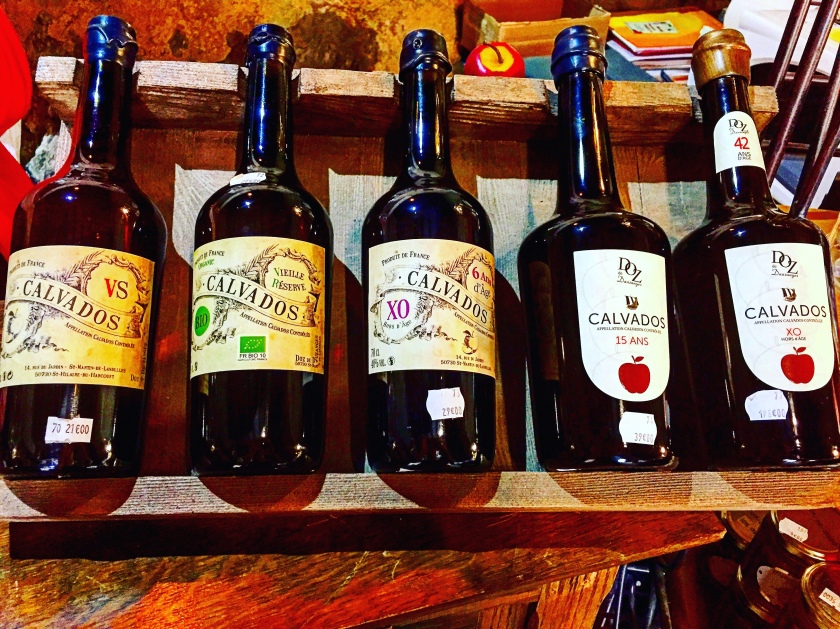
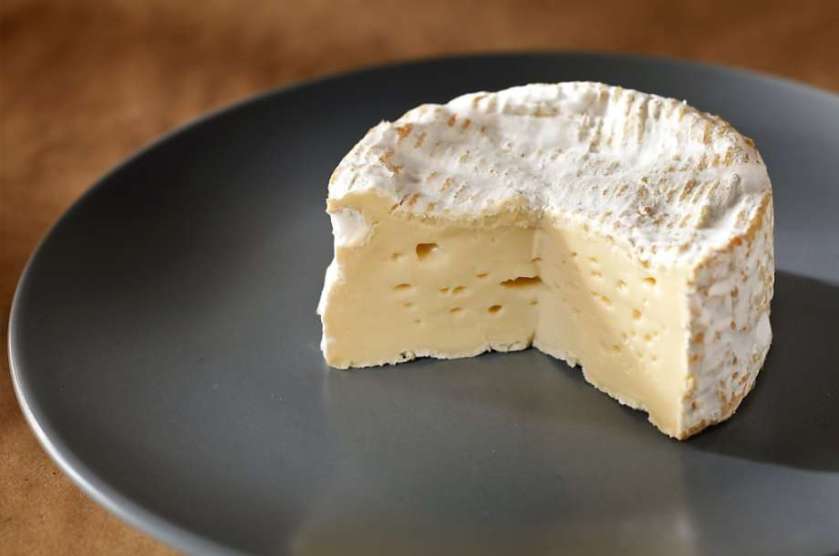


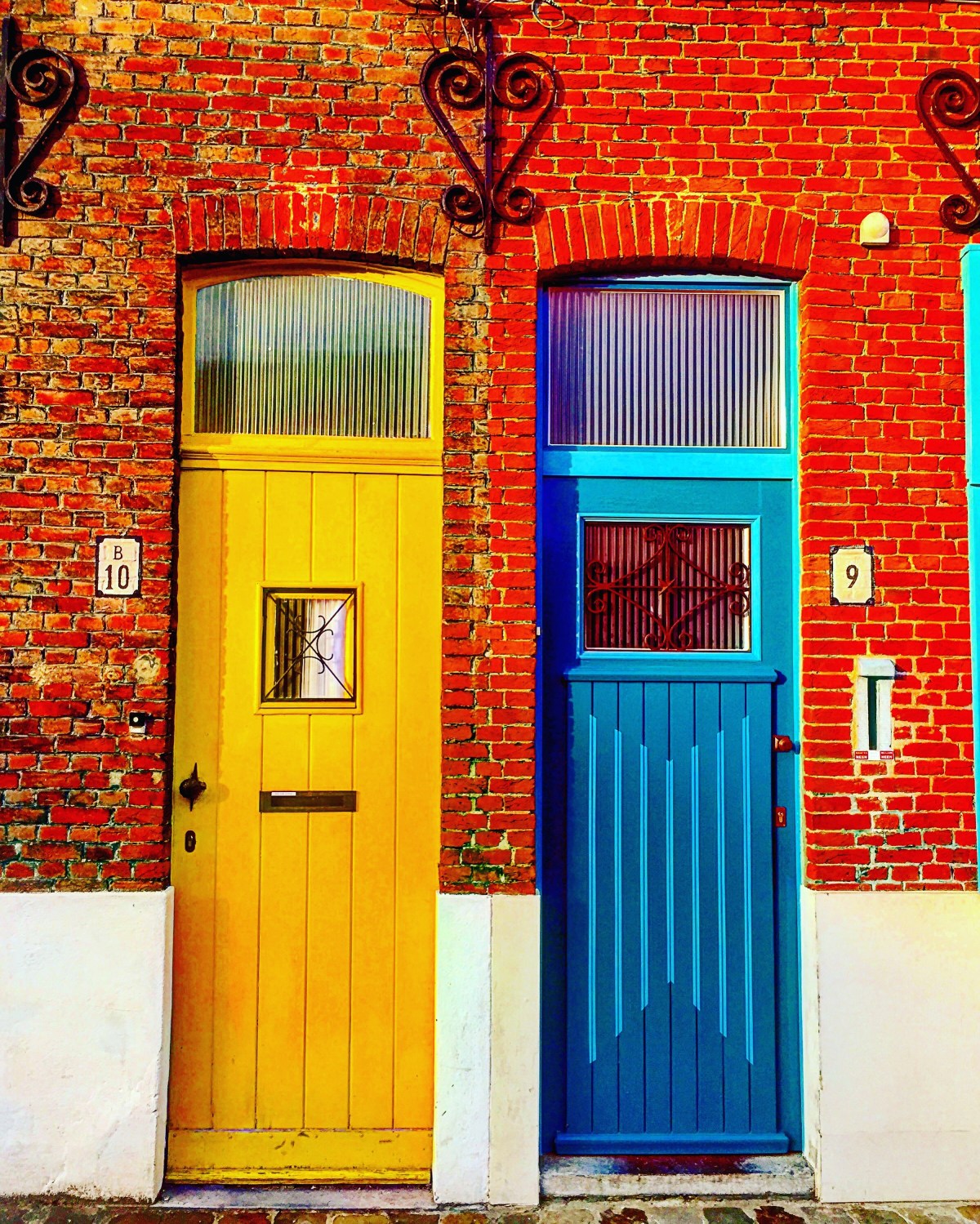


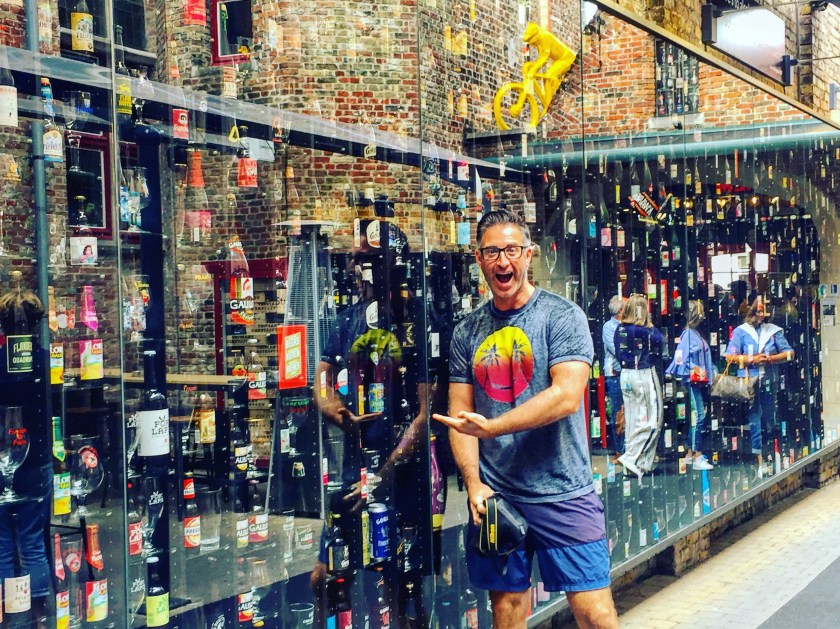


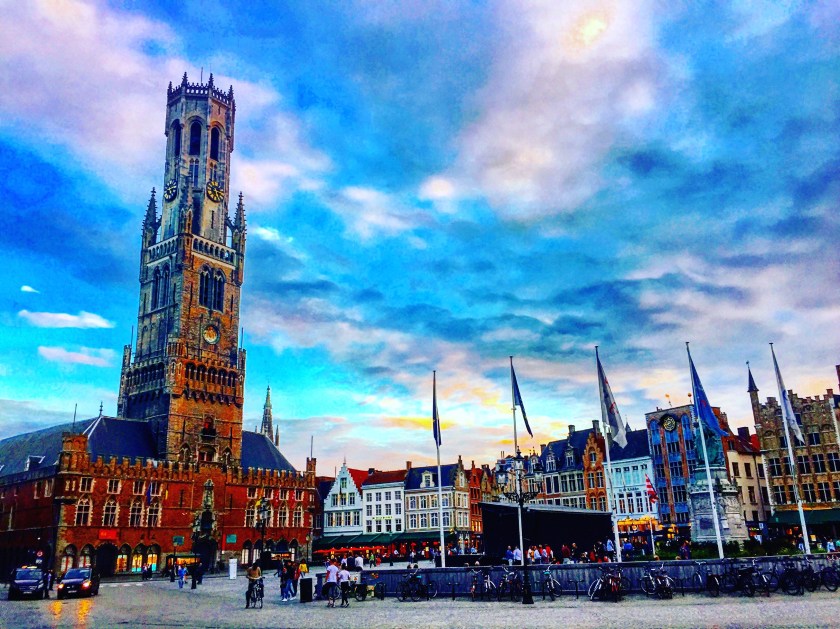


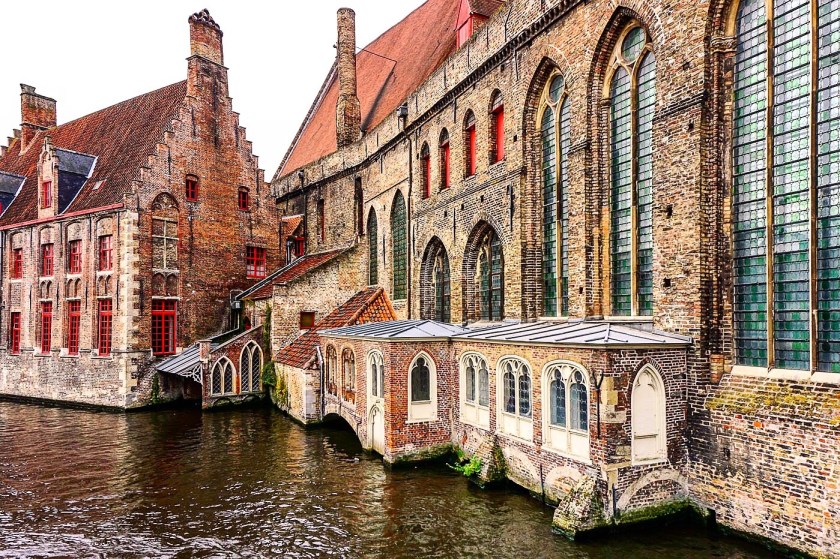
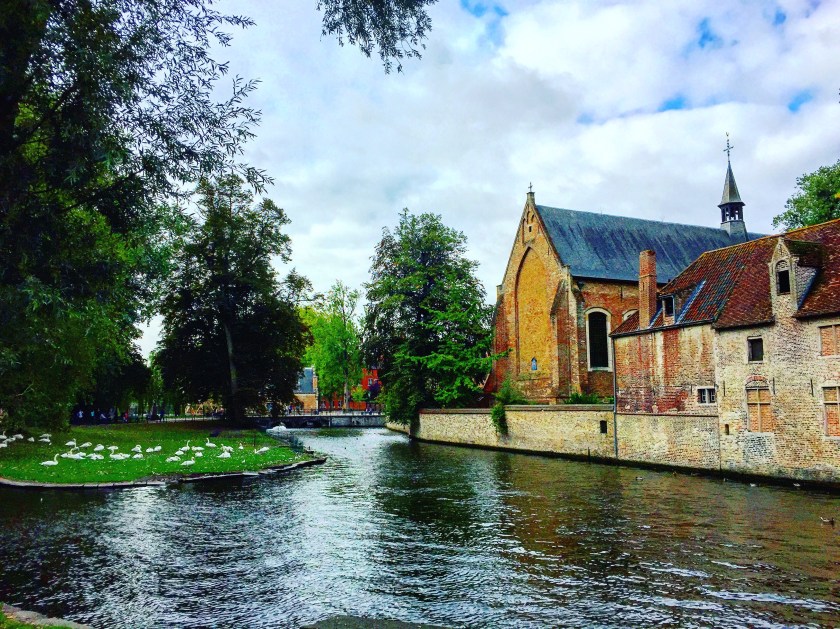


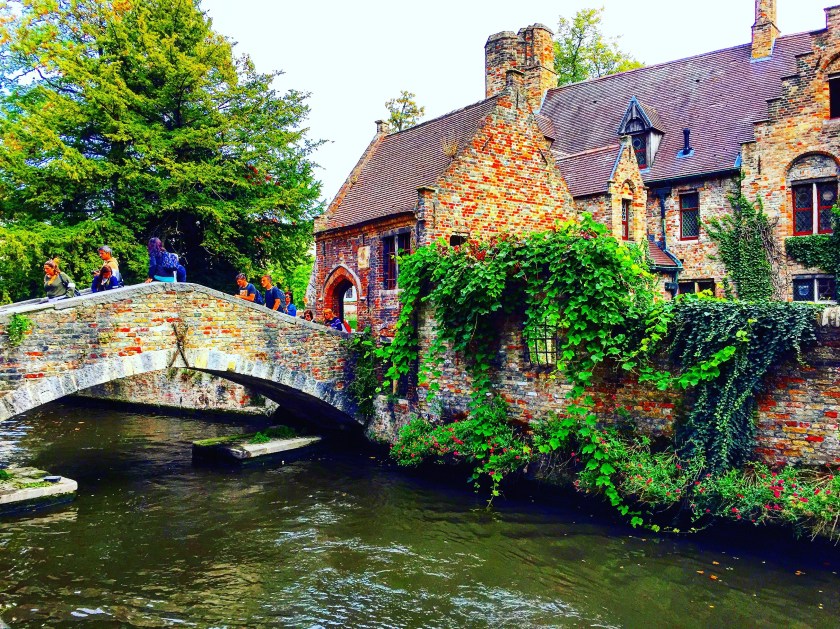


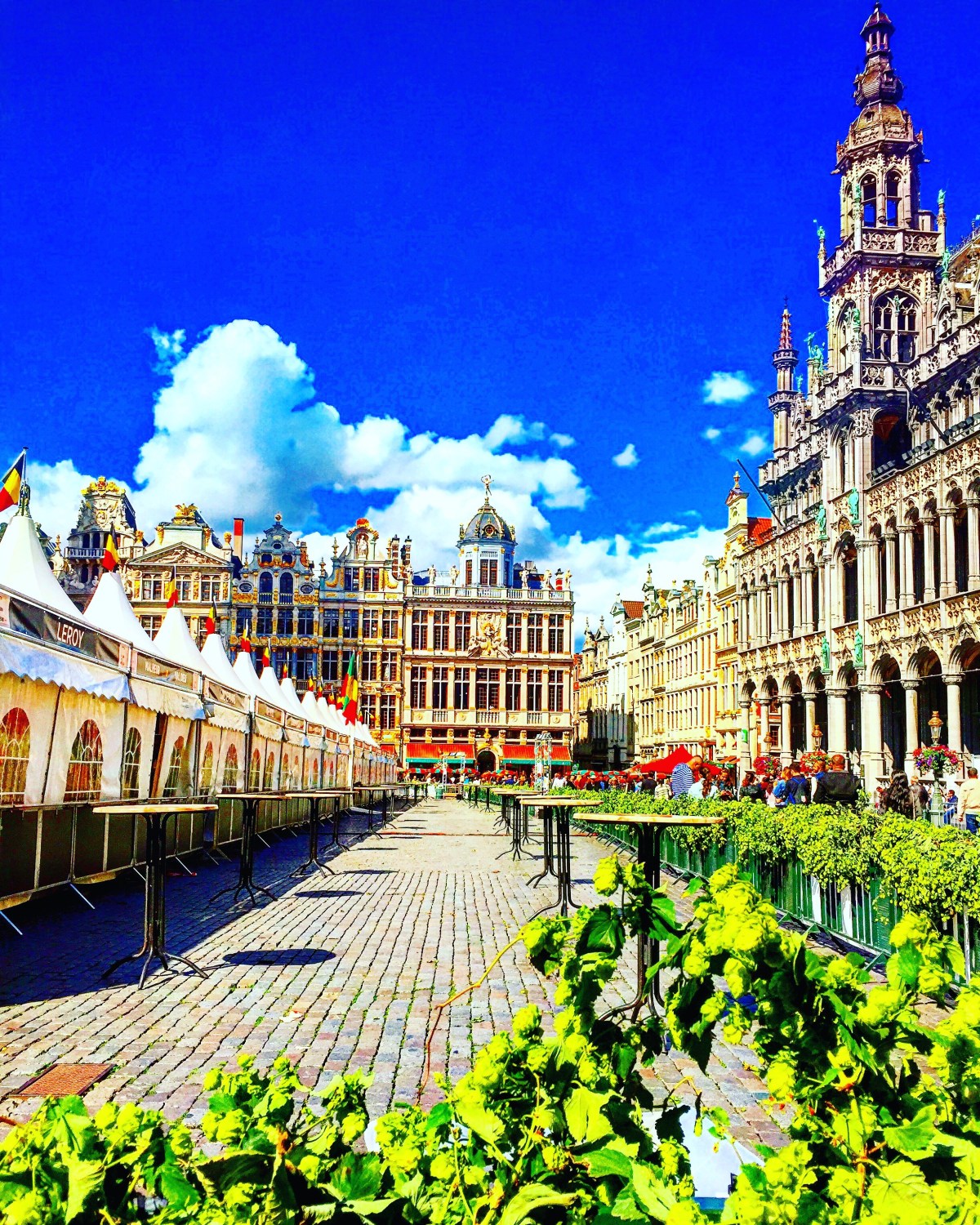
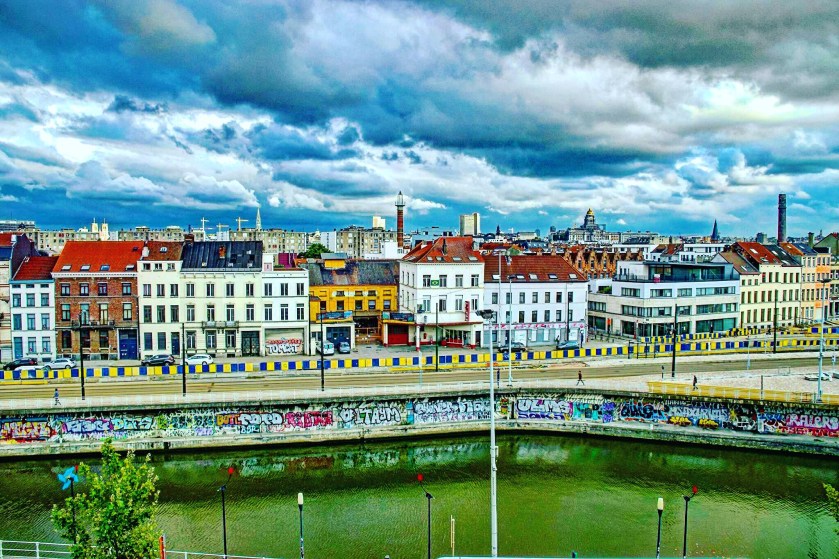


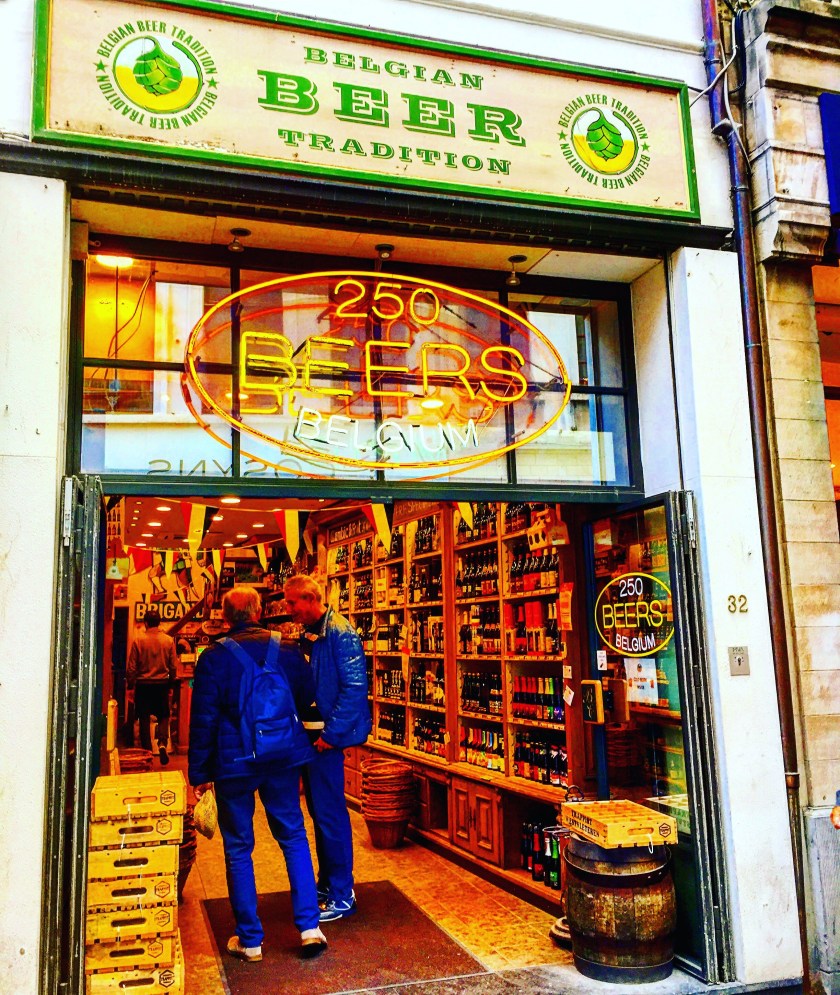


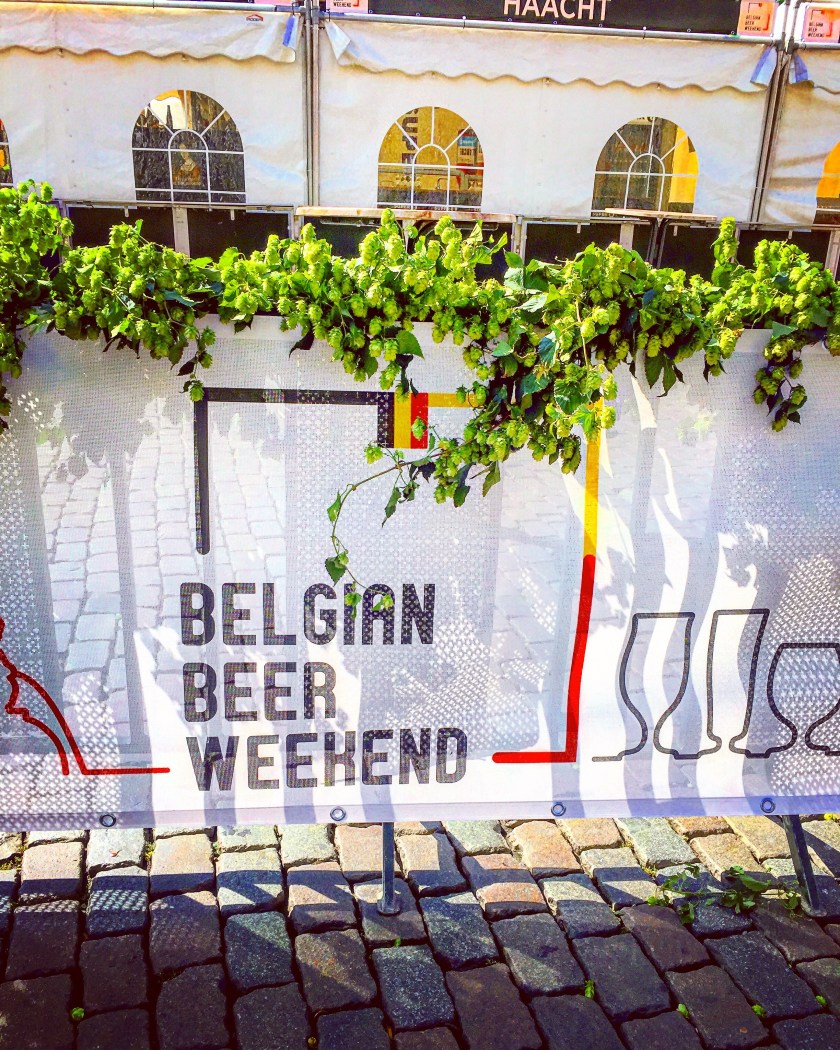
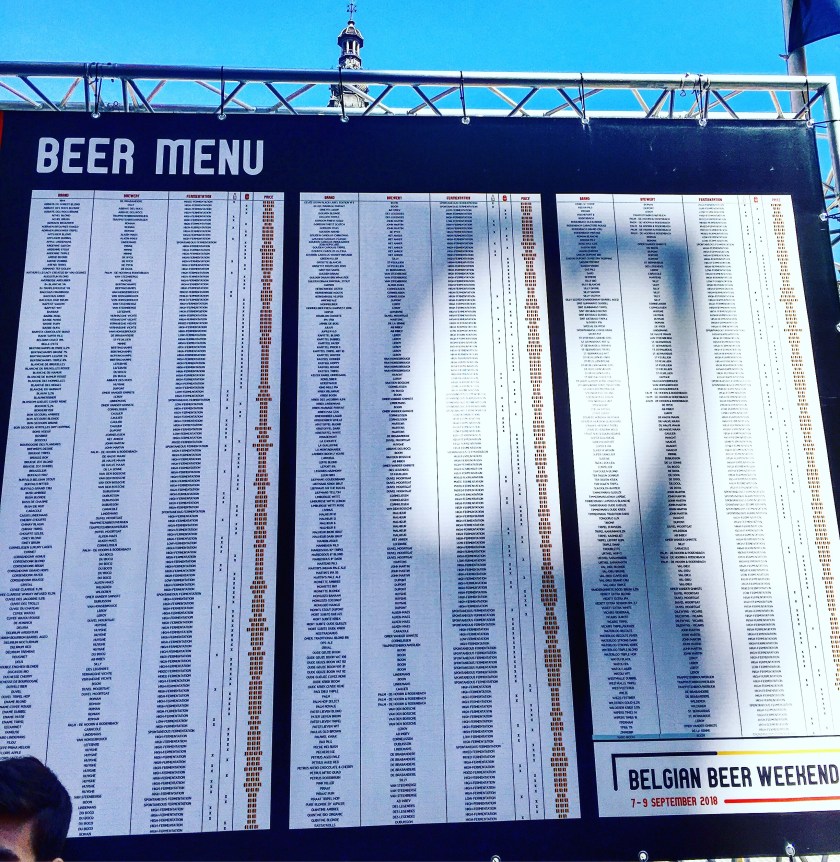


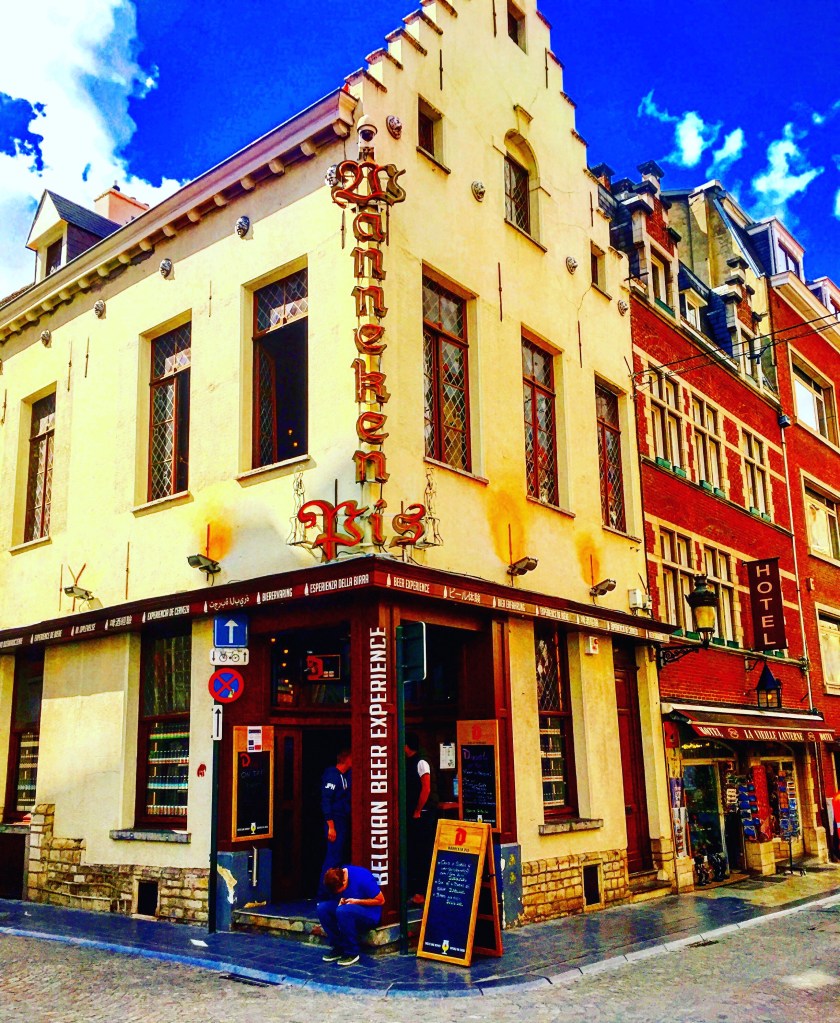

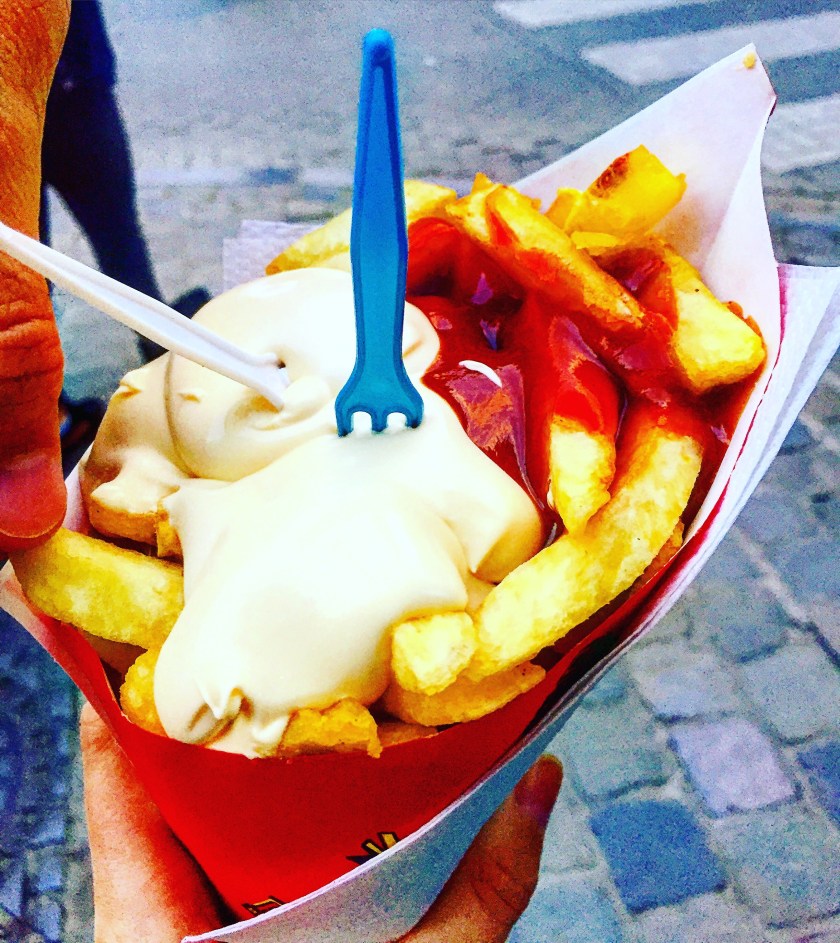


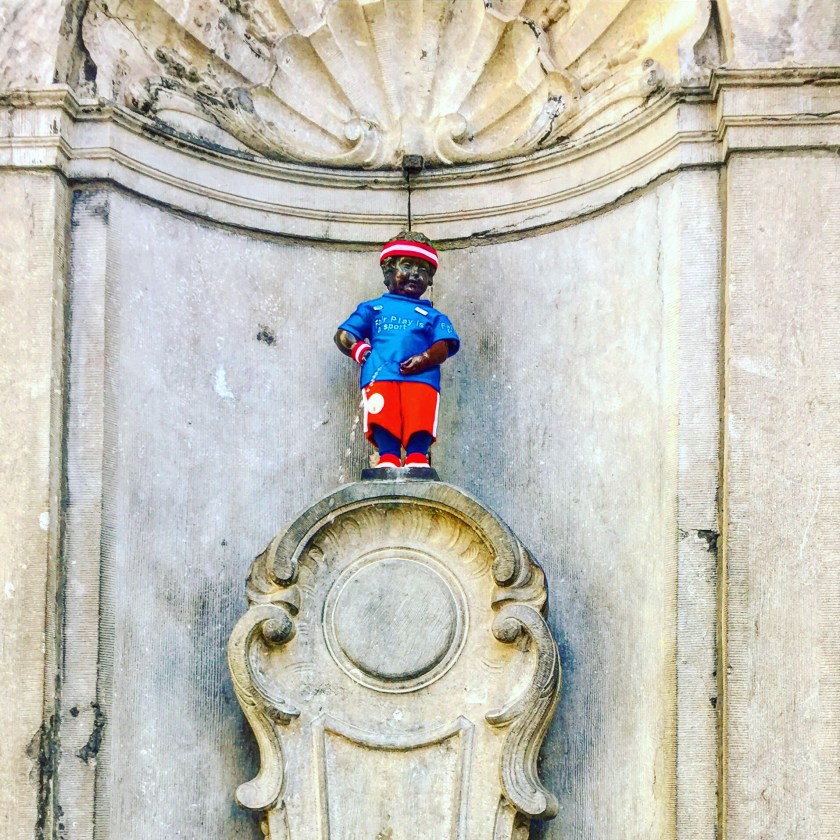


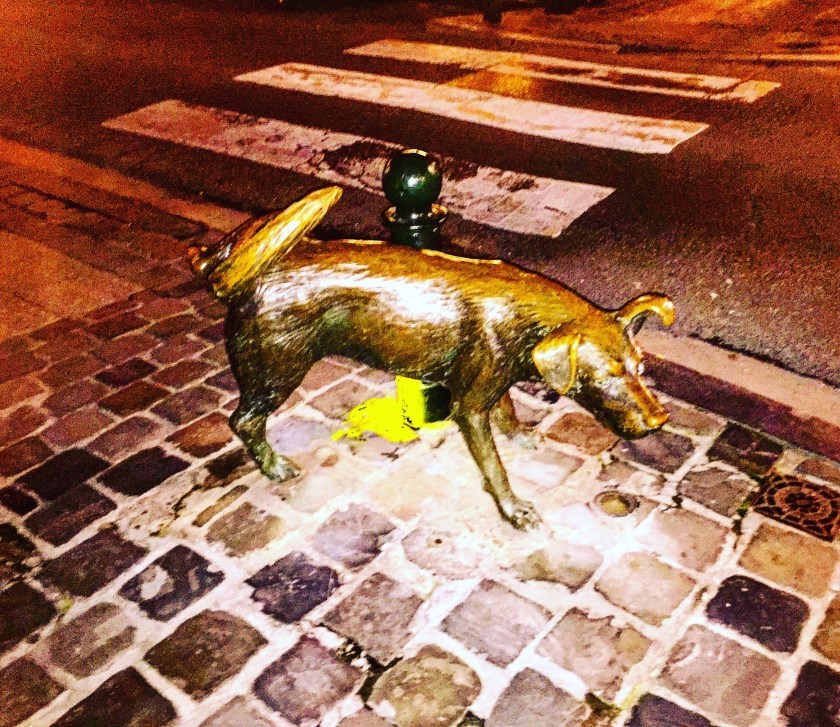
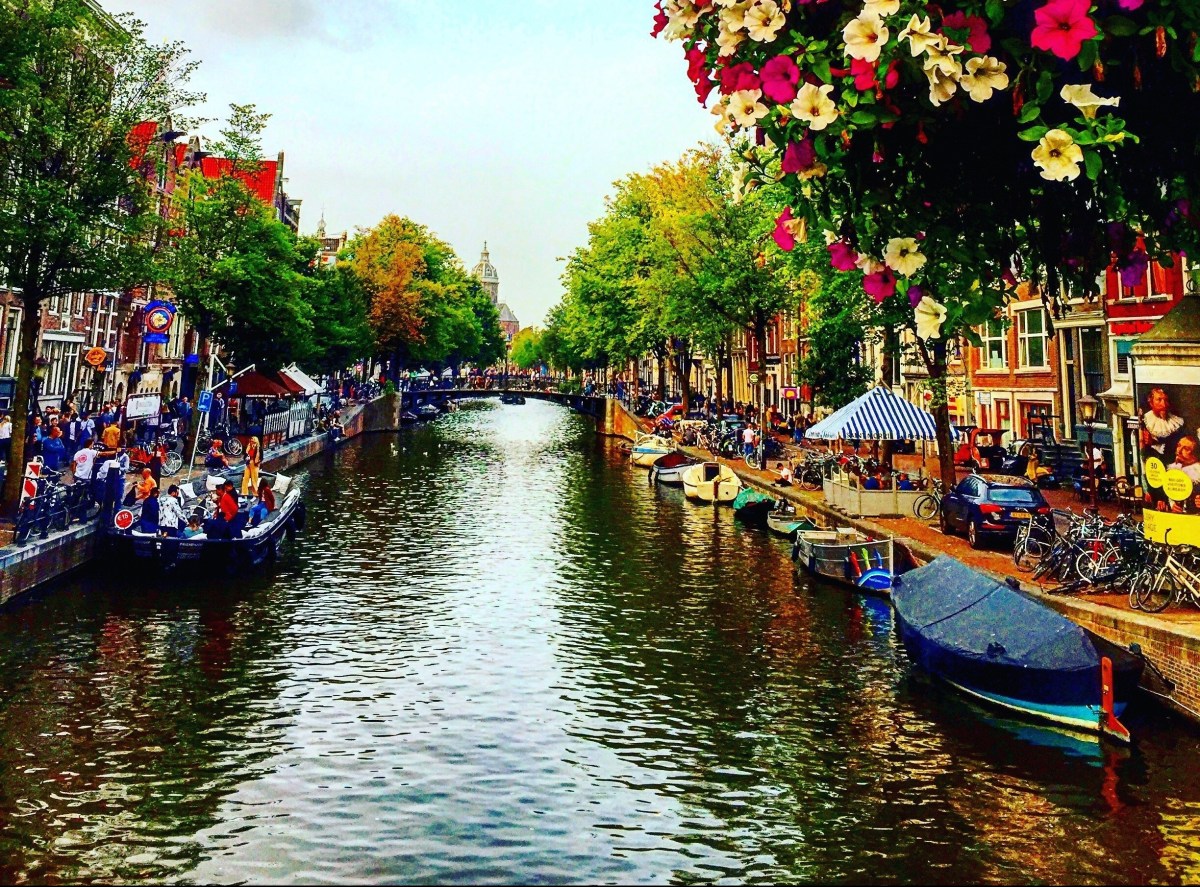


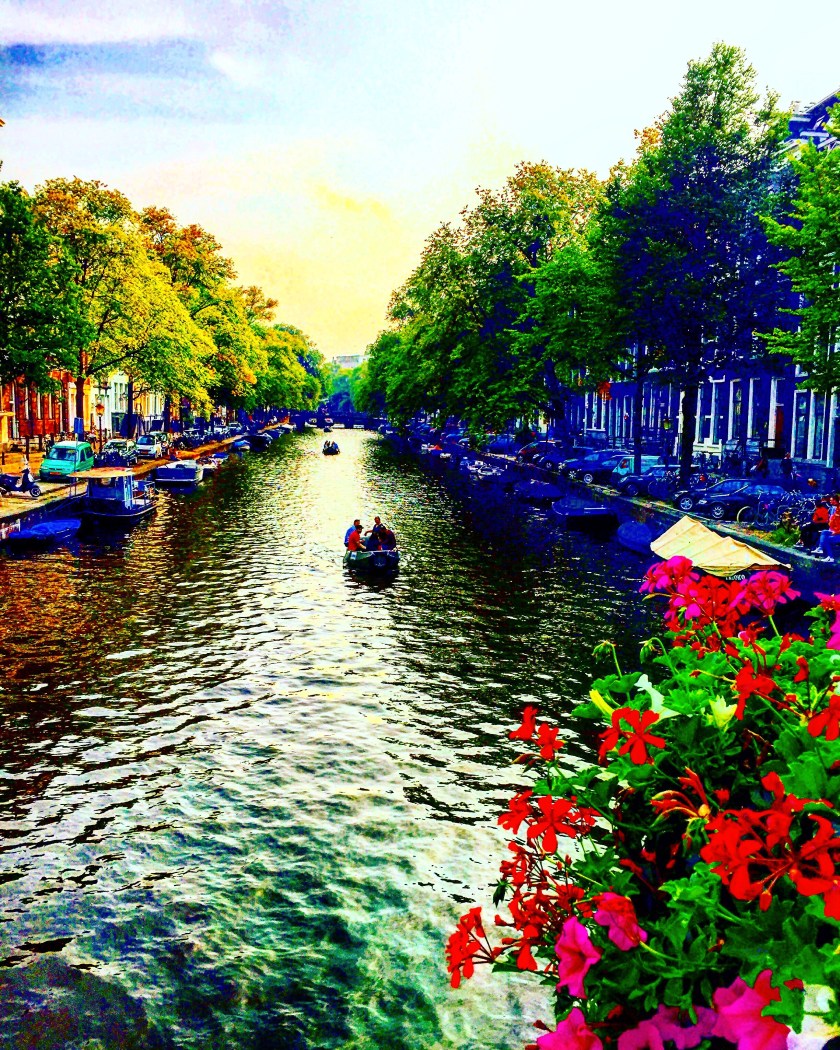
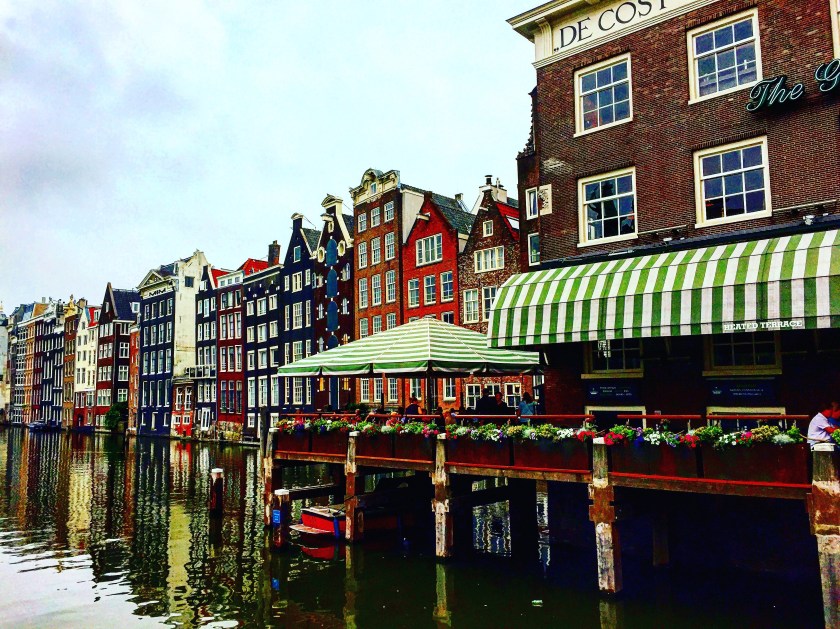


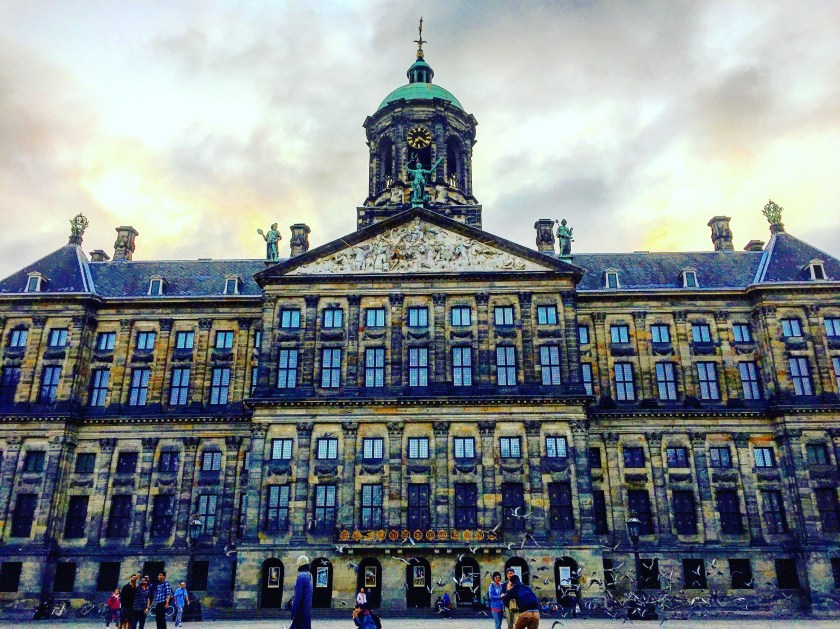

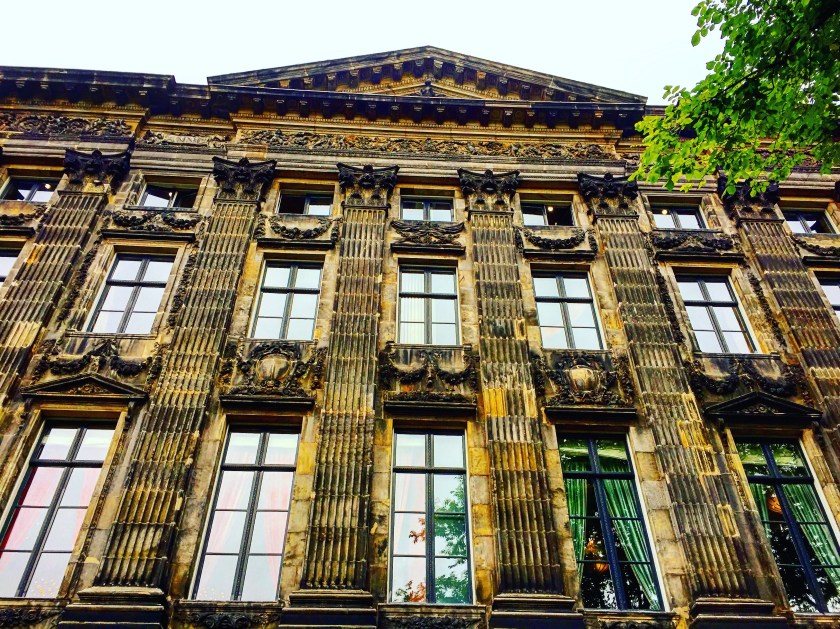


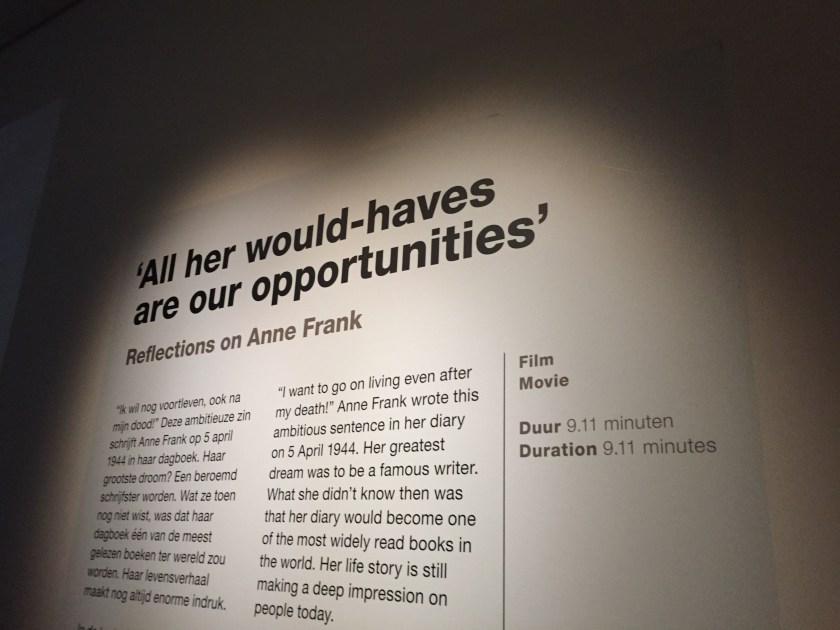


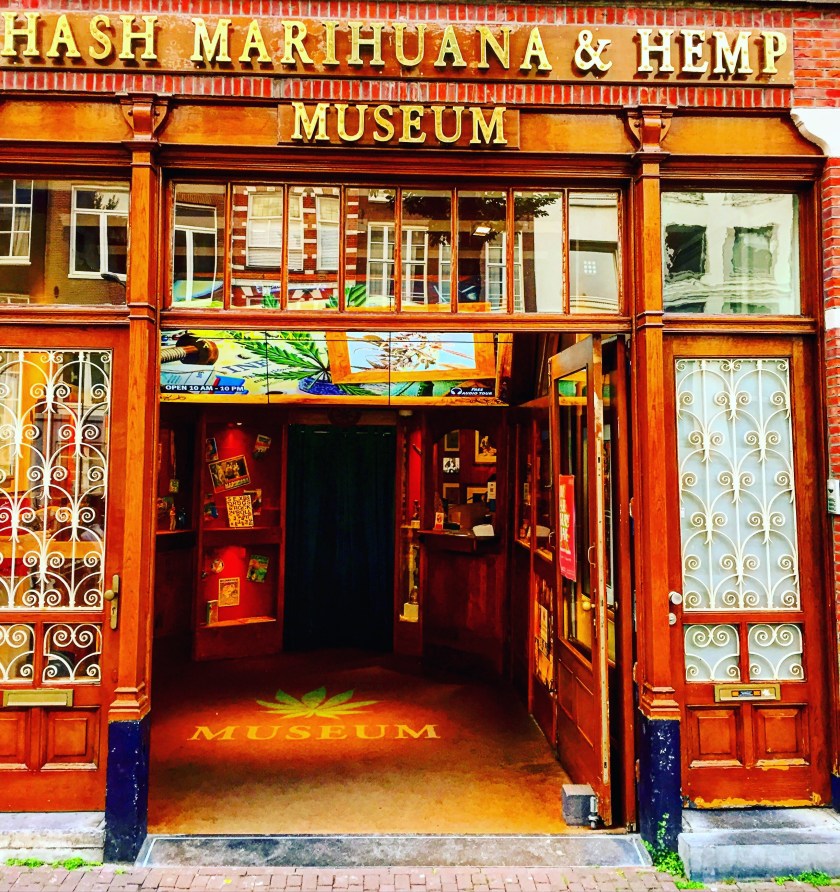


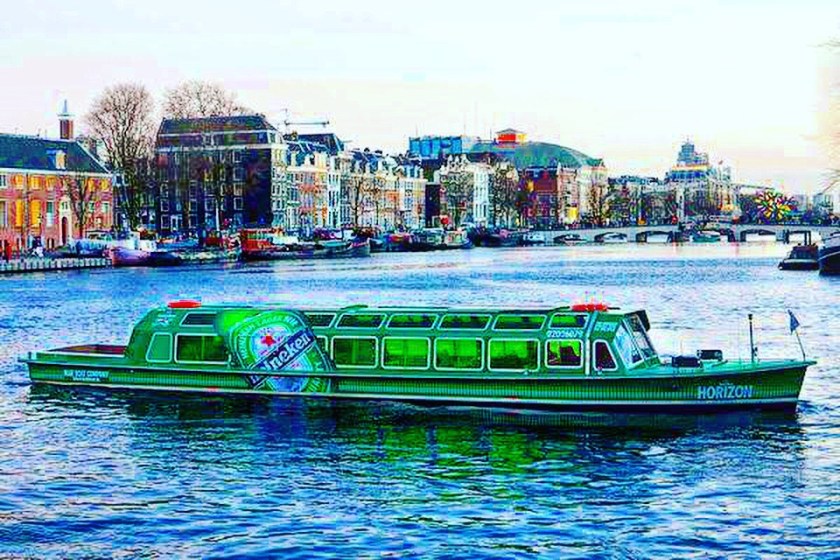
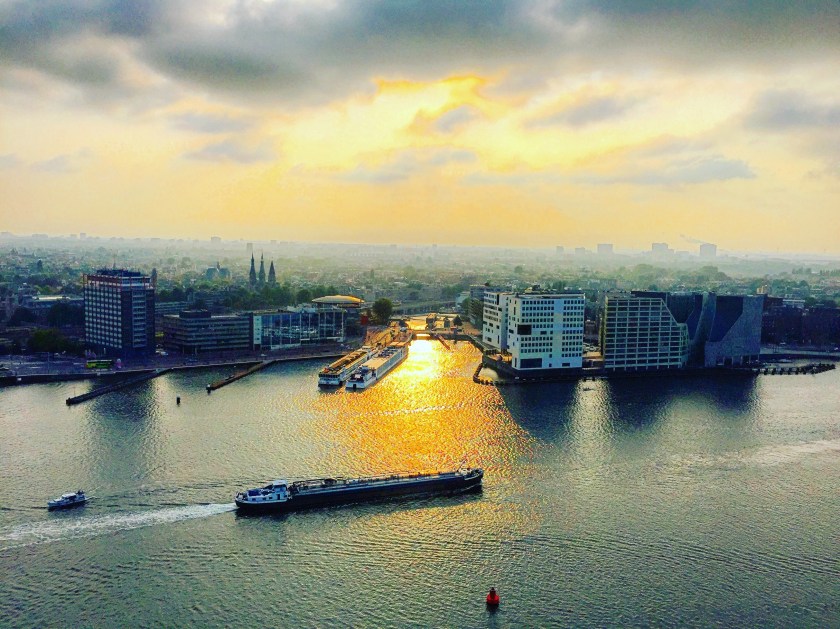


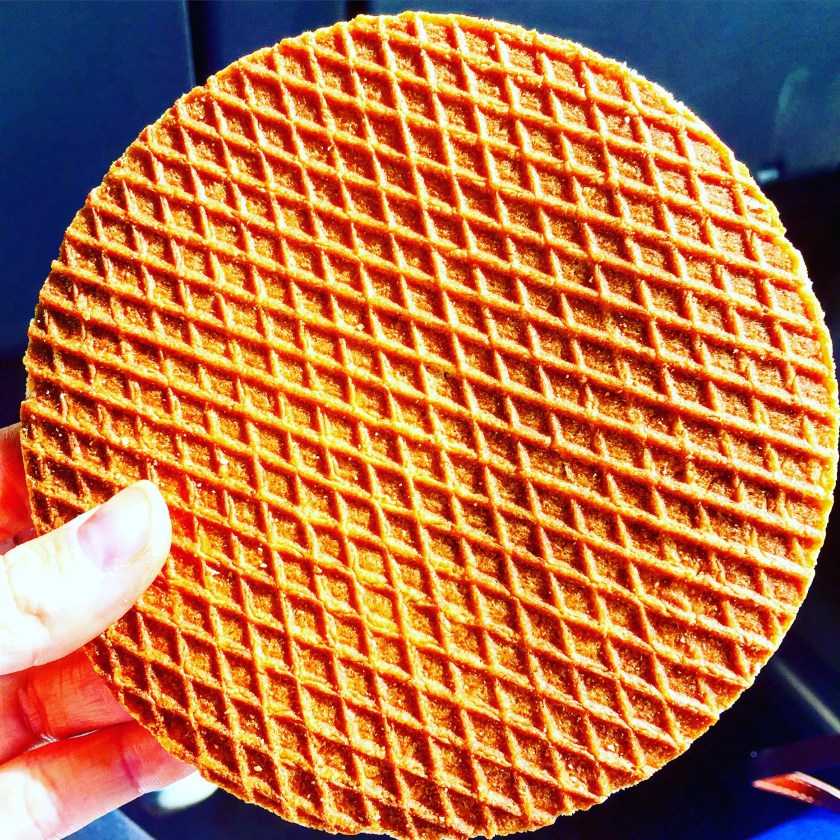


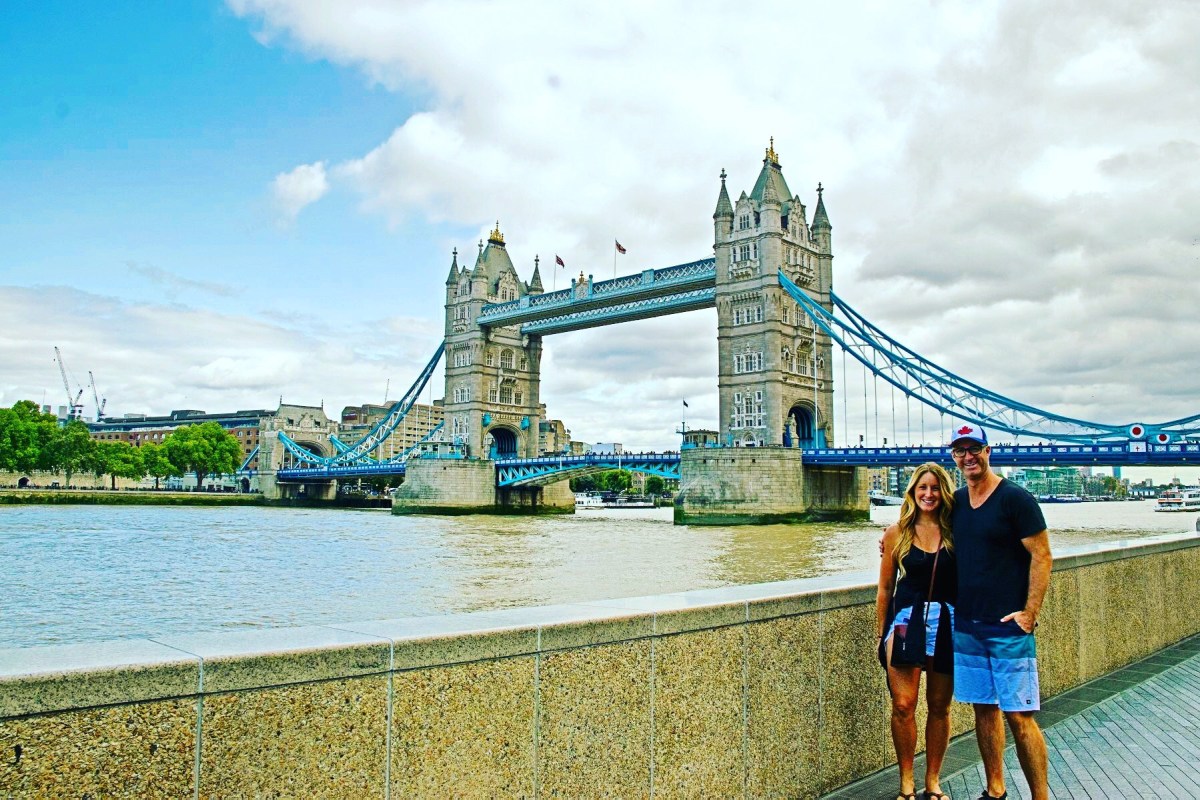


 These were the actual bunkers that Winston Churchill and his advisors used during WWII to protect them from the bombings.





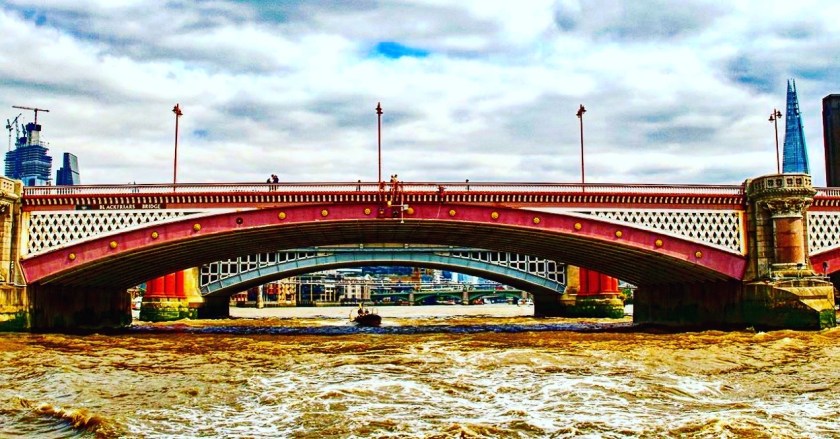

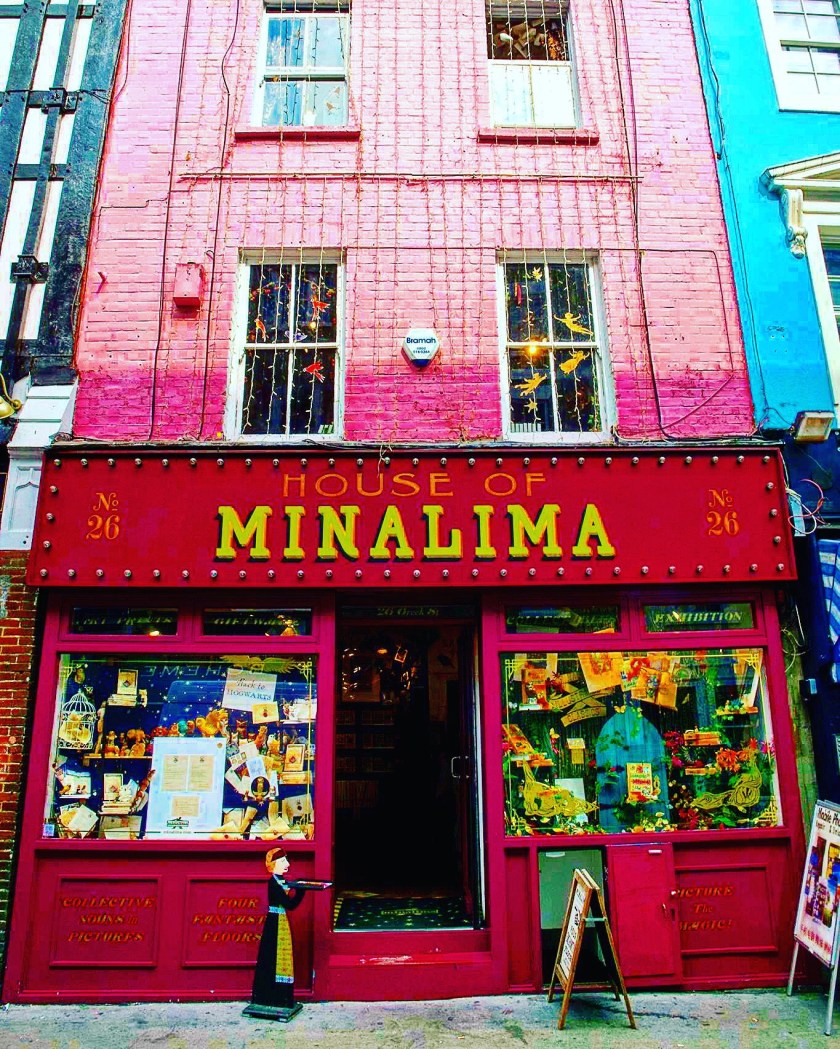
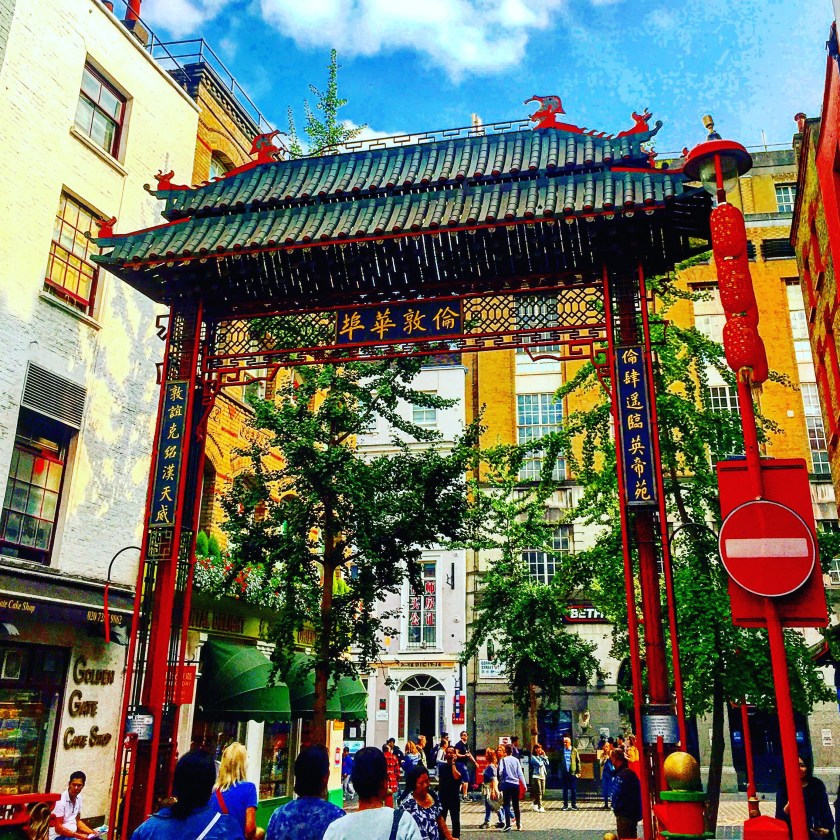














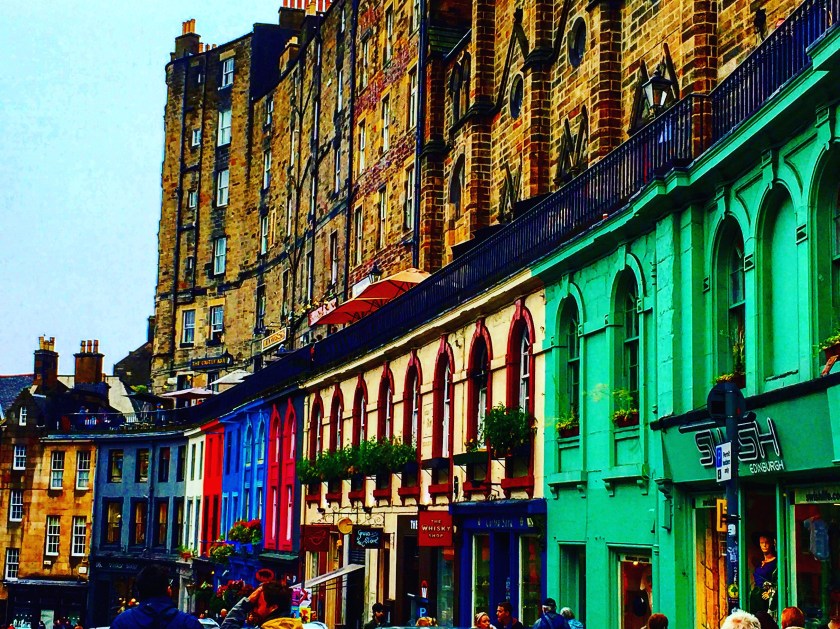


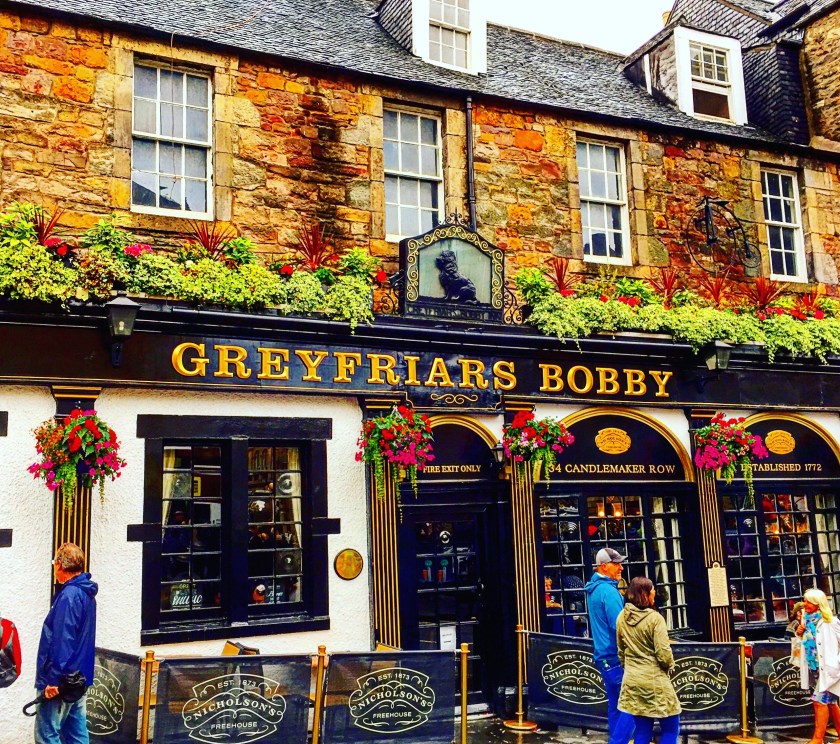
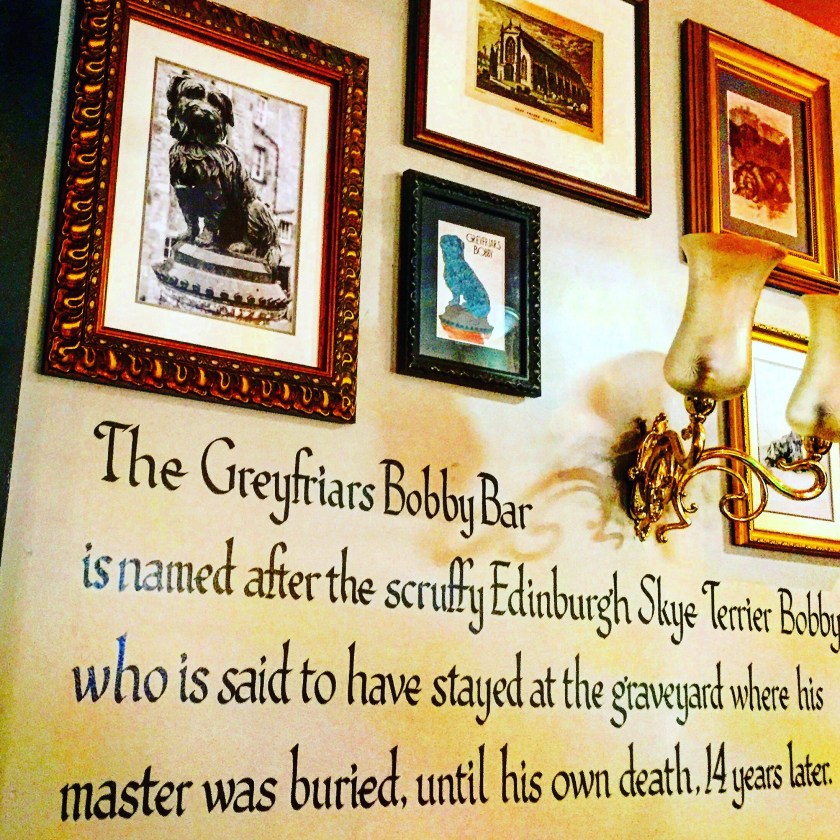


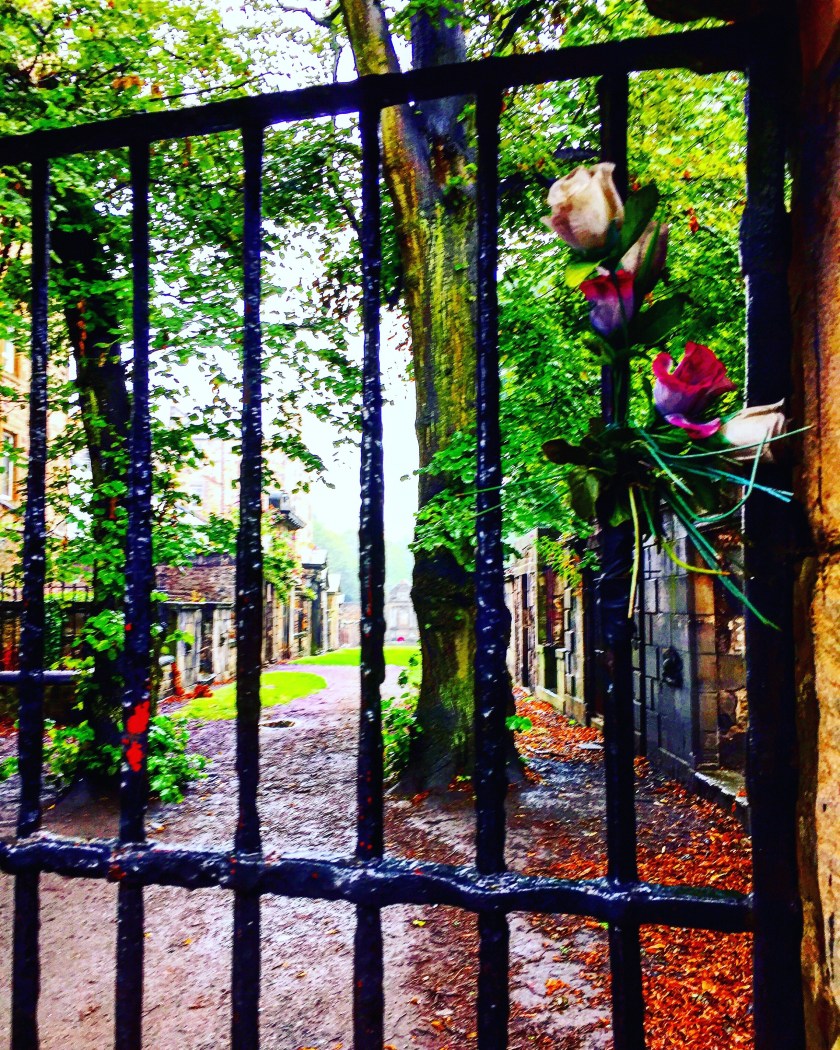








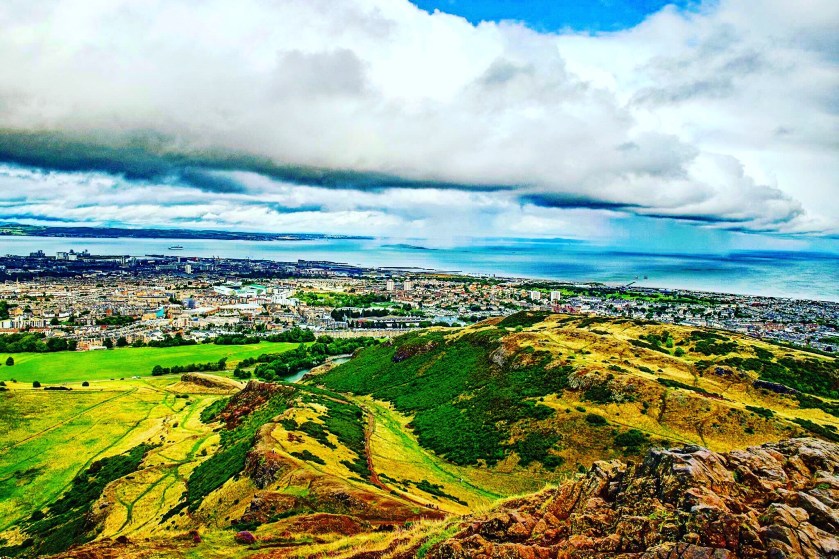


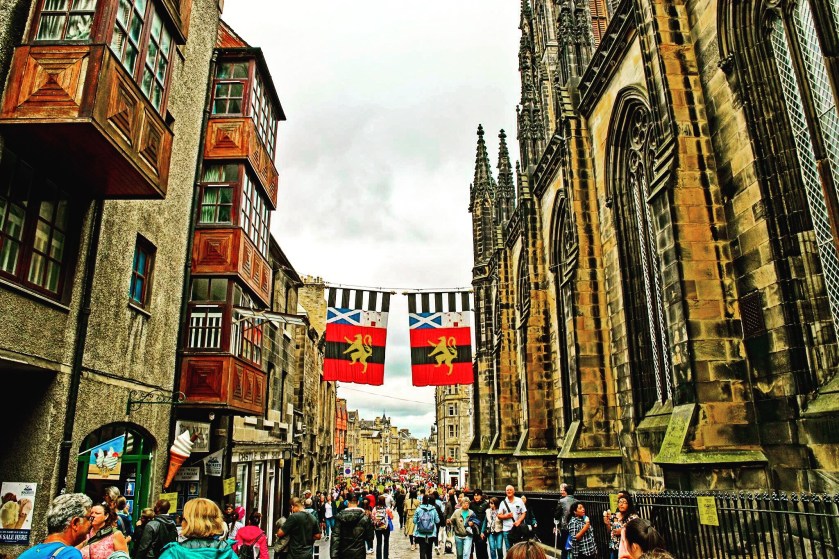


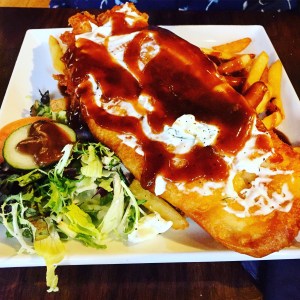

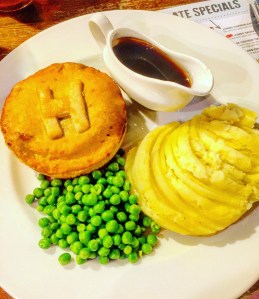


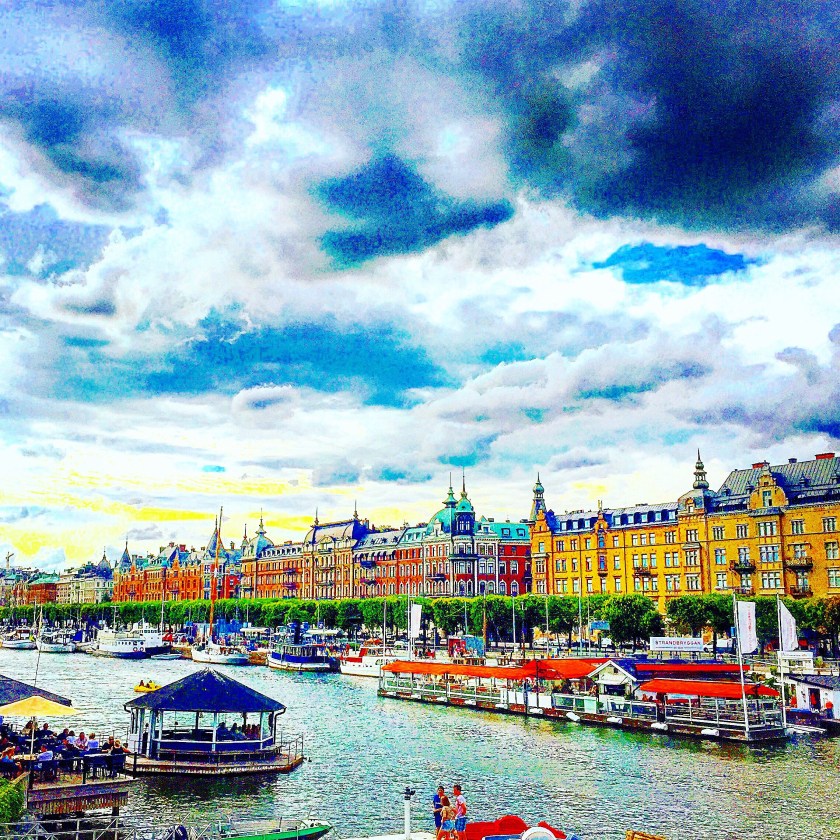

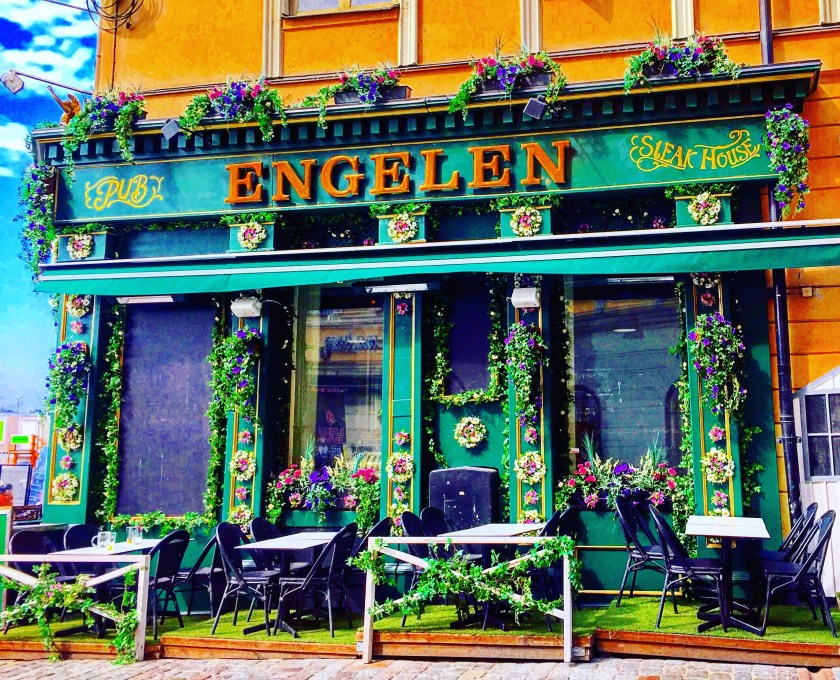
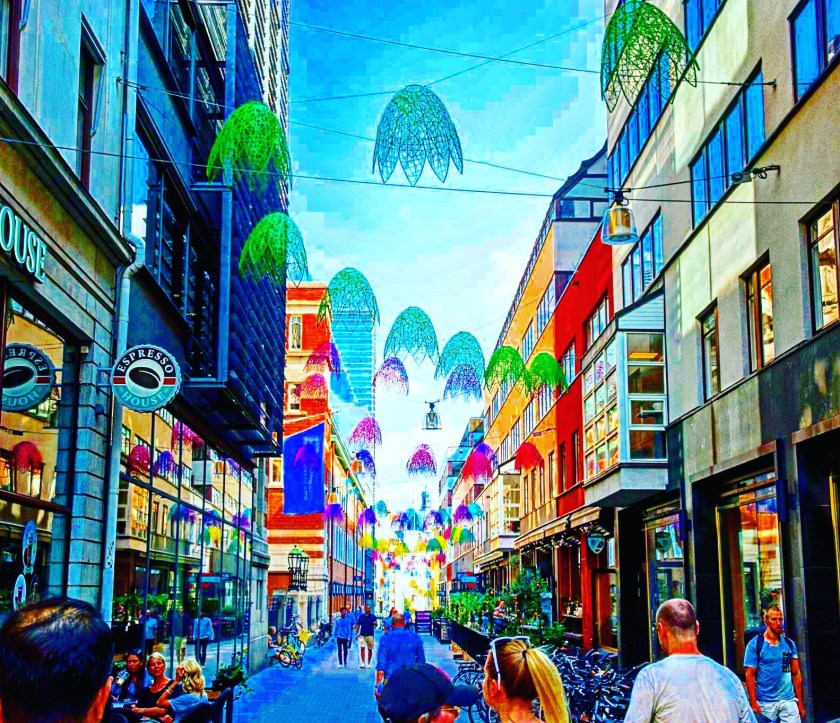

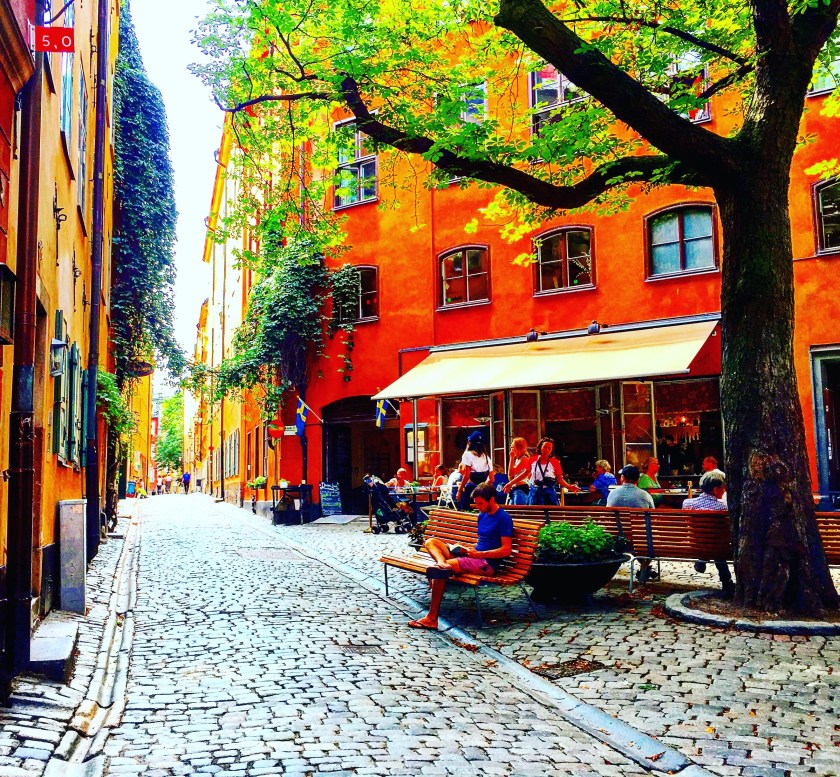
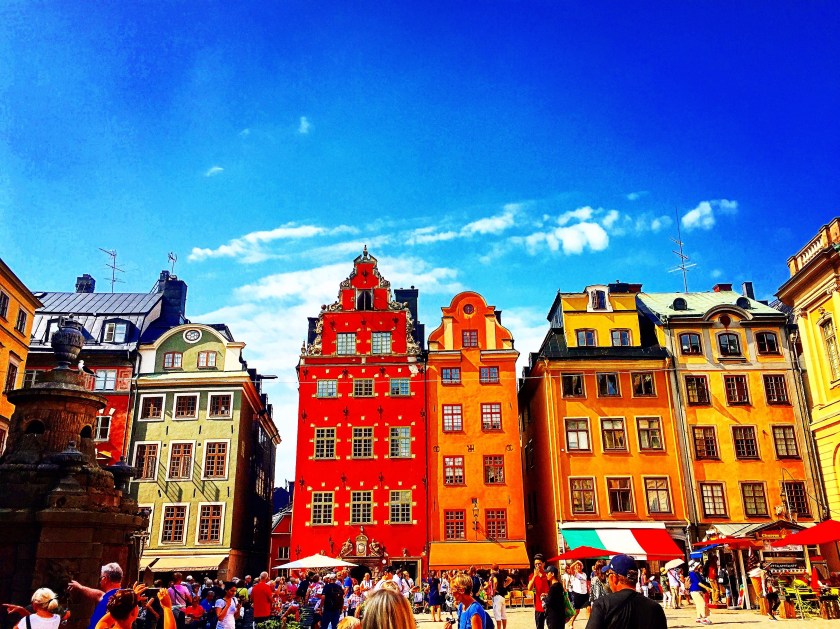


 One of the islands is referred to as Museum Island, or Djurgården, and is where most of the museums are housed. There are many different museums to pick from. We ended up choosing the Vasa Museum and loved it!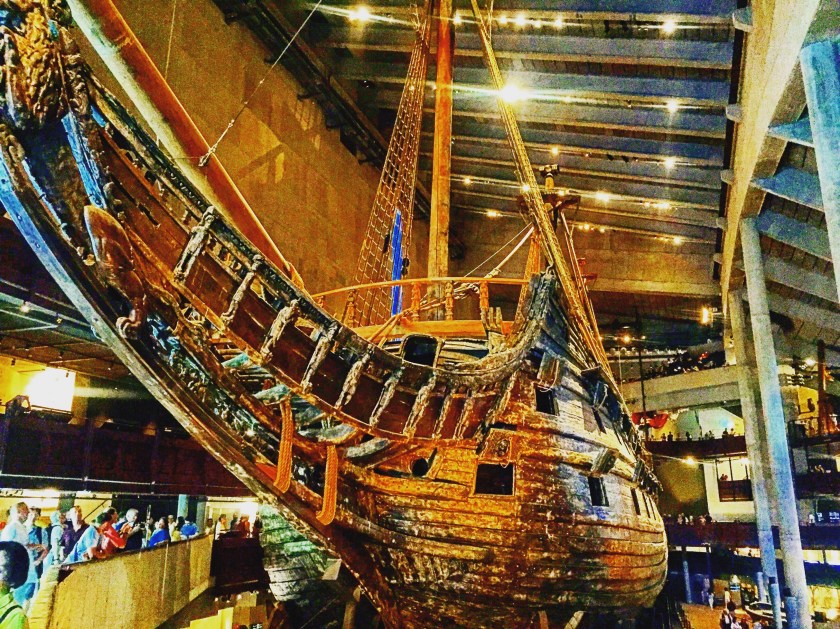


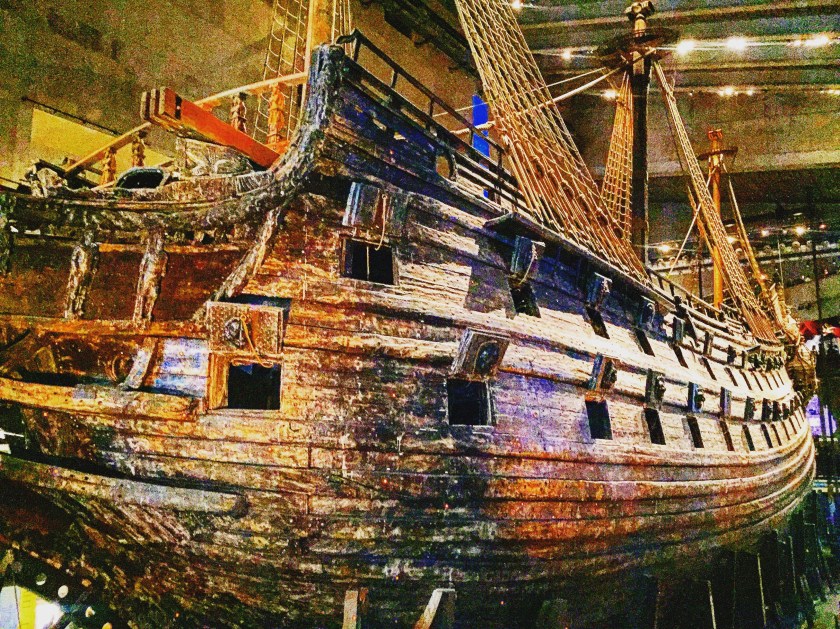
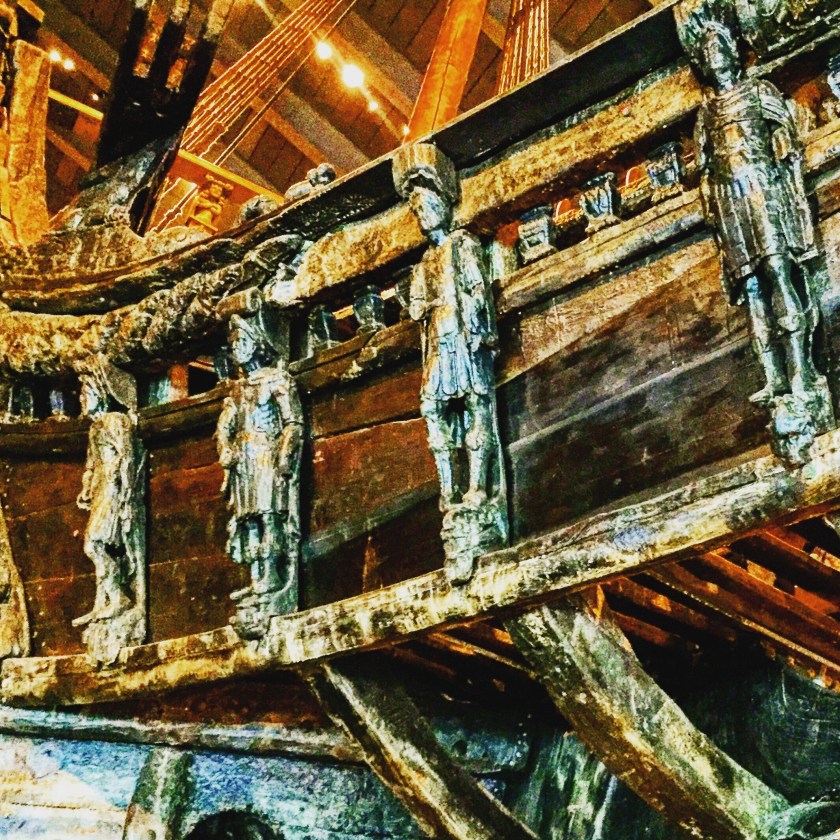


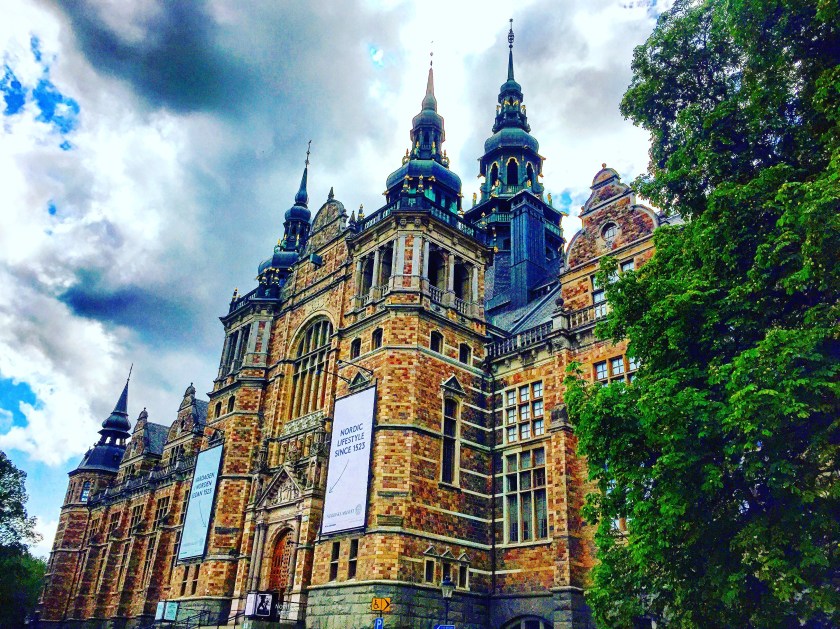


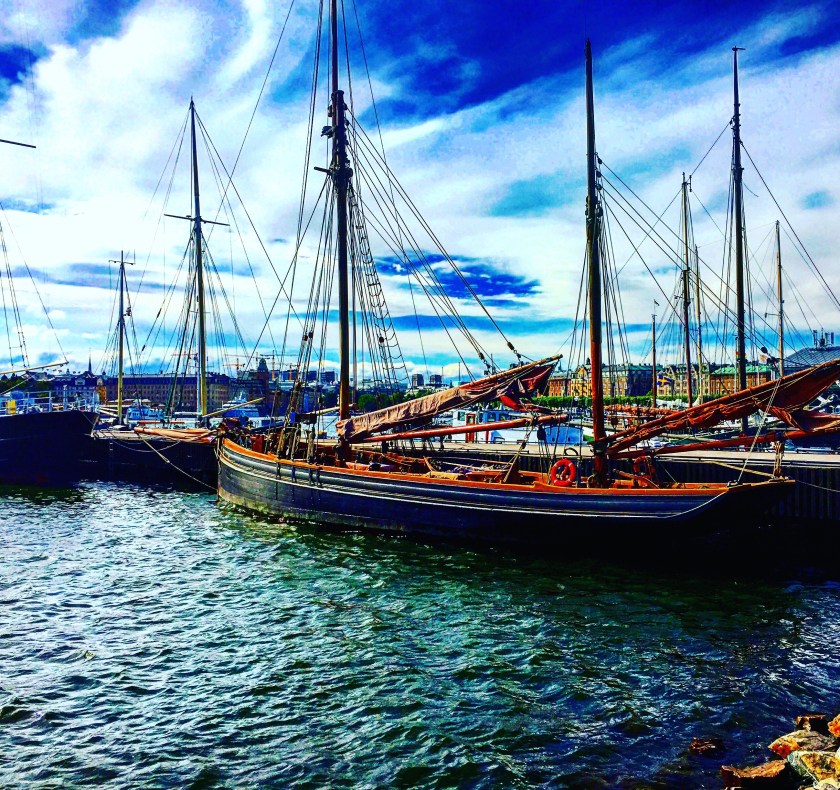


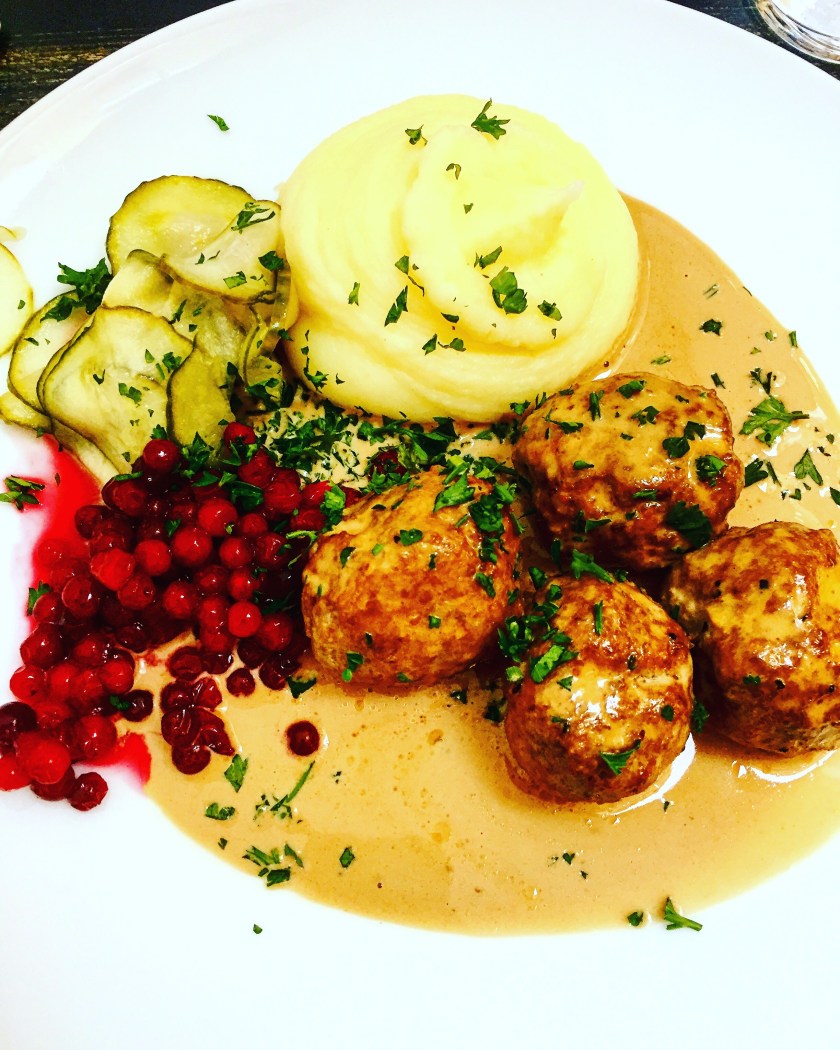


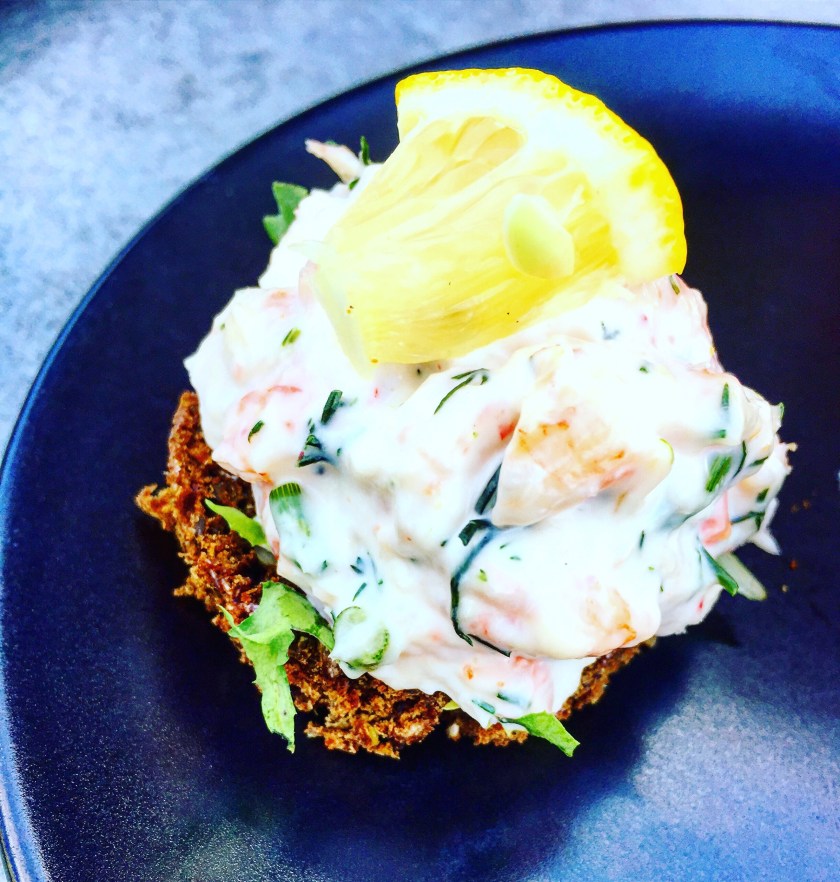


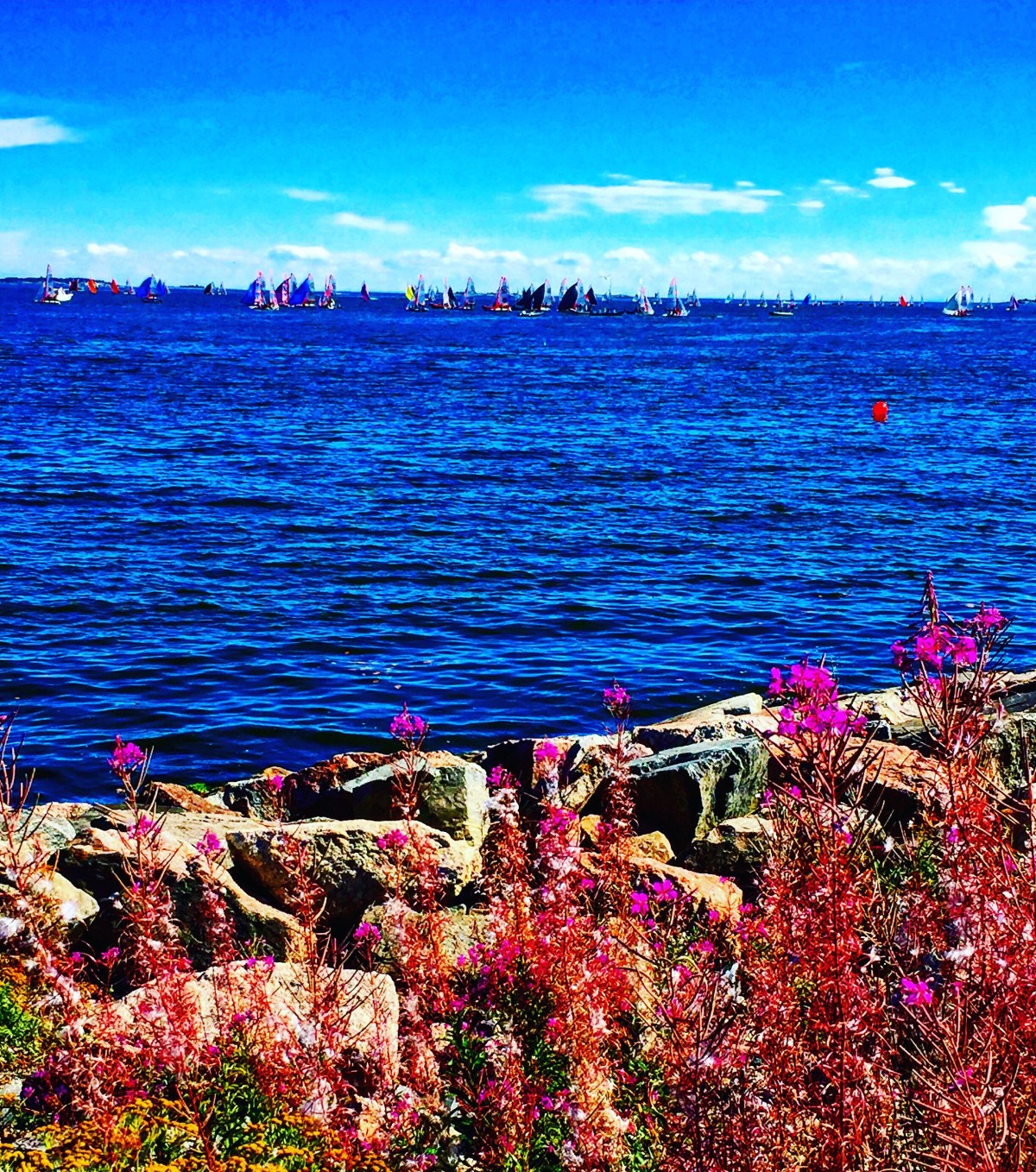
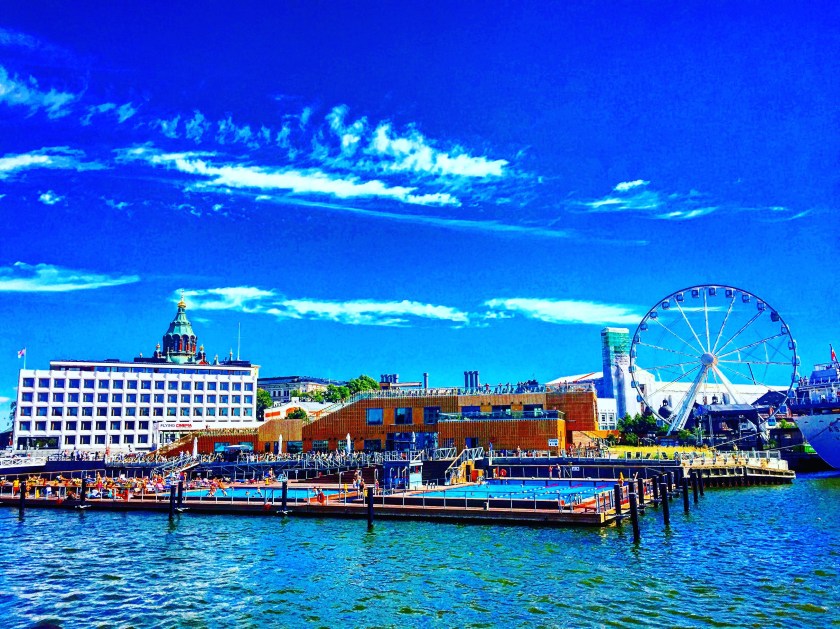


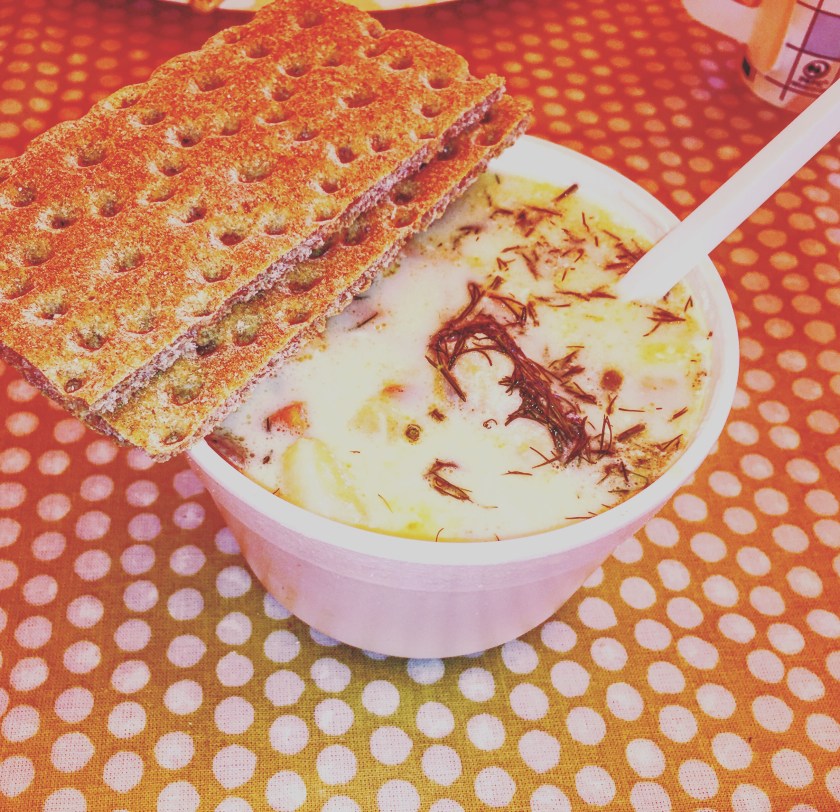
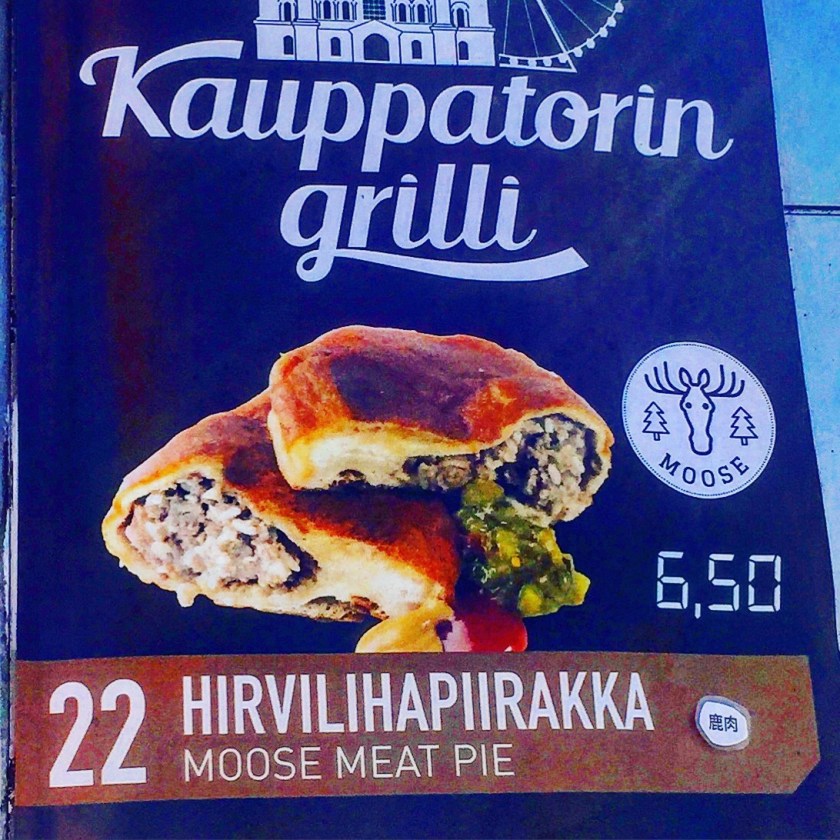
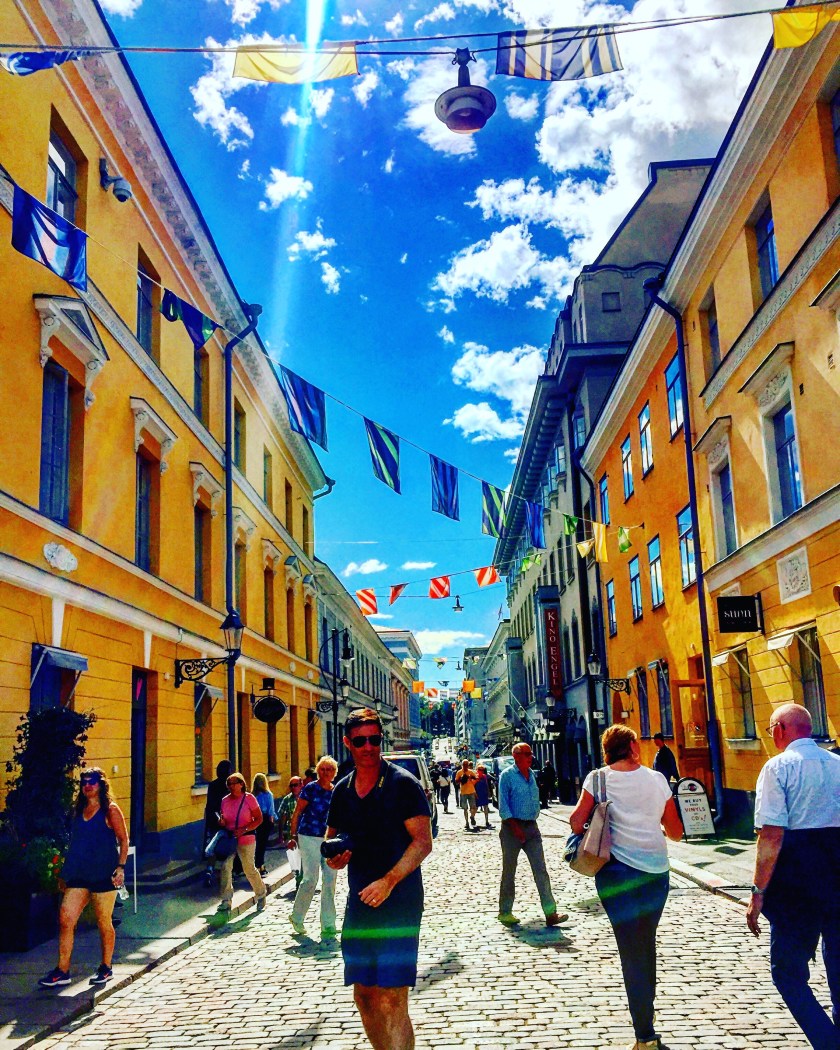


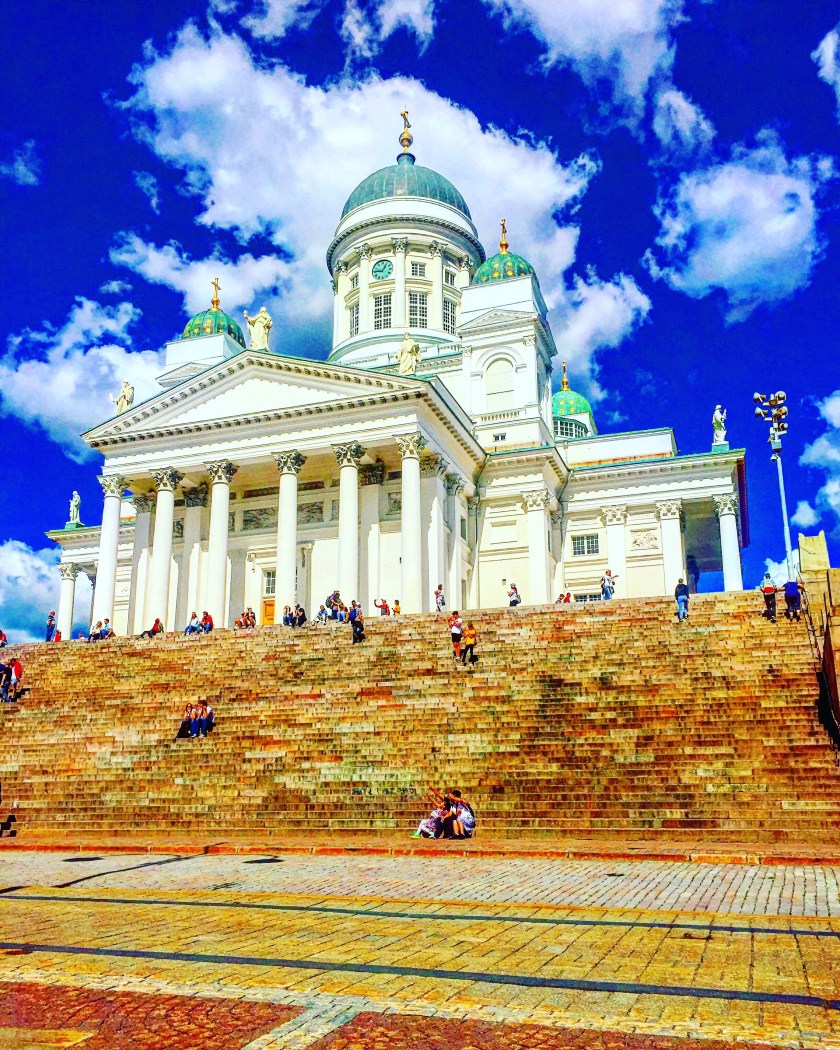
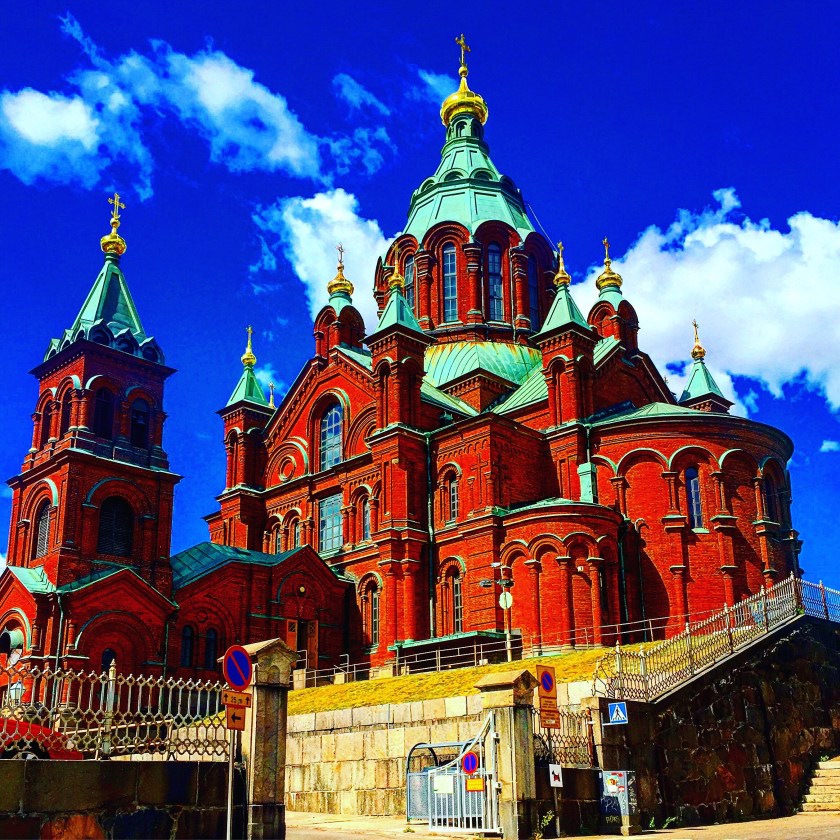
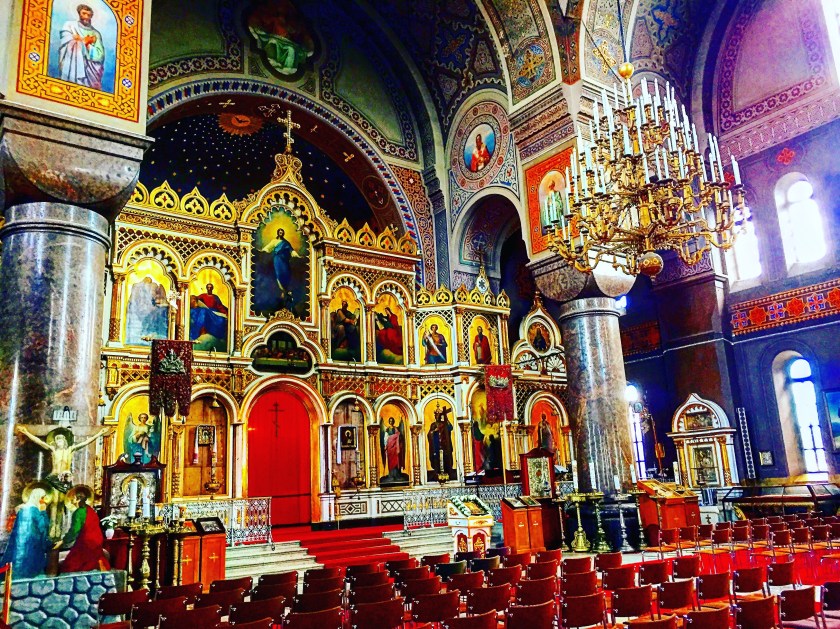


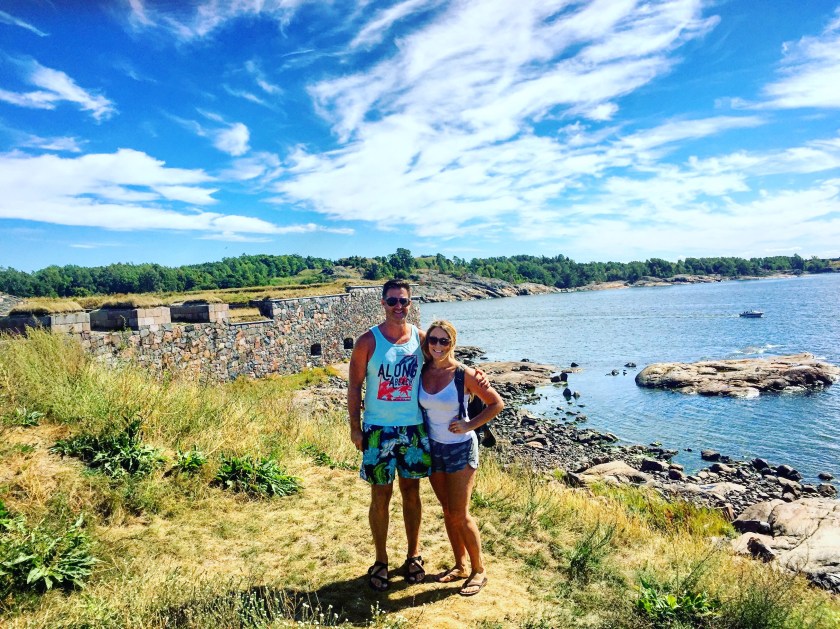
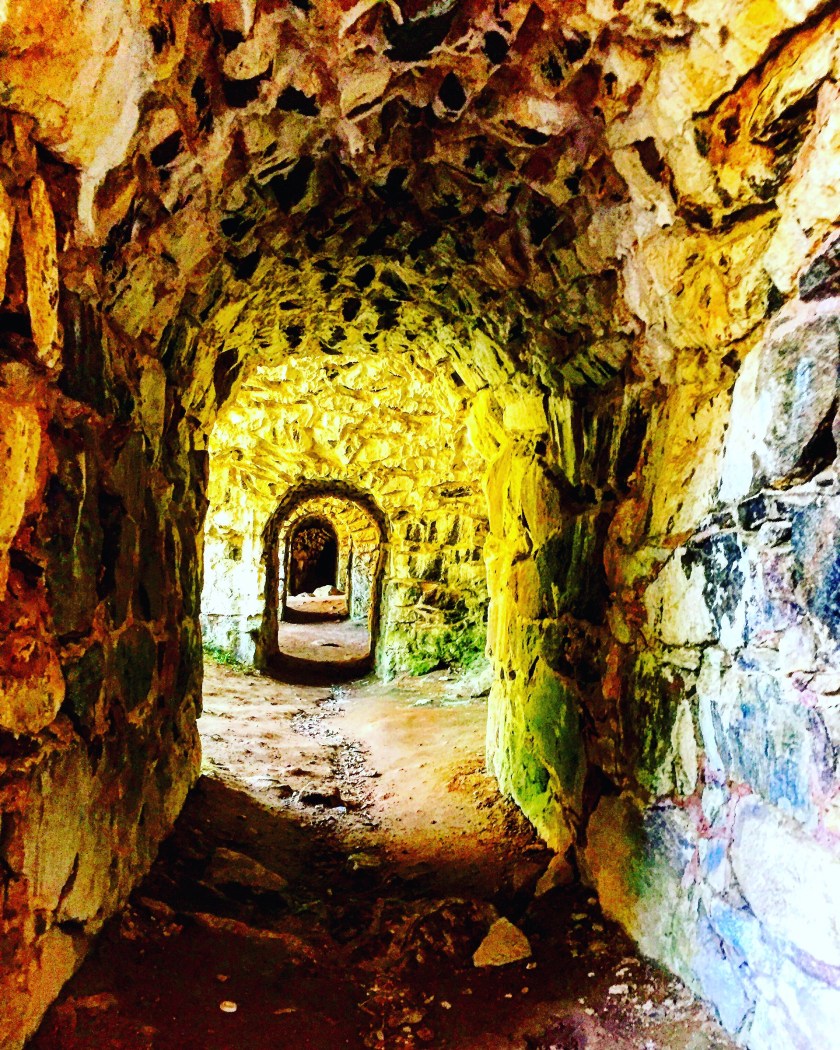
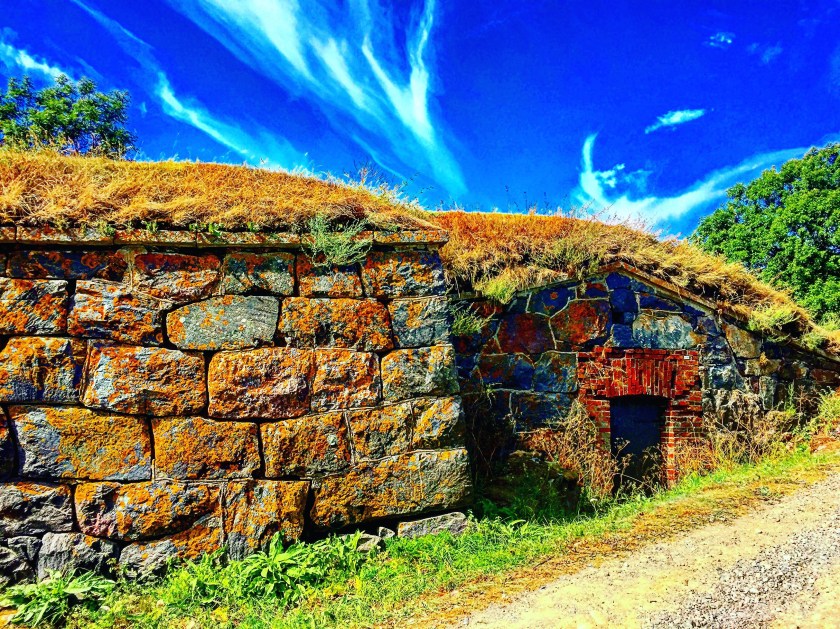


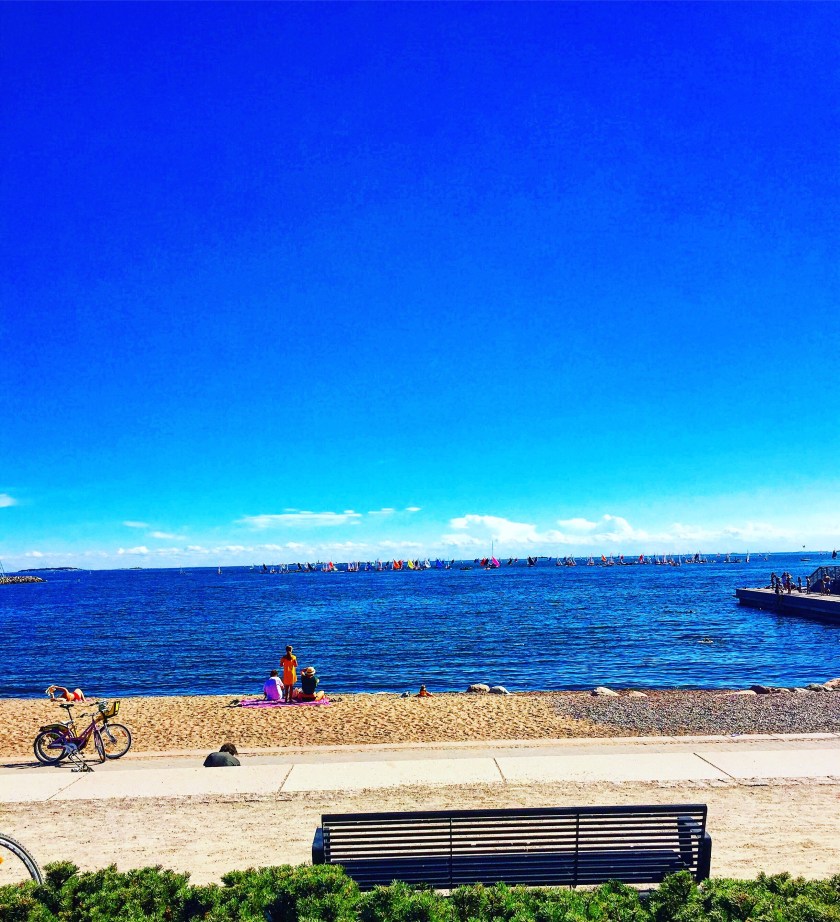

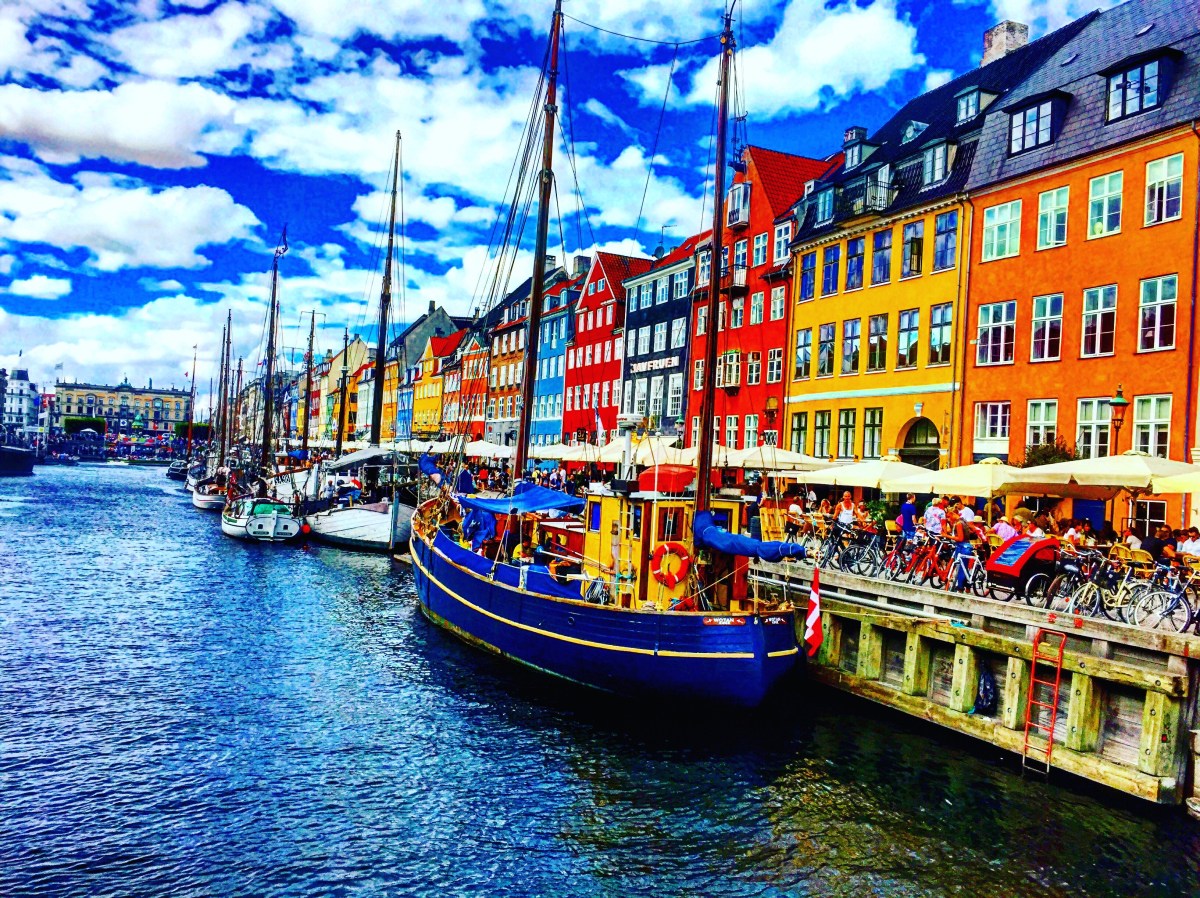

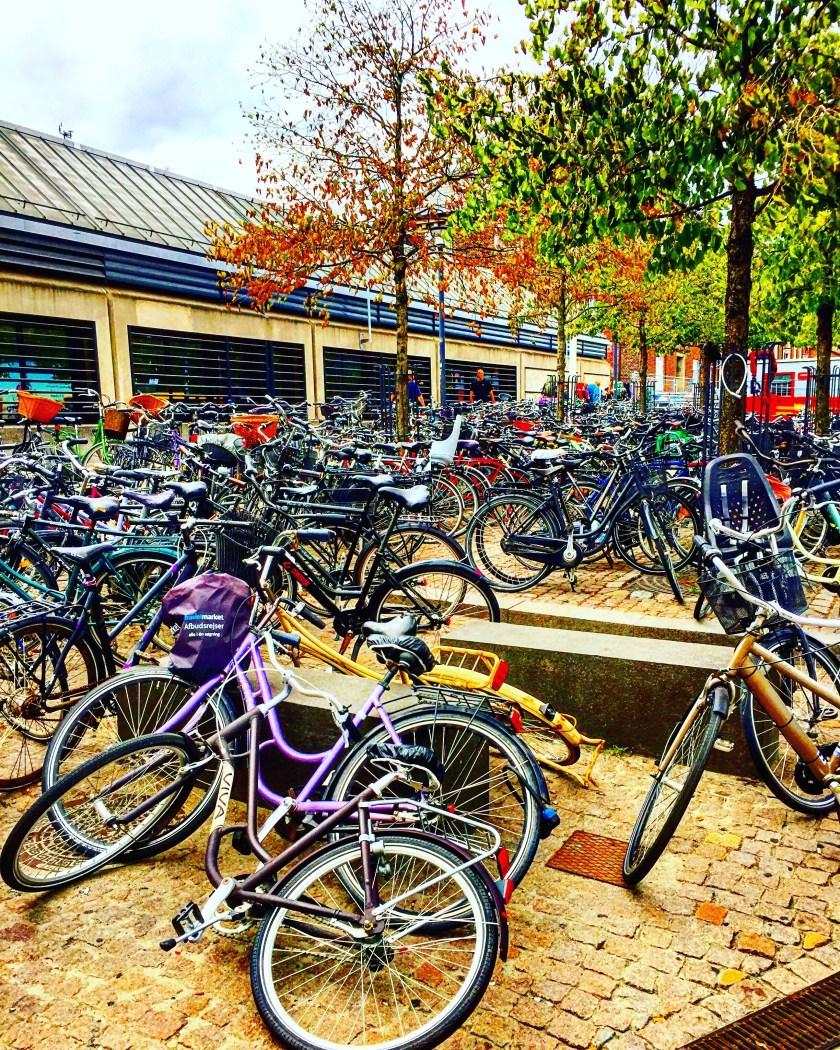


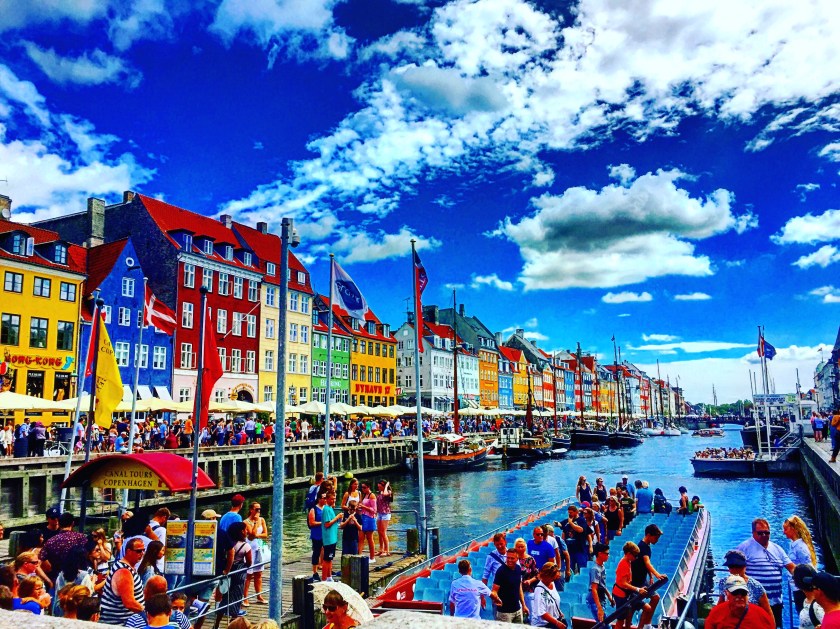


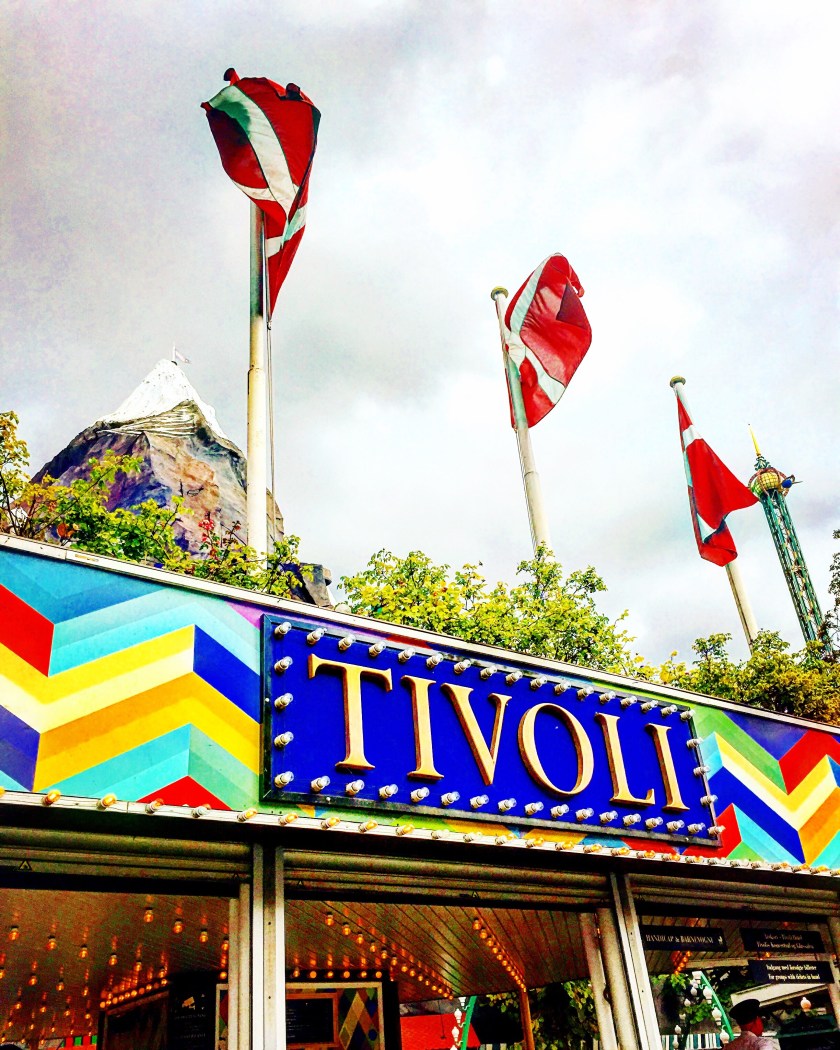


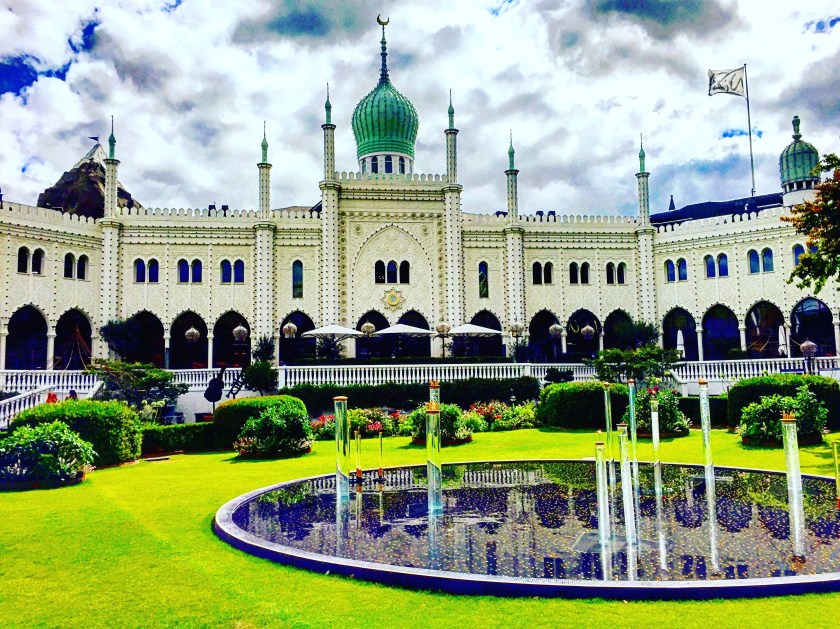




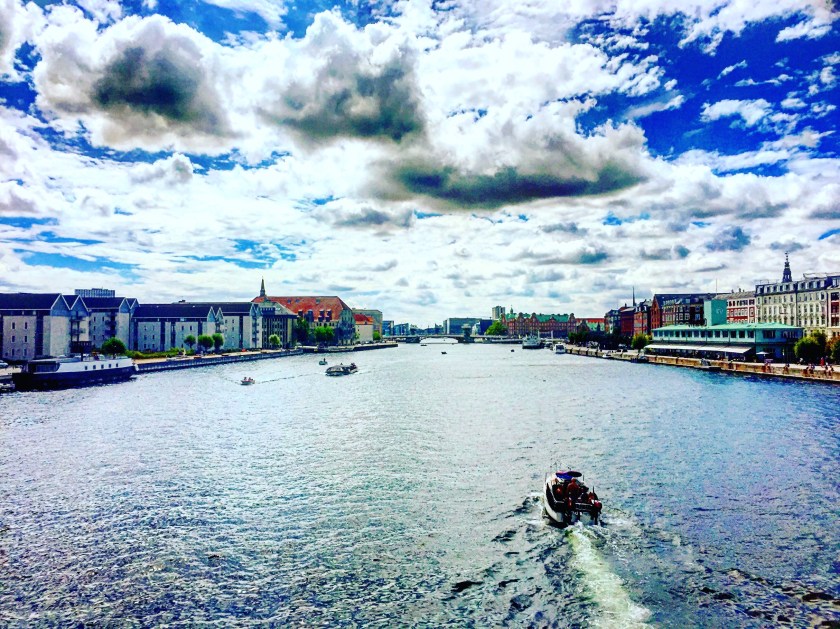


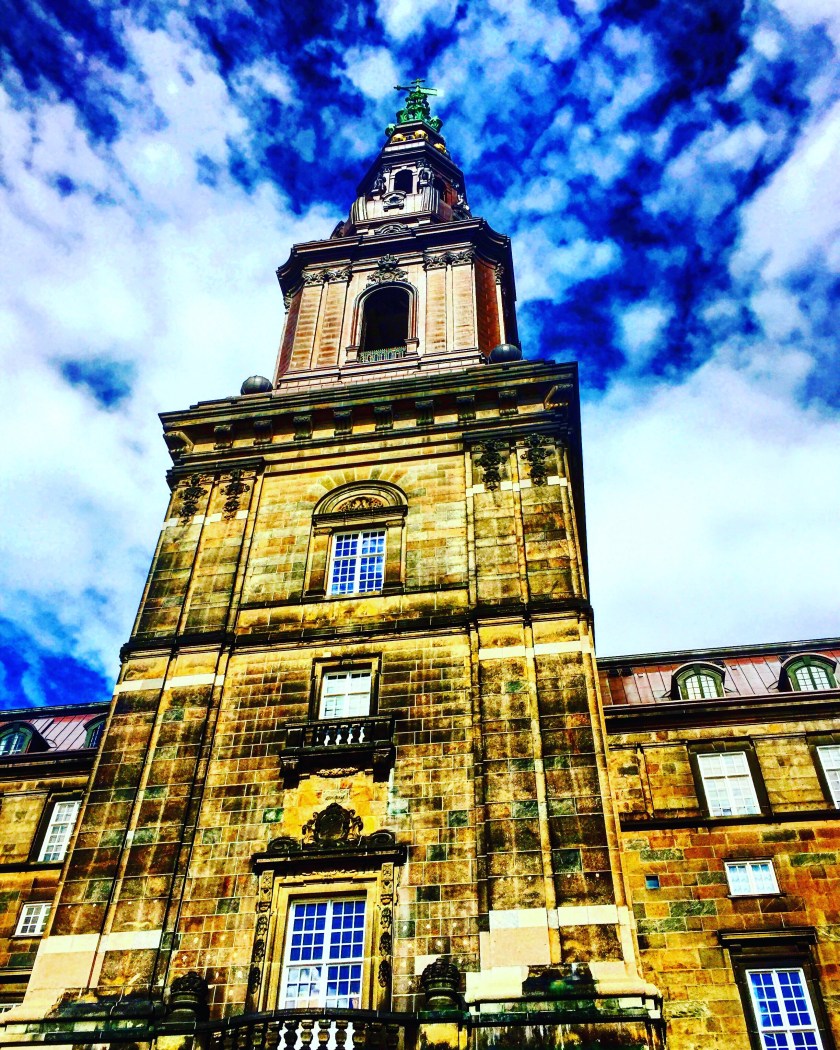

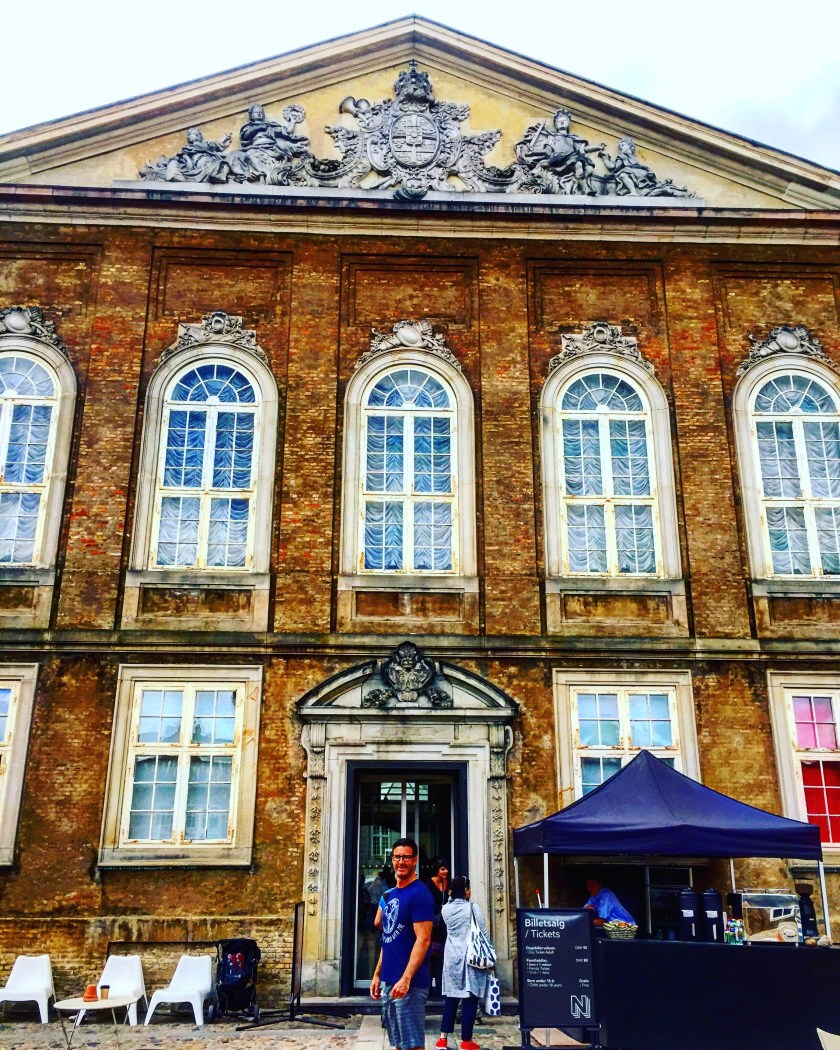
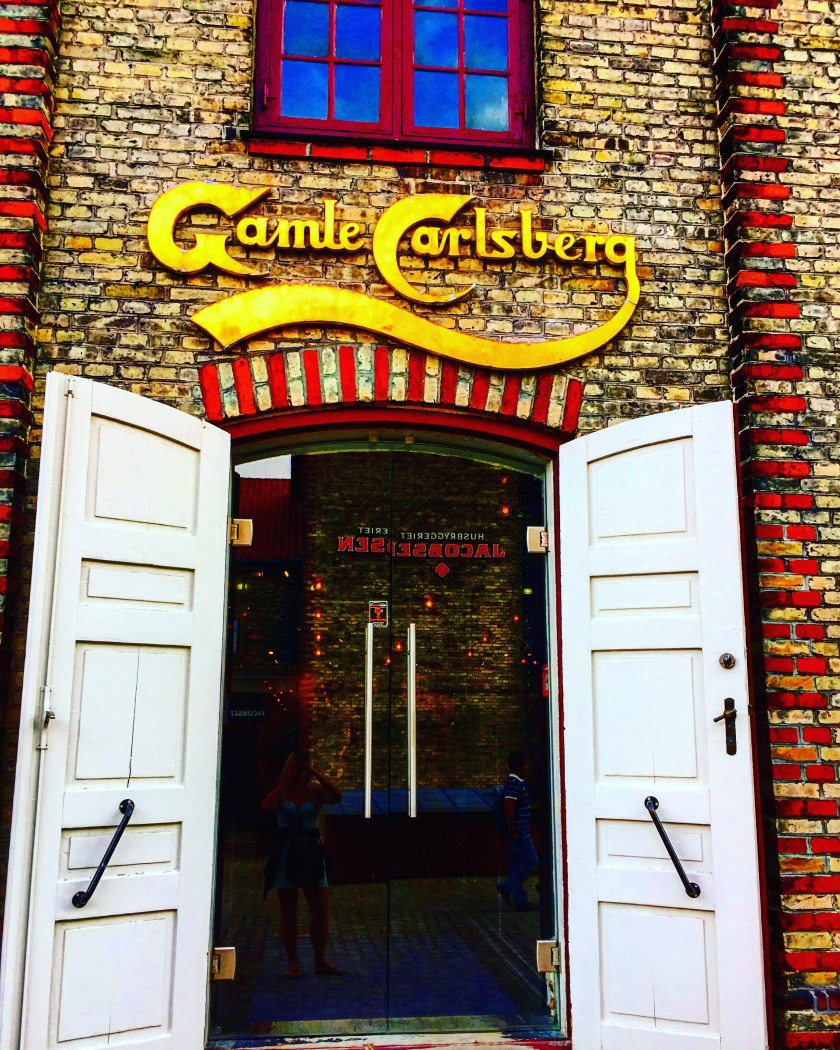


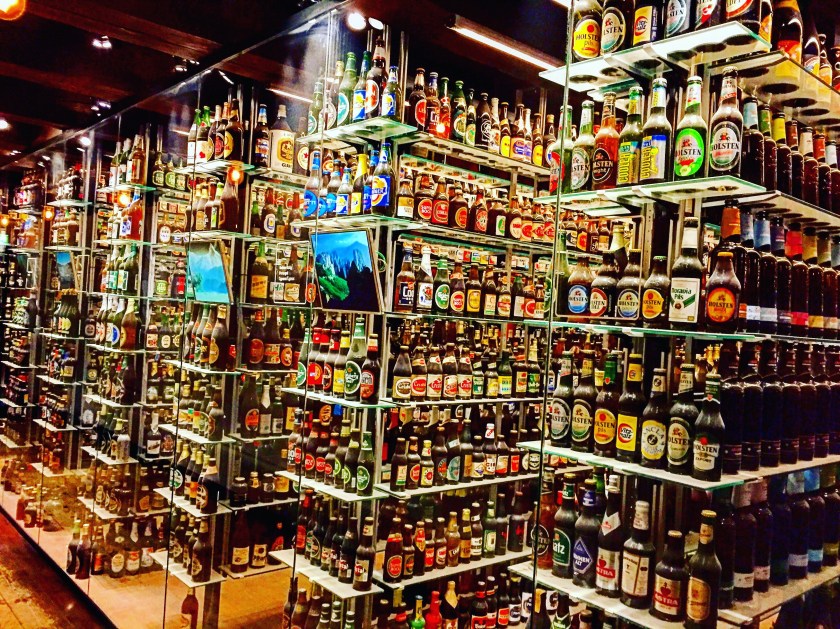
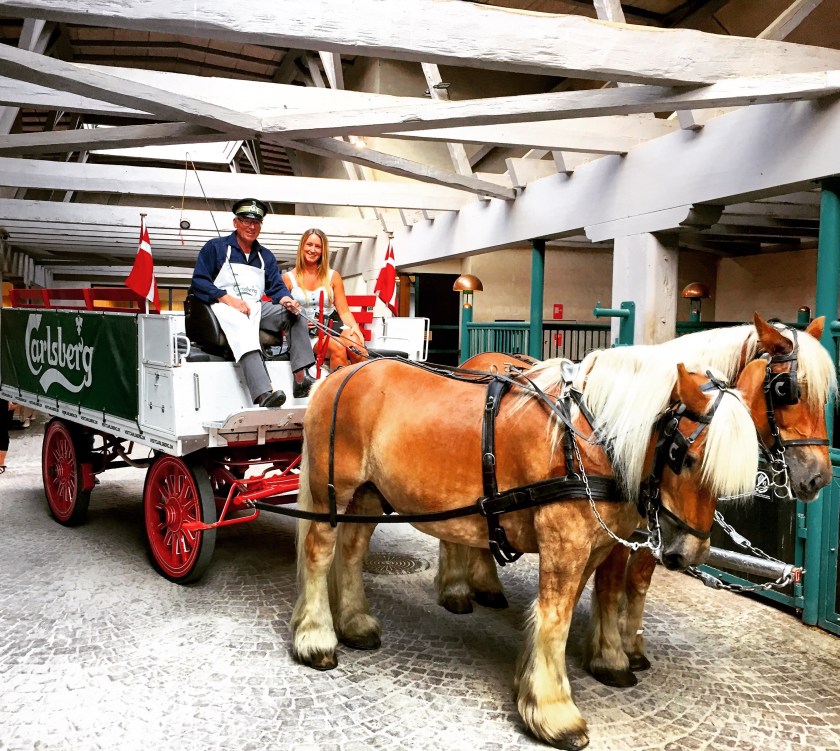


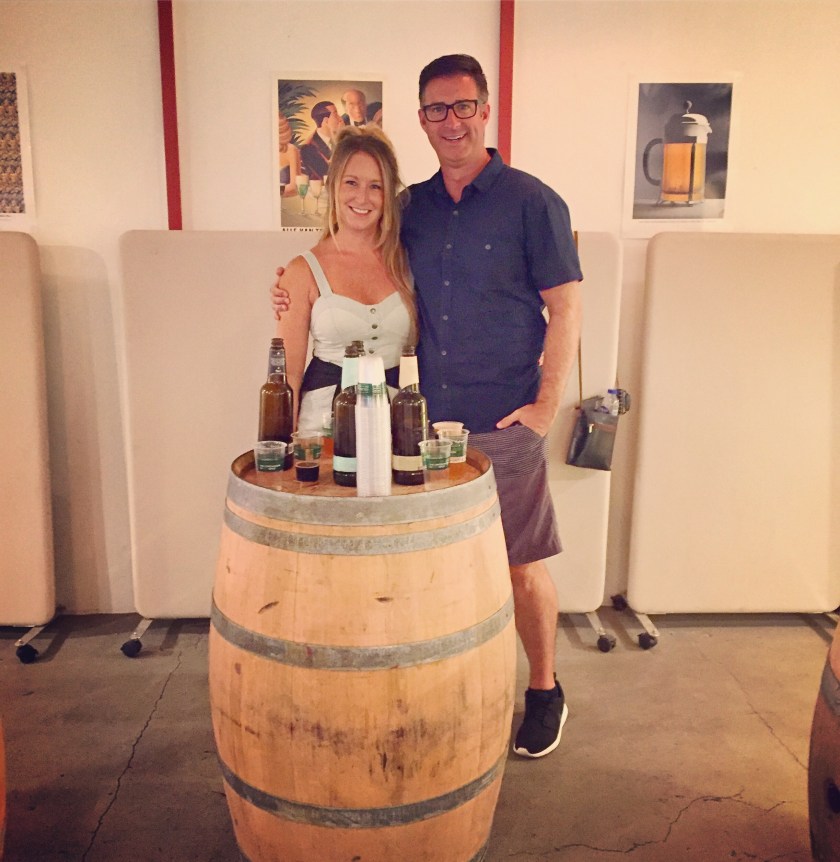


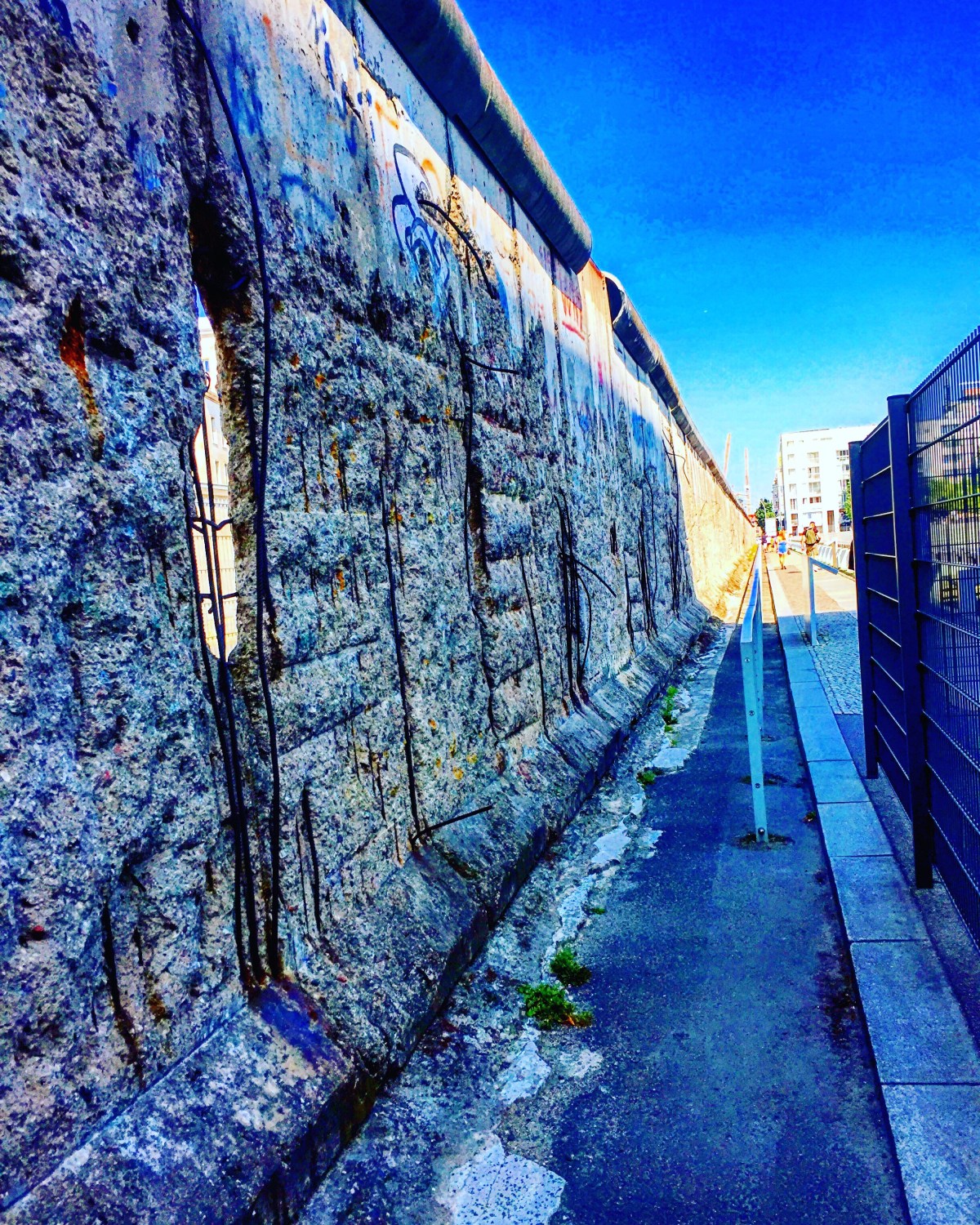


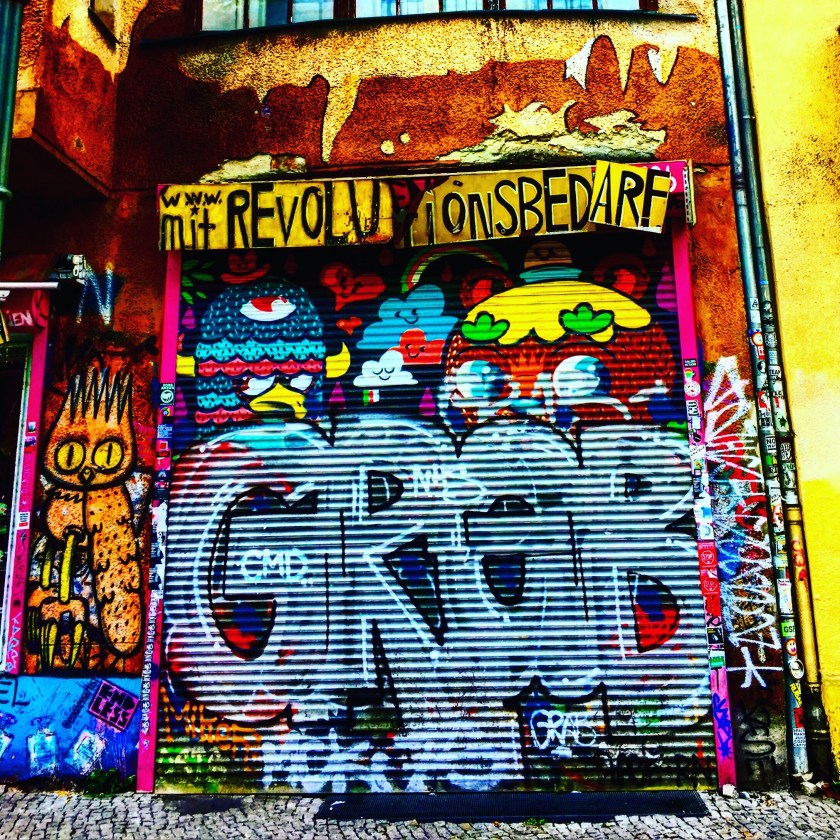


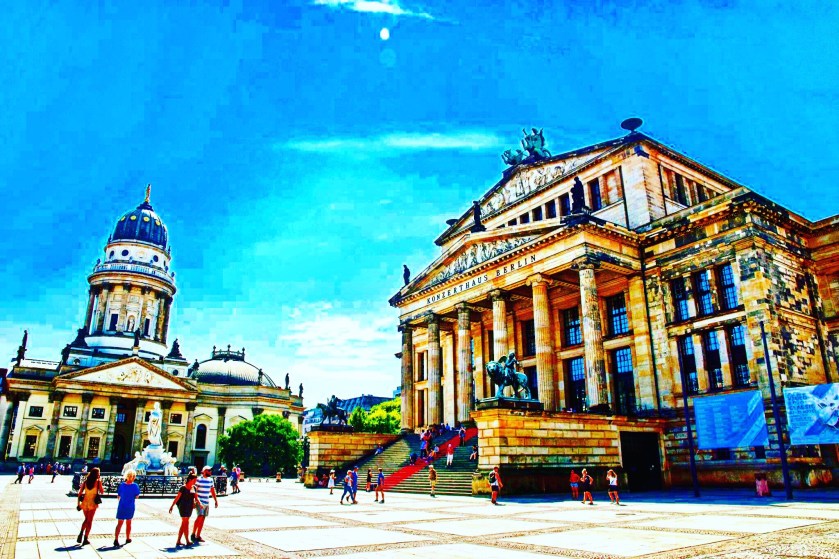


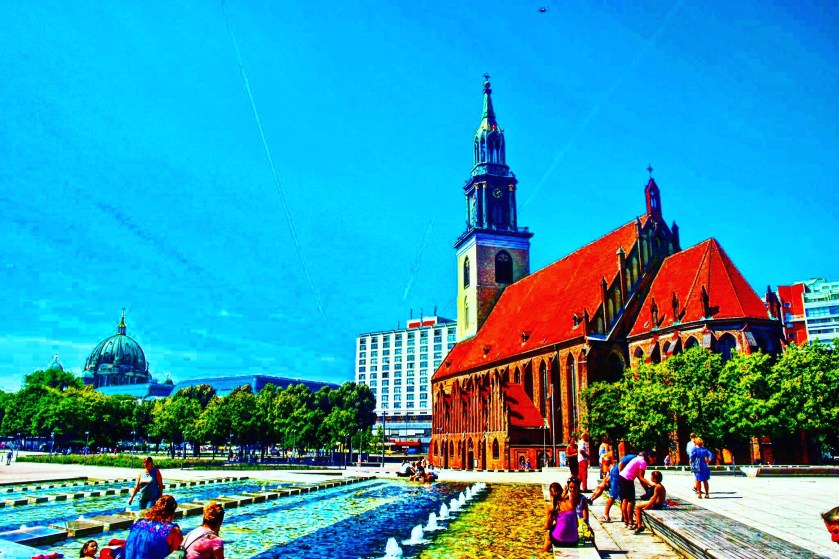

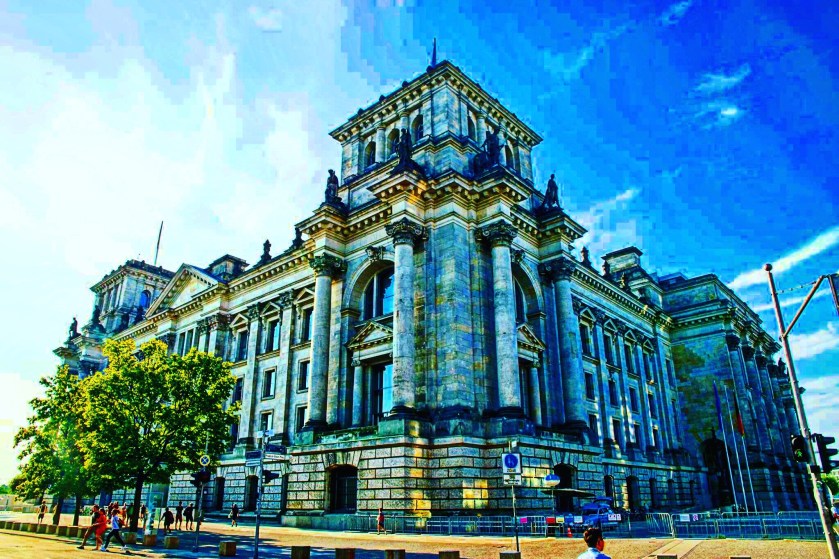

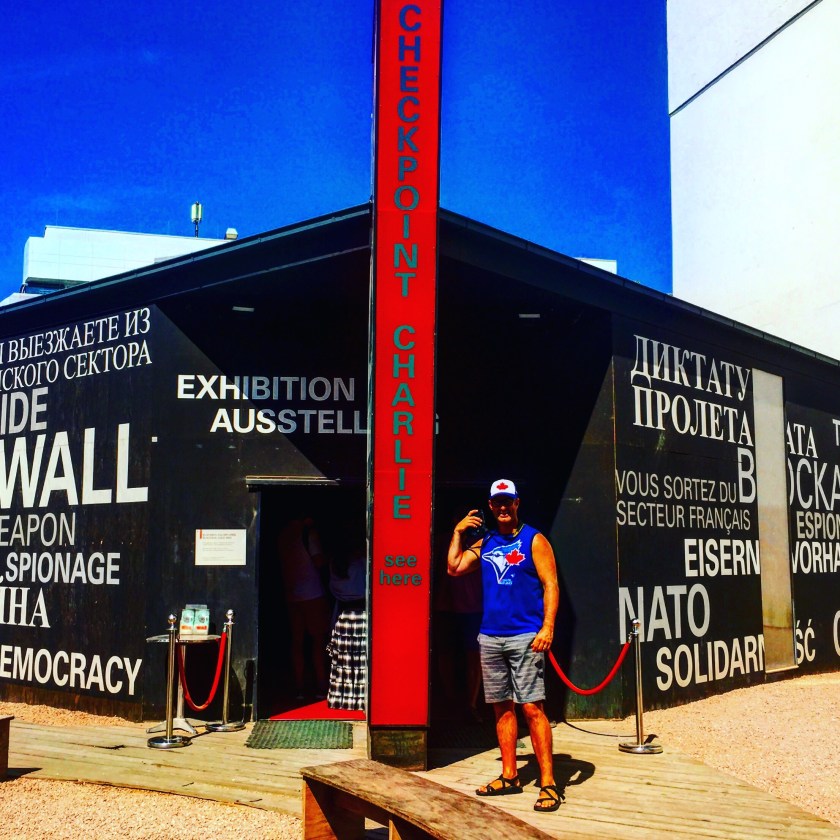
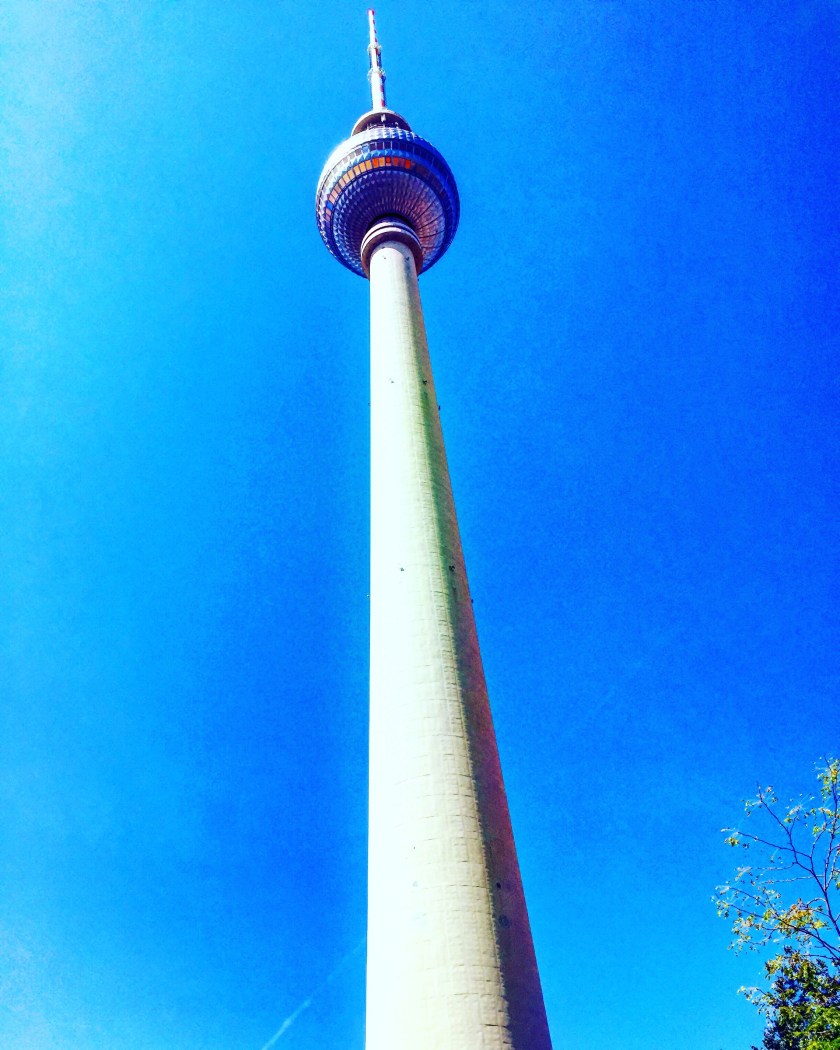
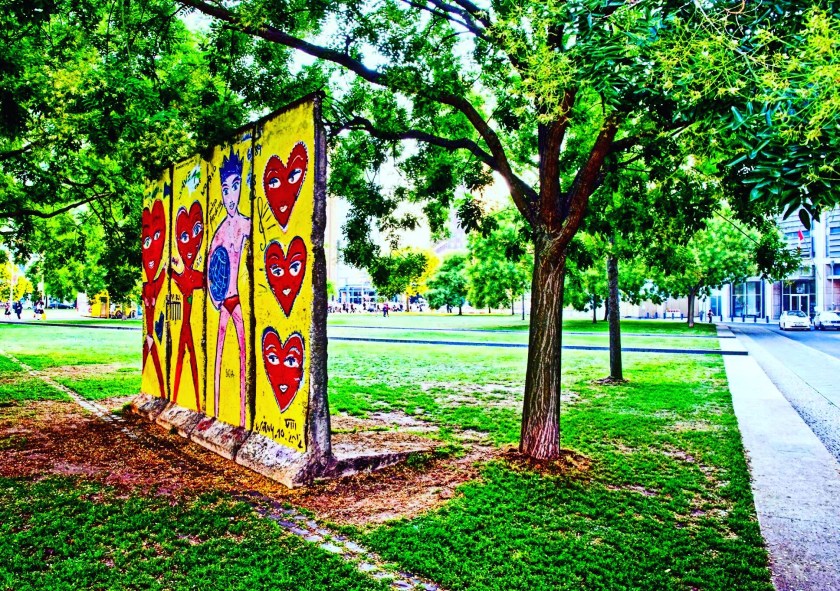





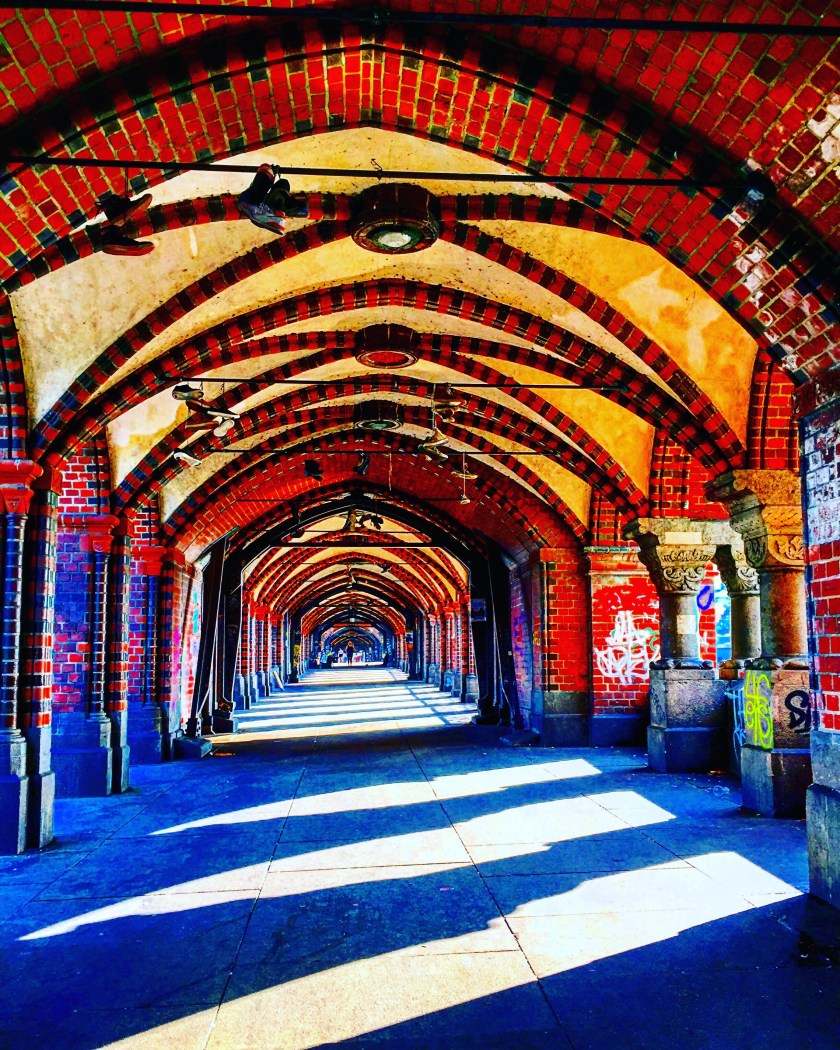
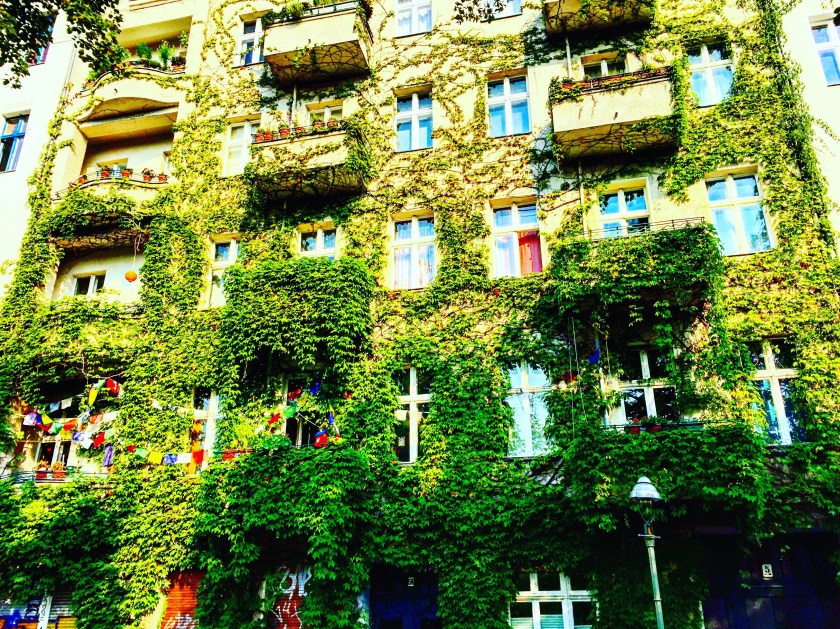


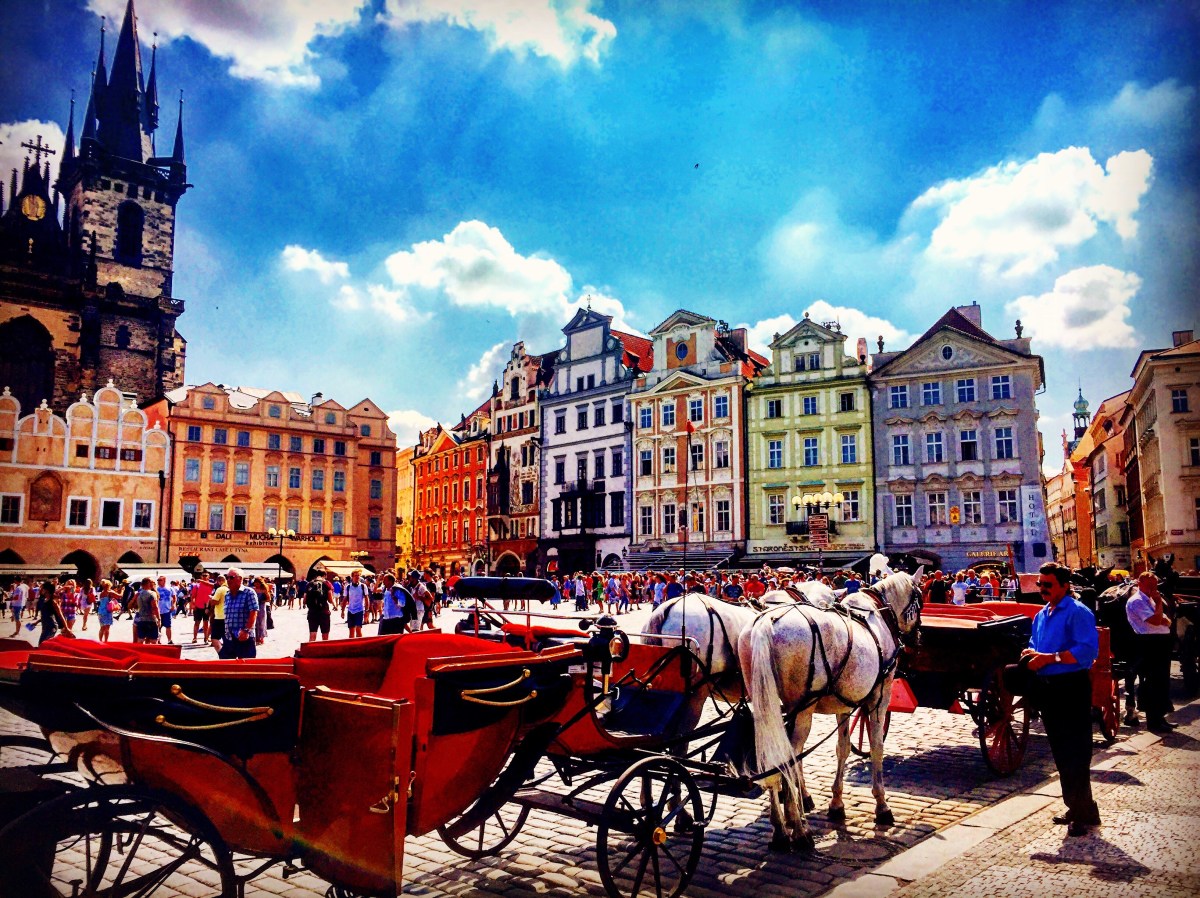
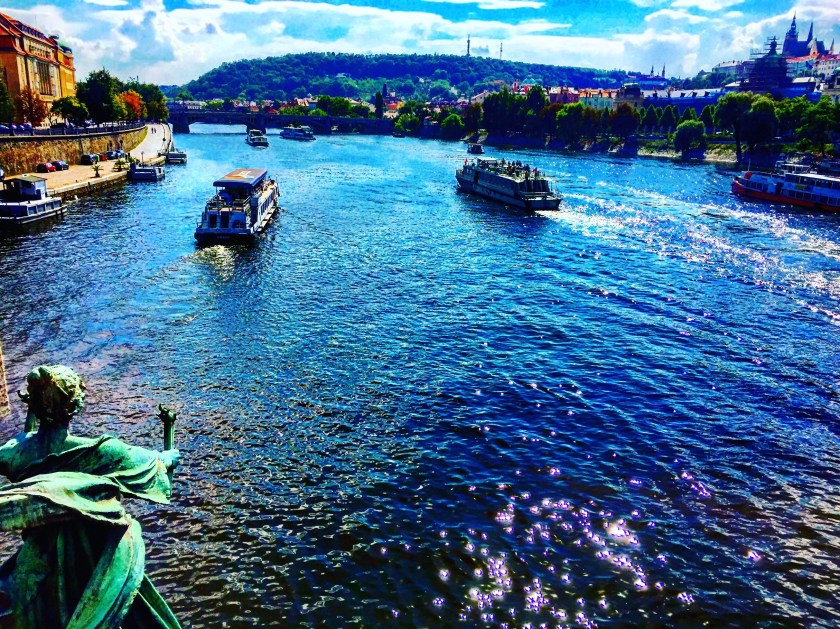
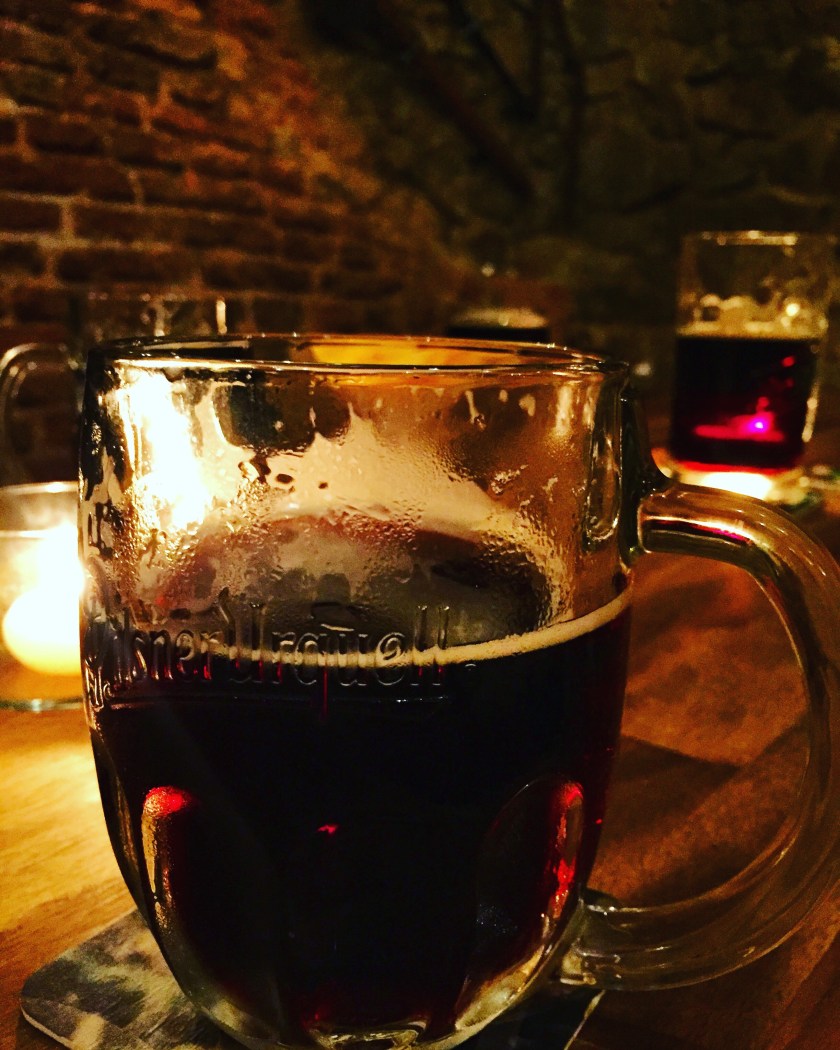
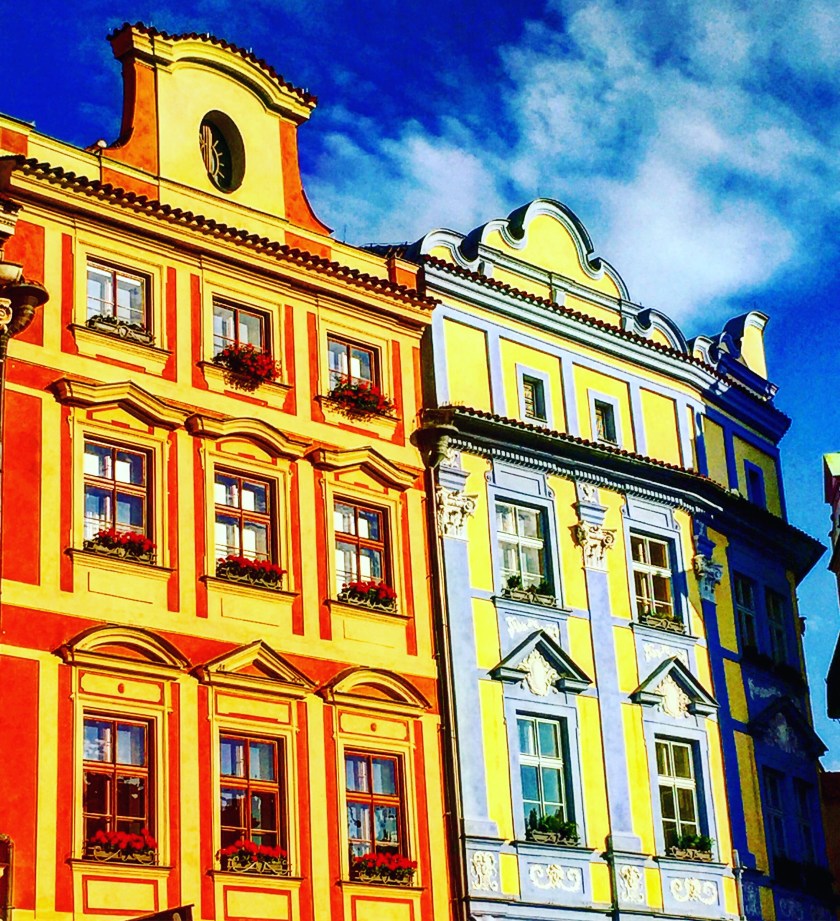

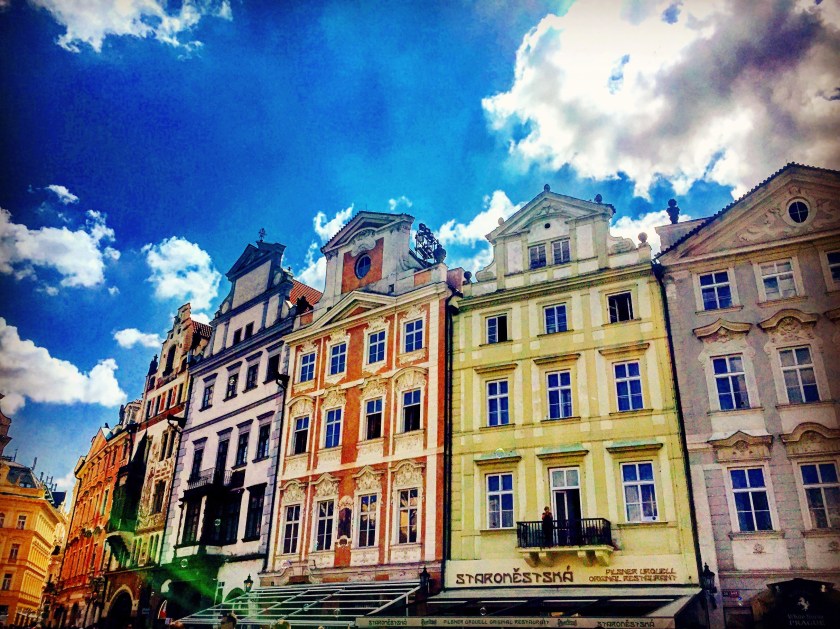
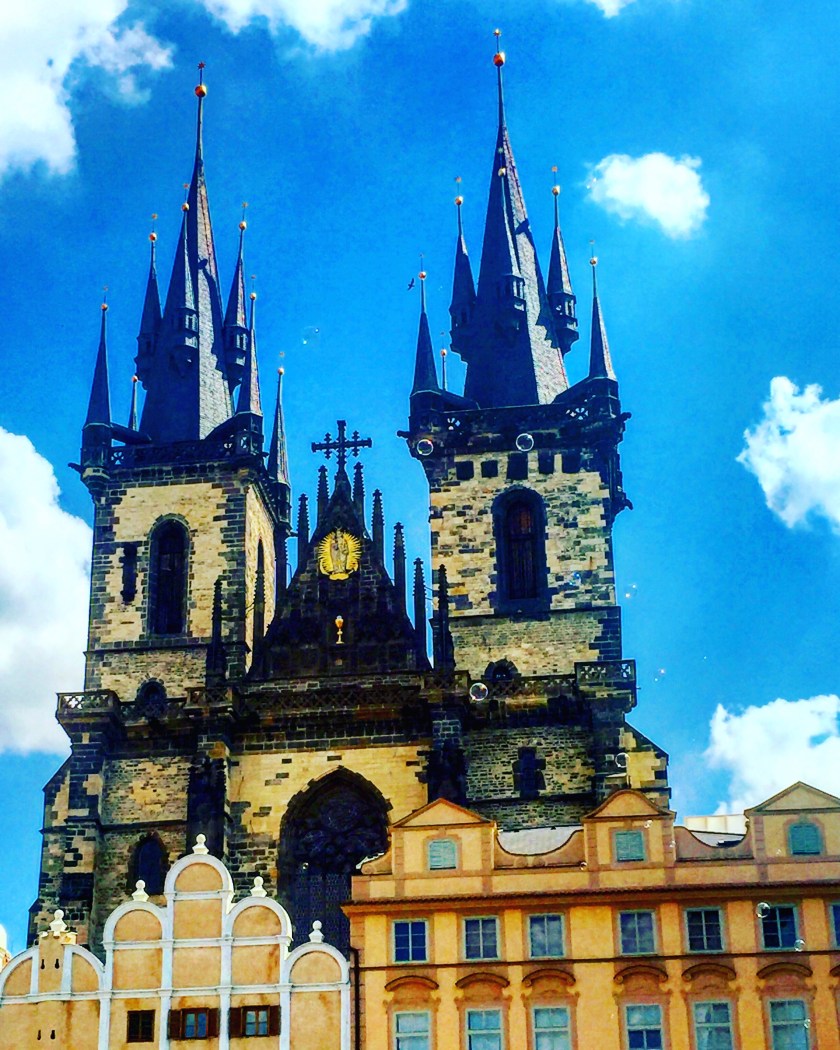
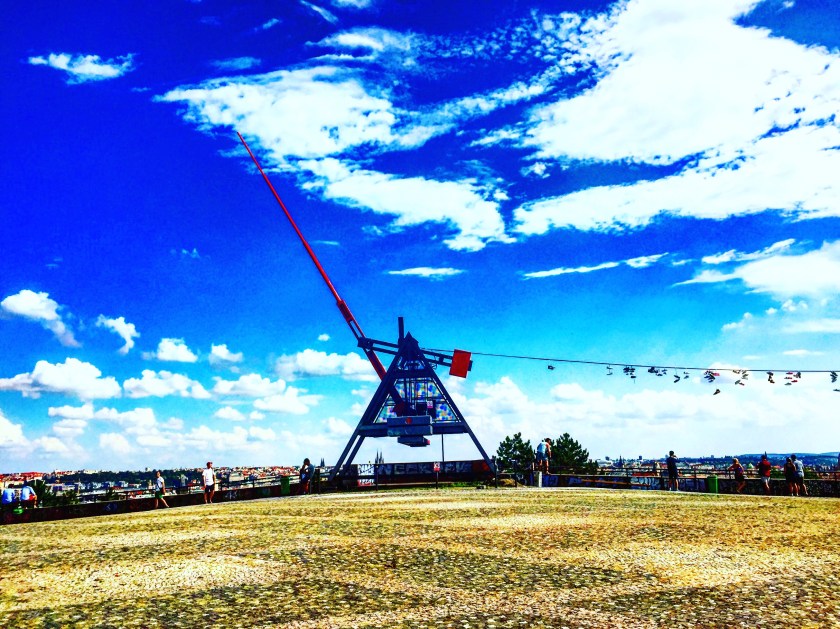


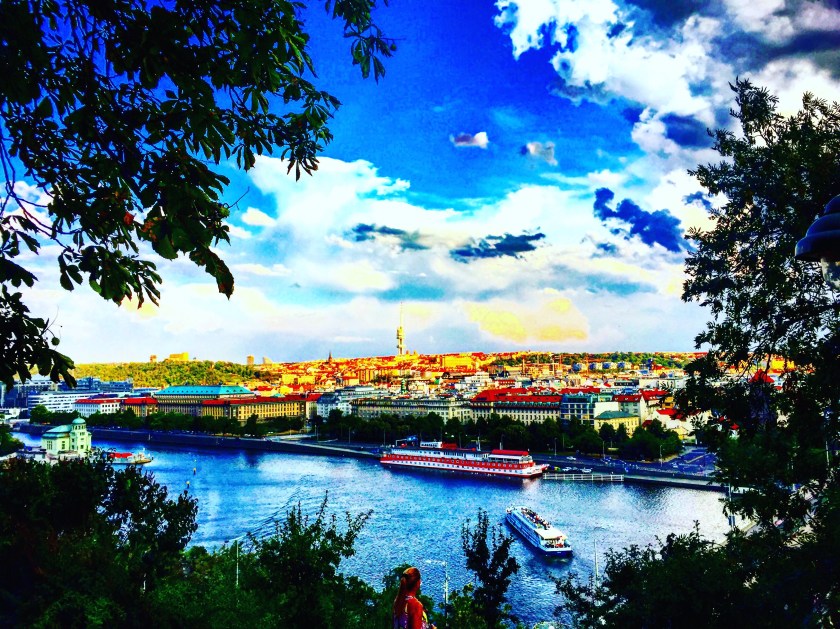
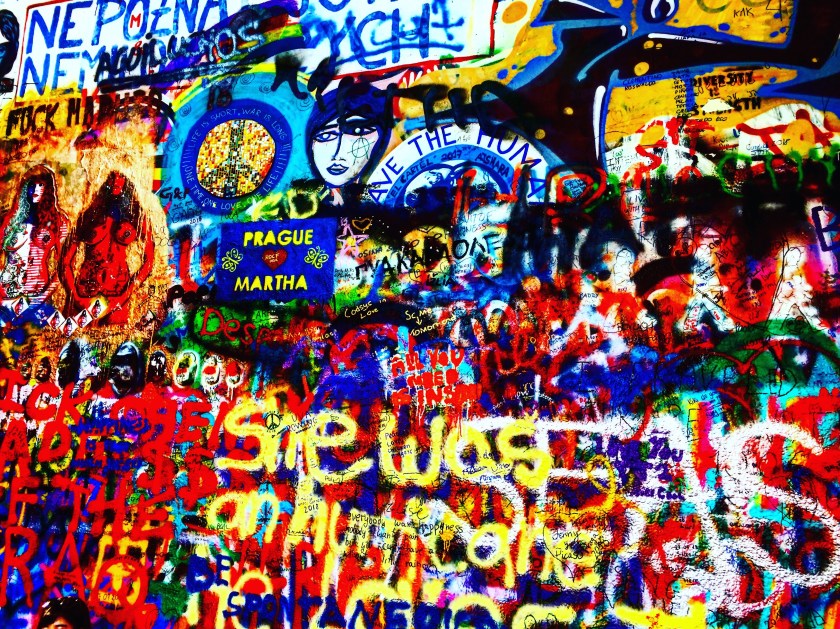

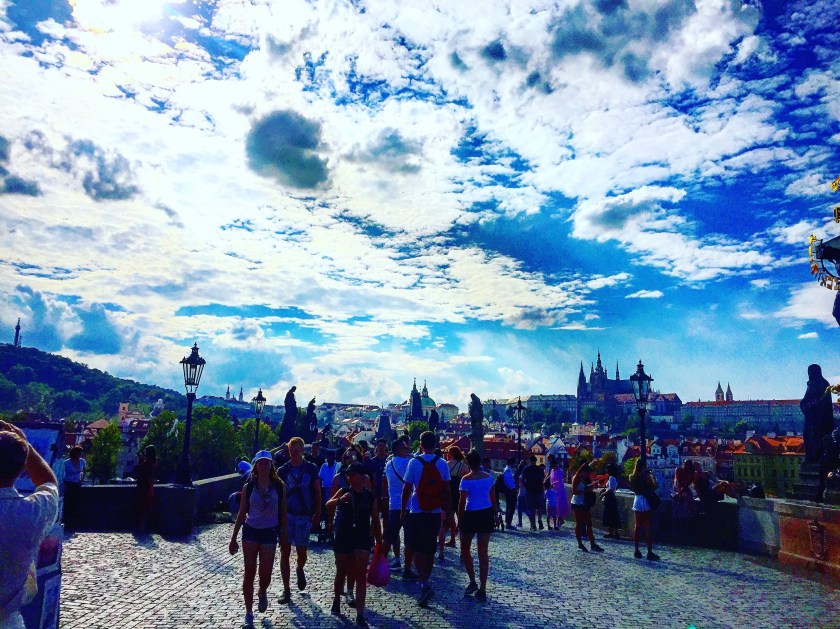

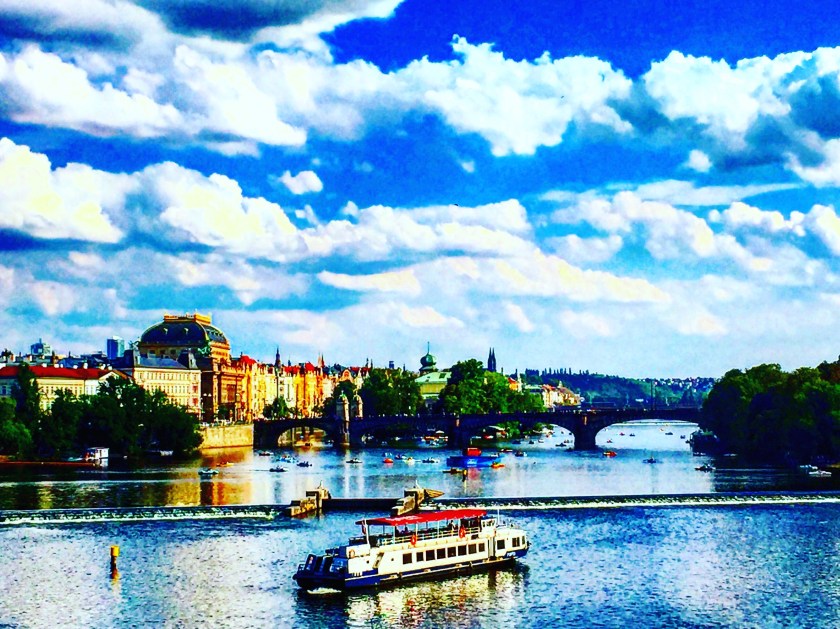

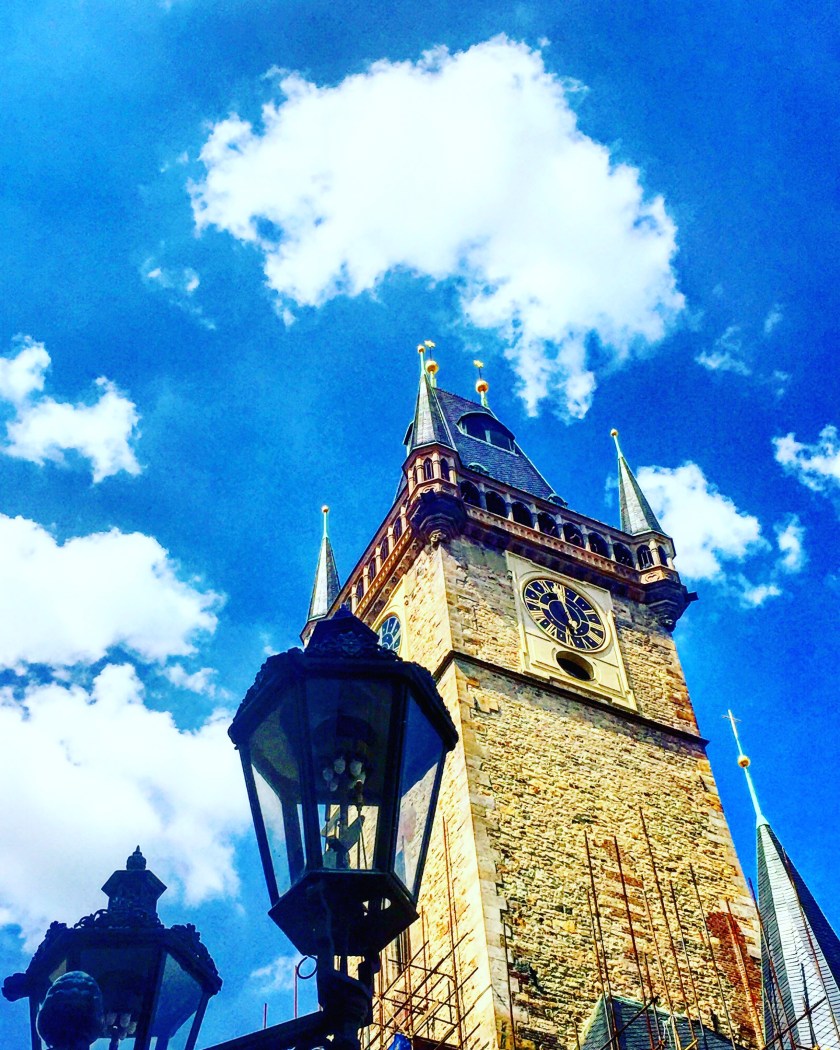
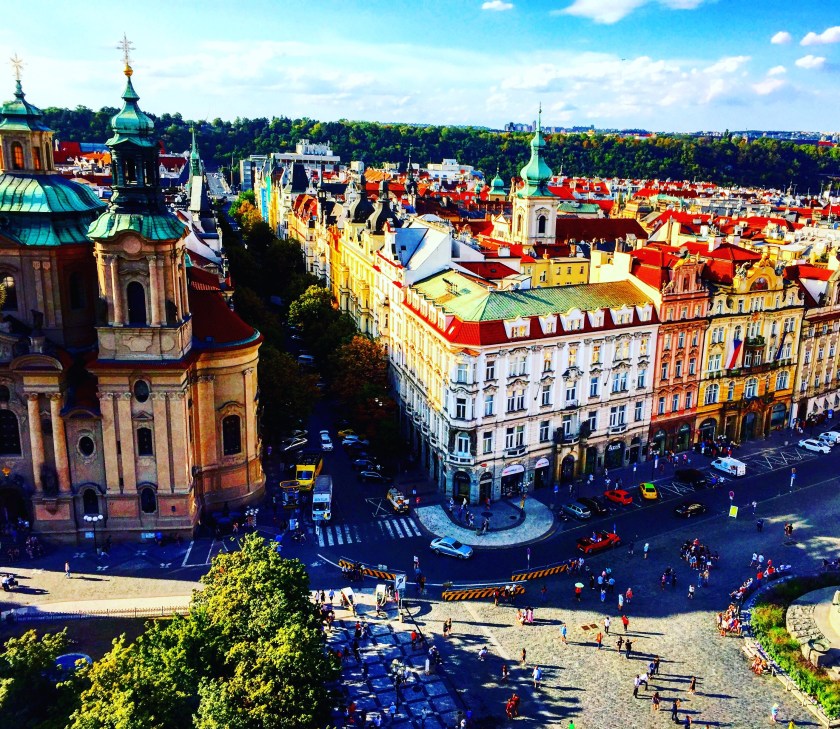


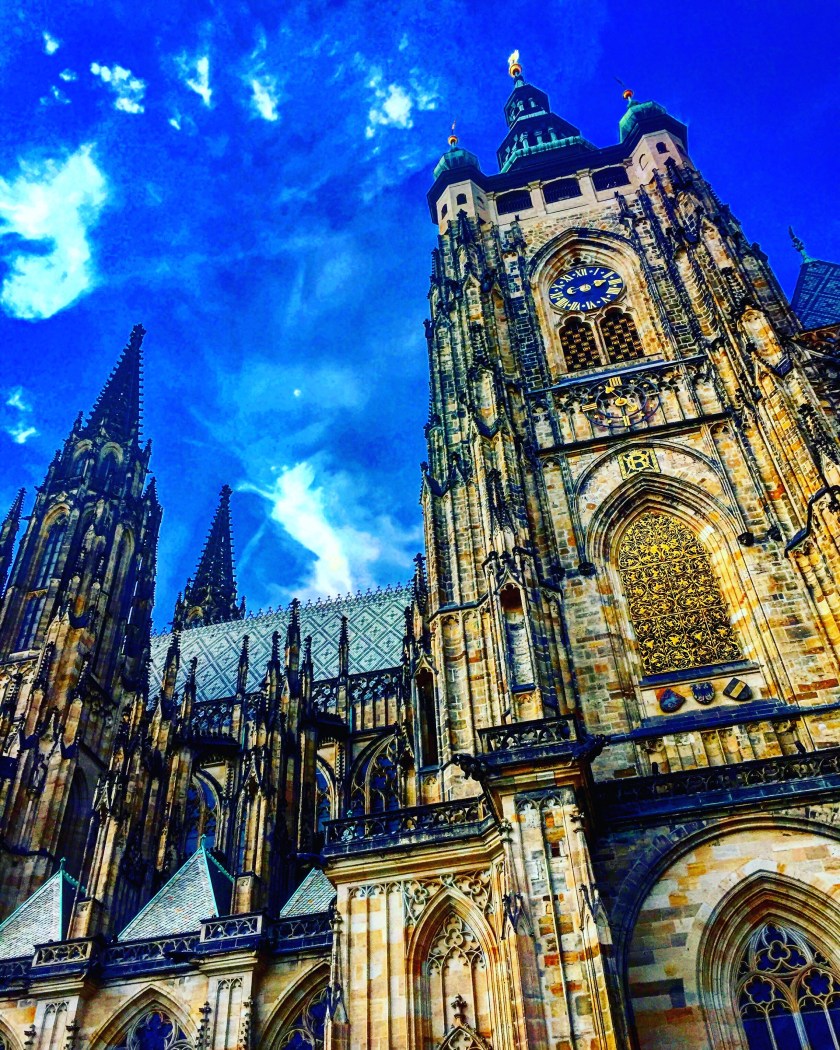

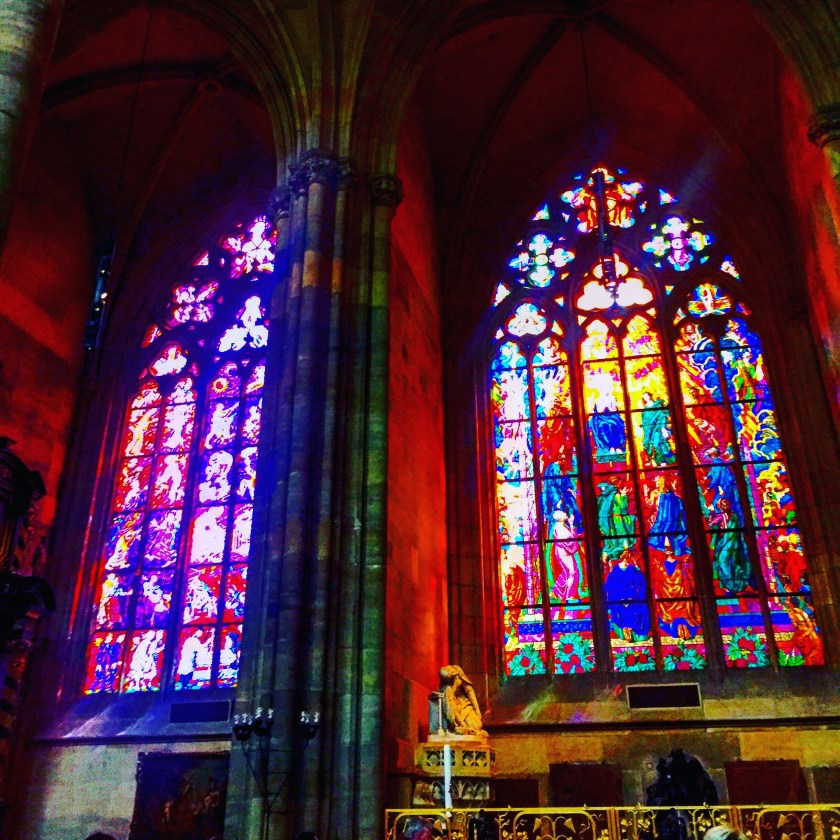
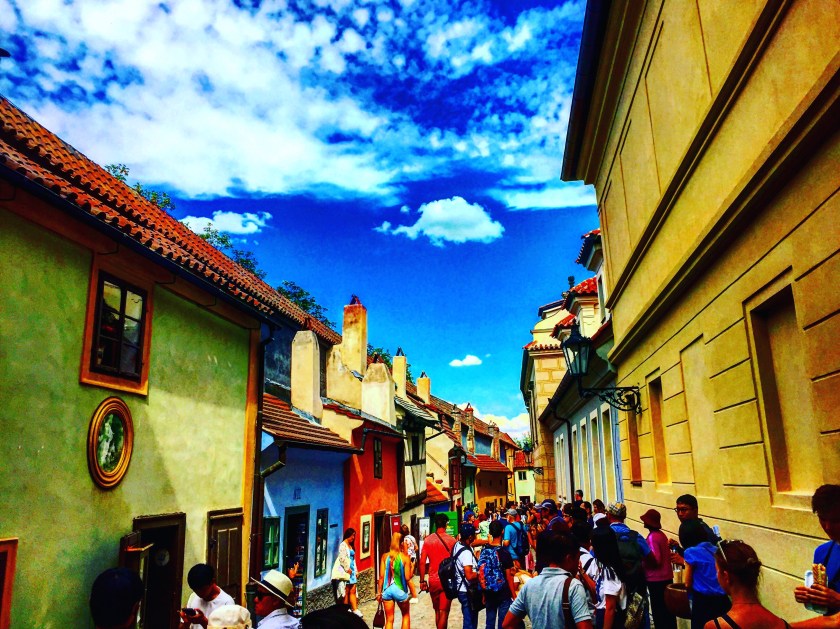
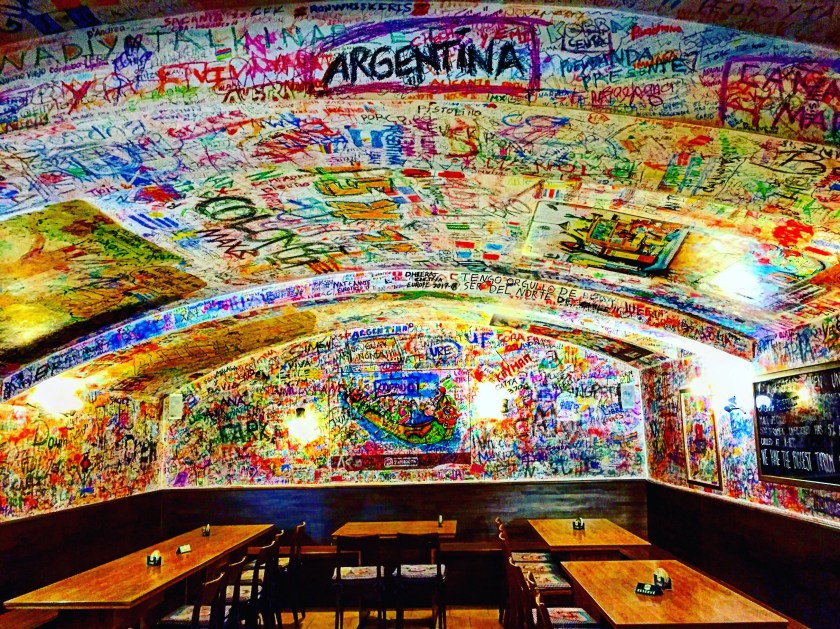


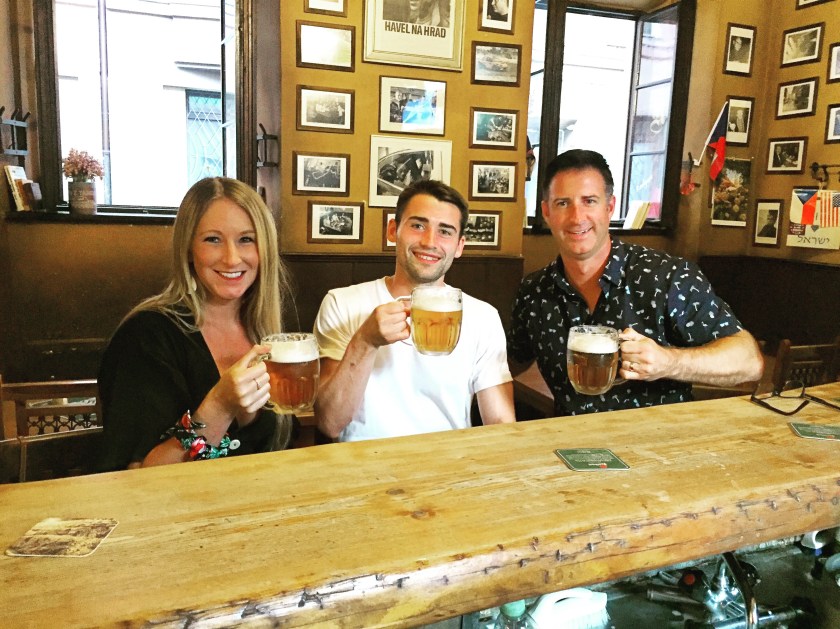

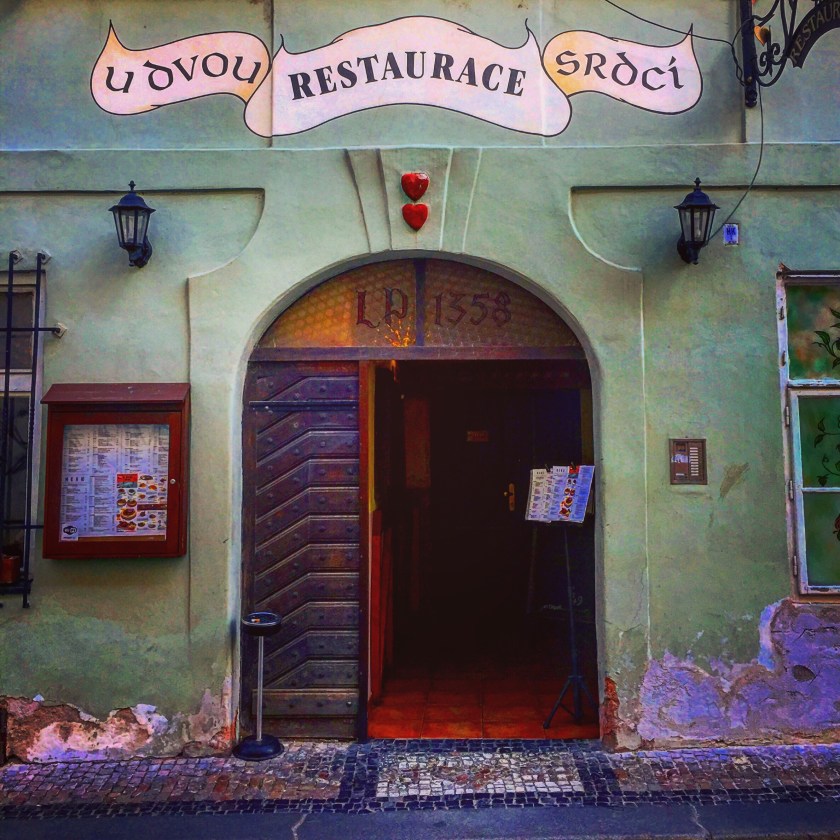
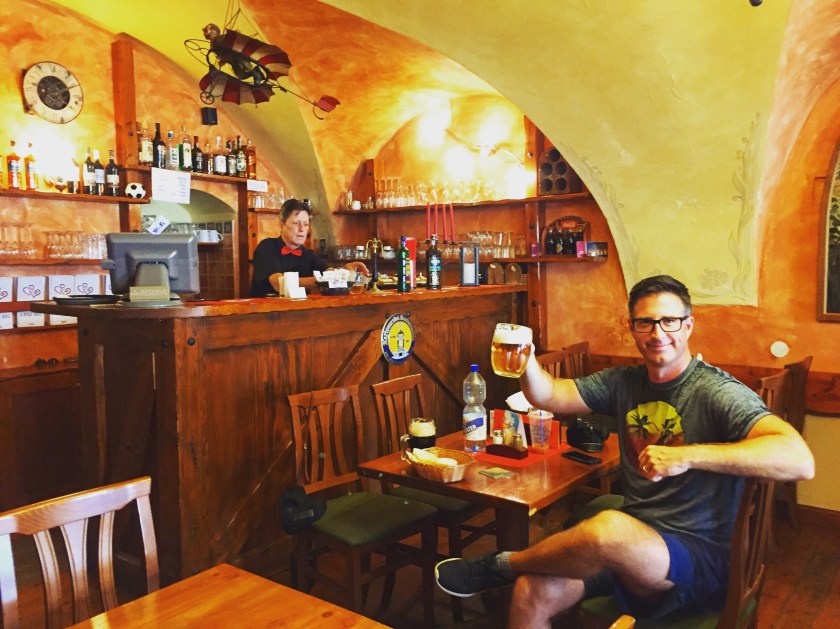

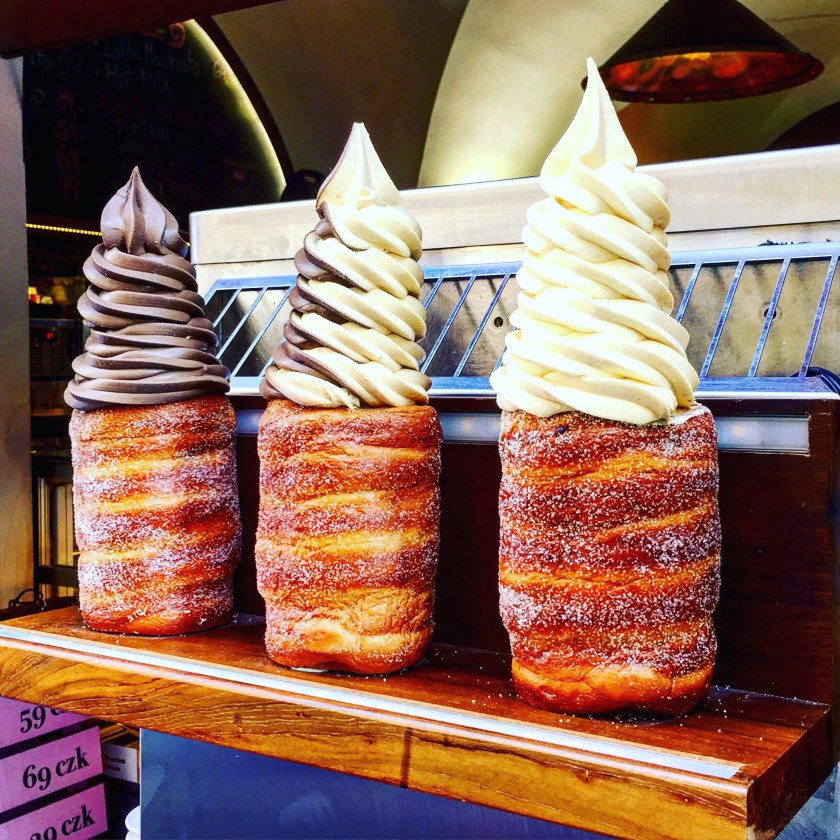
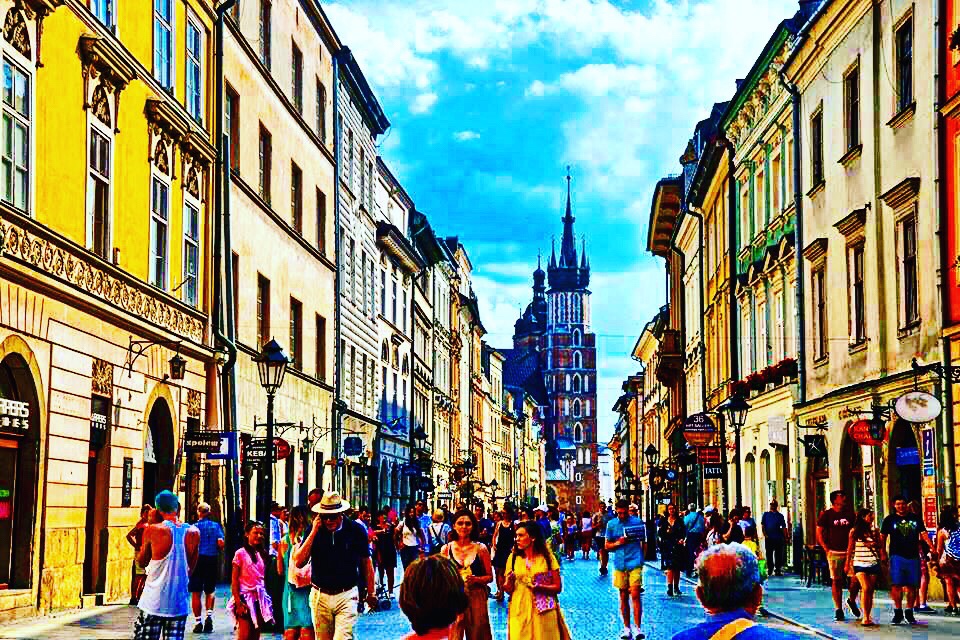
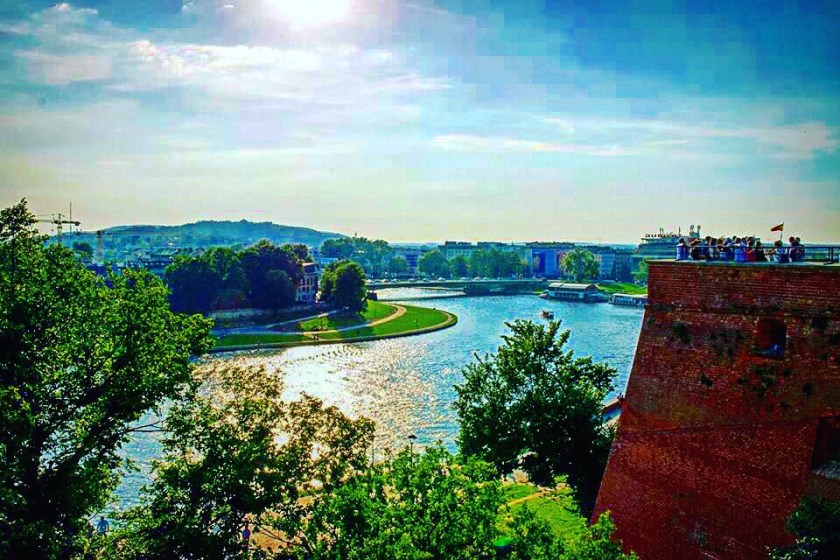


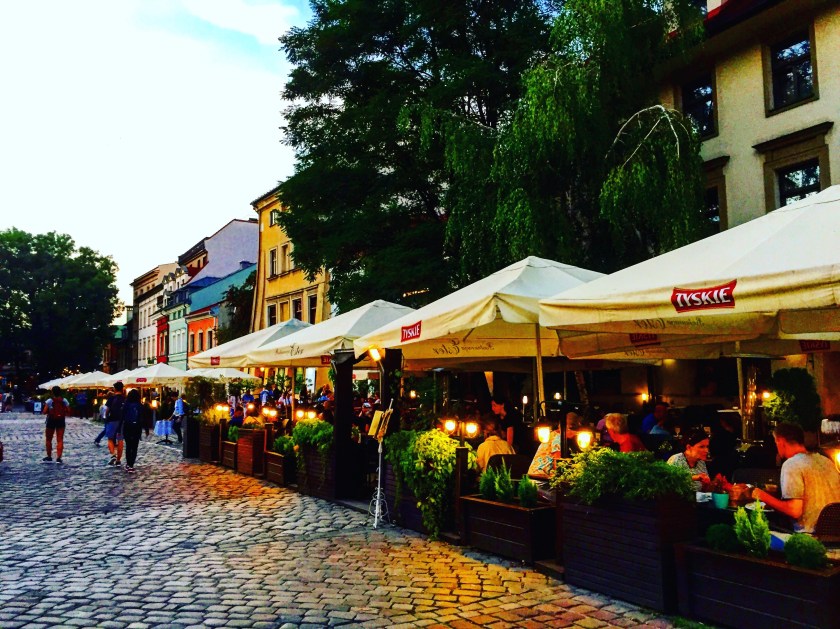


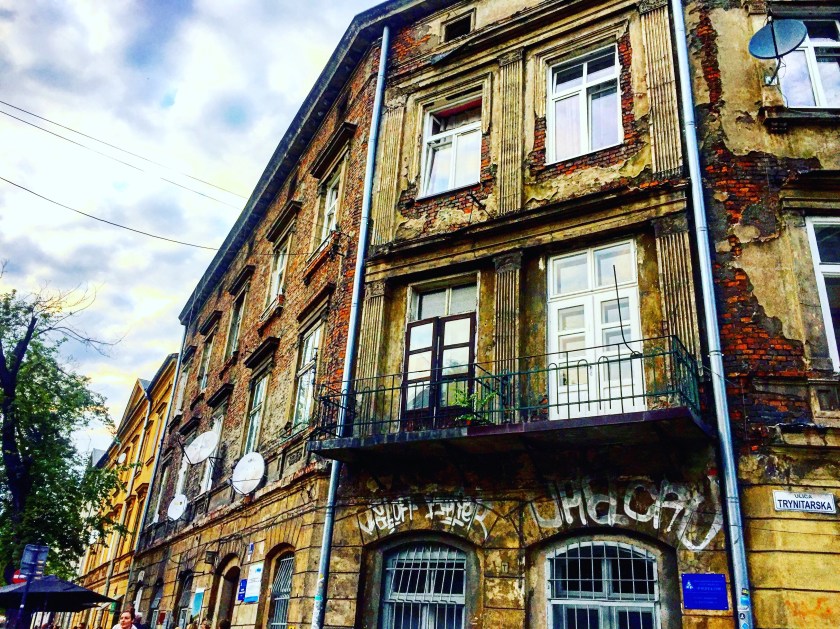
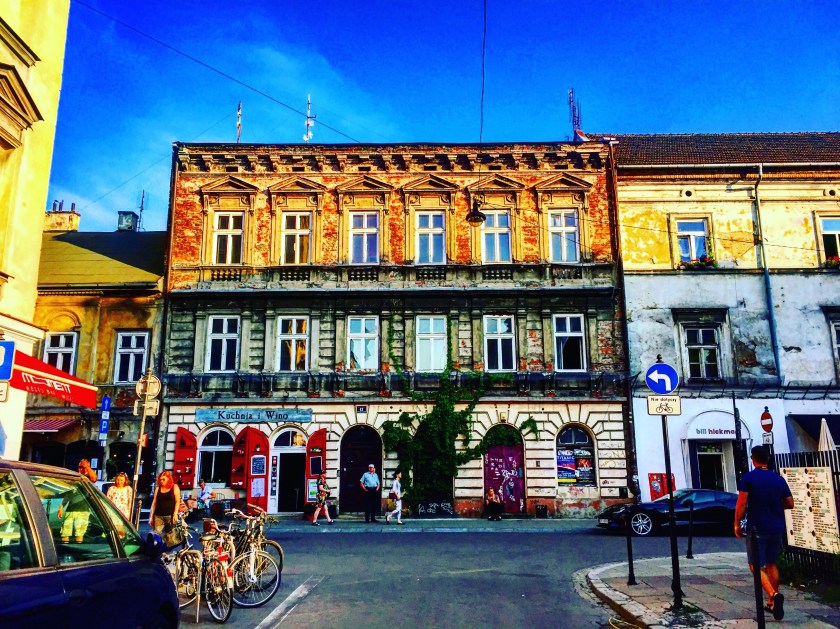
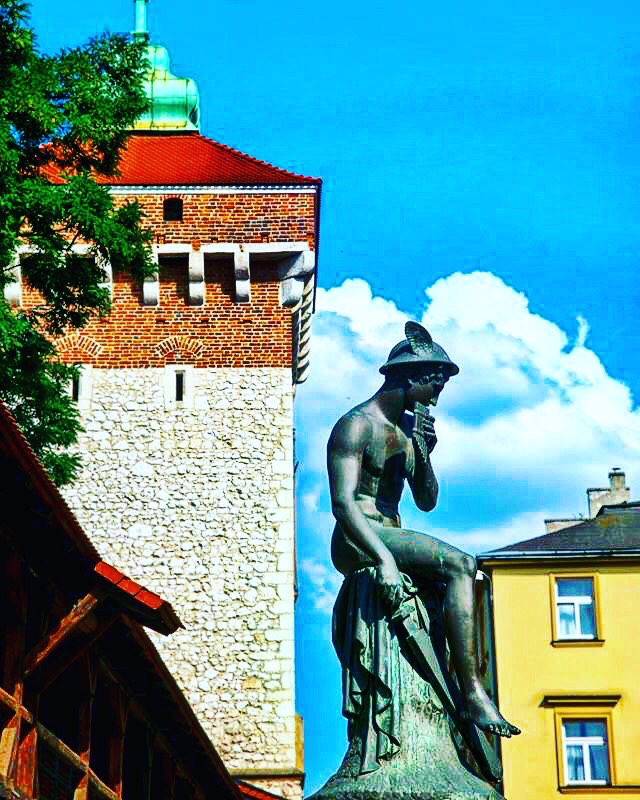



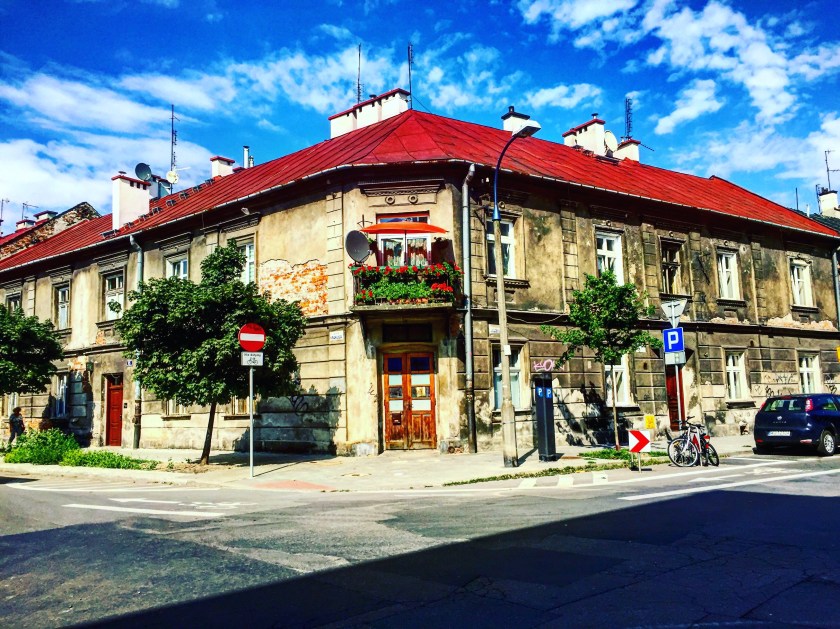
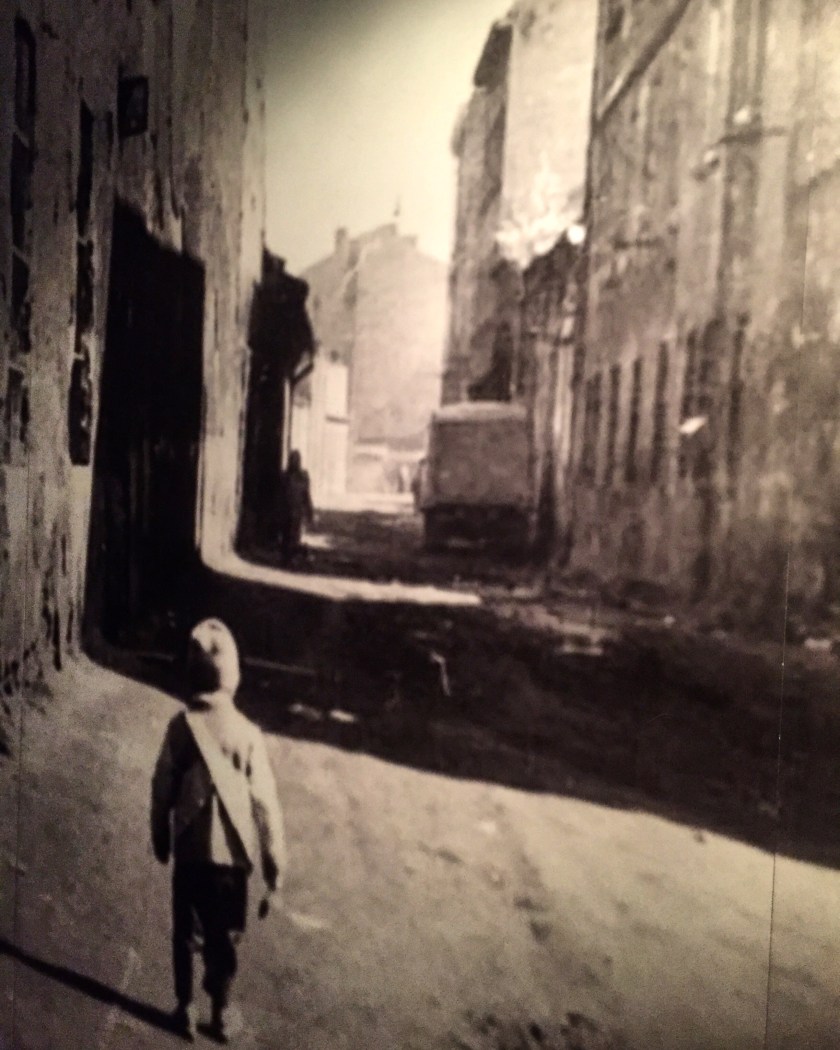
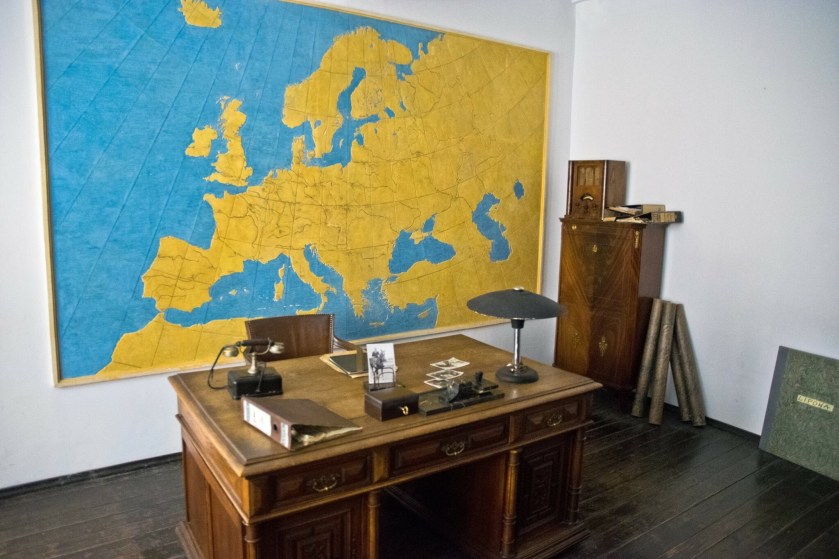
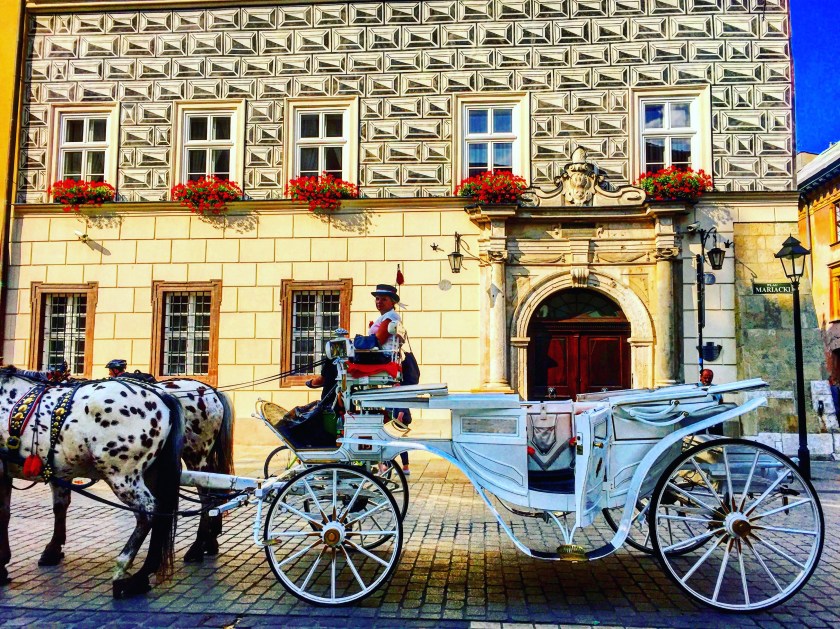

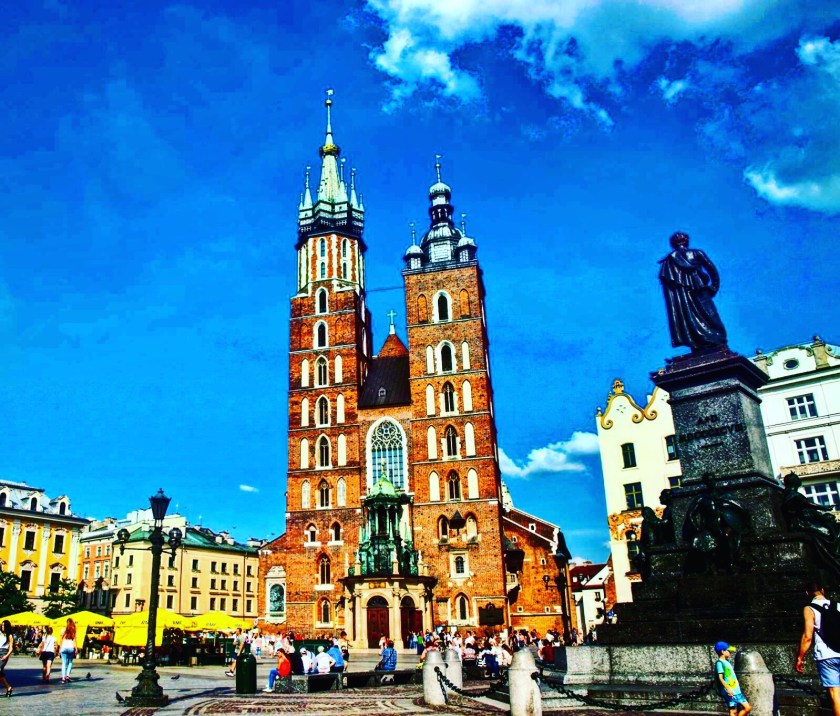


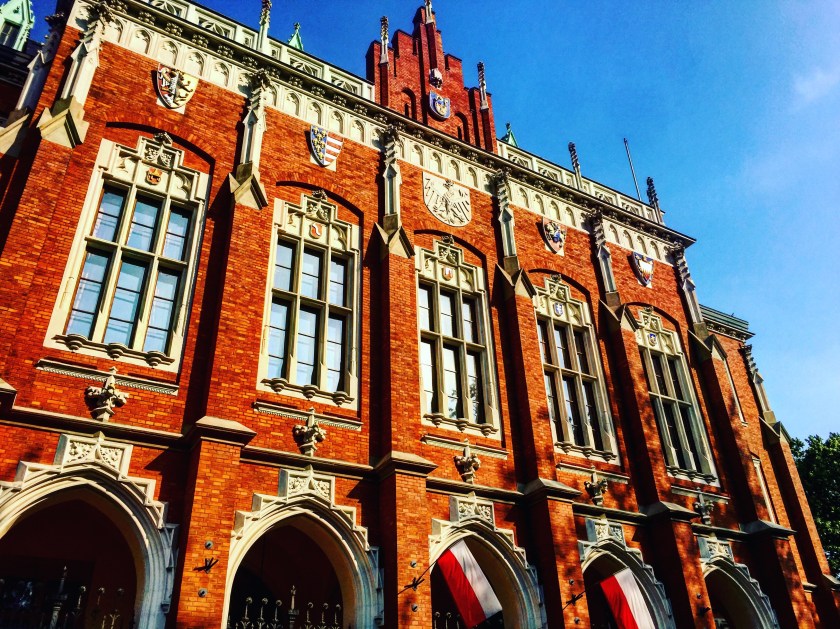
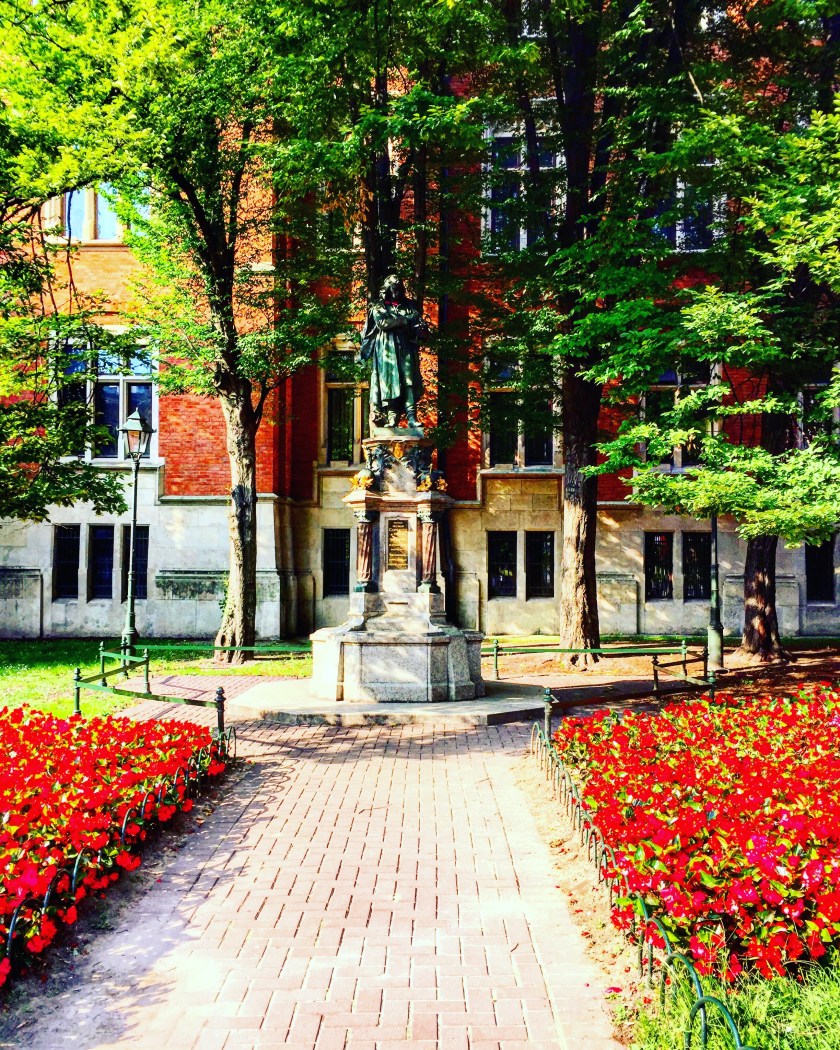
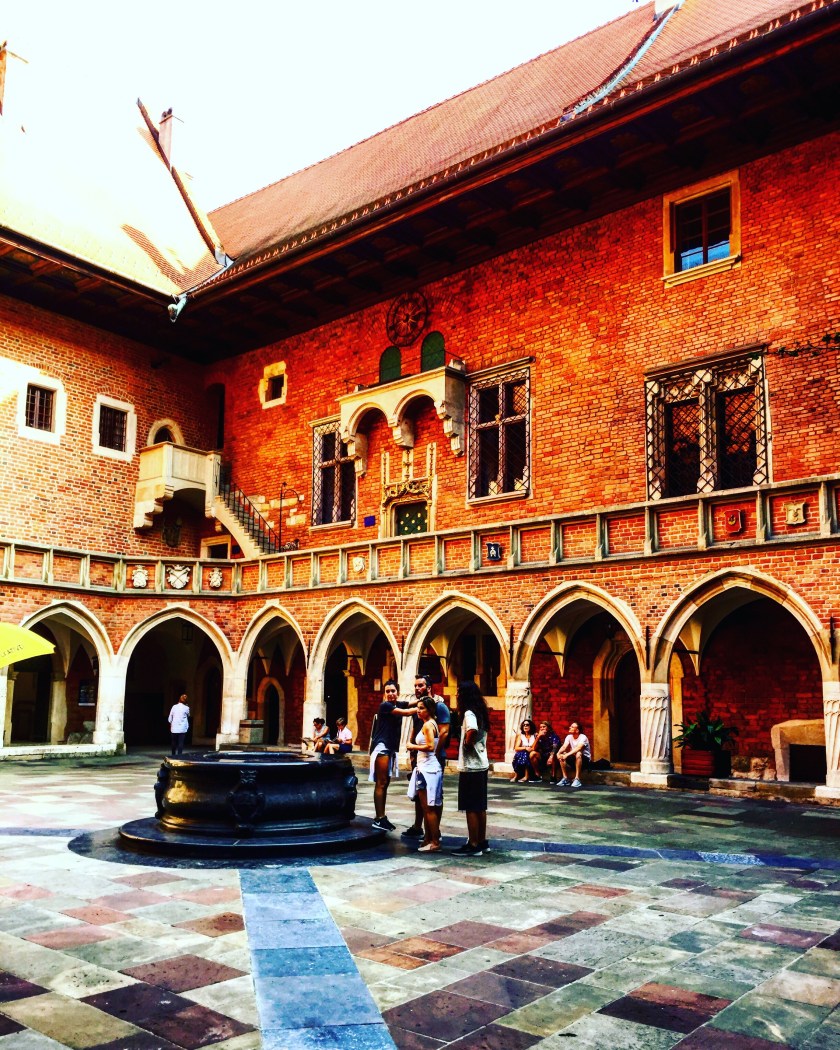


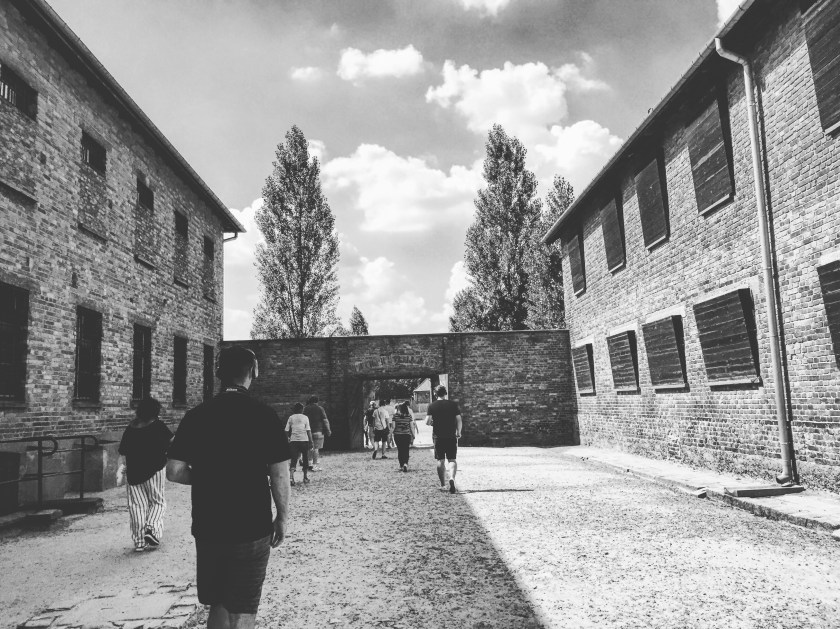
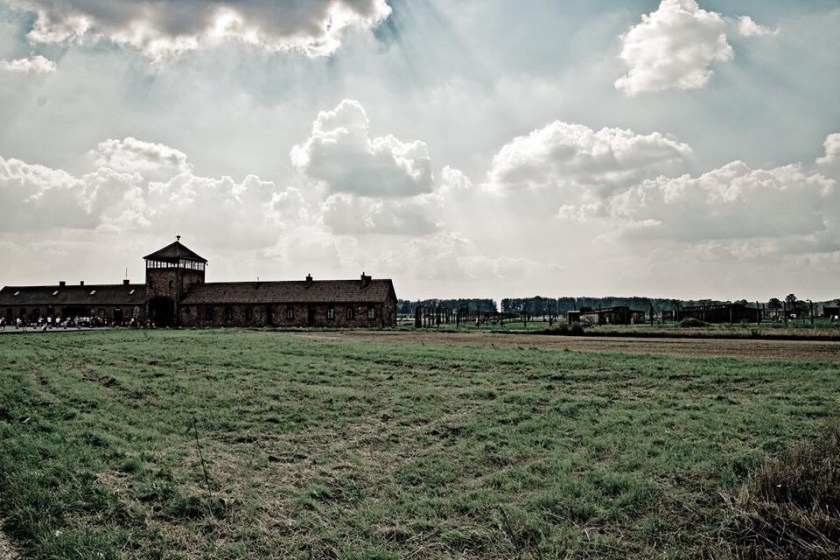
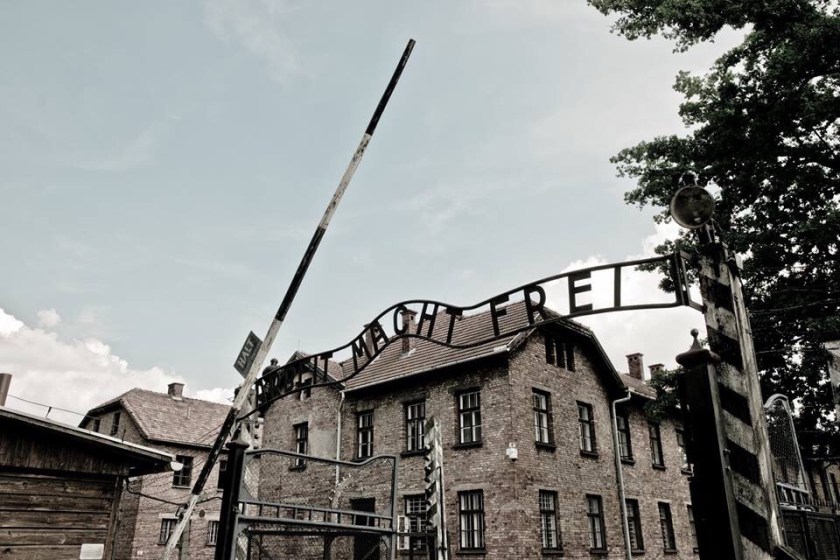
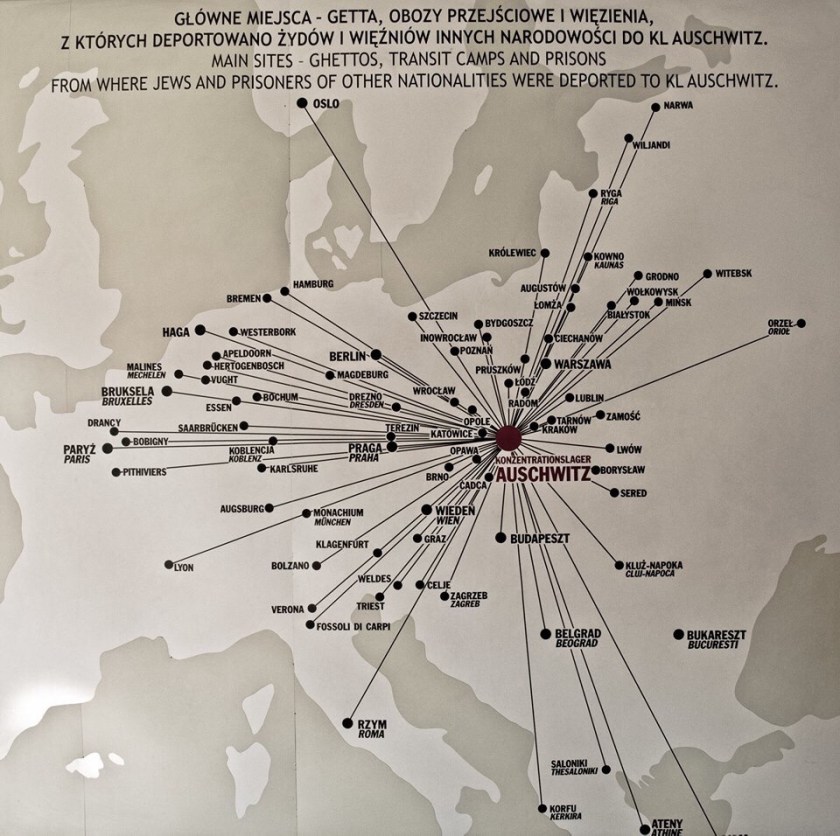
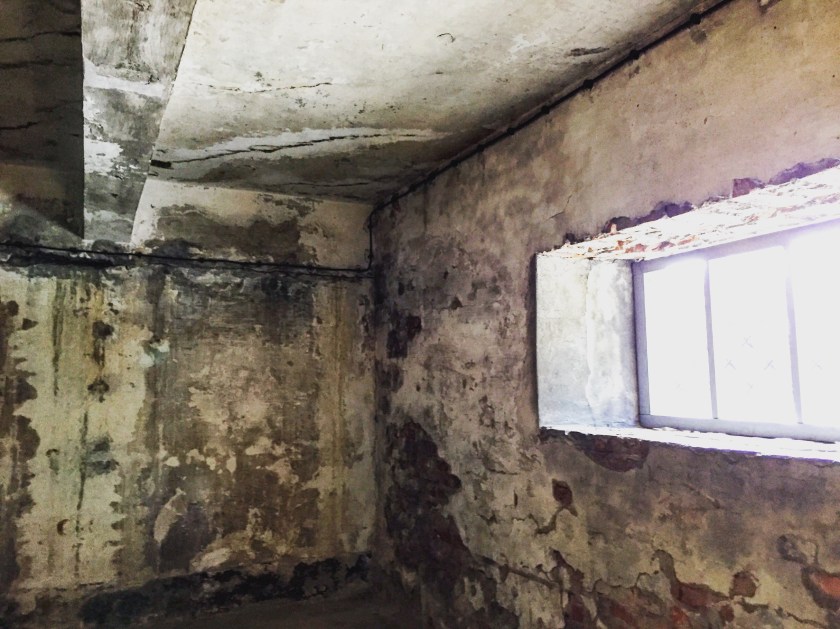
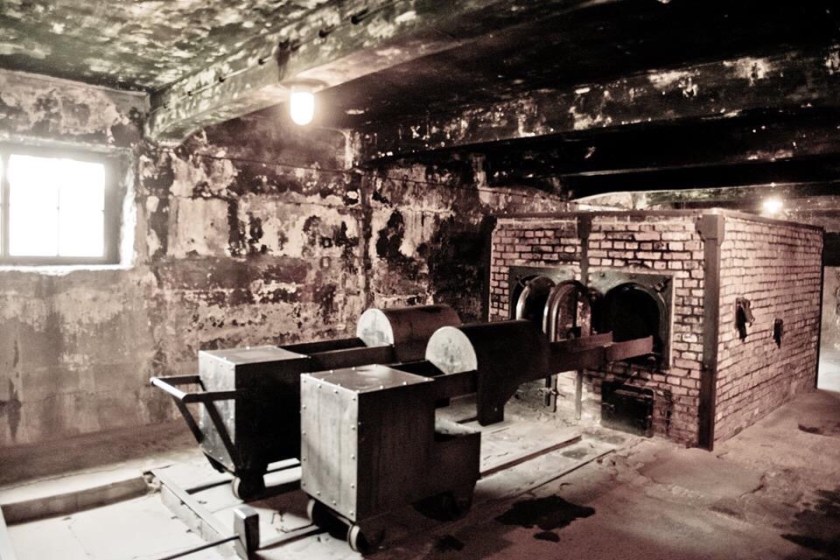

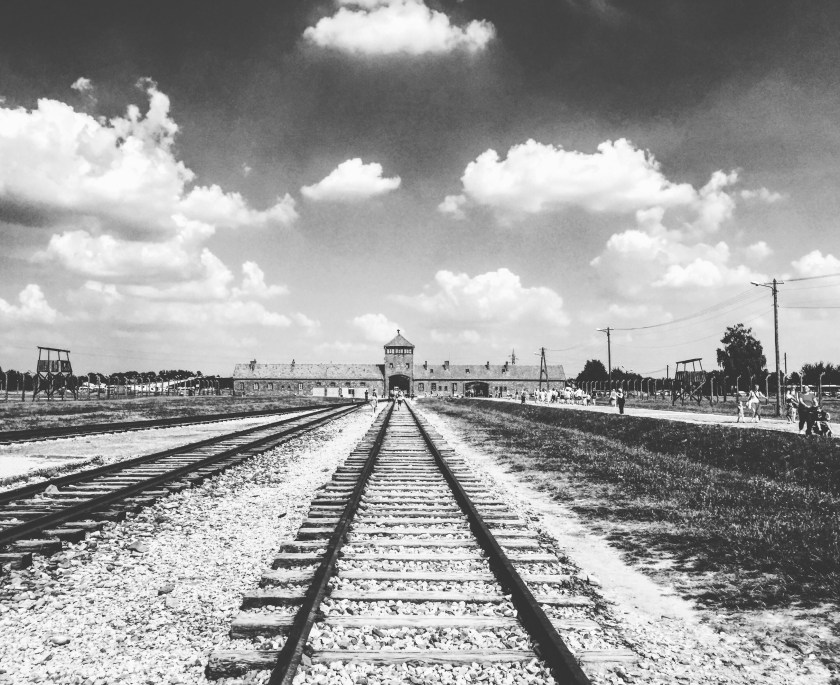


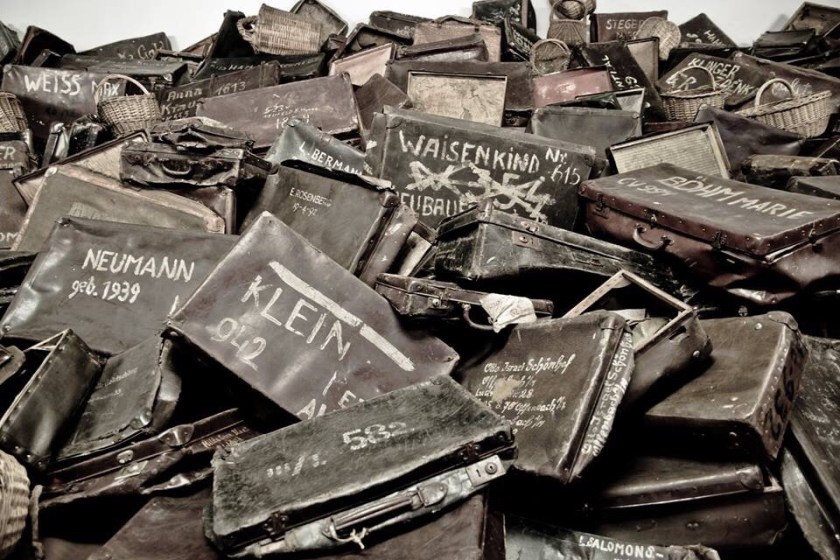


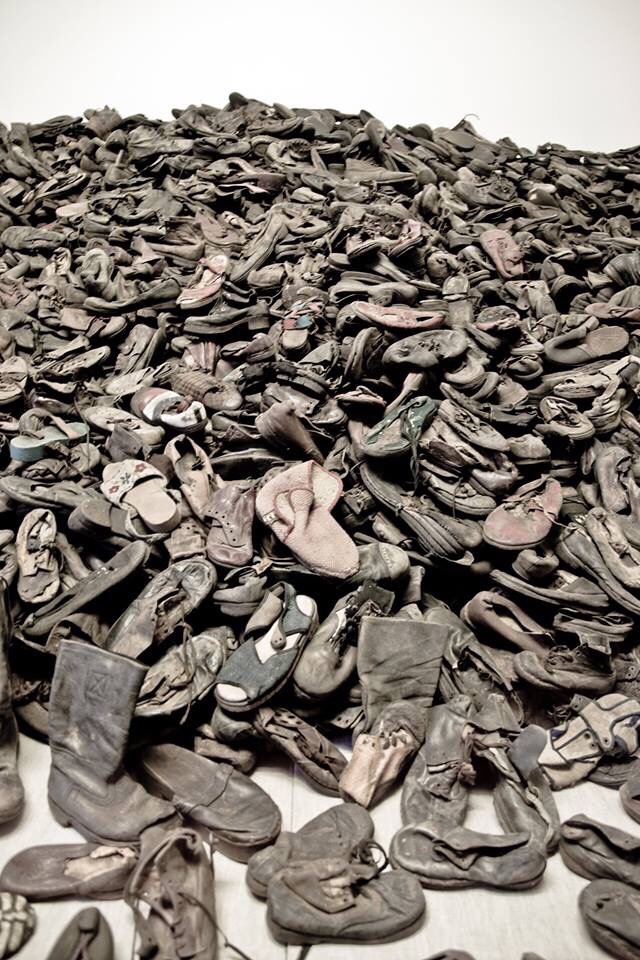
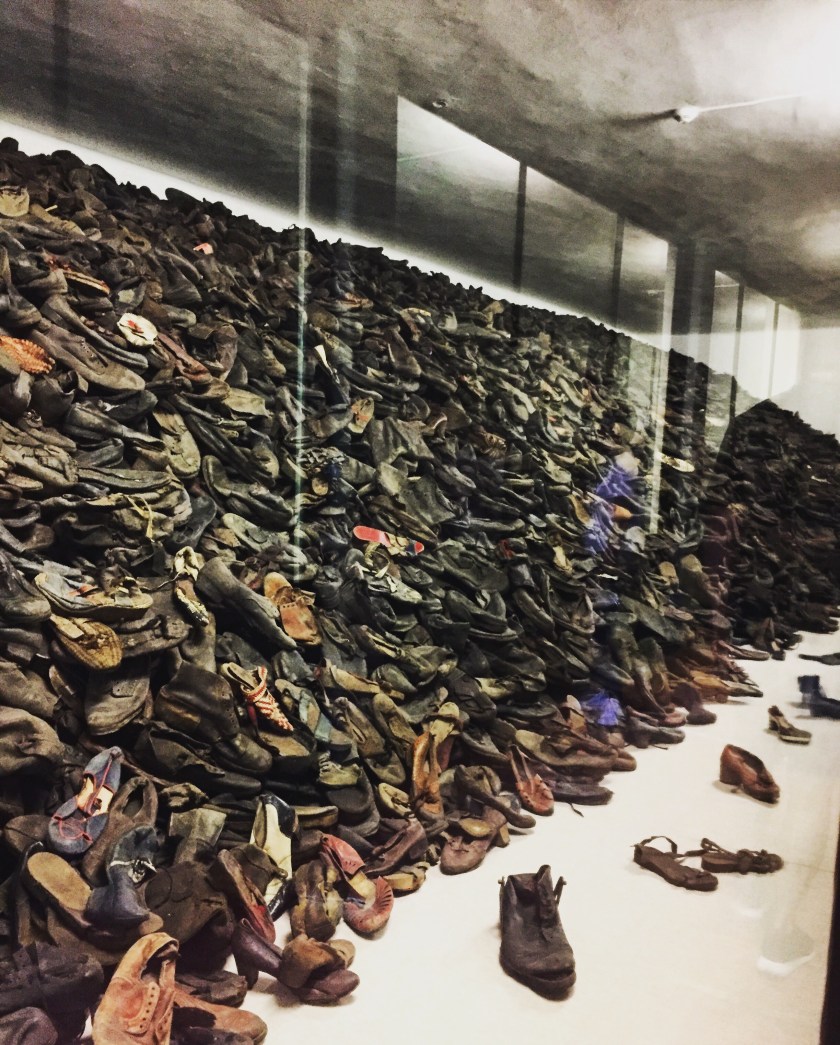
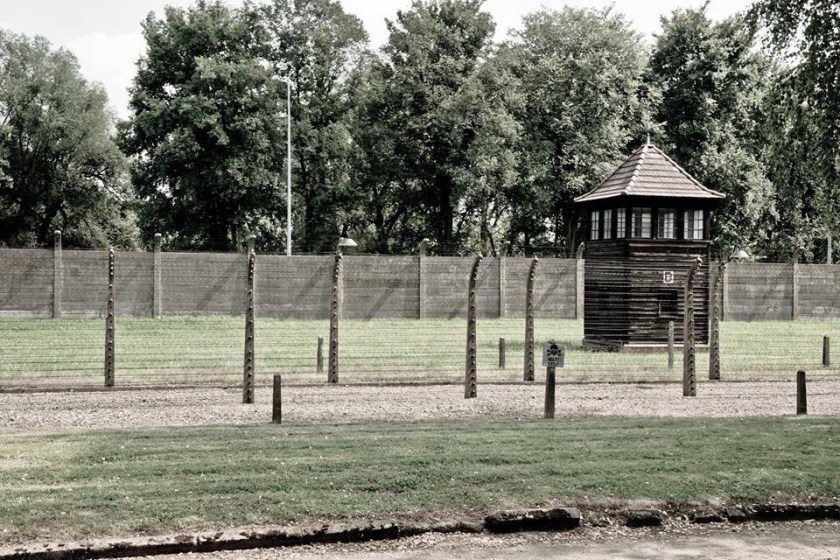


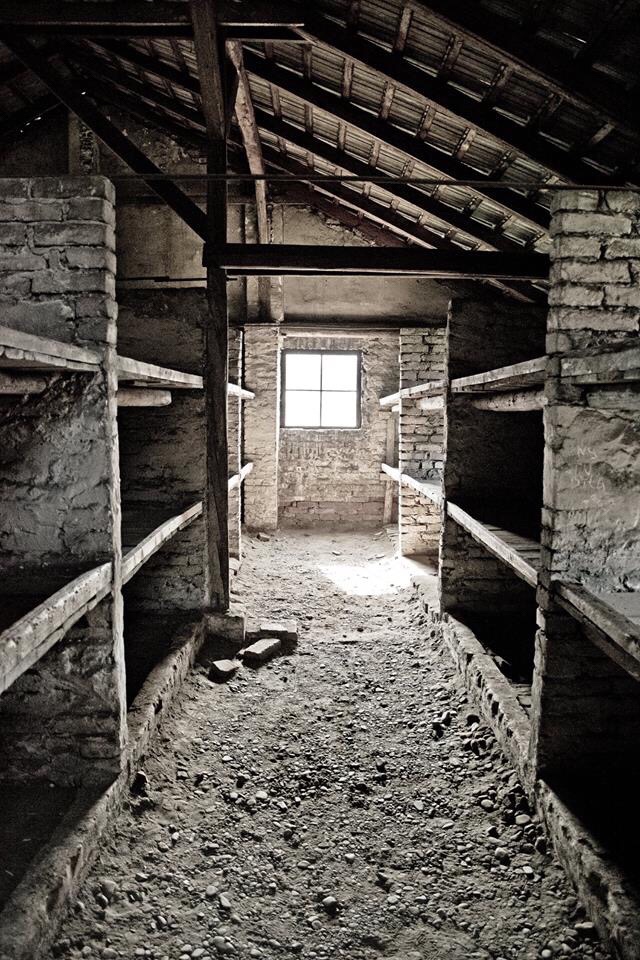

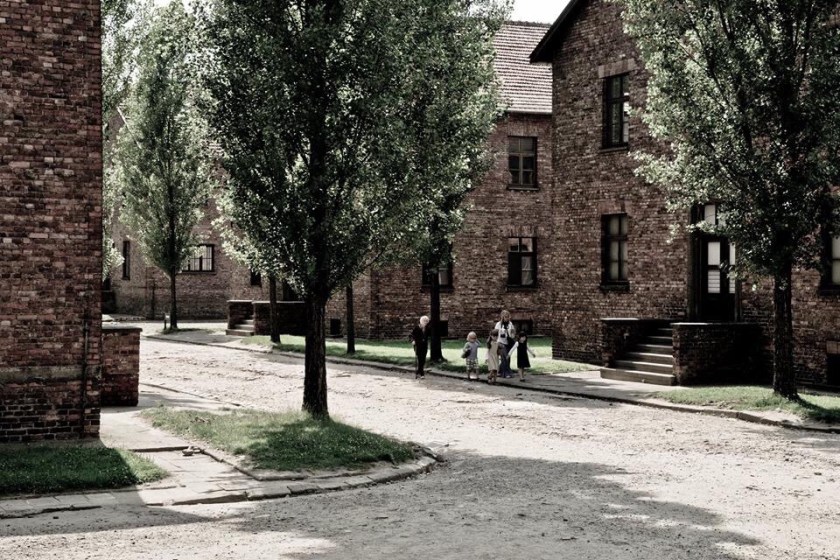

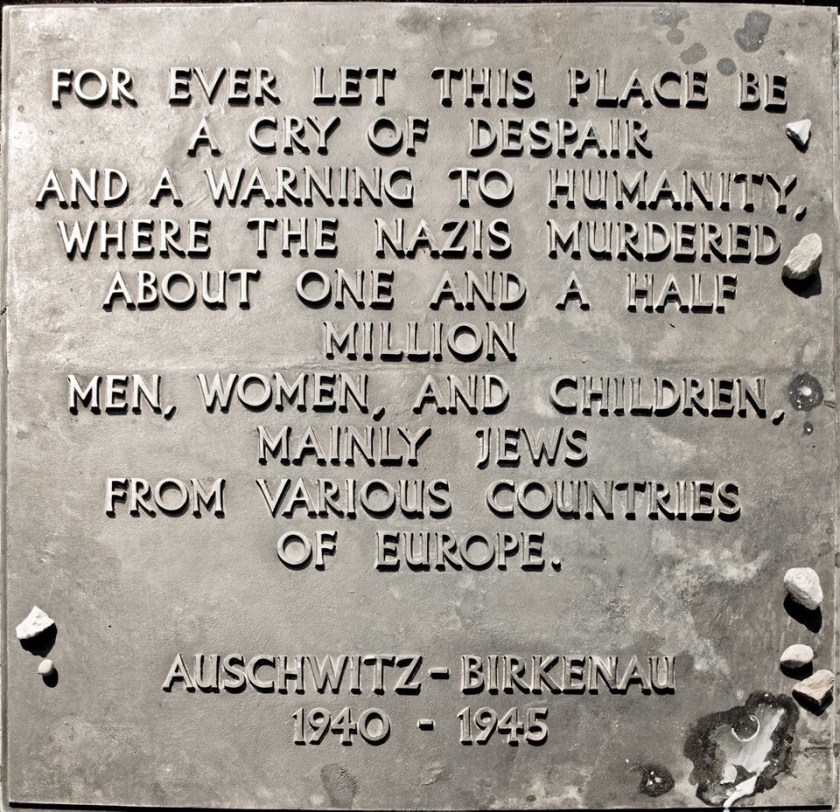
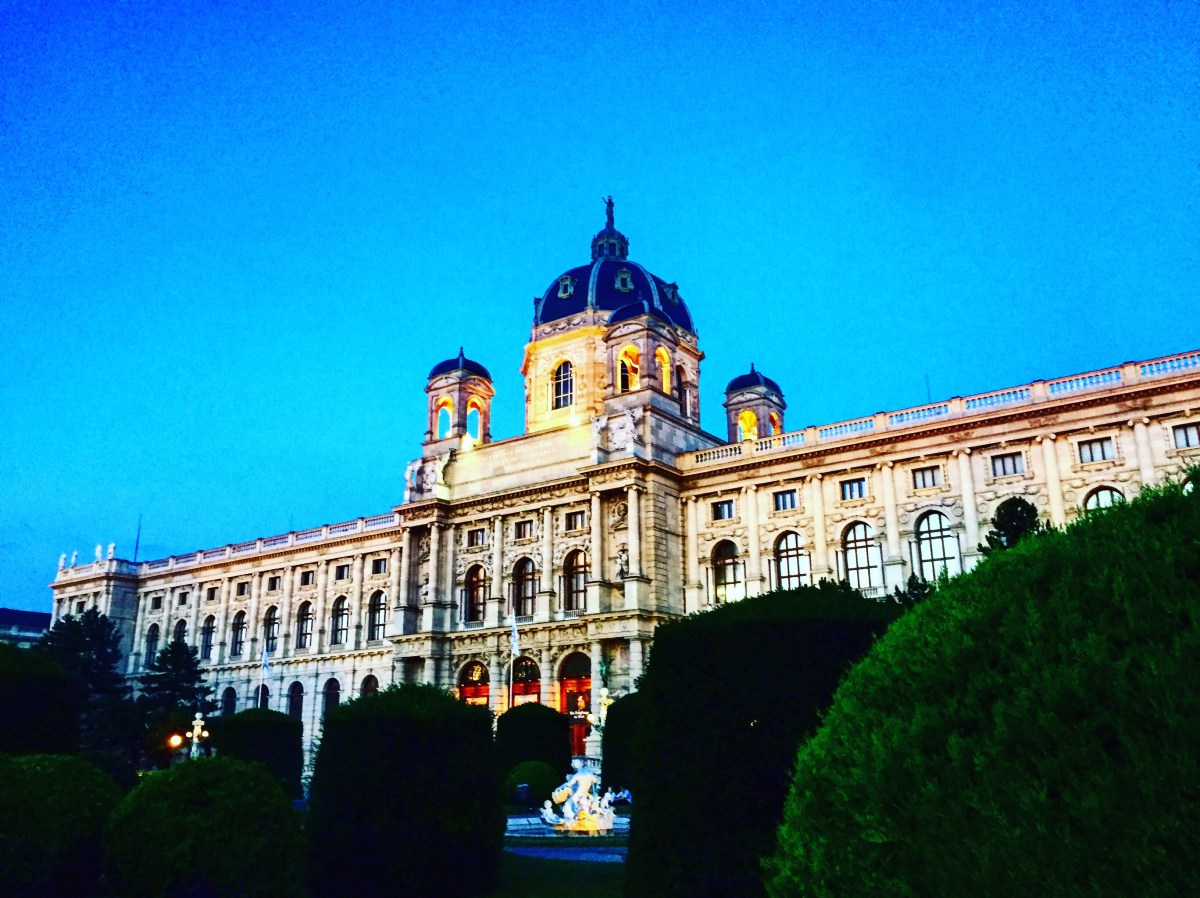


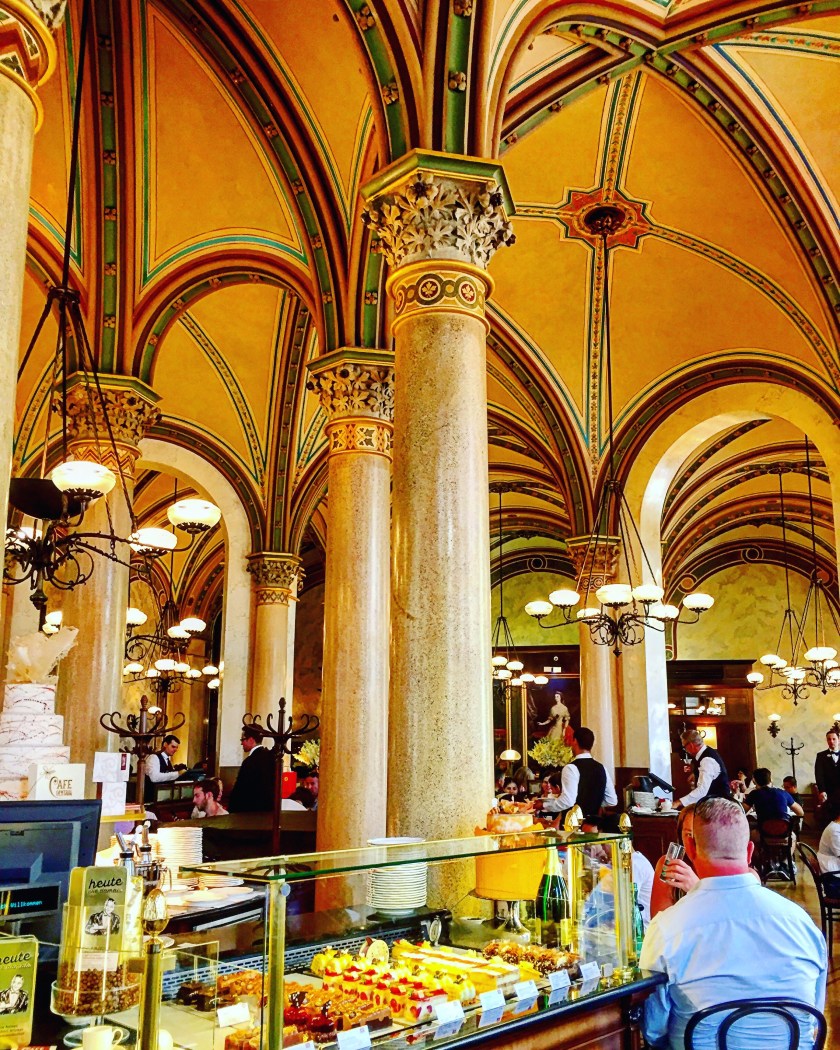


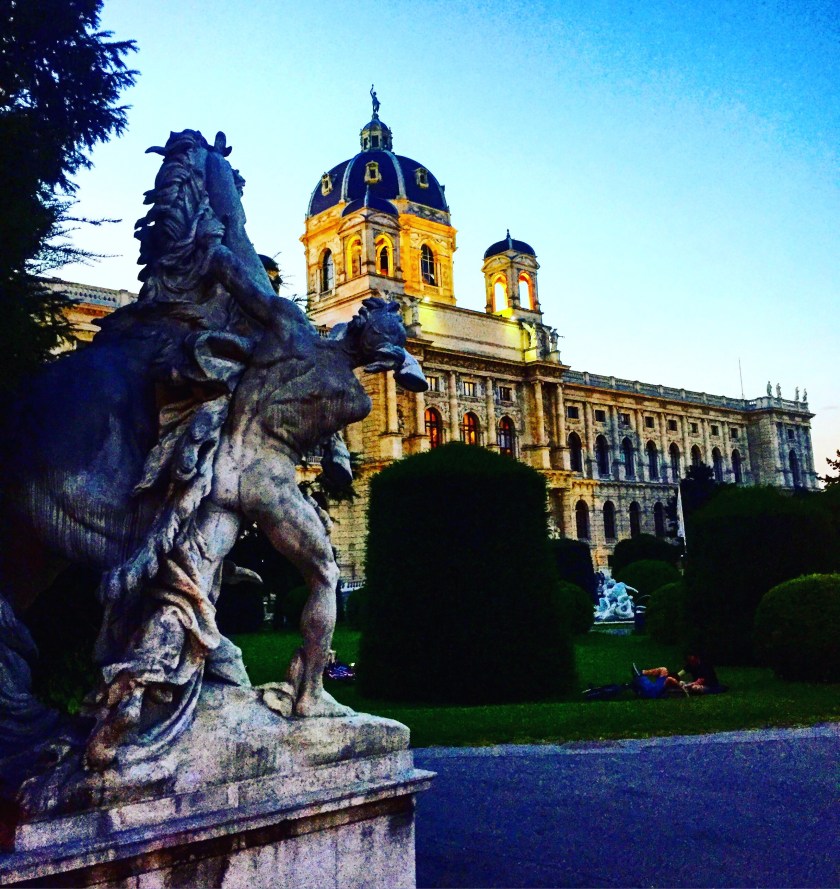


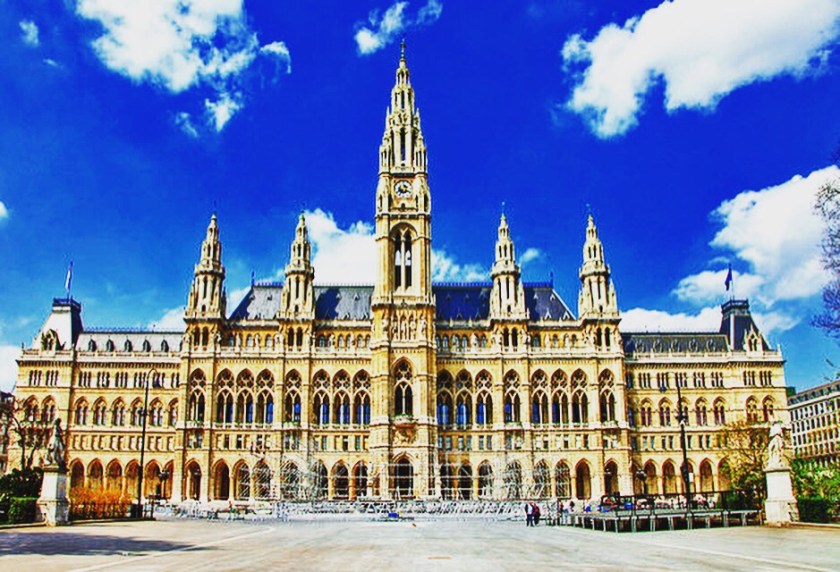


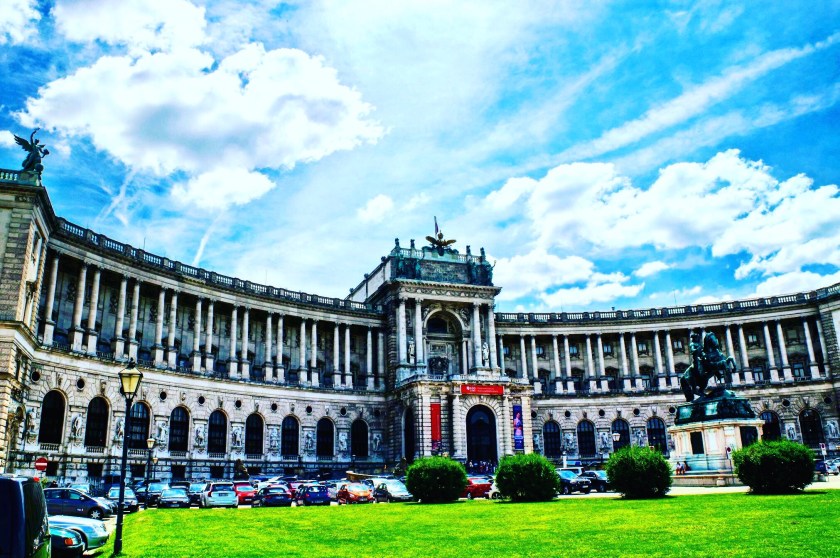
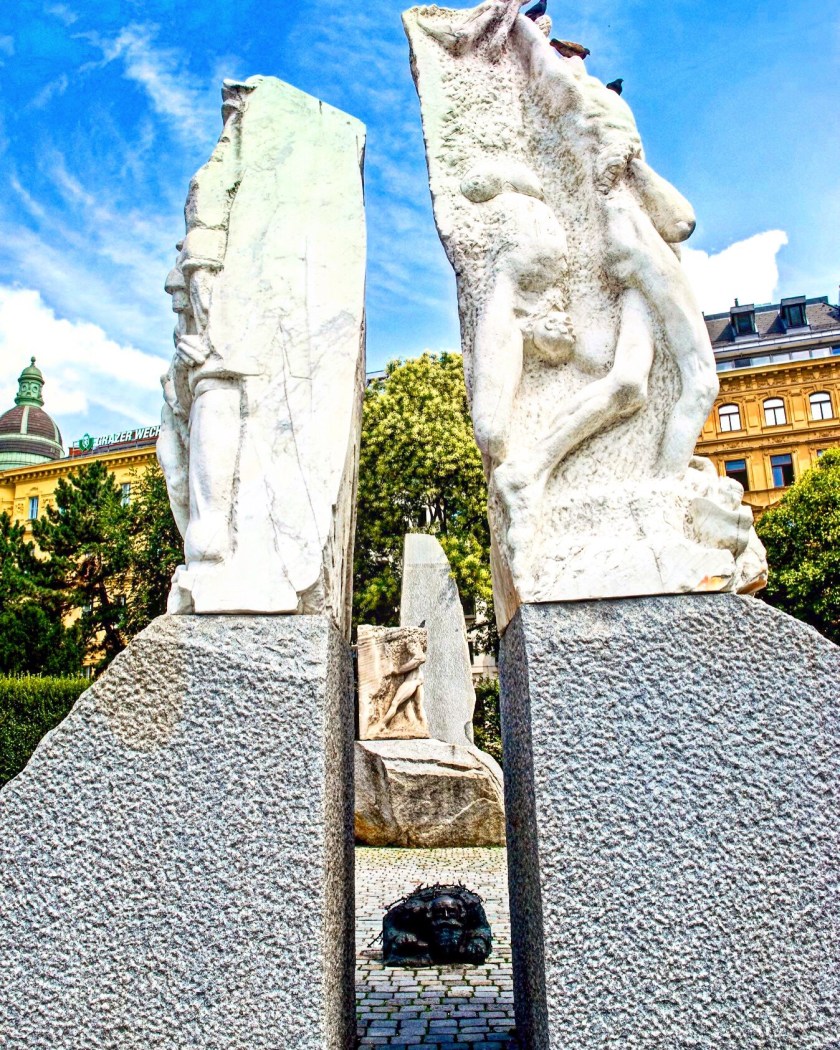

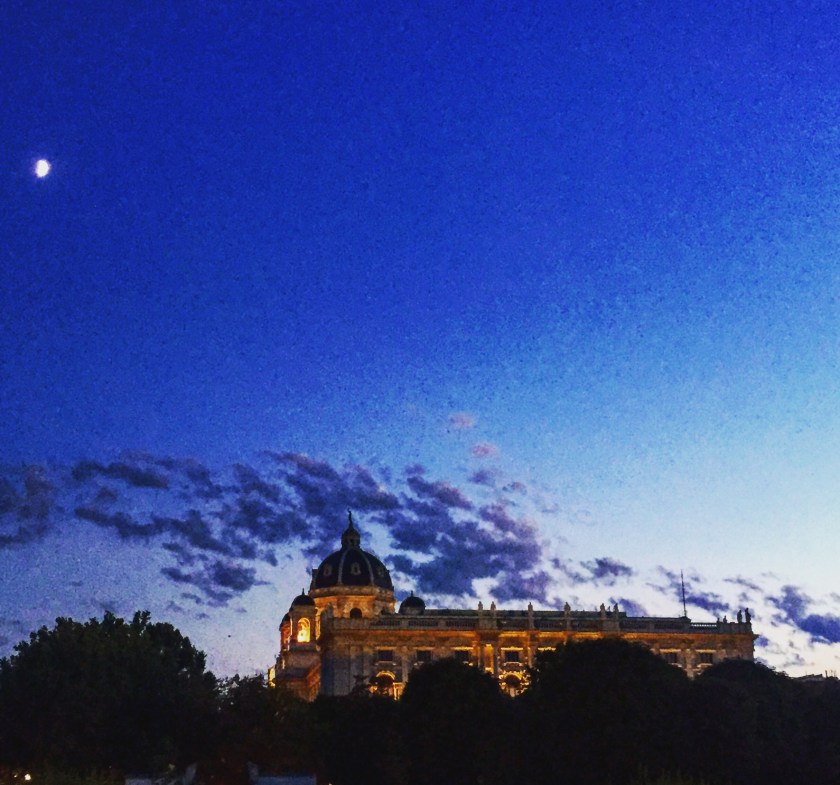
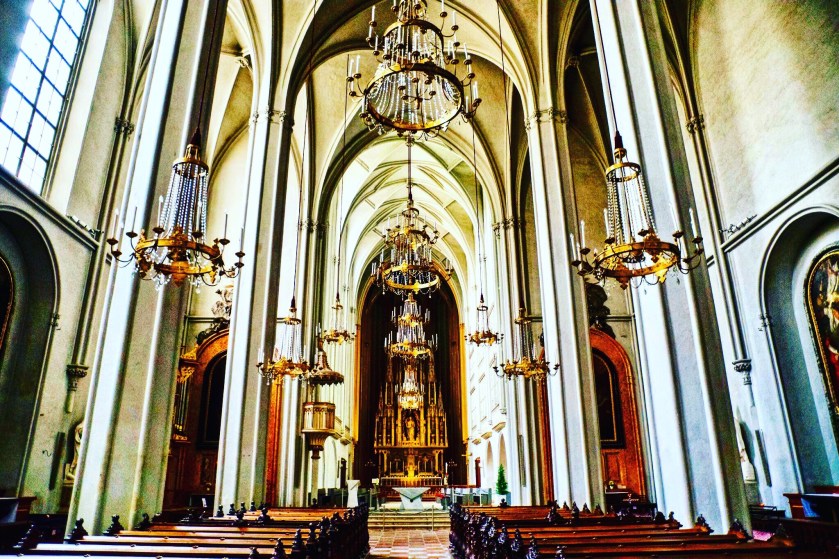




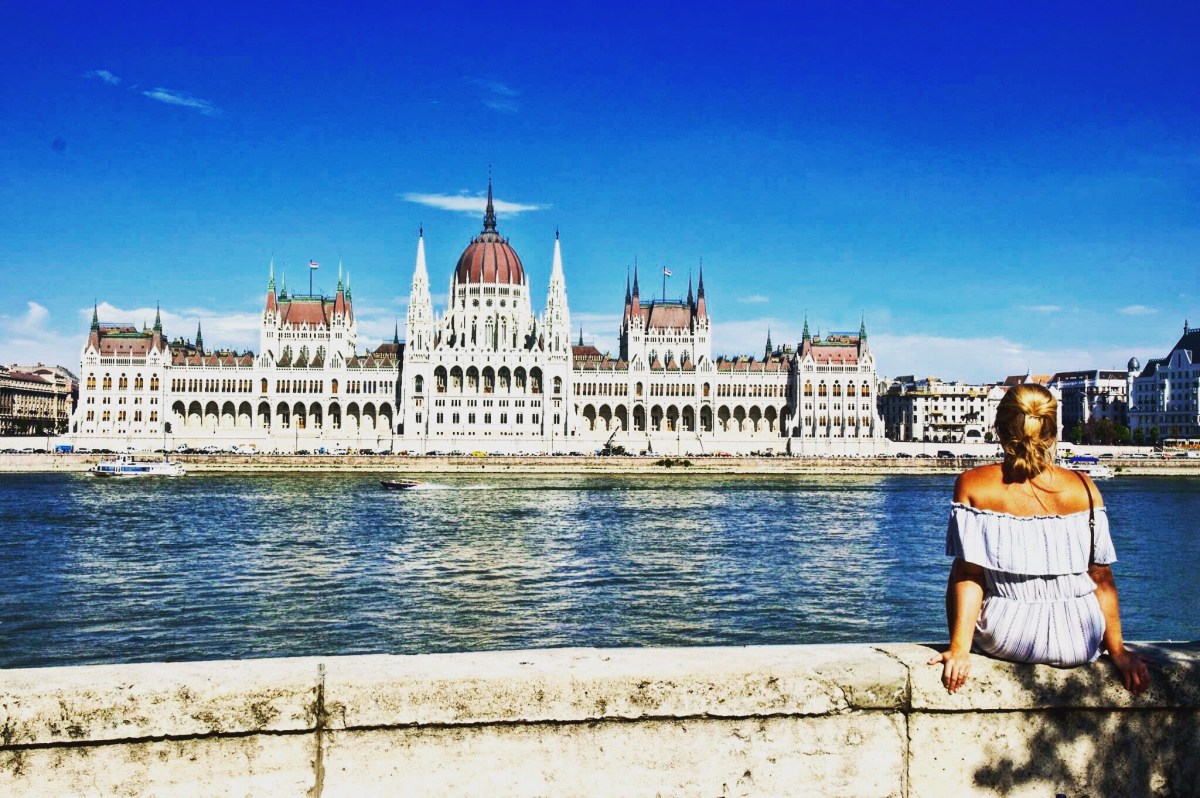
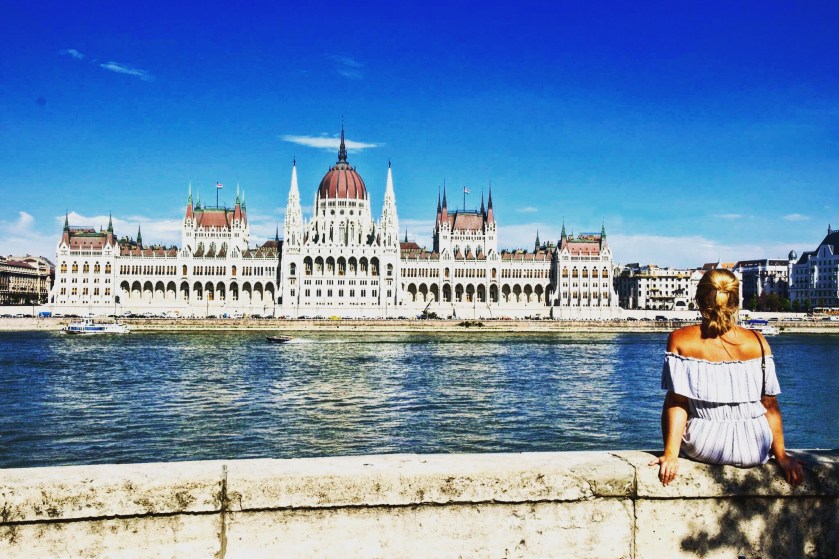

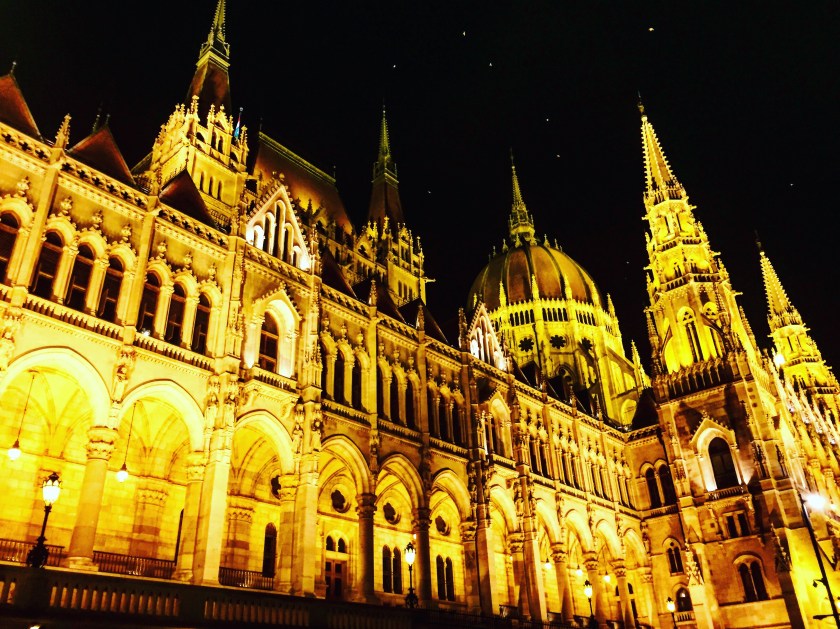

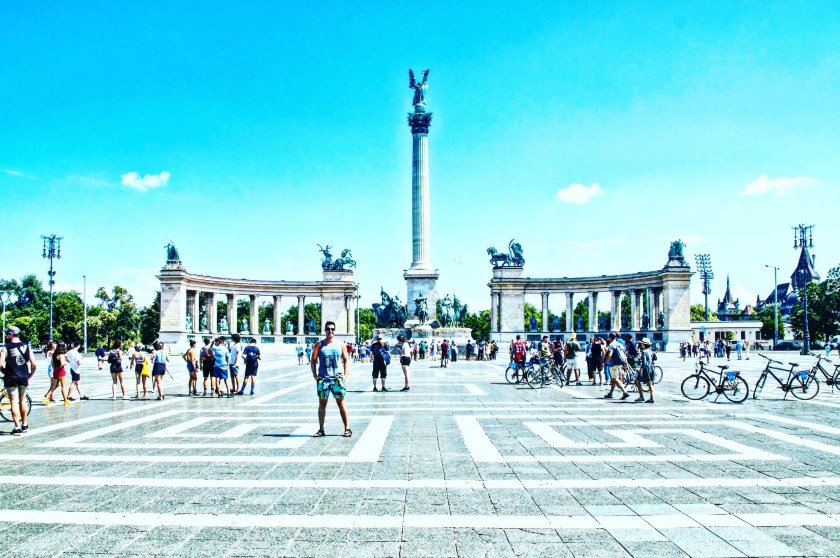

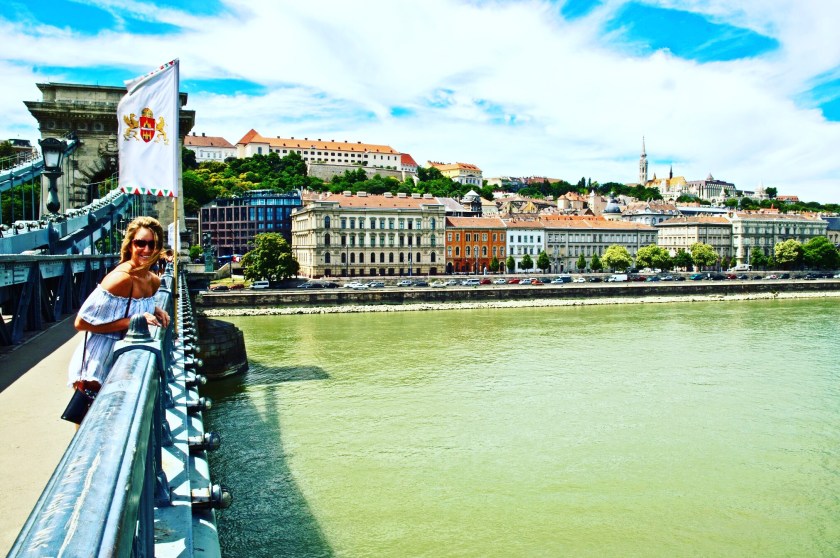
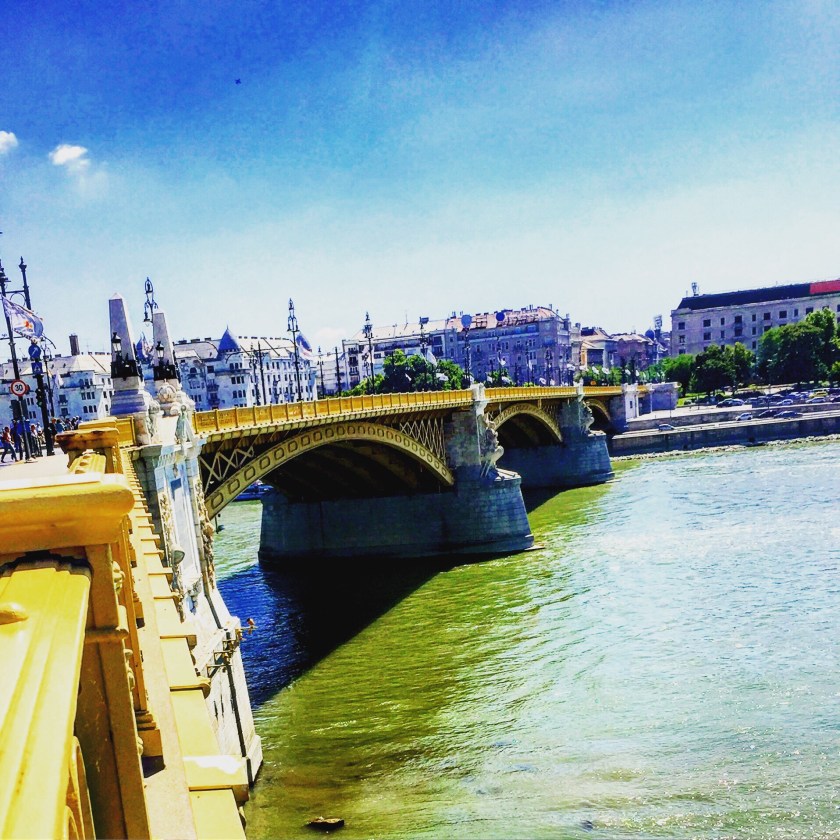


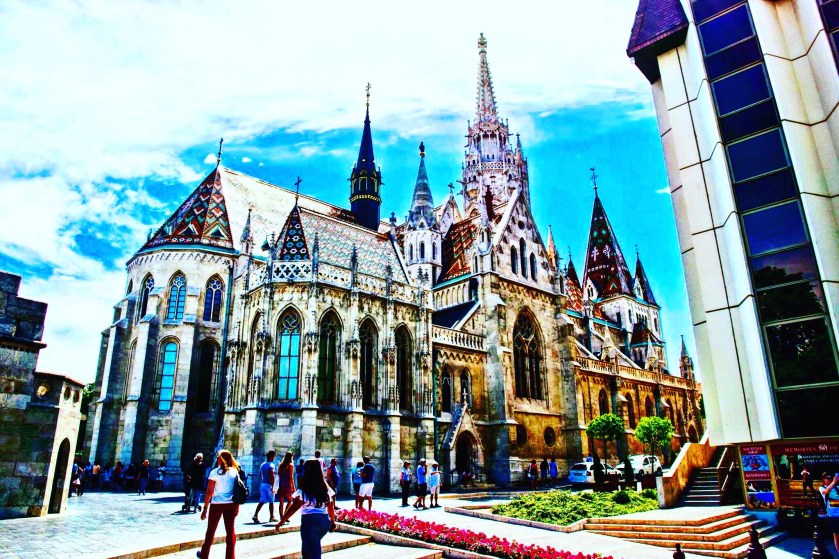

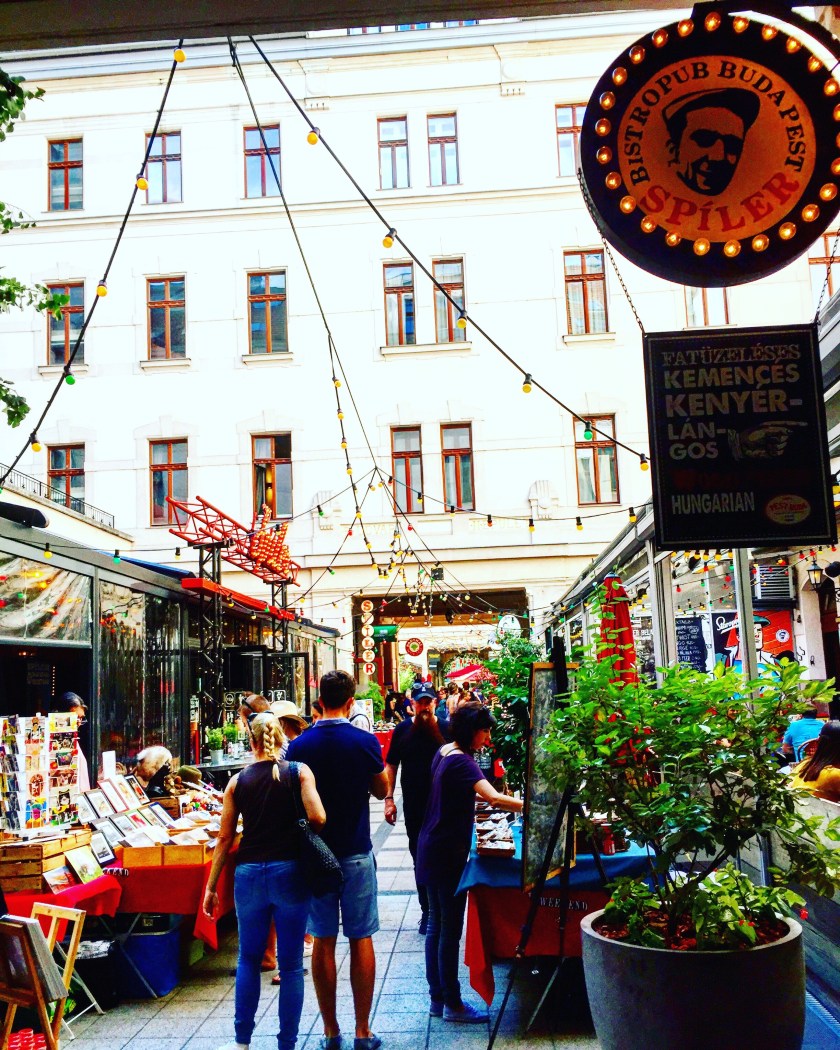

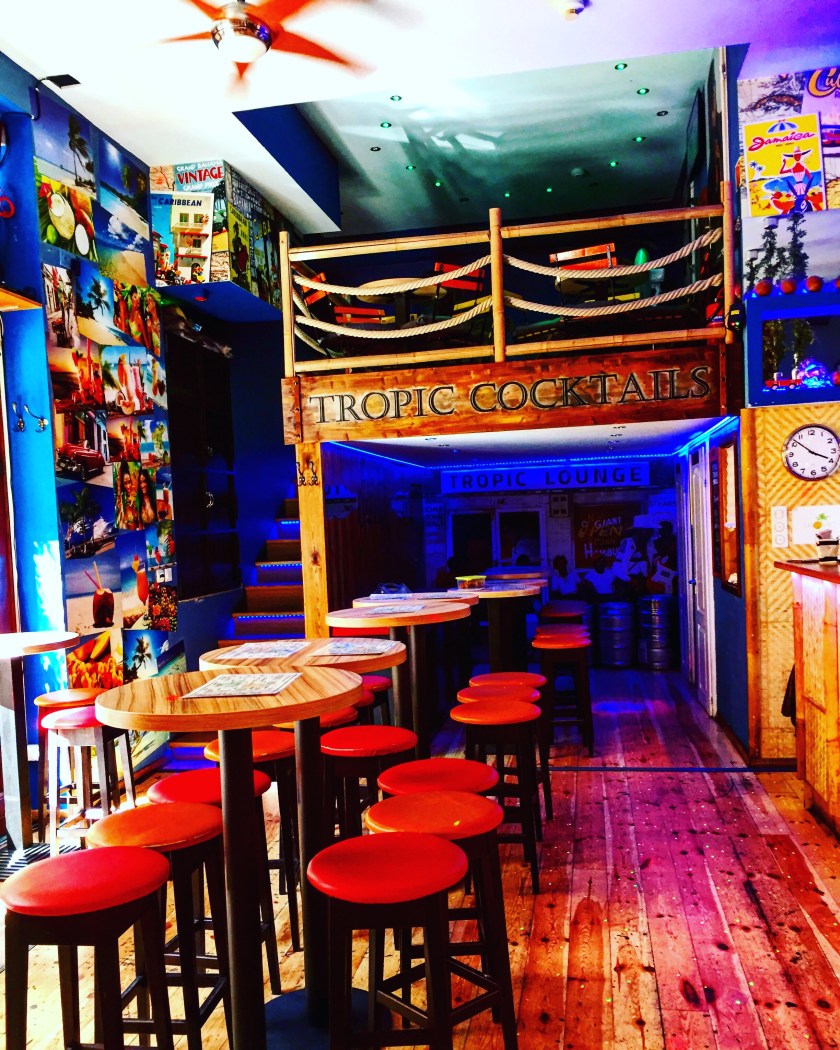

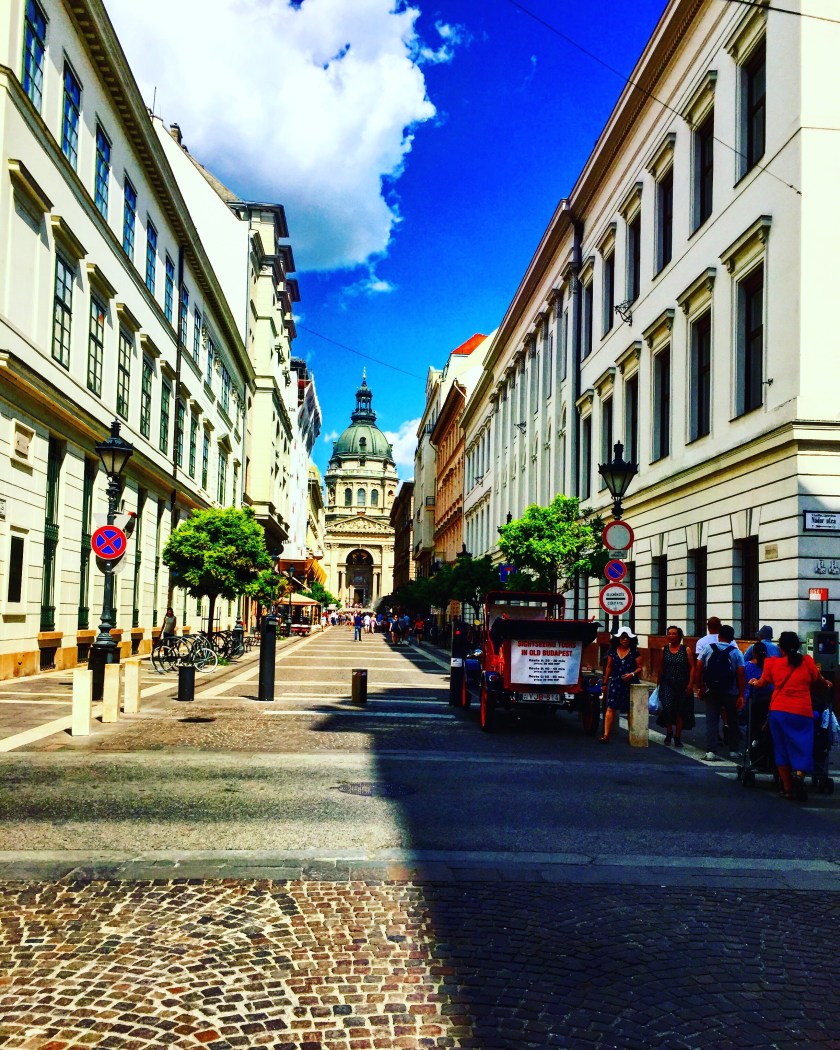
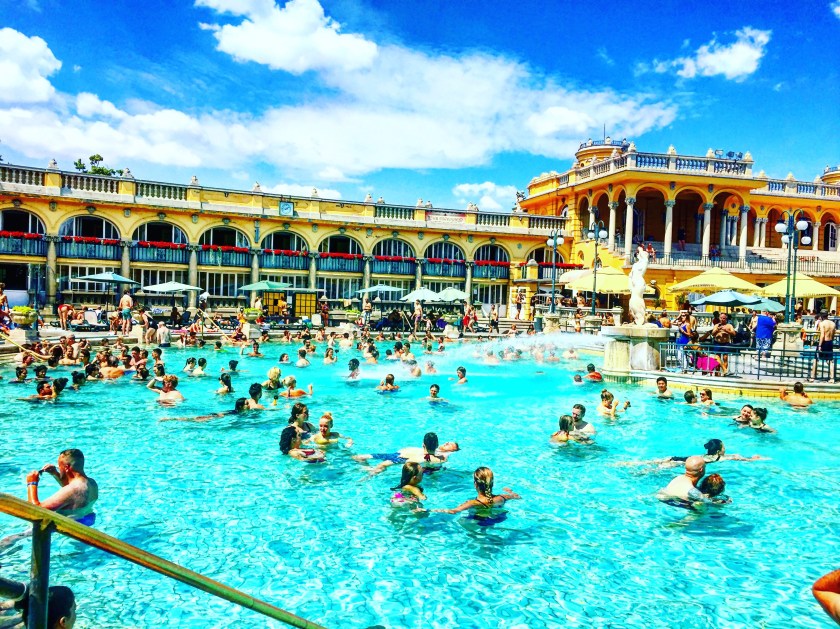

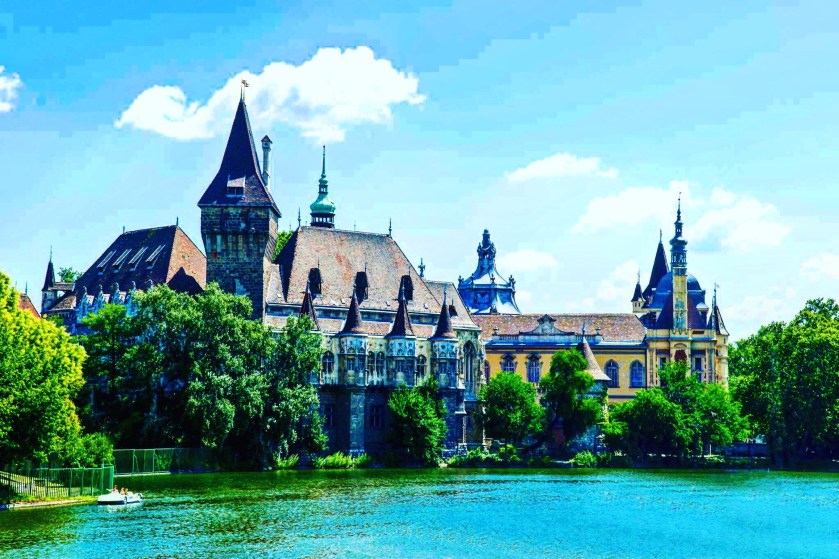


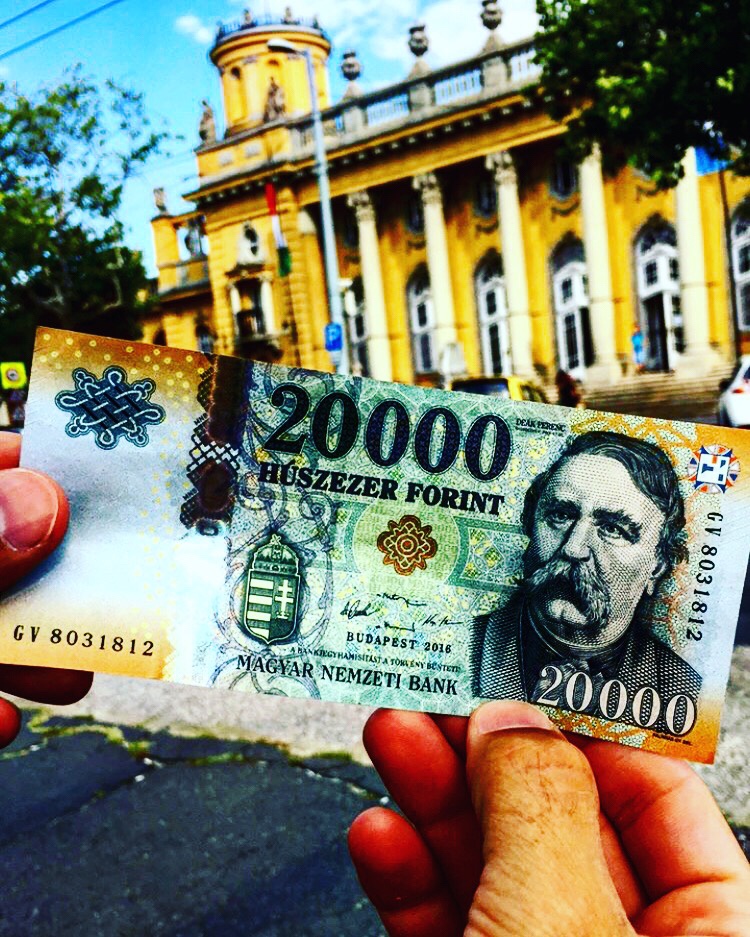
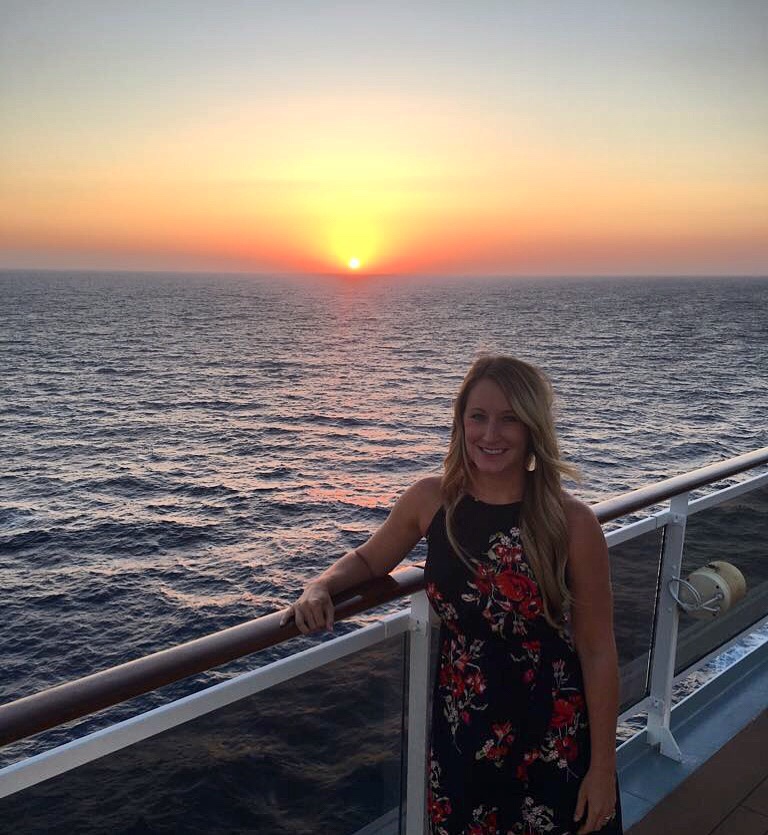

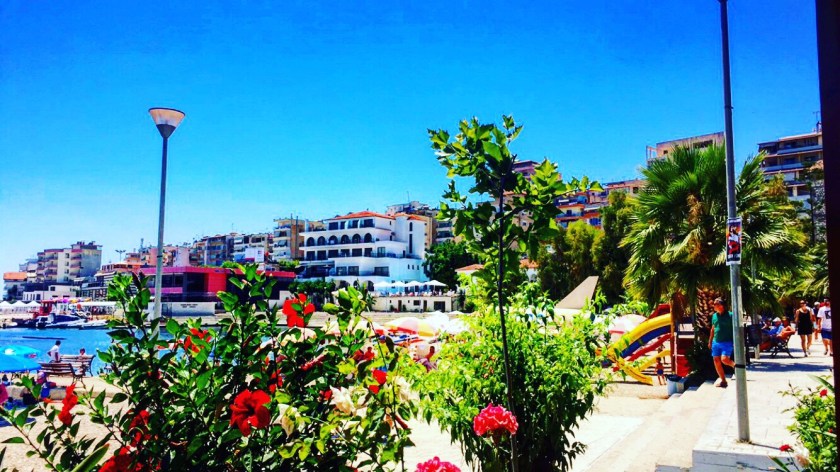


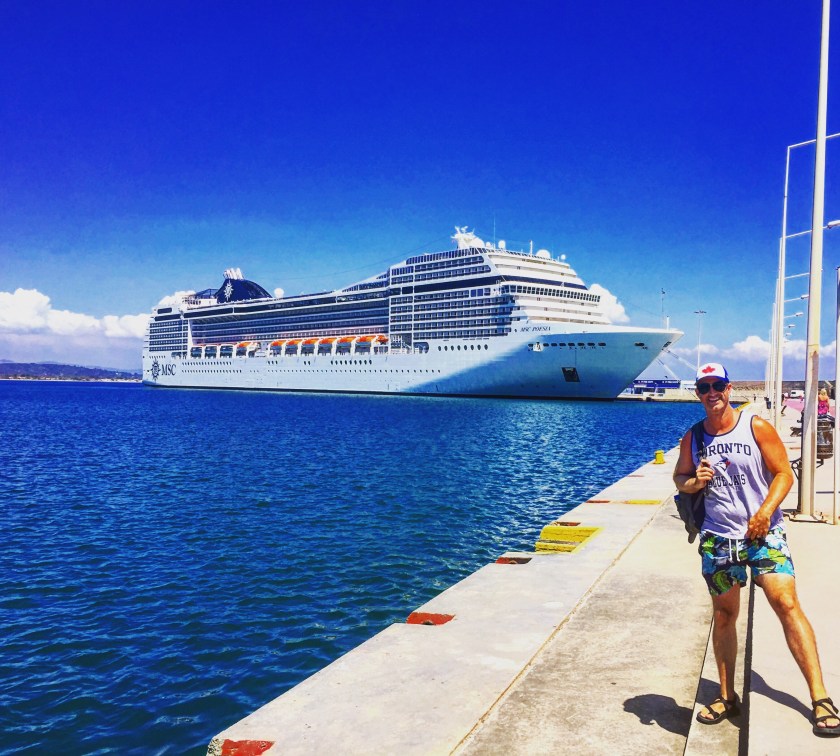


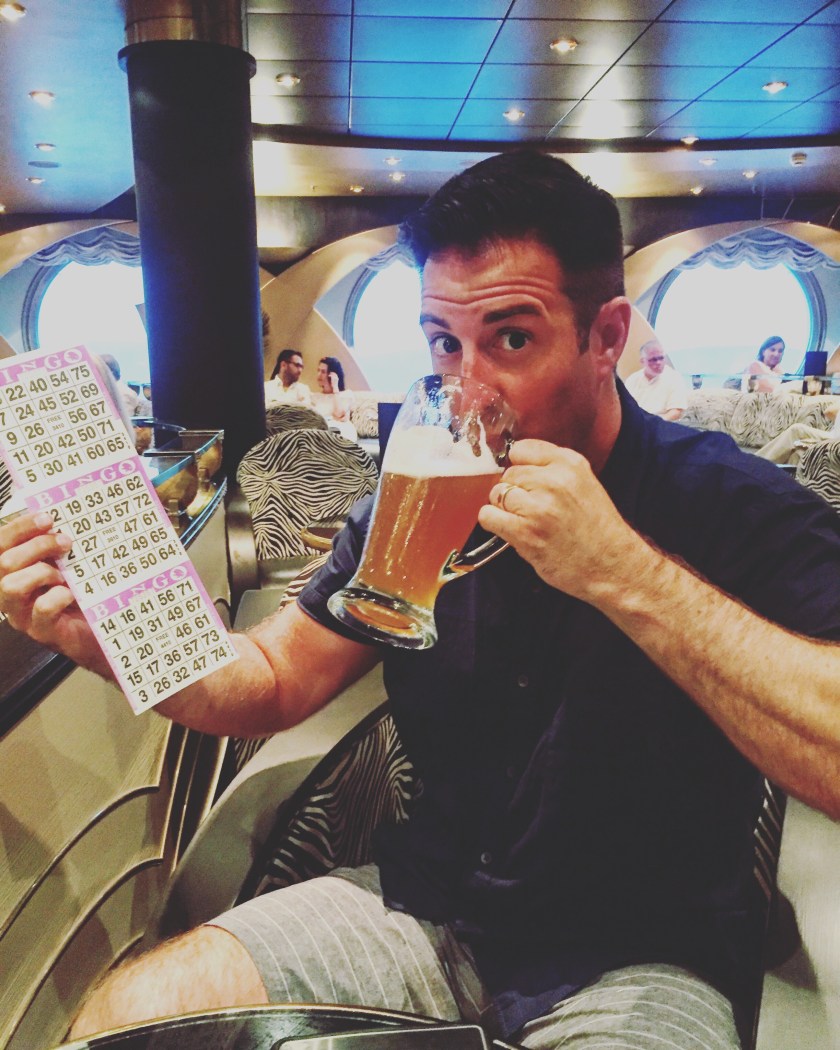


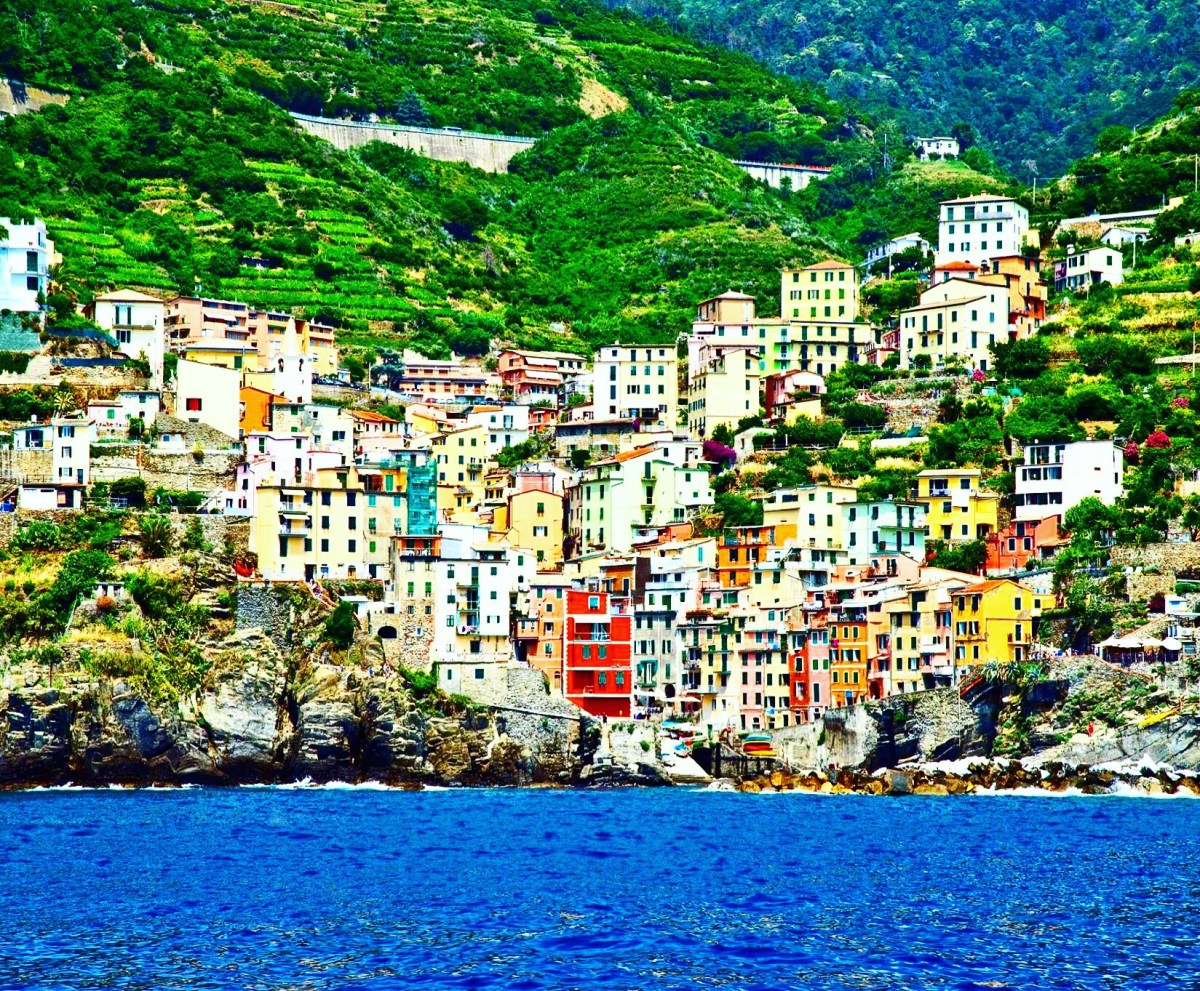

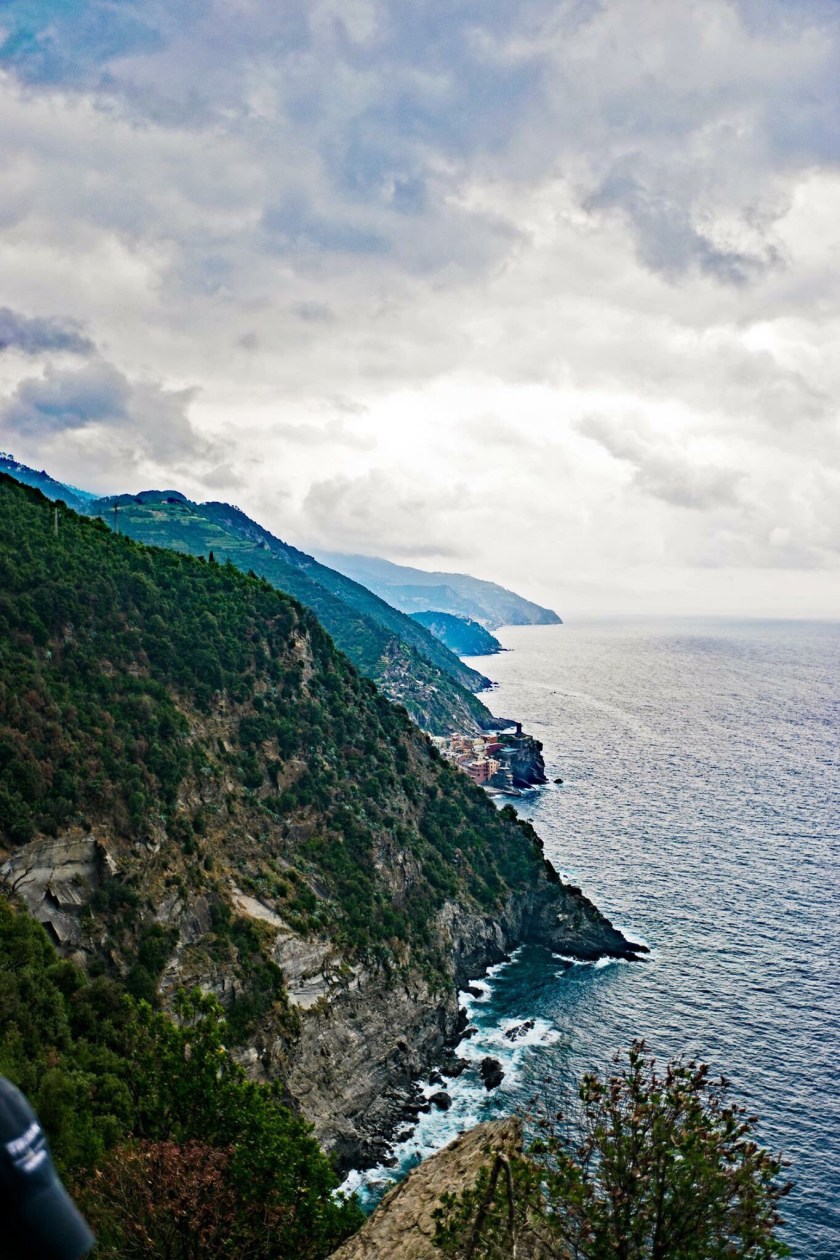
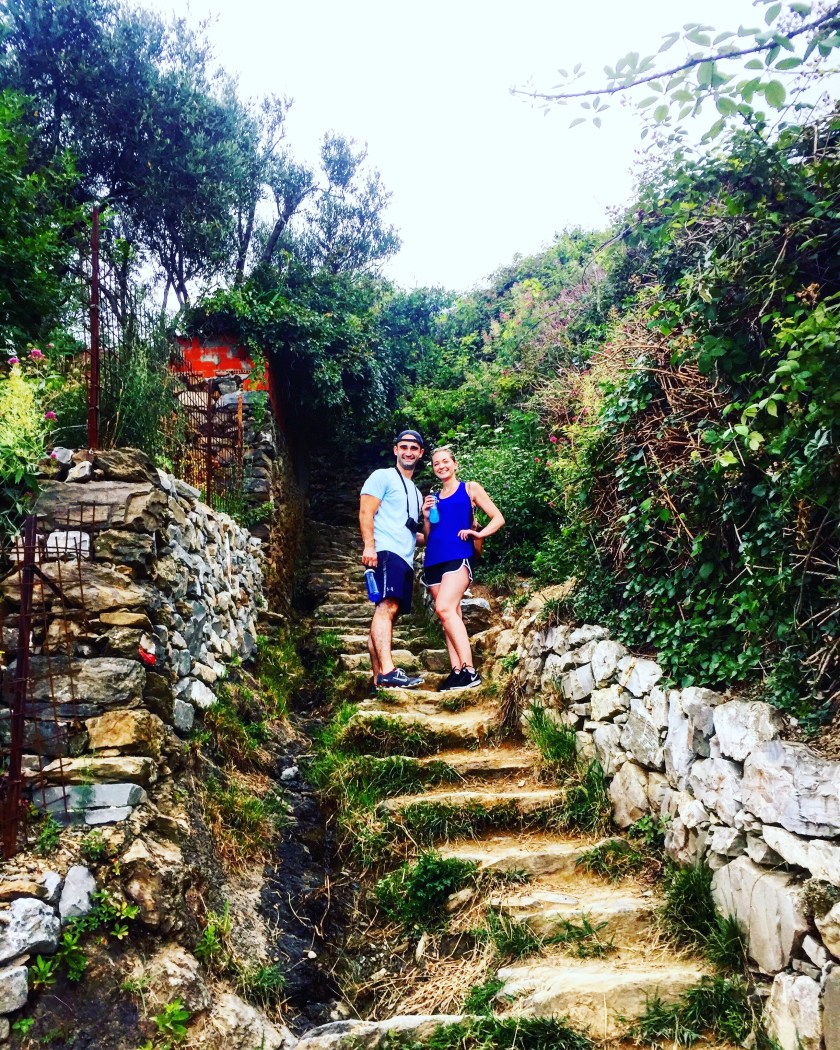


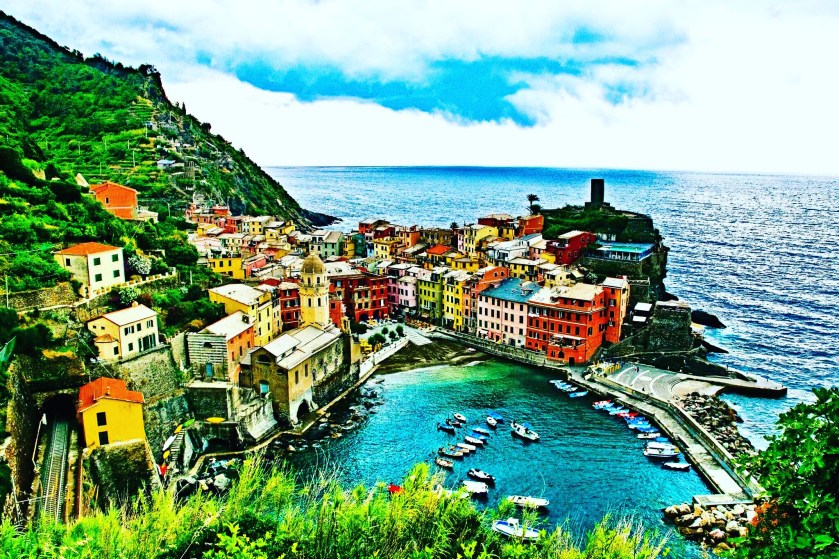


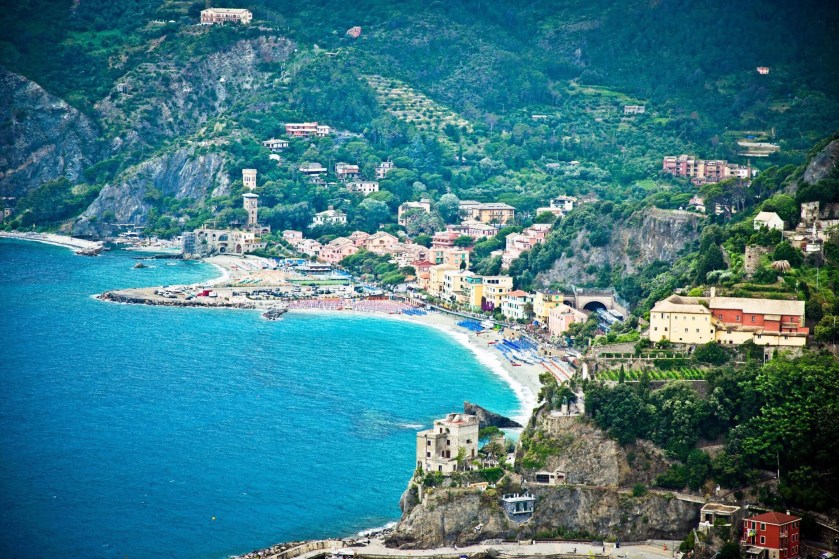

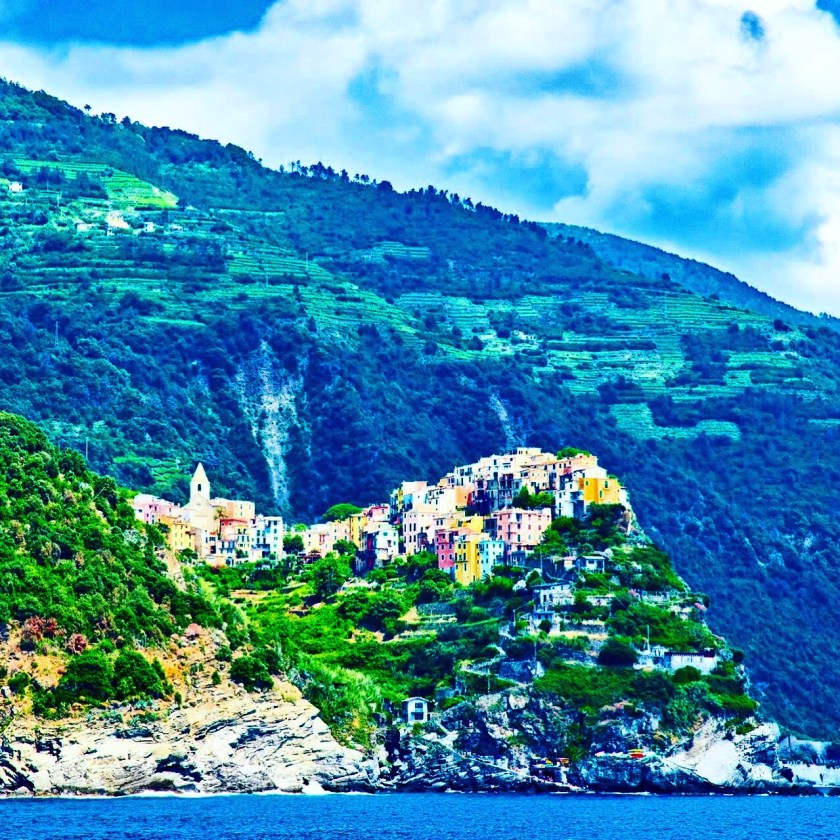
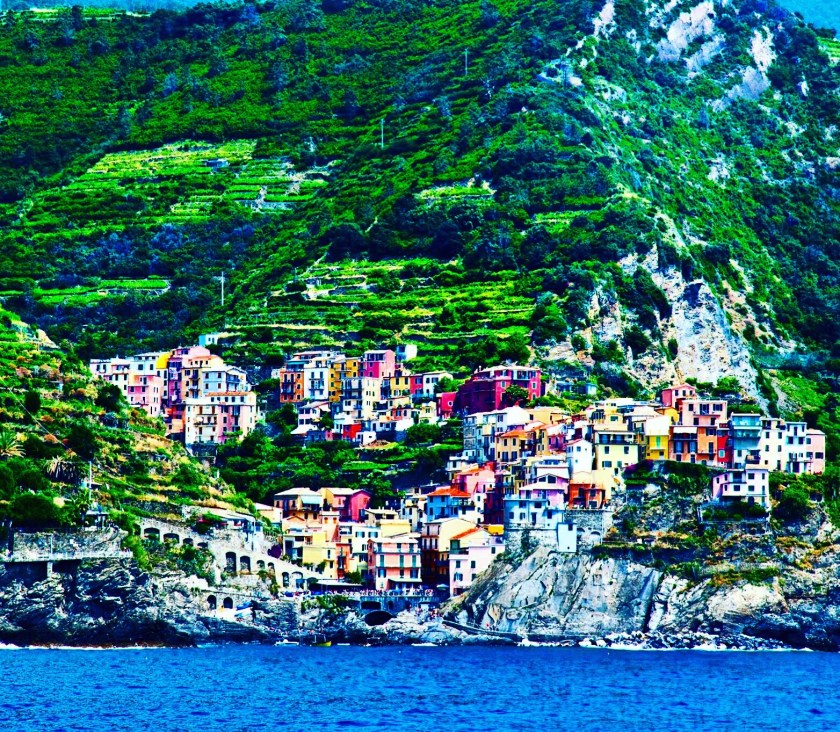


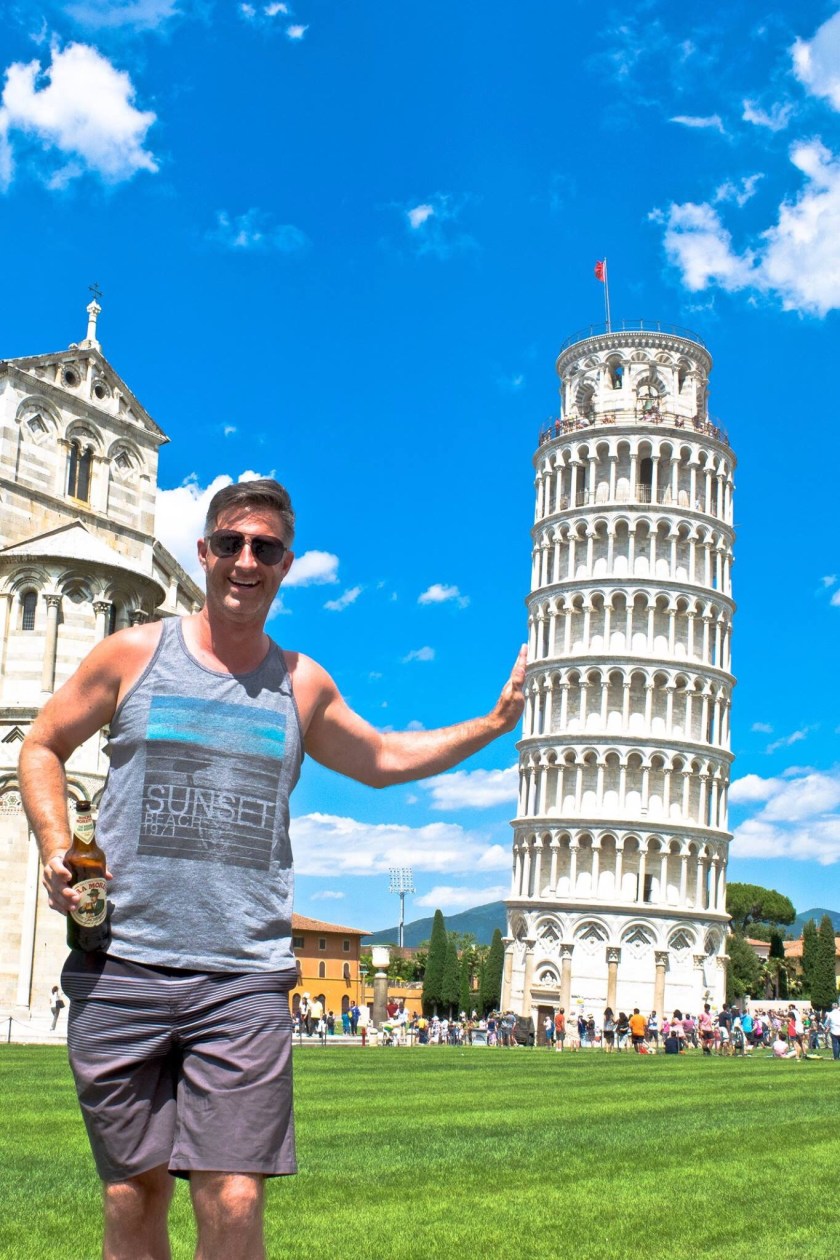
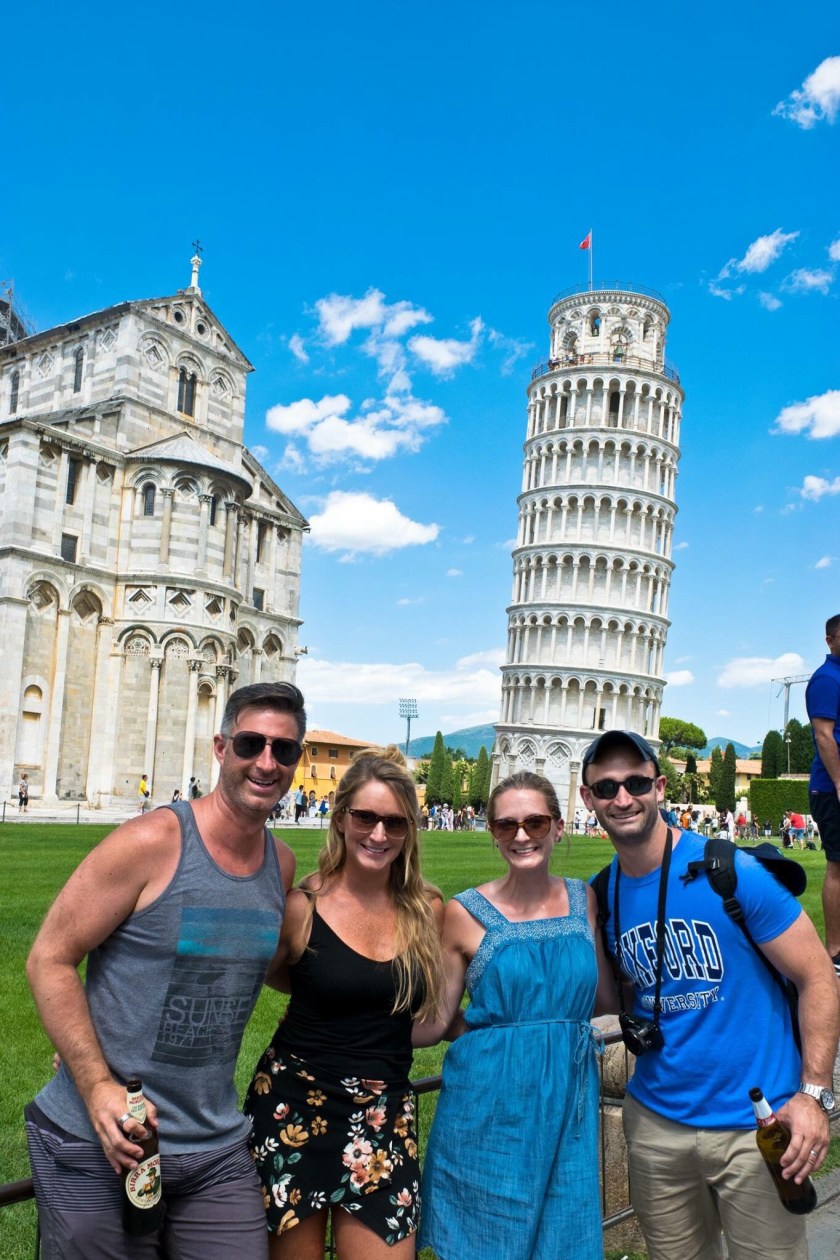


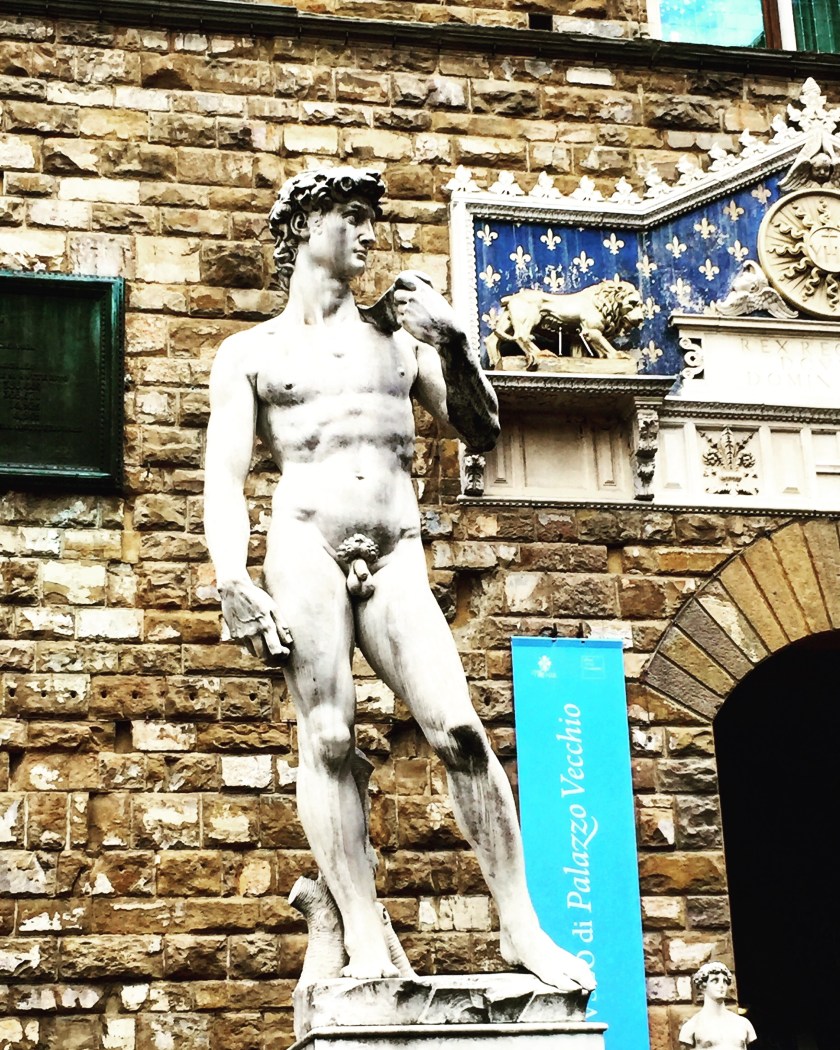
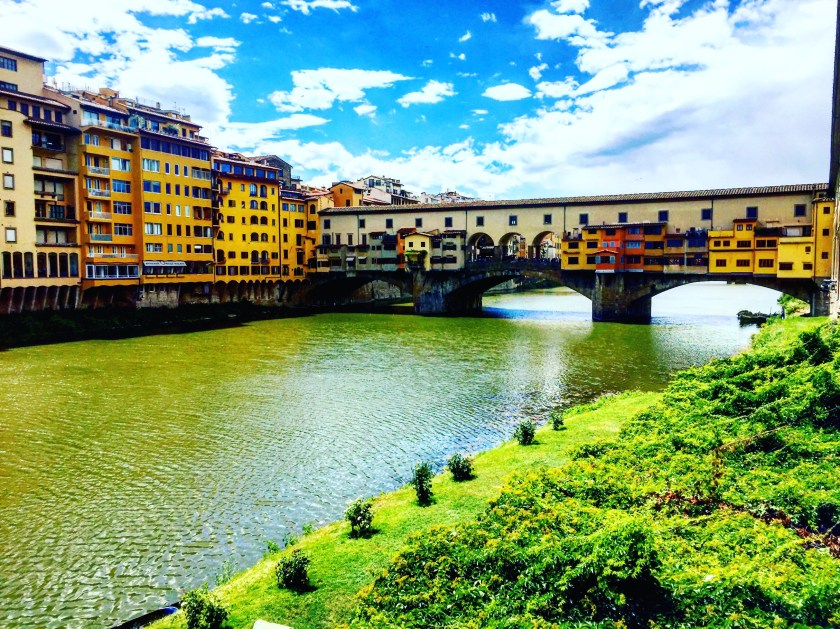


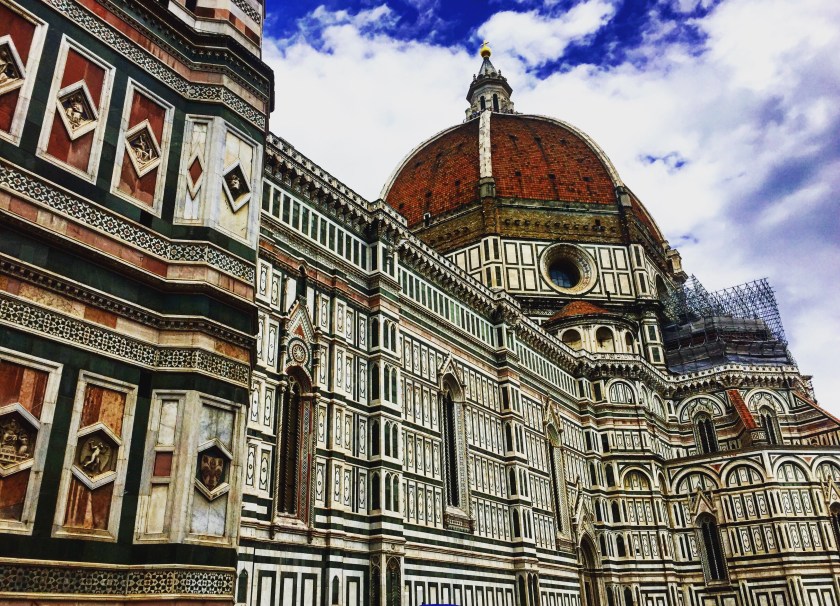



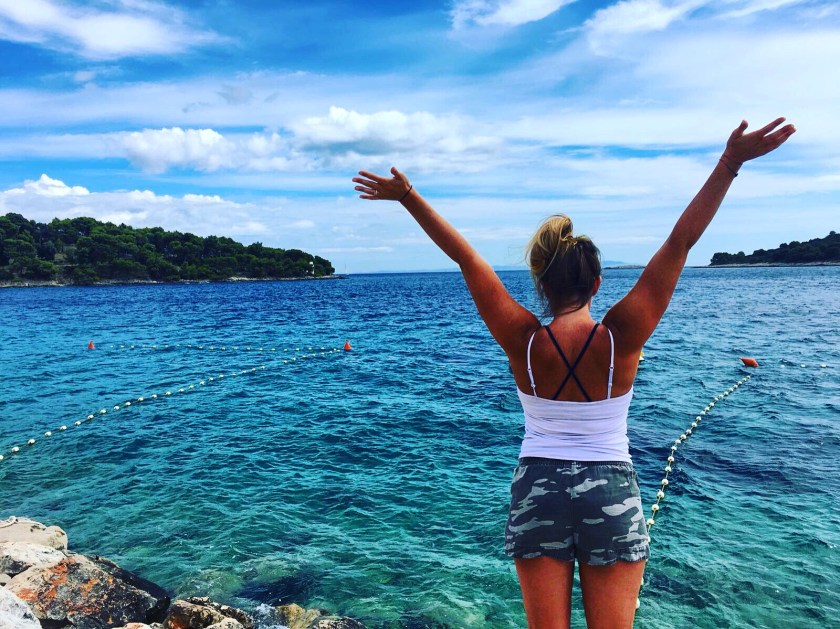
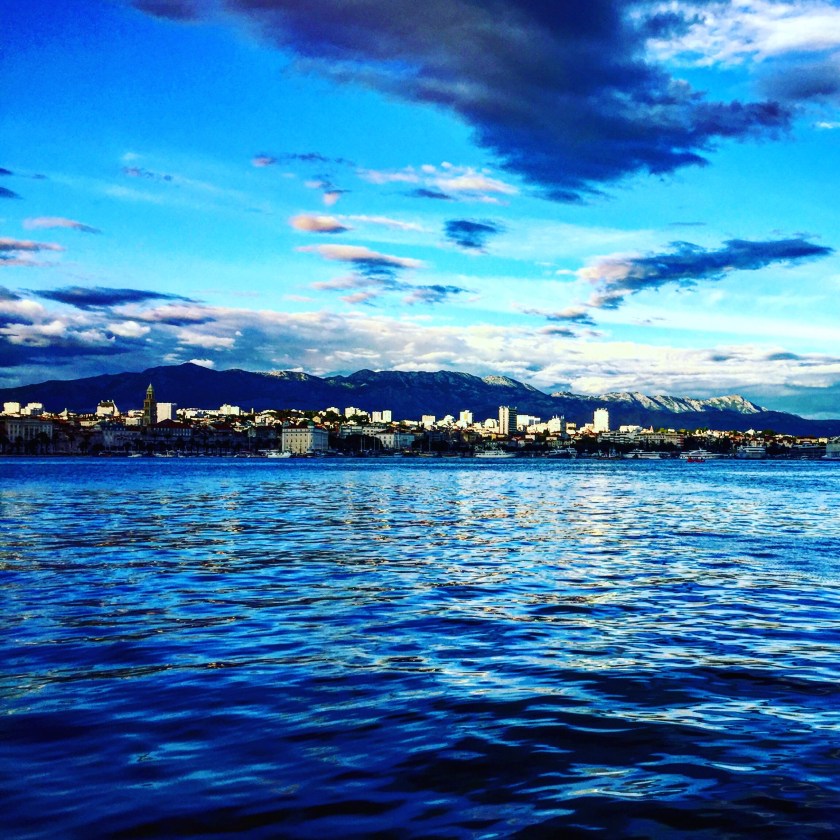
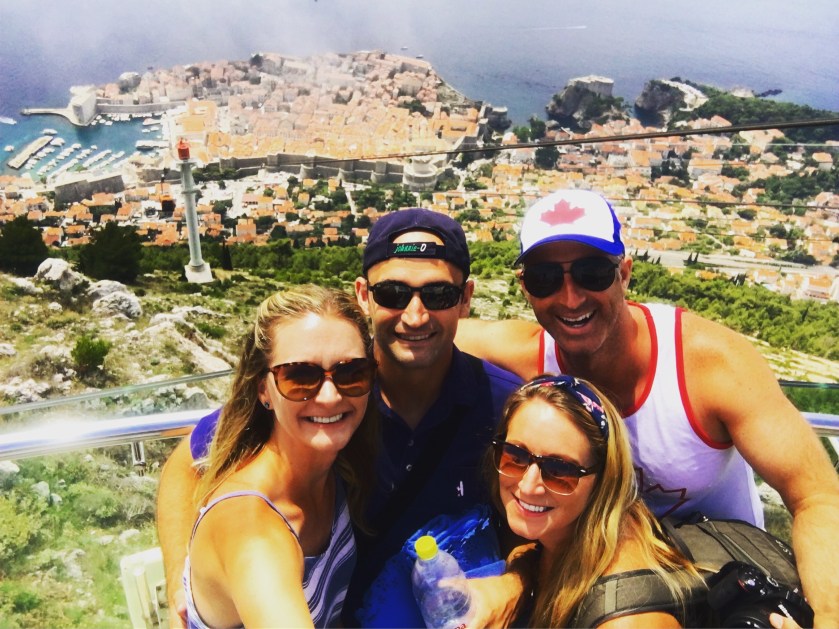


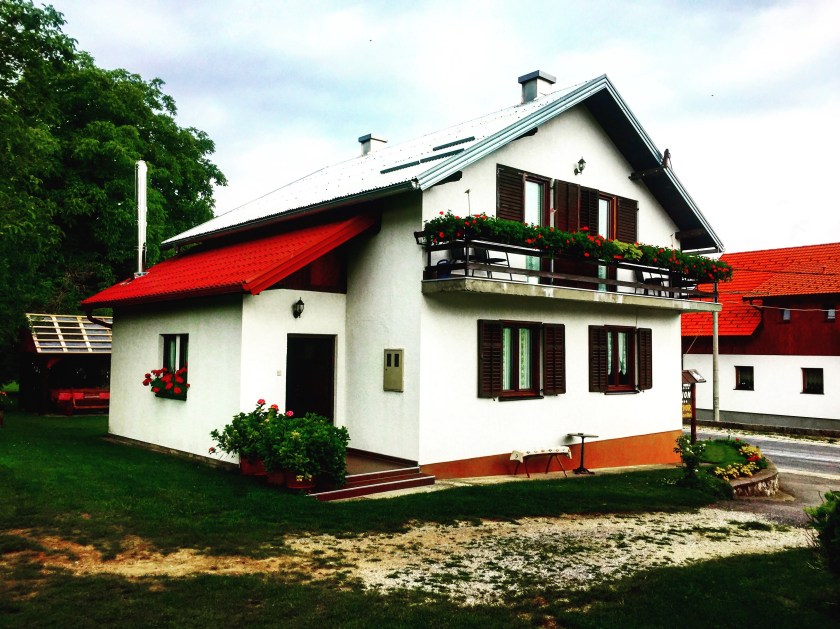

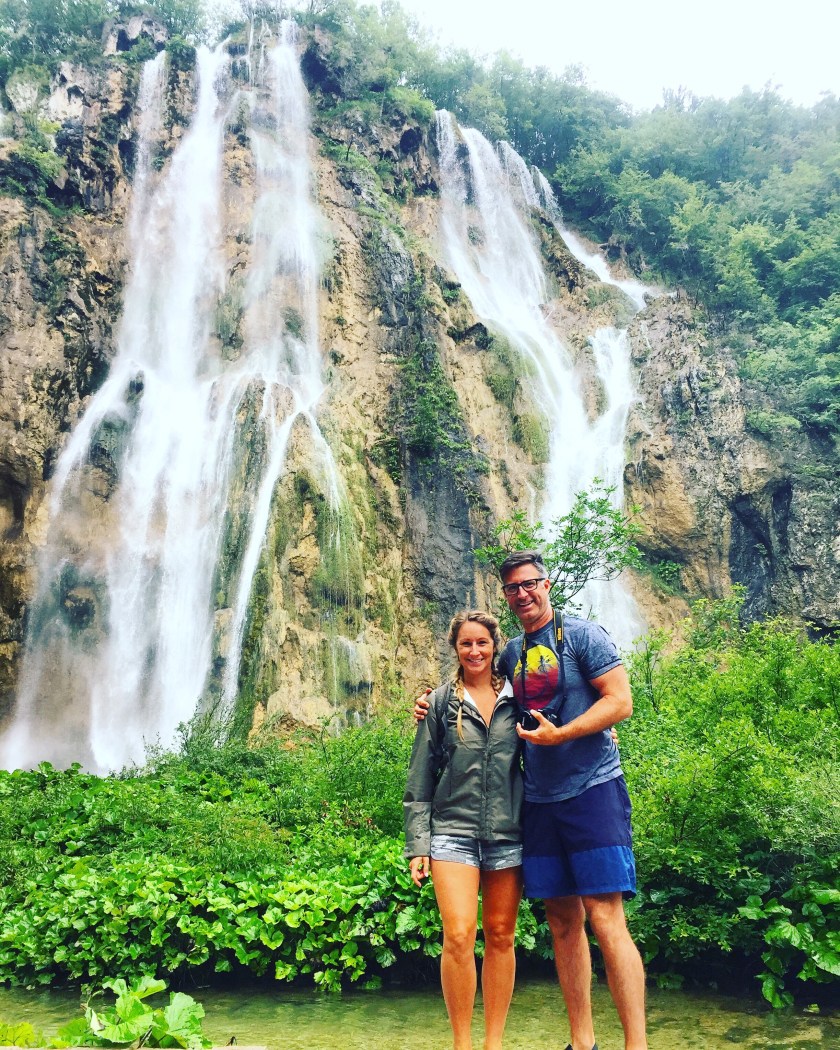


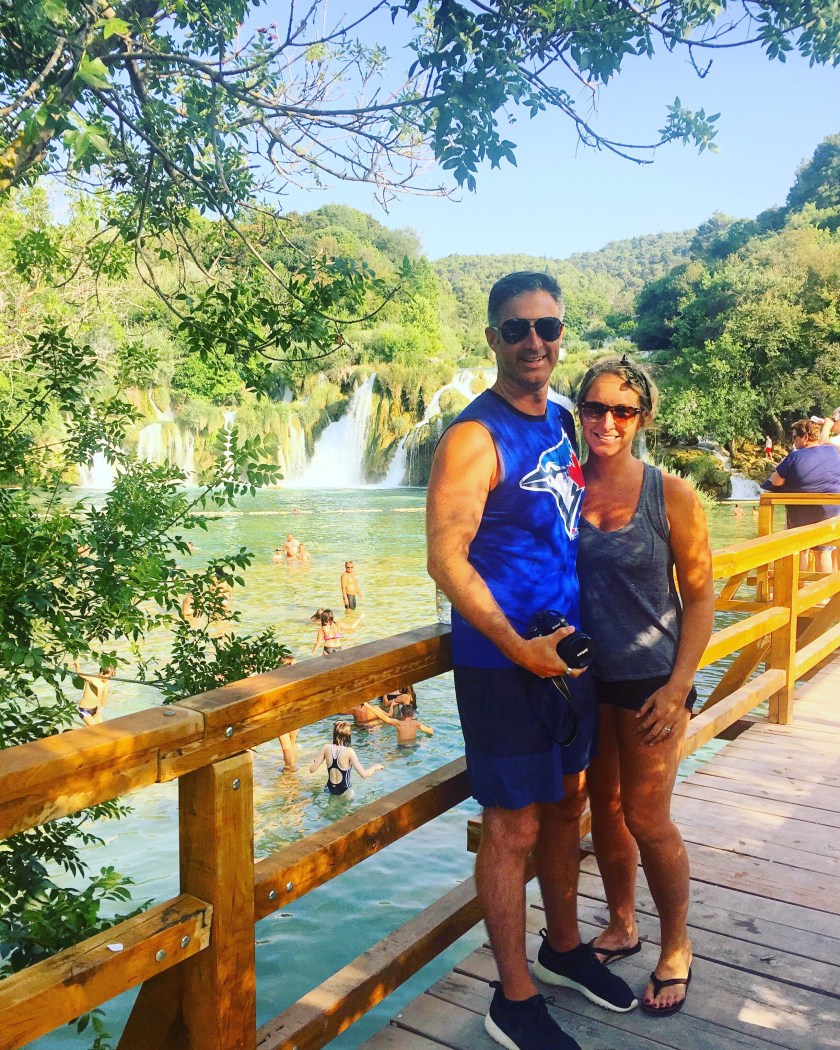
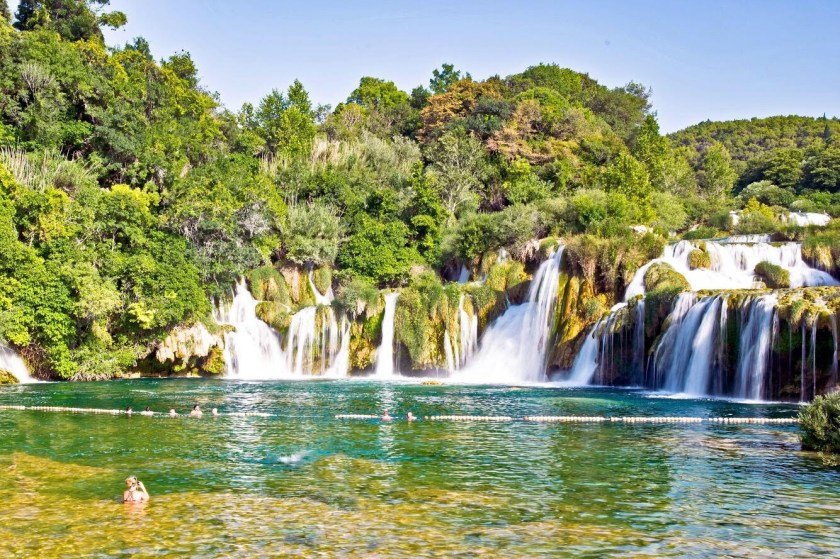


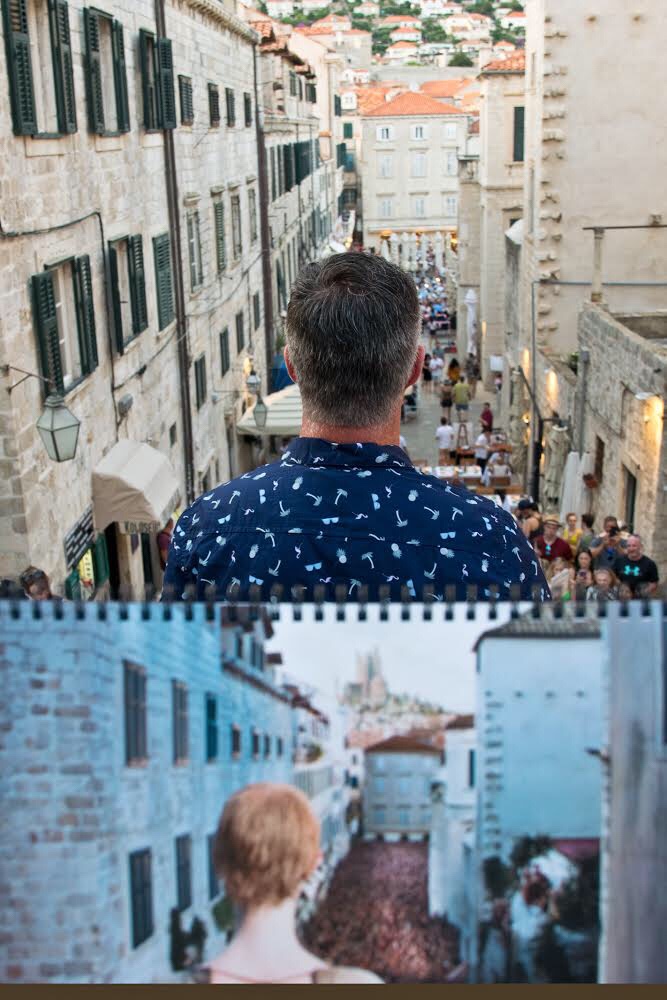


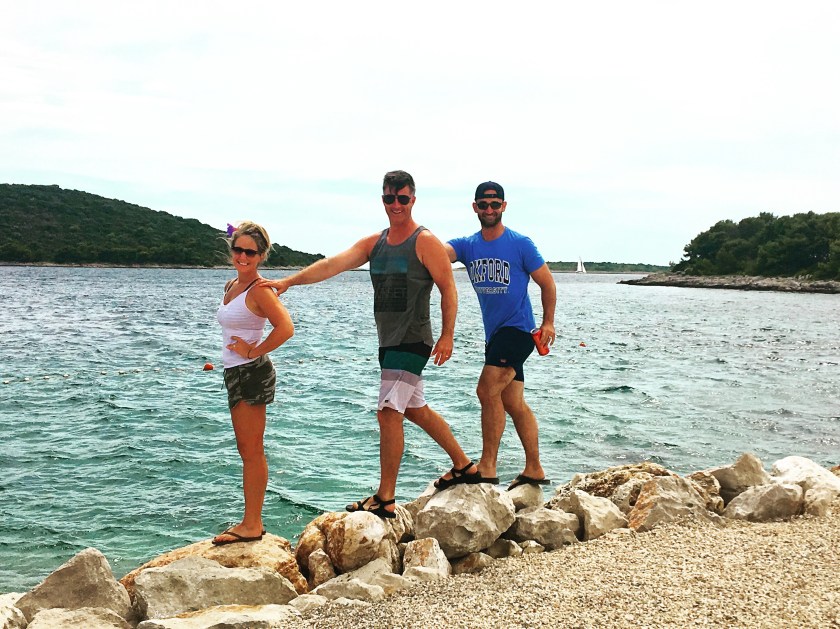

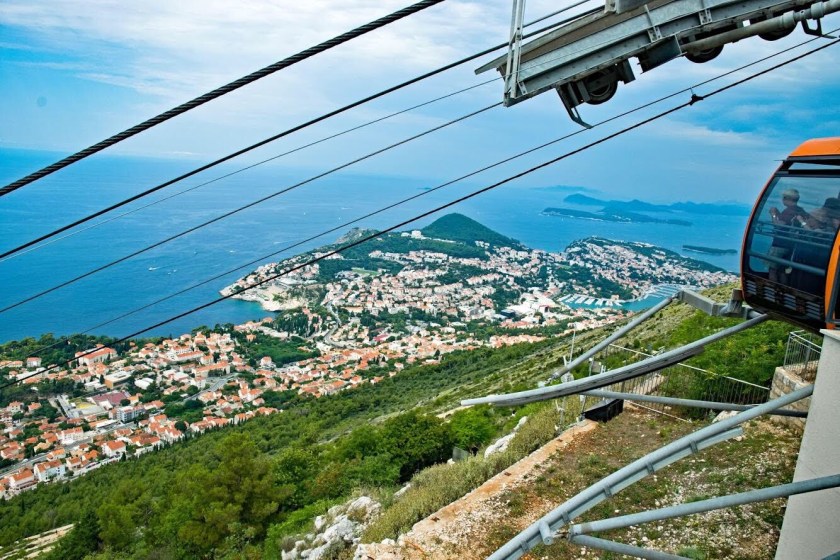
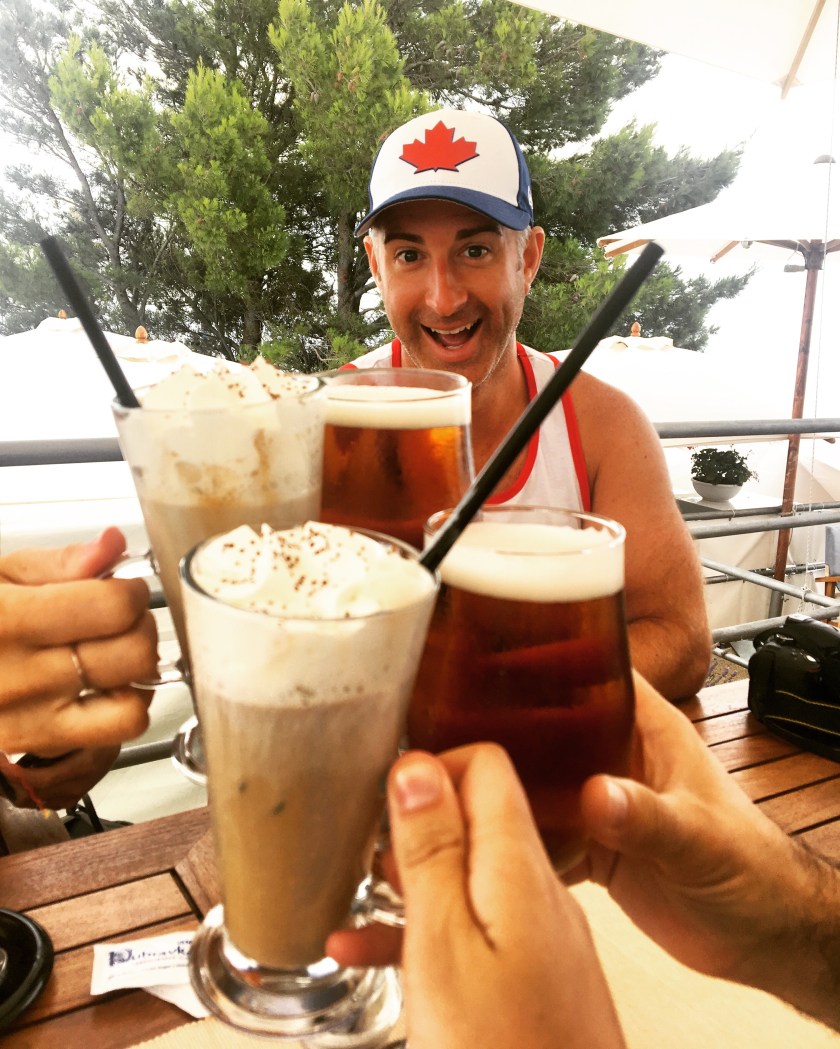

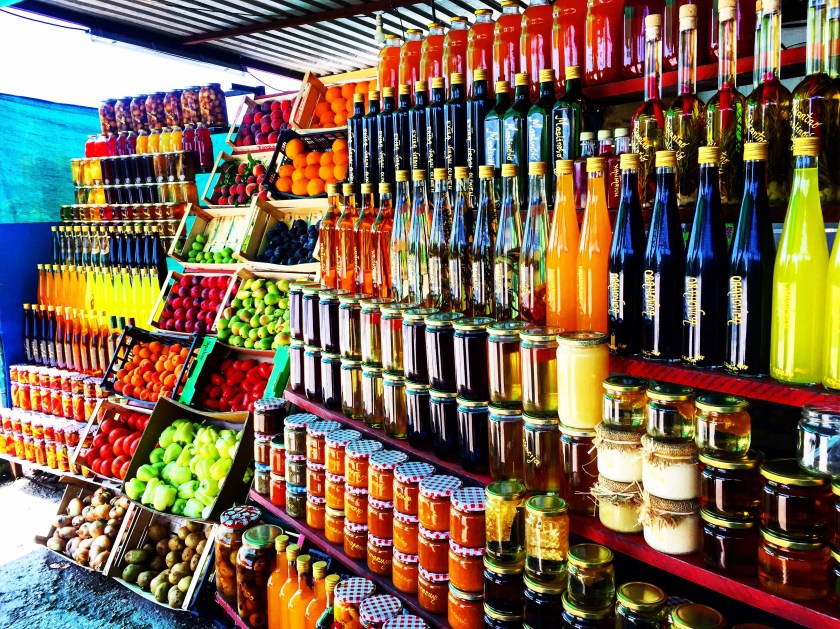

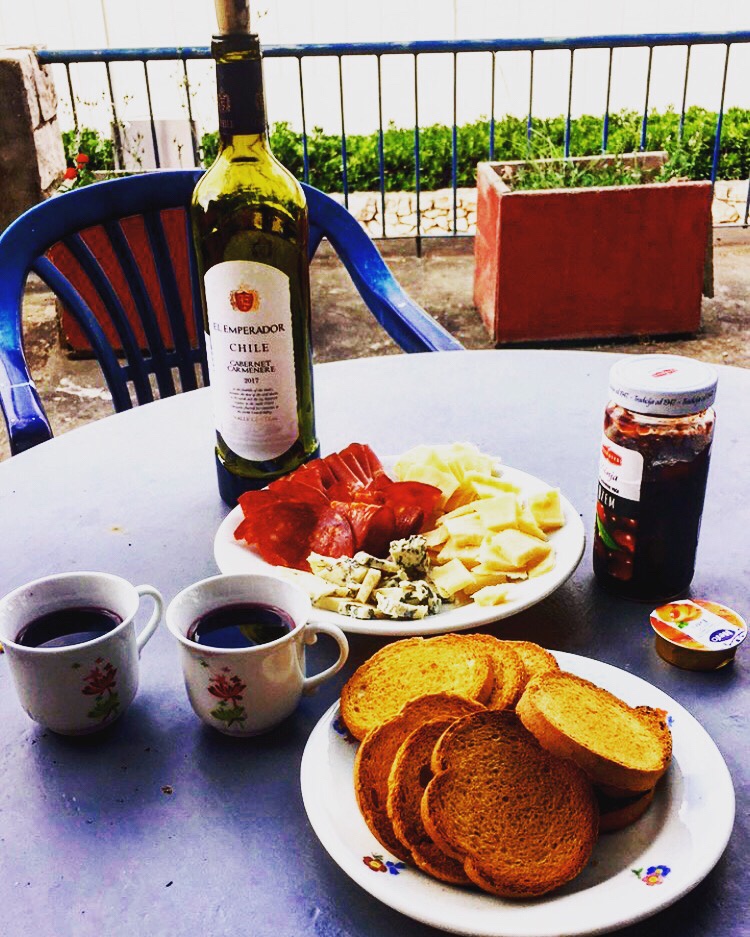


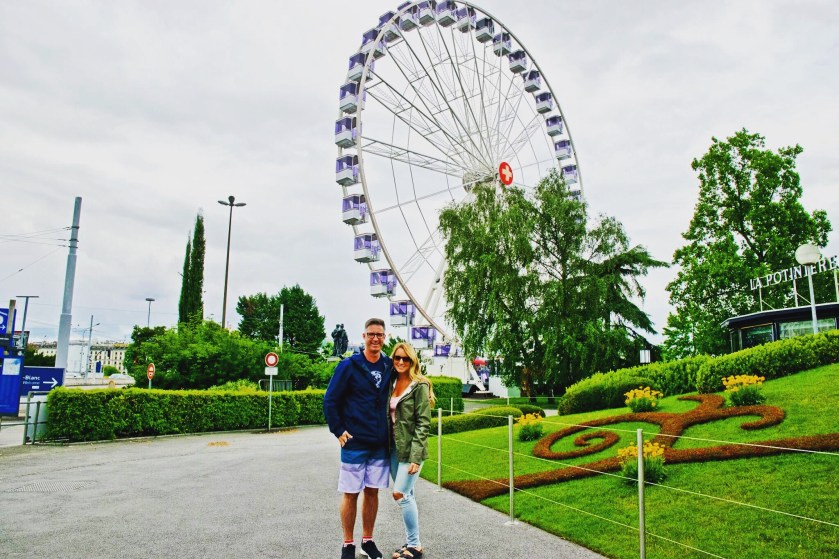
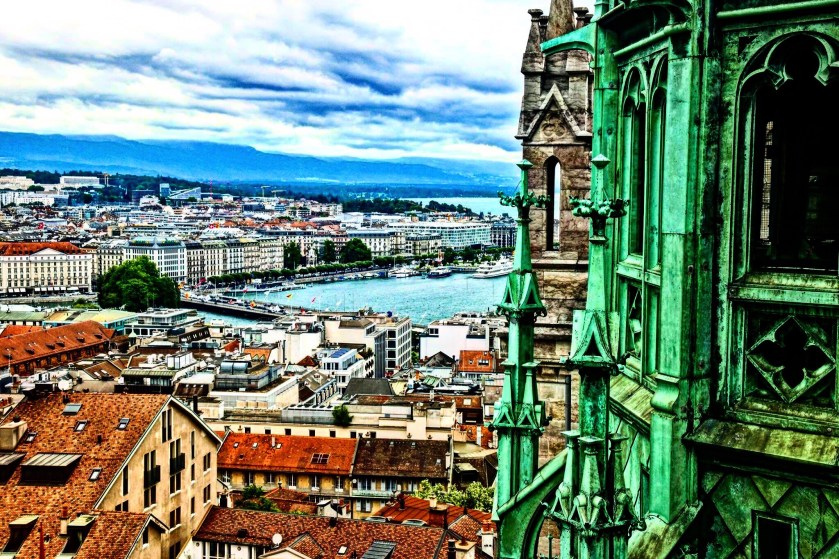
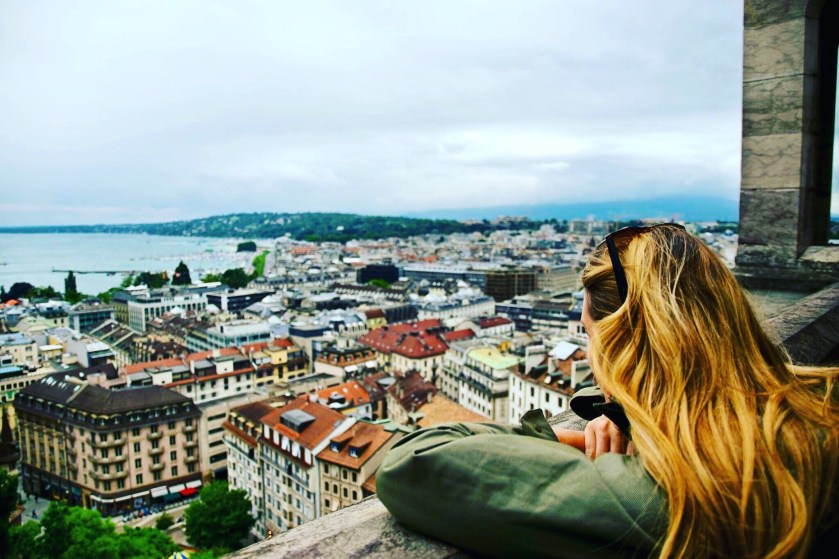


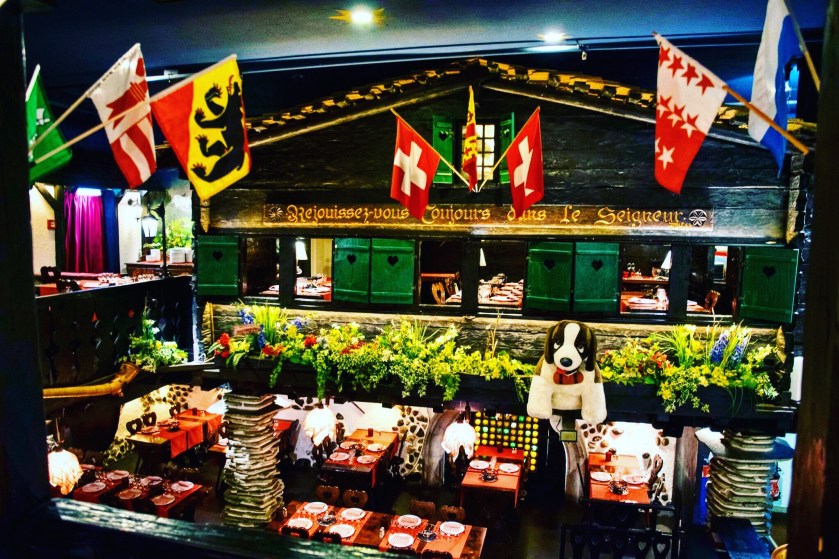
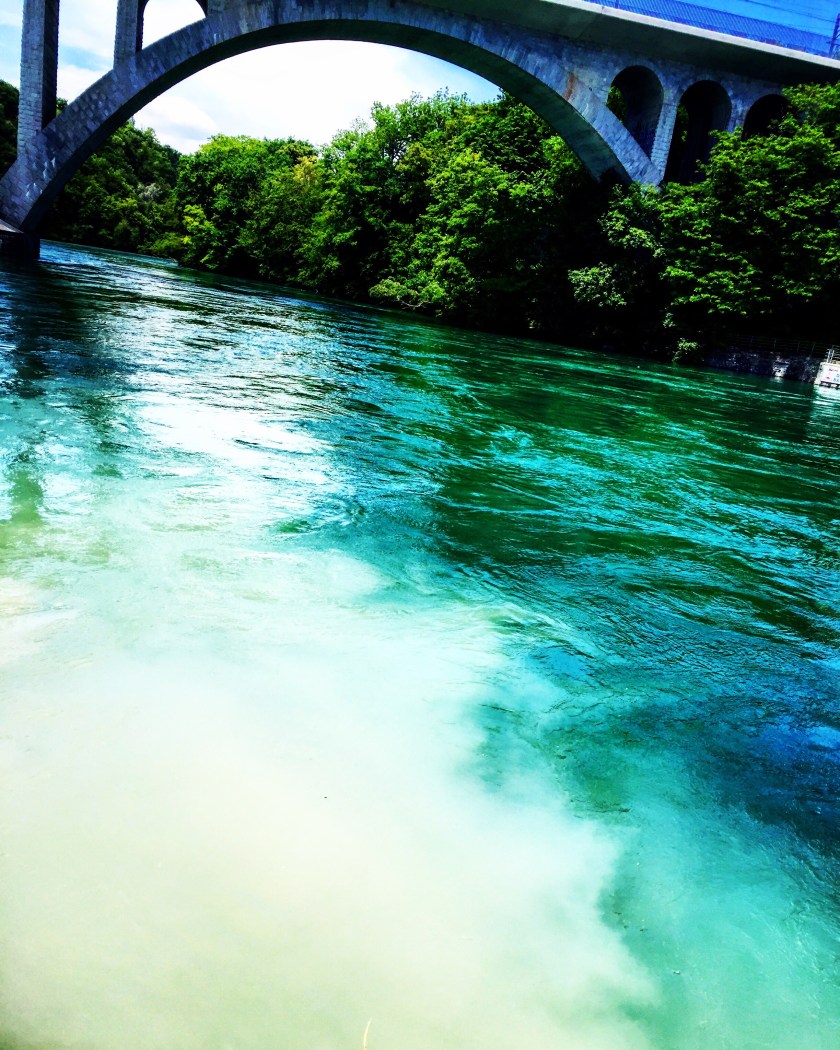


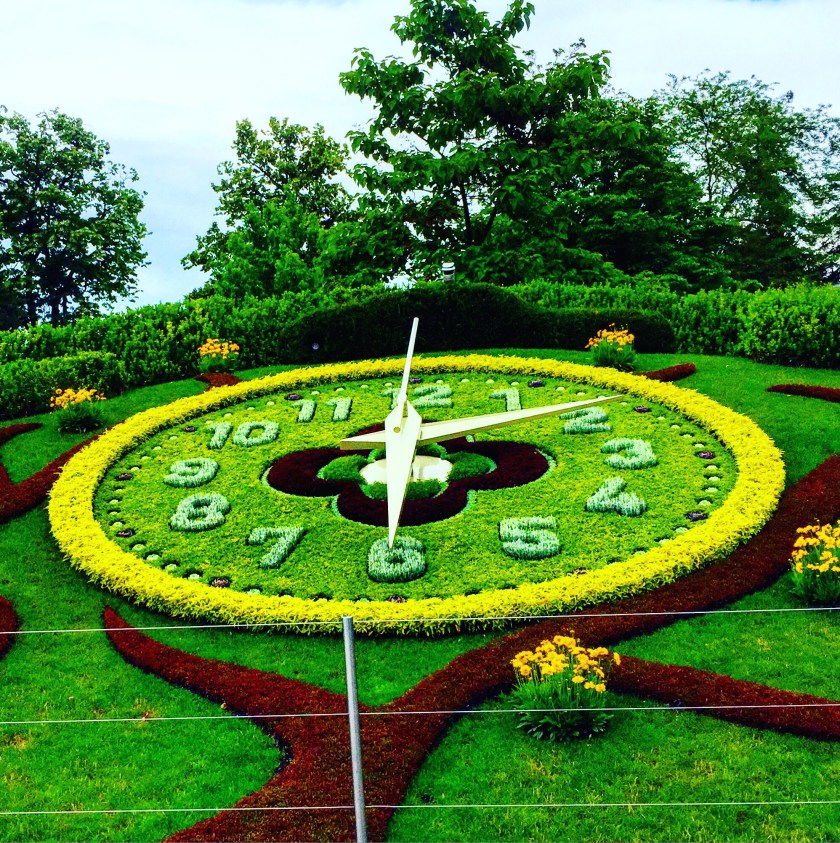

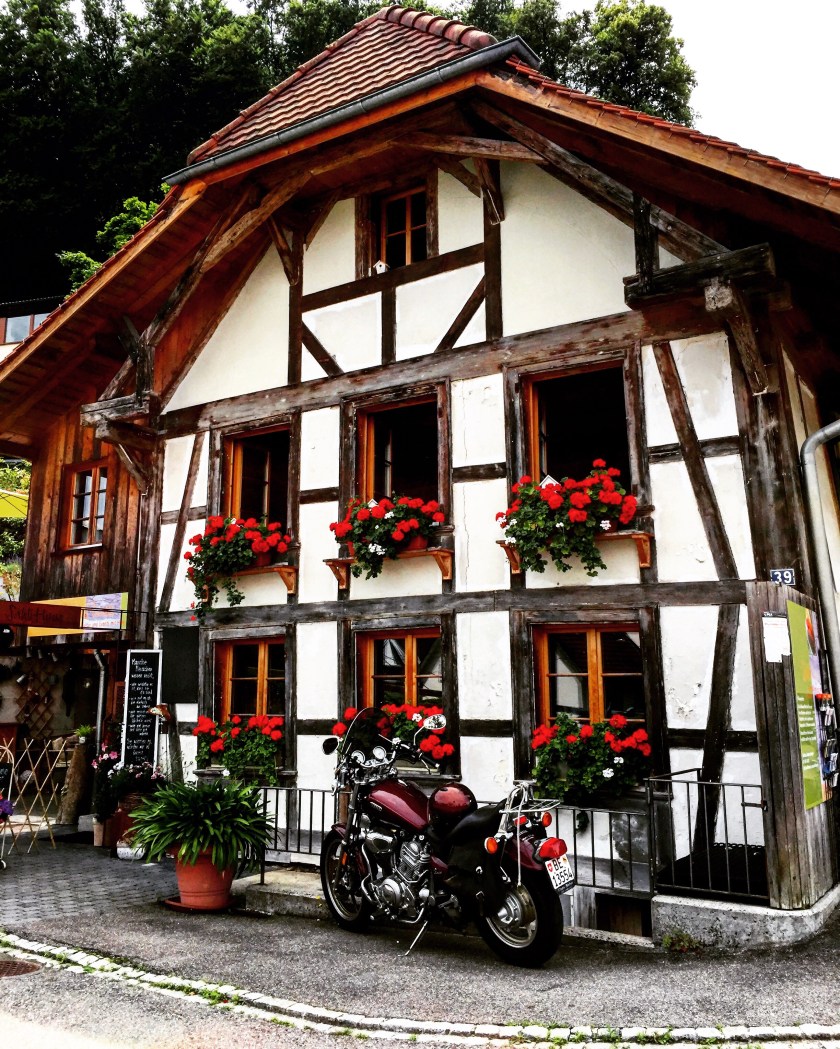
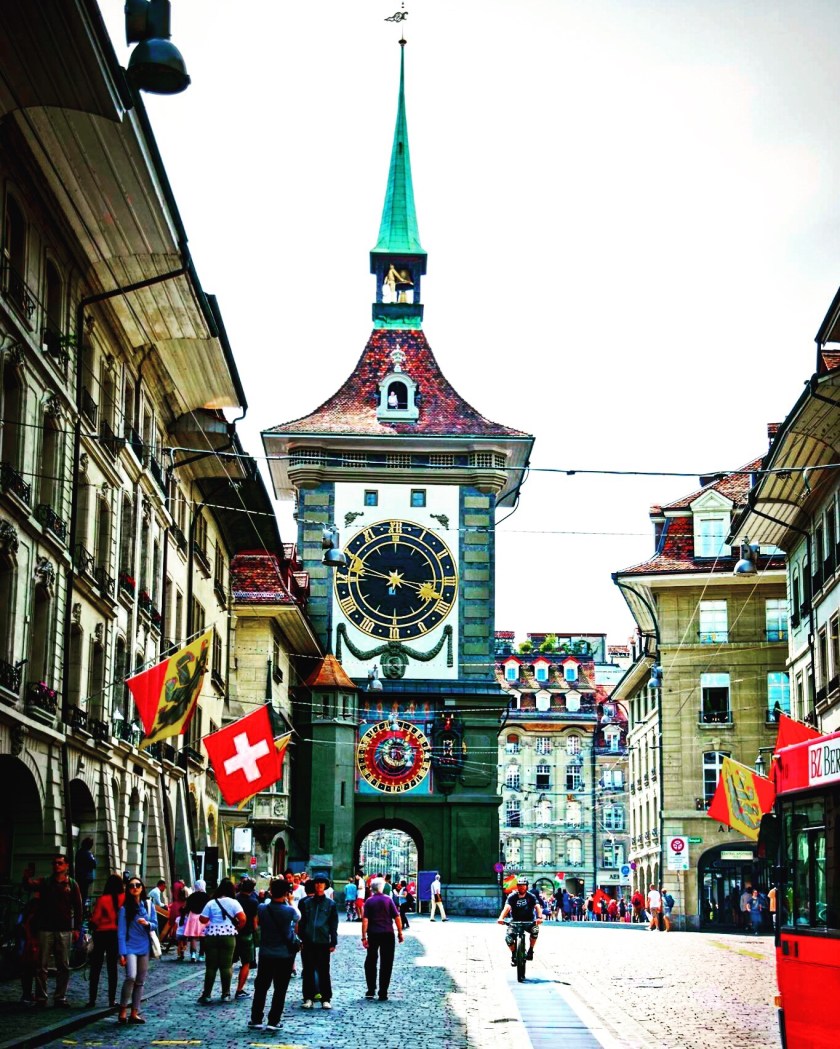
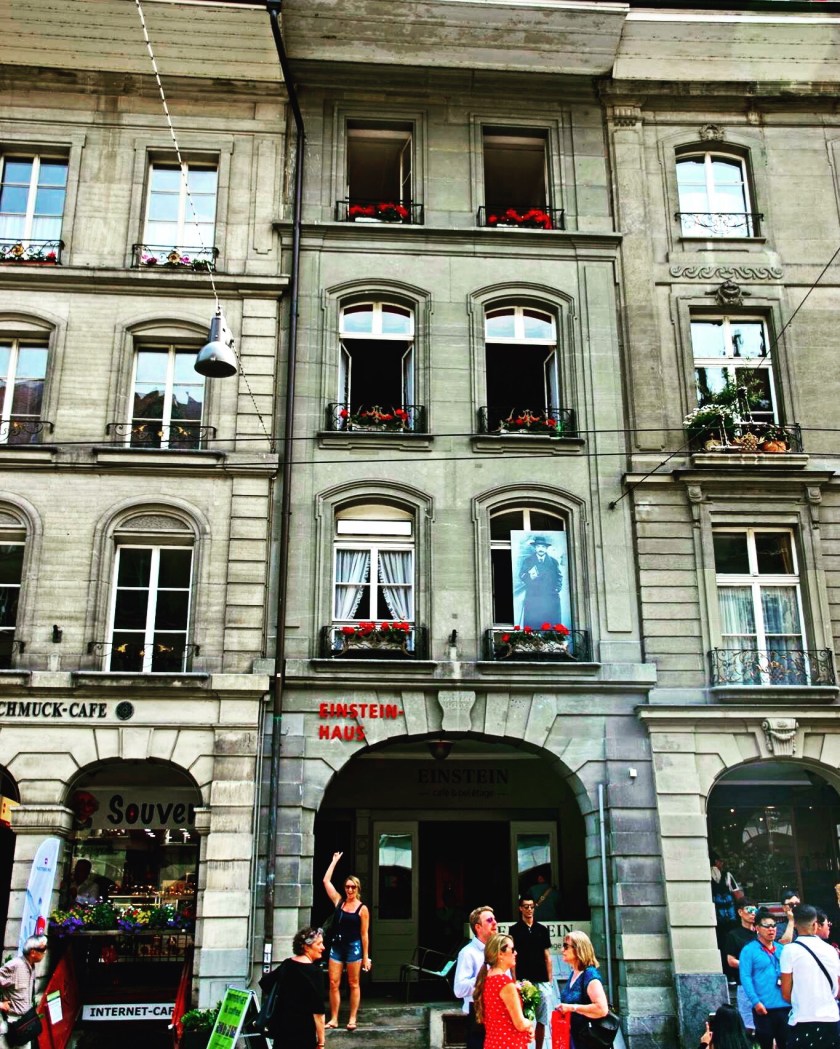
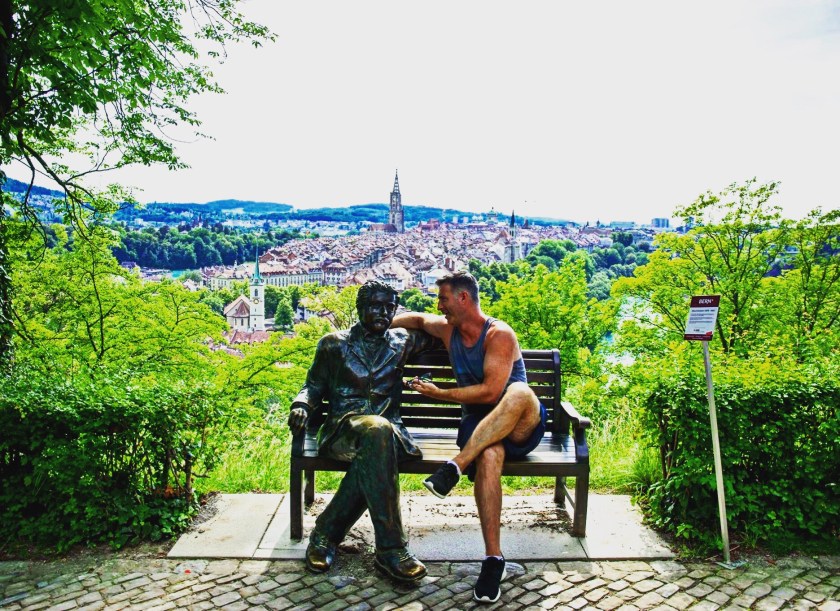
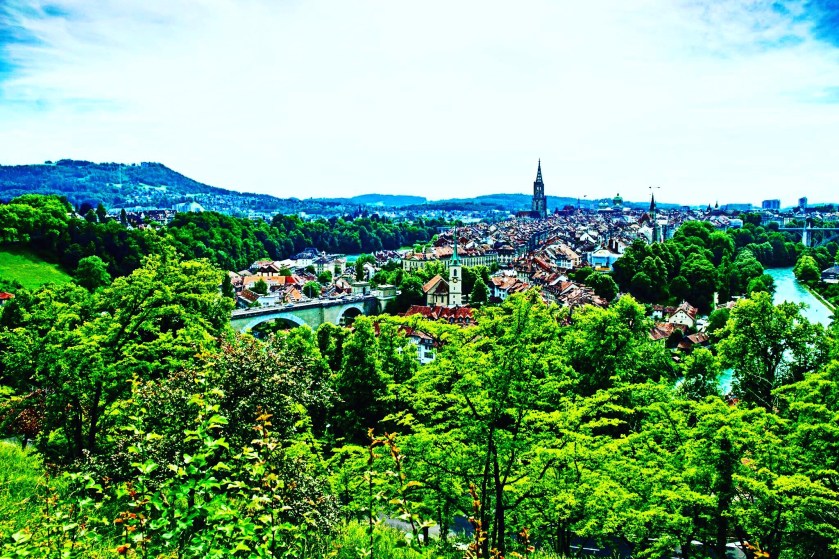
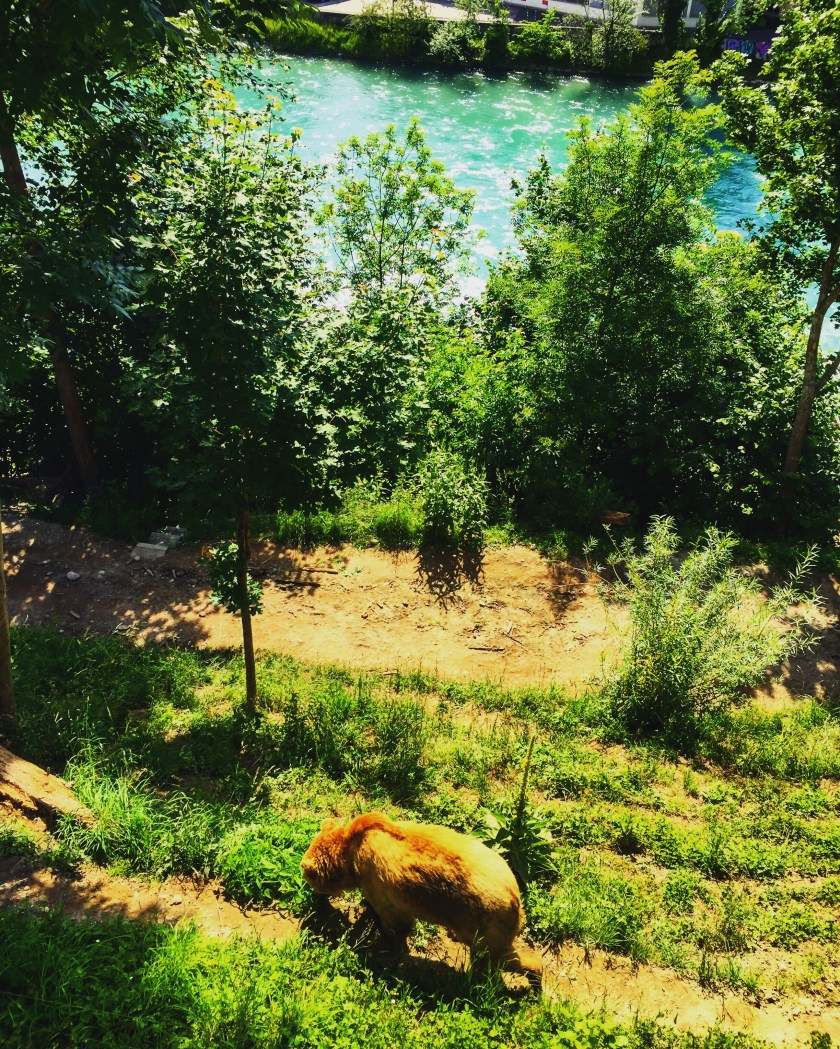


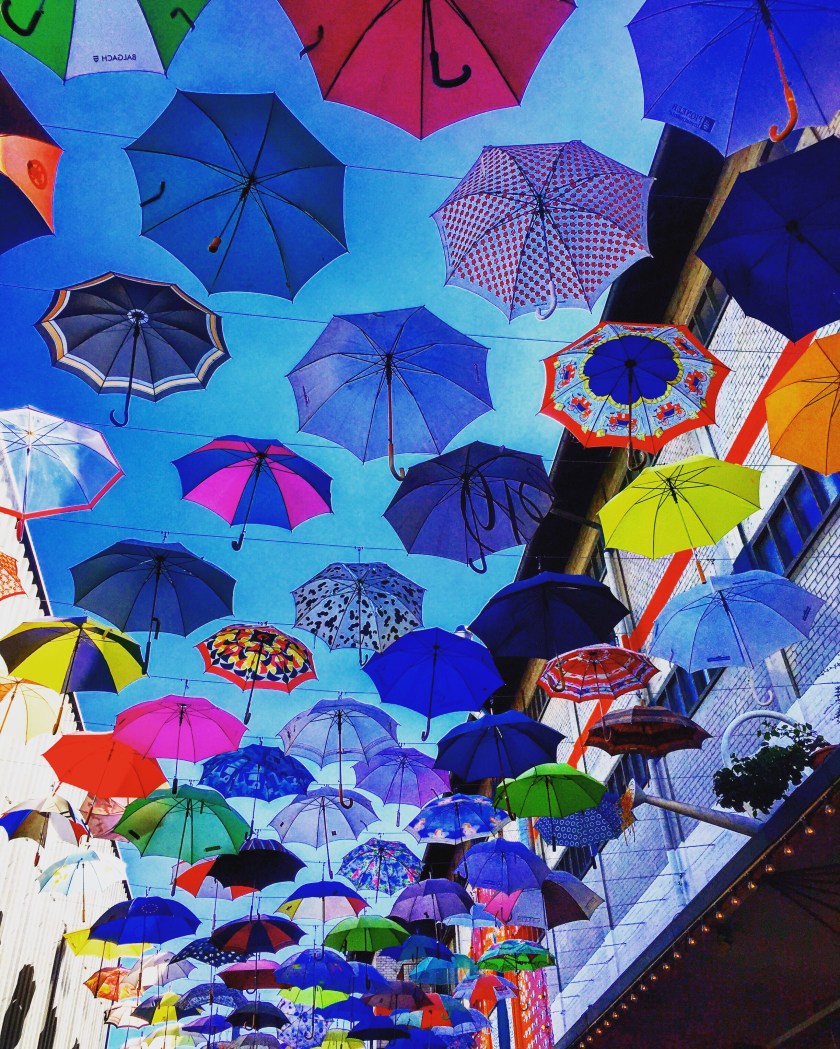
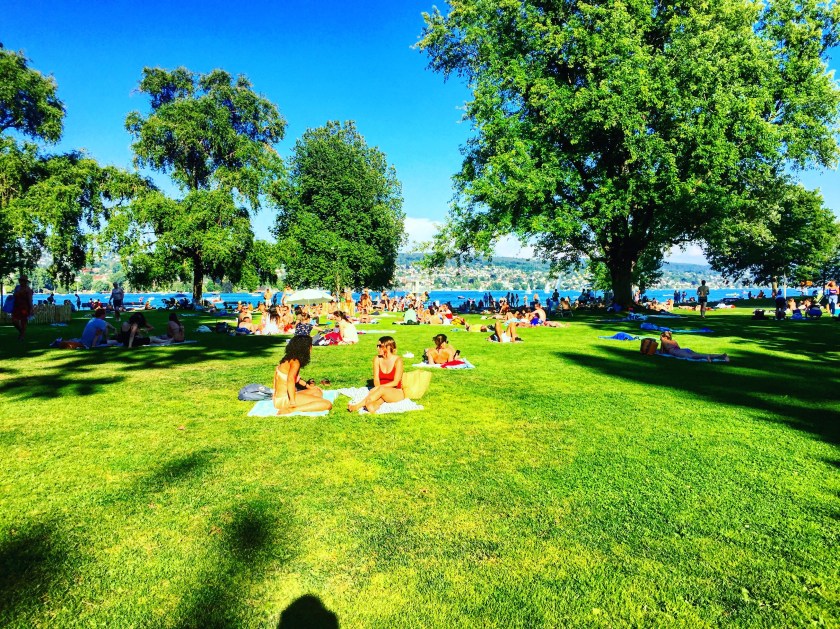


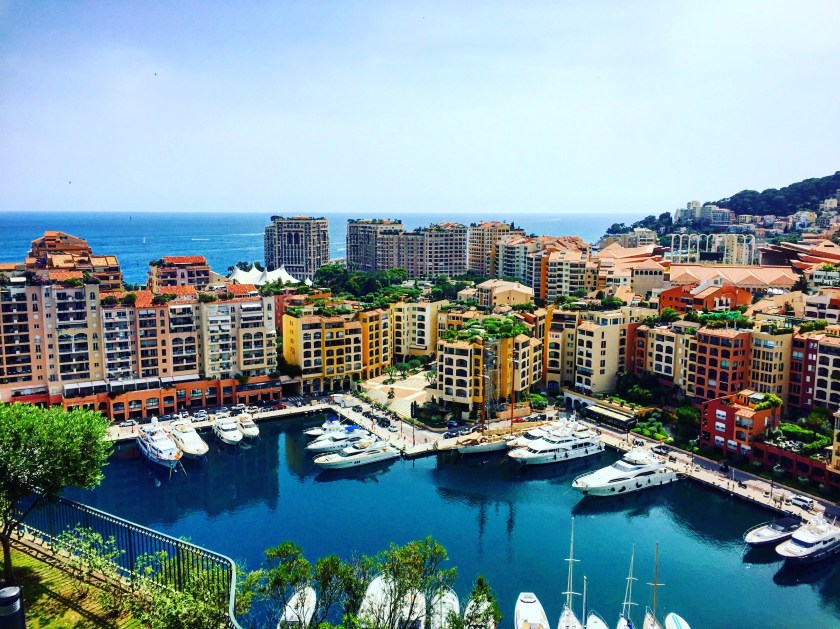
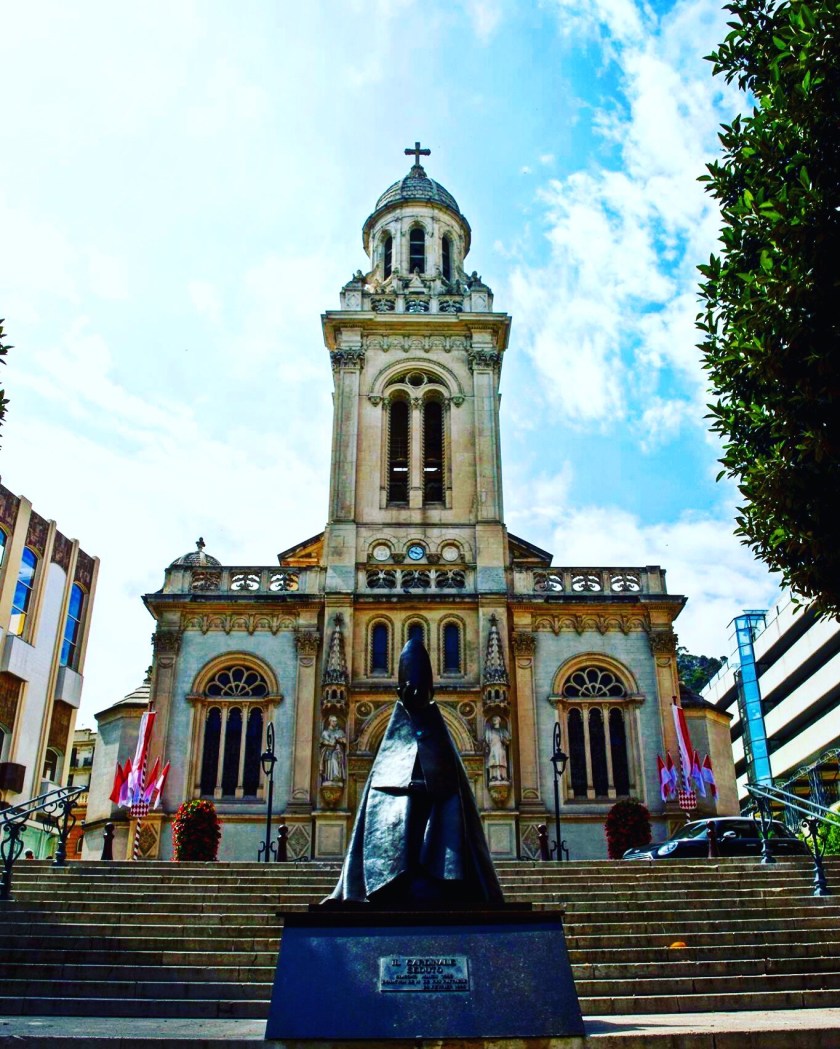


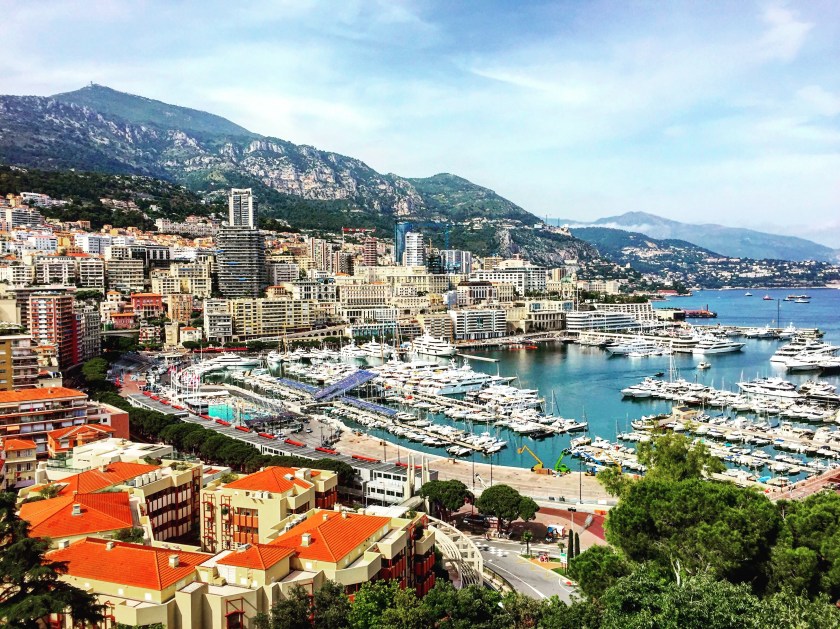
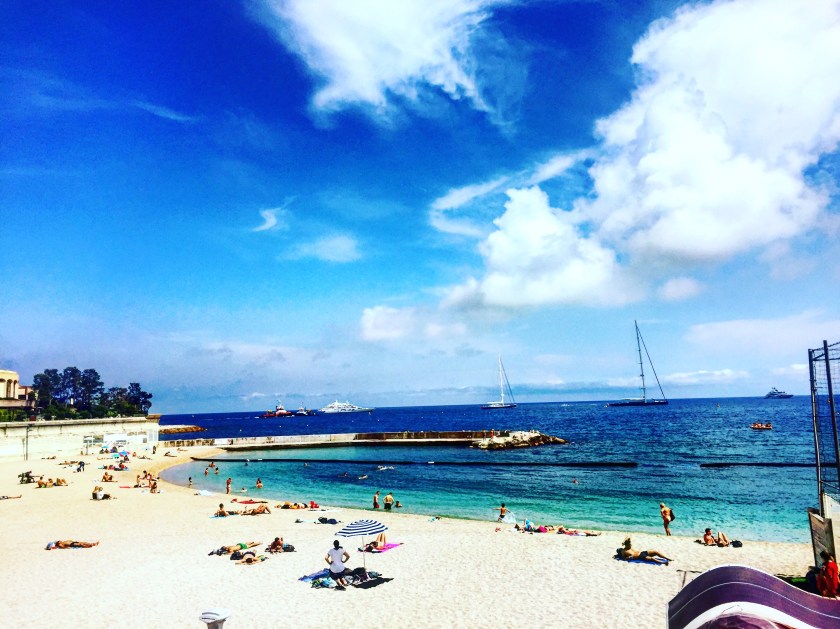
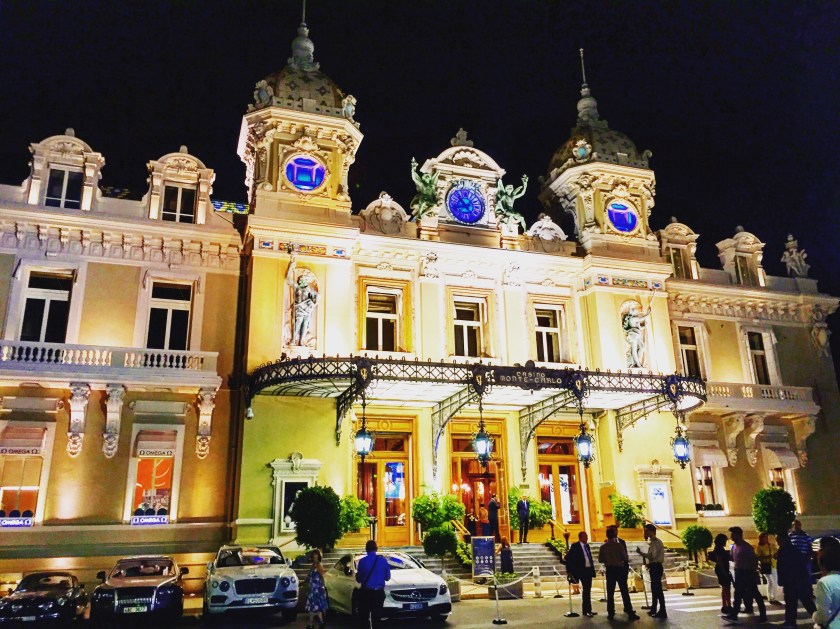


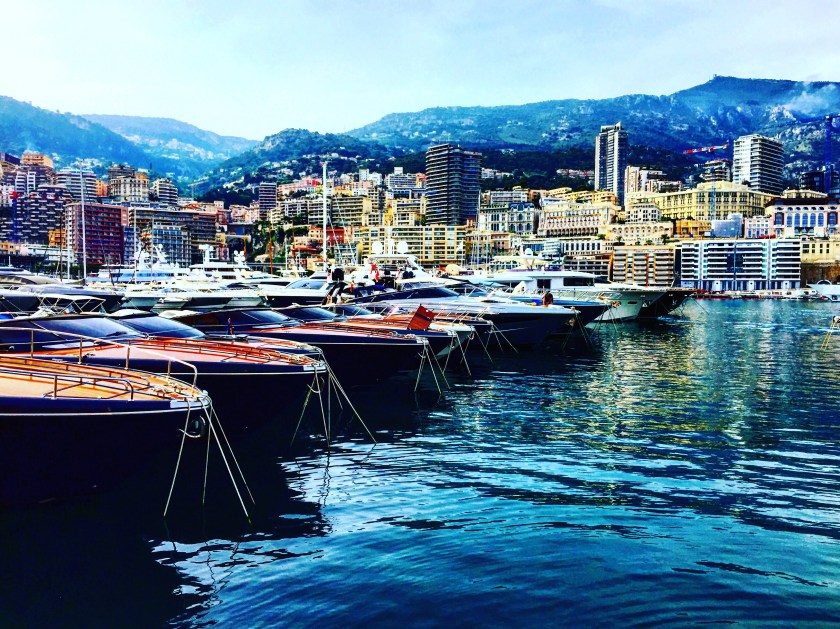
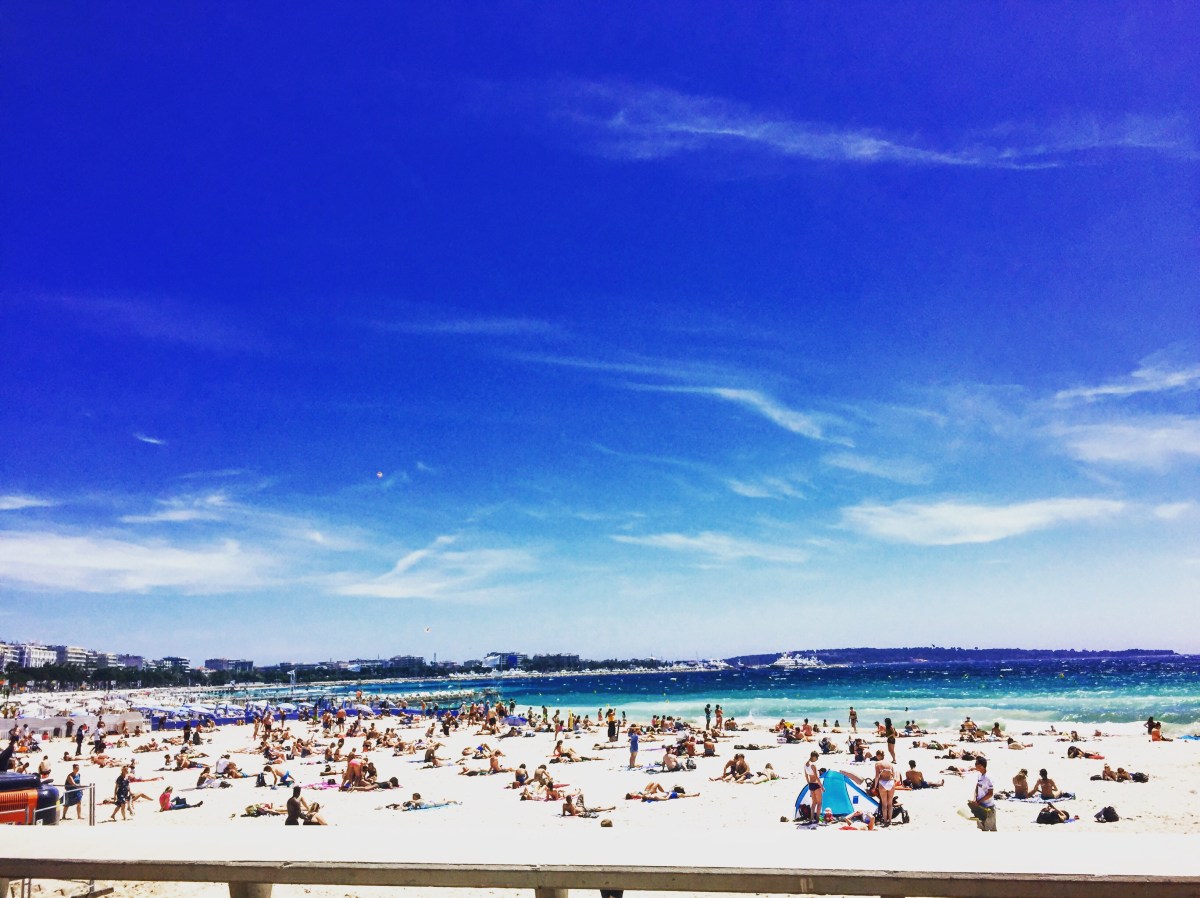
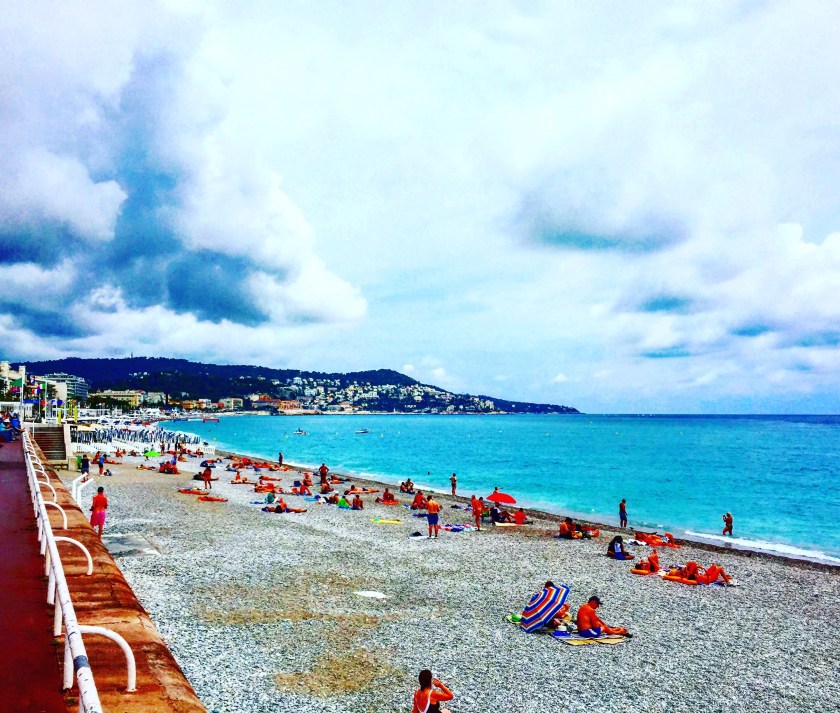

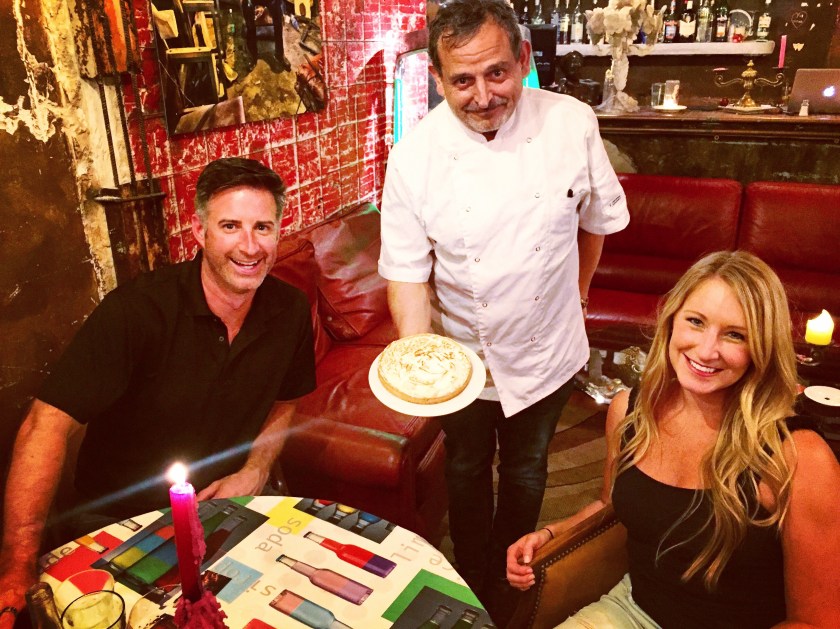

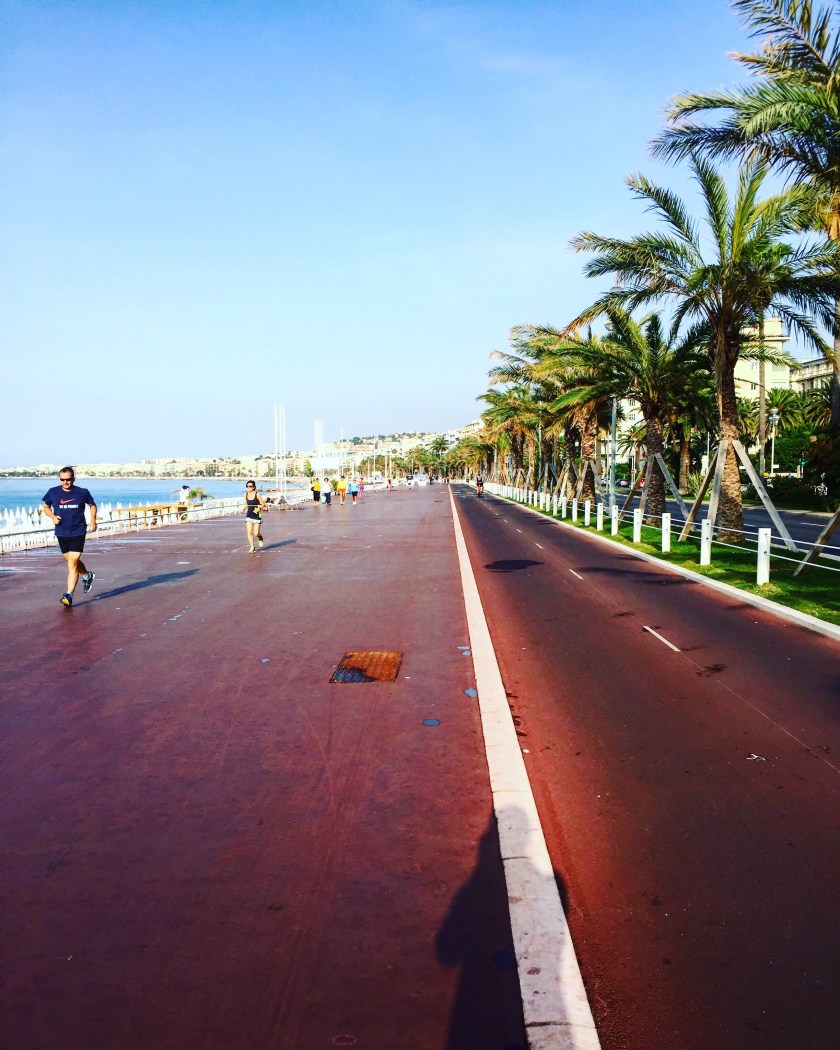
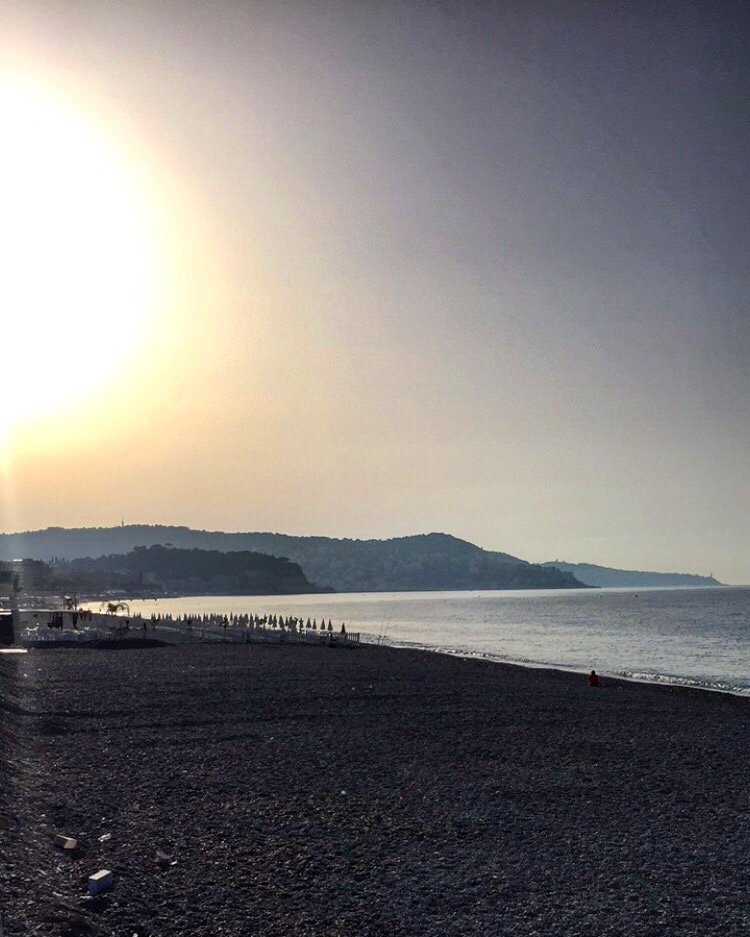
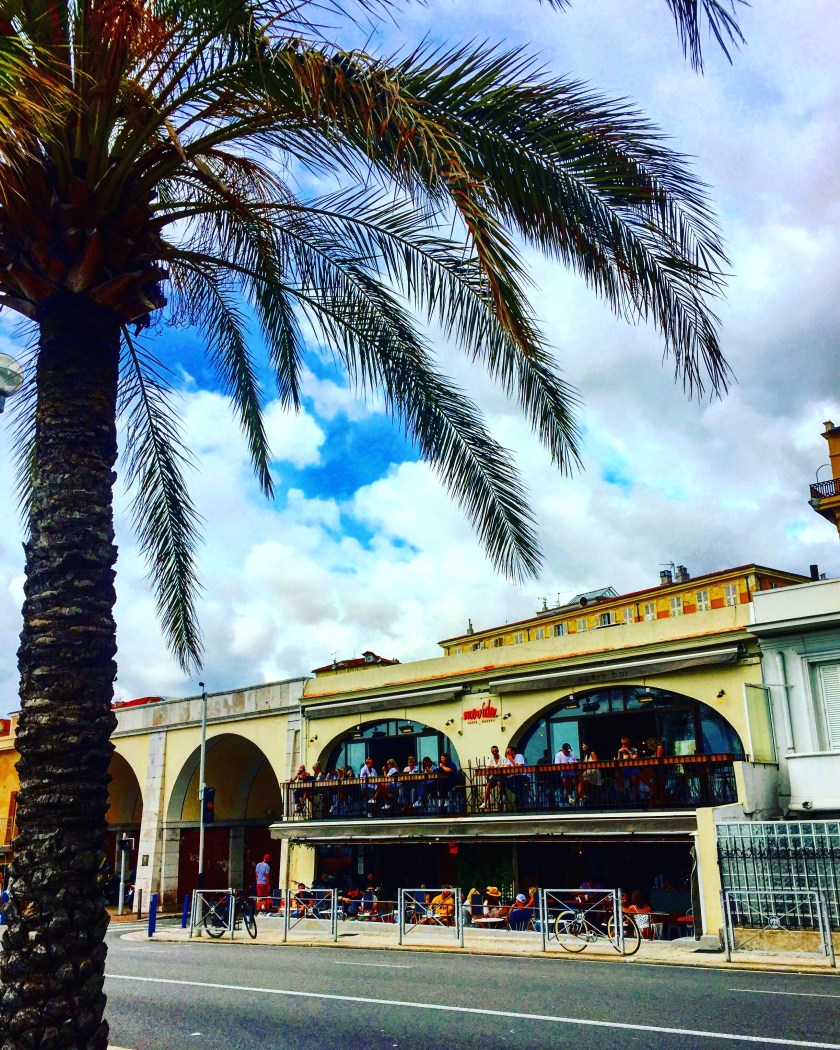
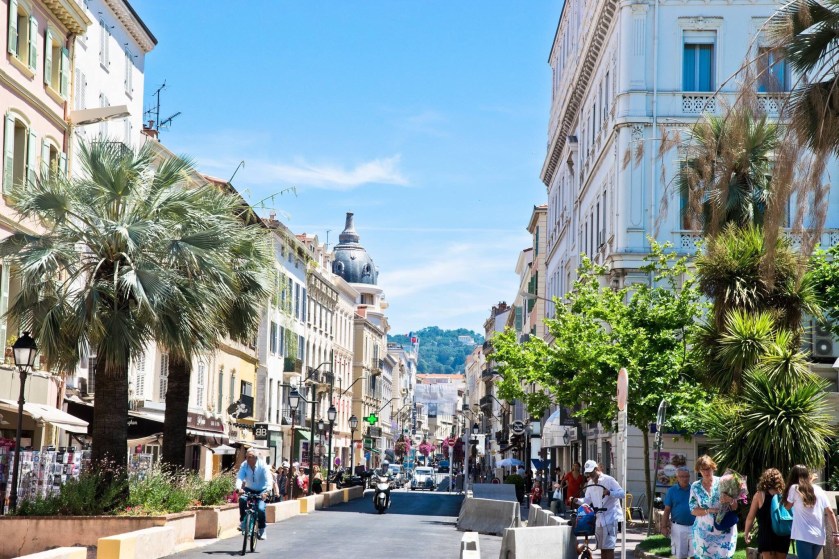


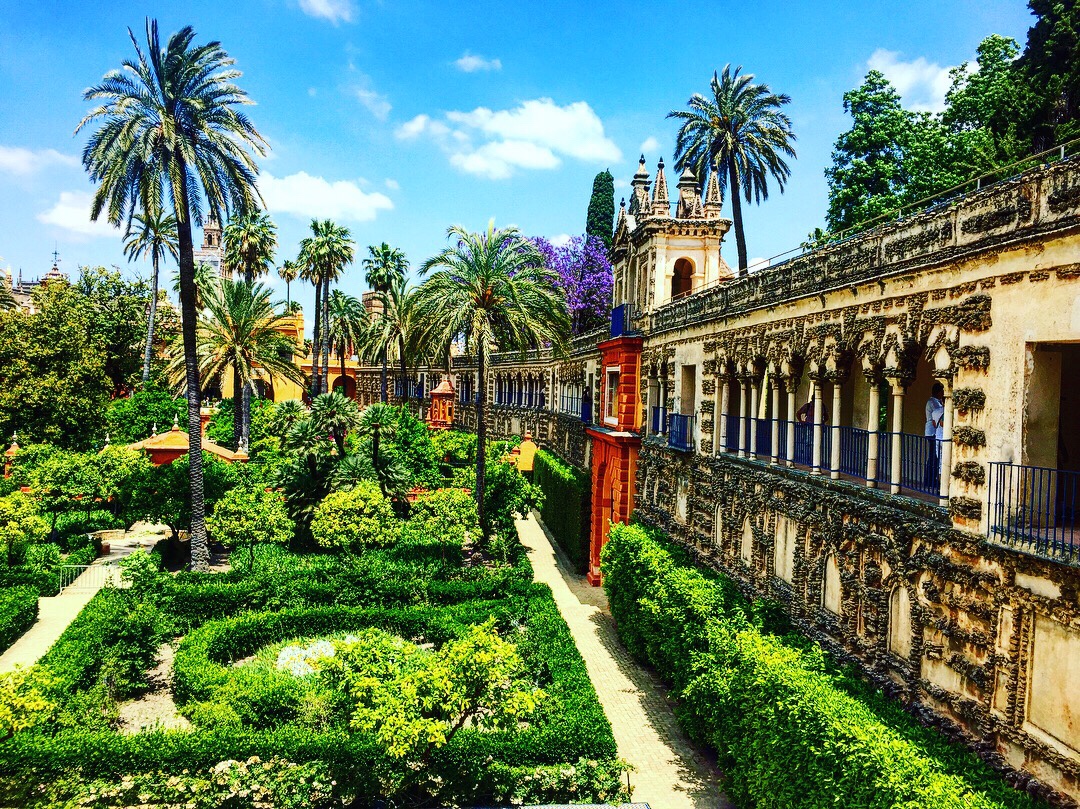

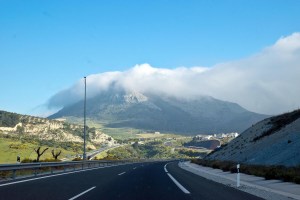

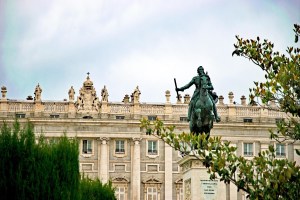



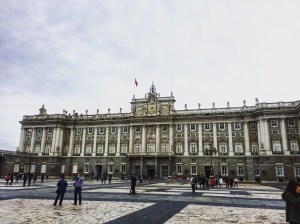
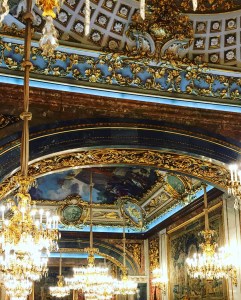


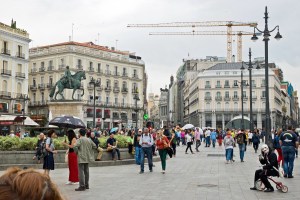





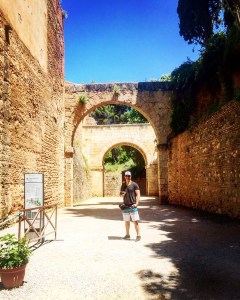


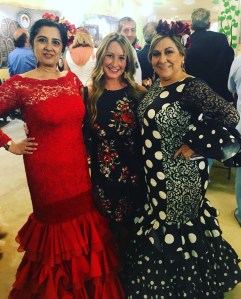

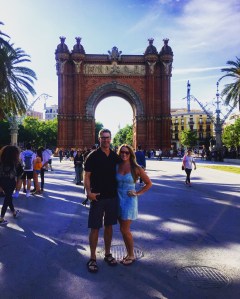


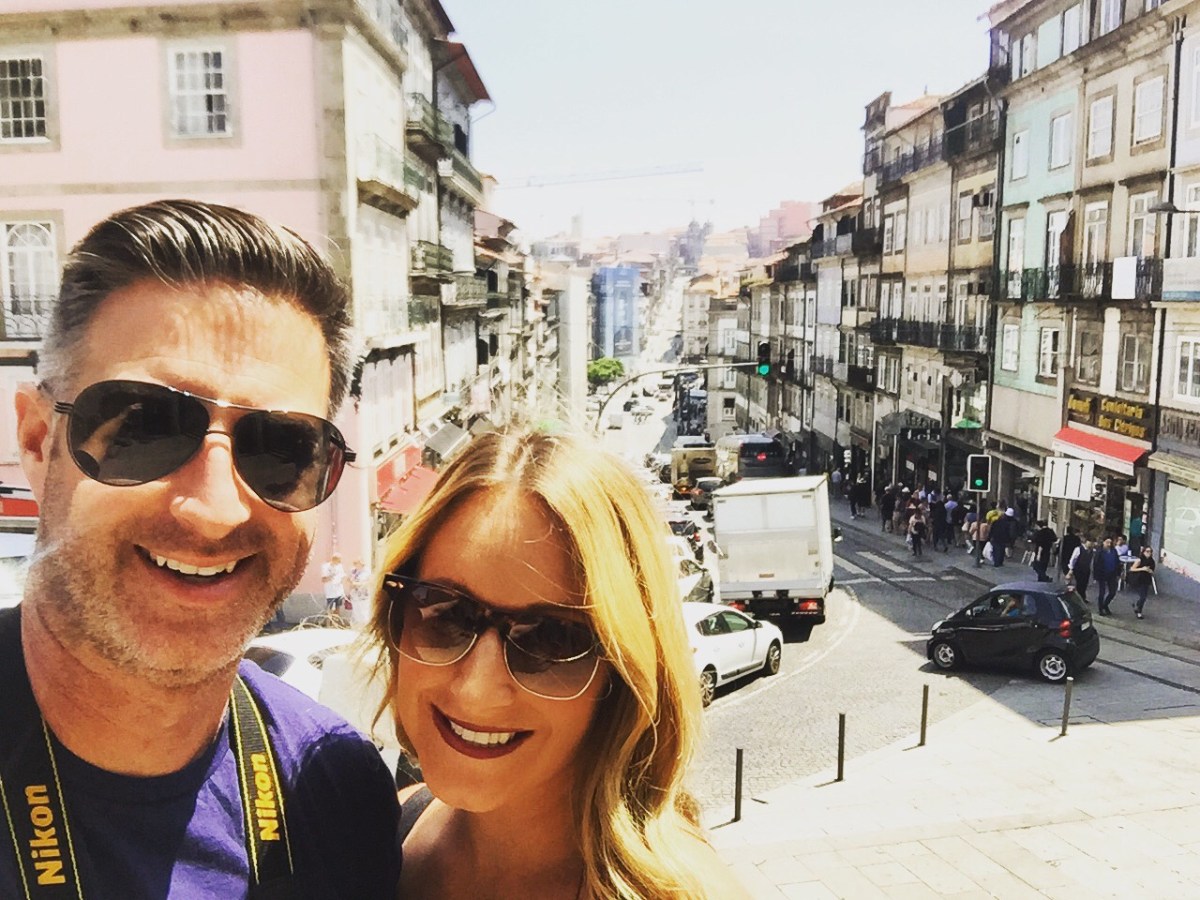

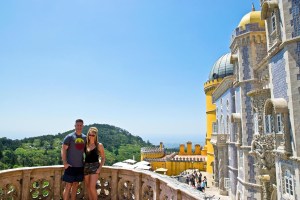

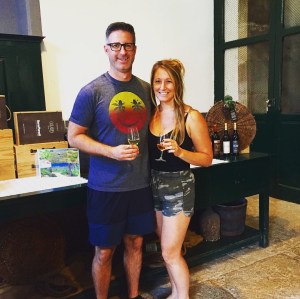


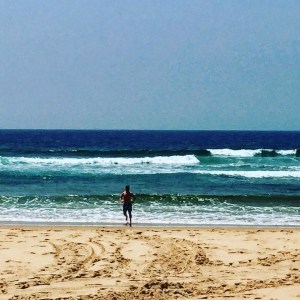

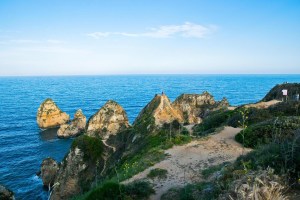
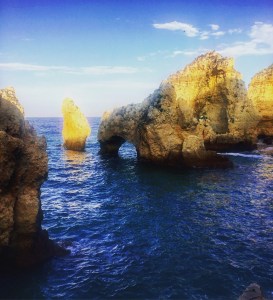

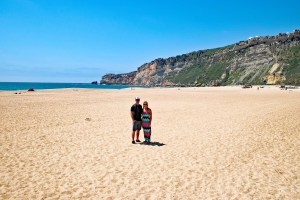

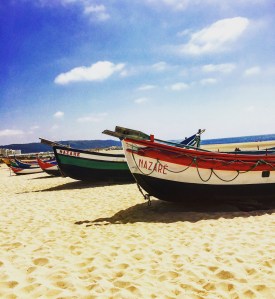


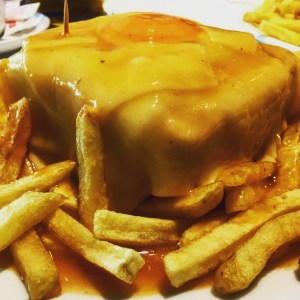



 Chasing Summer