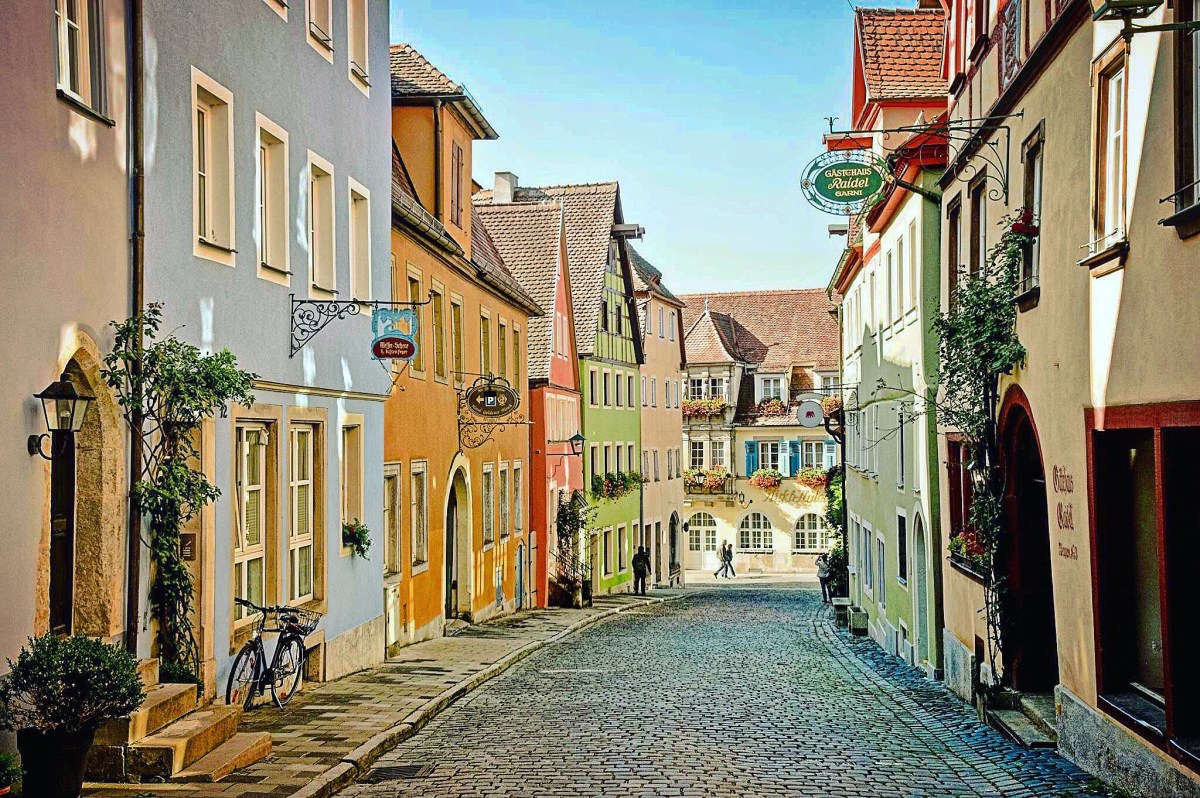
Spending 5 months traveling through 20 different countries in Europe opened our eyes to many differences from what we are used to in North America. We learned about some of these through mistakes we made and others simply from traveling around for a long time. There are some tips that helped us quite a bit included in some cases as well. If you are planning a trip to Europe anytime soon hopefully you find some of this helpful!
1. Big rolling suitcases are a nightmare. Cobblestone streets are the norm in most countries in Europe. There are also tons of small streets where cars don’t fit, old buildings with no elevators, and roads with no sidewalks.


Carrying large suitcases around can get old very quickly! Do yourself a favor and pack light. You can easily do laundry if you need to.
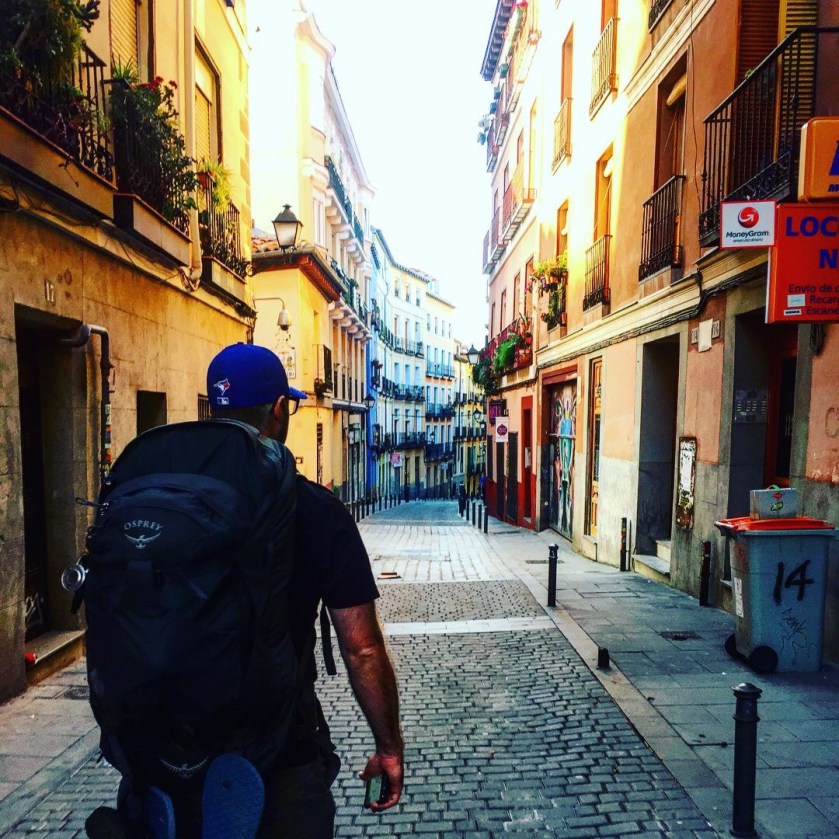
2. Dryers aren’t as common. It is not uncommon to see clothes hanging out of windows or on balconies to dry.


3. Prices are shown with tax included. This is something I wish everywhere would do. The prices you see on the price tag is the price you pay.
4. Water costs money in restaurants. You need to specify tap water if you order water in a restaurant. Sometimes they will still charge you or tell you they don’t serve tap water.
* Tip: Carry a water bottle with you. Everywhere we went it was safe to drink water from the tap. We would ask to have our water filled at the bar or in the bathroom to avoid paying for water everywhere.
5. In fact, almost everything extra costs money. Those nuts or bread they set on your table. If you eat them, there is a good chance you will have an extra line item on your receipt.

Need some ketchup or an extra sauce packet at McDonalds? That will cost you. How about a refill on your soft drink or coffee? That price you paid is only for one.
6. Coffee. North America is used to spending most of their morning sipping on a diluted coffee. Many people bring their coffee to go and refill as needed. In Europe coffee is much stronger and mostly enjoyed from the cafe instead of being taken to go. The common espresso is a quick caffeine fix that is of course much stronger, but even the “Americano” coffee as the Europeans like to call it is much stronger and smaller. Iced coffee is also nonexistent most places.


7. Alcohol. Most European countries allow drinking everywhere. It makes it seem silly that North America makes such a big deal out of it. Drinking at the park or on a beach is extremely common. Want to grab a beer or bottle of wine and sit on a bench to people watch? No problem.


Drinking is also acceptable at all different times of day. It is not uncommon in many countries to see people having a beer with breakfast.

8. Drink temperature. While we are on drinks, it is normal in Europe to have drinks served much warmer than we are used to. If they suspect you are from North America, they will ask if you want ice. Otherwise your pop, tea, or water will likely be served at room temperature.
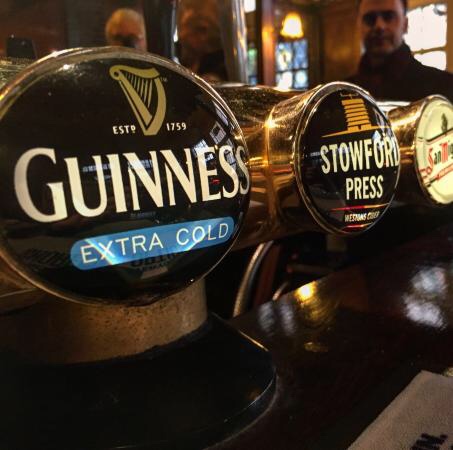
Even beer is served much warmer. In fact, sometimes the draft beer will have a separate tap called “extra cold” which would just be the same as our normal cold beer.
9. Dinner time can vary widely from country to country. Many of the countries in the north eat dinner at a similiar time to what we do in North America. Generally between 5pm-7pm. In many of the southern countries dinner time is much later, normally between 8pm-10pm. In Spain we found many restaurants didn’t even open for dinner until 9pm.
10. Tipping. Restaurant workers in Europe generally earn a better wage than North American workers and rely much less on tips. Many countries it is not necessary to leave any tip, but a good rule of thumb is 5%-10%. A tip of 10% is considered a big tip in Europe.
* Tip: Make sure to check your receipt before leaving a tip. Sometimes restaurants will already include a service charge on the bill.
11. While Adkins & Caveman diets have made North America avoid bread, Europe will eat an entire meal of only bread. This can be true for breakfast, lunch, and dinner. Hungry for a snack? Stop at a local bakery and grab a baguette to snack on.


12. Dogs are allowed everywhere. There are many more bars, restaurants, & shops that will allow you to bring your furry friend with you. I absolutely loved this rule!


13. There aren’t as many rules in general. You find yourself in many situations wondering how safe something is. Cliff jumping, rock climbing, hikes with narrow ledges & steep cliffs.
In North America there are so many rules and regulations everywhere. Everyone is so worried about being sued. It is very free feeling to travel in Europe and realize that you are much more accountable for your actions.


14. Nearly everyone speaks English. We had our translator downloaded and ready to go. To our surprise, we rarely needed it. In the big cities it is very easy to communicate since most people speak English. You will still find many people who don’t speak English in the smaller towns.
*Tip: Download “Google Translate” app and download the language of whatever country you are in so you can use it offline. It allows you to take a picture of a menu or sign in another language and translate it for you. We found this very helpful in restaurants with no English menus and grocery shopping.
15. Europeans still think smoking is cool. We were reminded how grateful we are for the ban on smoking in restaurants and bars in North America. If you sit on an outdoor patio to enjoy some coffee or wine, there is a good chance you will have smoke blown on you by a nearby table.
16. You might have to pay to use the bathroom. There are not as many free public toilets availble in Europe. You could always stop at a local restaurant and buy something to use their toilet. If you are at a pubic park or train station, bring some extra change with you though.
17. Everyone takes public transportation. In smaller cities in North America we seem to look down on the idea of taking public transportation and most people simply drive their own car. This is certainly not the case in Europe, big and small cities alike use public trains and buses as their primary source of transportation.
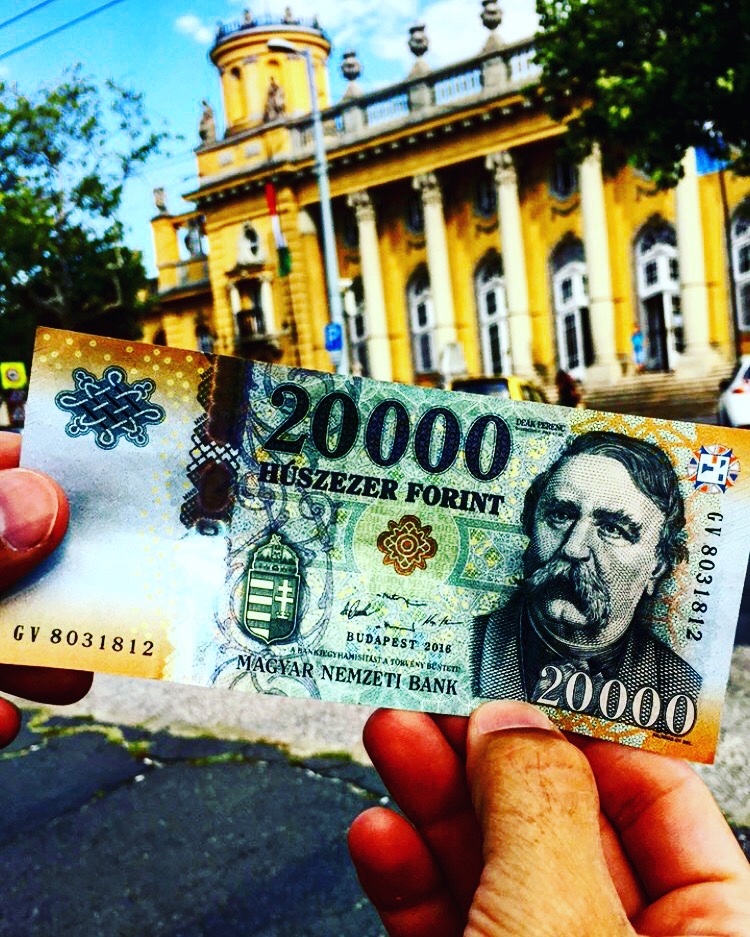
18. Tons of countries don’t use the Euro. We knew that the UK used the pound and Switzerland (not being in the EU) uses the Swiss franc. We had no idea so many other countries in the European Union did not use the Euro though.
Croatia uses the kuna, Czech Republic uses the koruna , Denmark uses the krone, Hungary uses the forint, Poland uses the zloty, and Sweden uses the krona to name a few.
19. Super easy to travel between countries. Border security is non-existent between some countries. This is of course not true for all, but it is not uncommon to travel between countries like you would travel between states in North America.
20. Train passes don’t seem worth it. This is of course a personal call, but before going to Europe we assumed we would simply buy monthly train passes since we would be doing so much traveling. When we started looking into it, we realized that the train passes don’t include some countries and you would still need to pay extra for the high-speed trains.
After pricing it out and looking into other options like buses and planes, we opted to buy one off train tickets as needed. For us, we save alot of time and money doing it this way.
21. Flights can be a steal. Flights are the most time effective way to cover a lot of ground. They also can sometimes be the cheapest way to travel. Buses are another cost effective way to get around Europe that we used often.
22. Try to avoid traveling to the most touristy places while Europe is on summer break. Europes summer break is from July-August. During this time most Europeans flock to the south for some relaxing beach time. Some decide to visit the big cities like London, Paris, or Rome. Prices go up, streets are croweded, and the attractions have long lines.


*Tip: If you decide to travel to the south or big cities during this time, I would highly recommend booking your accomodations and tickets well in advance.
*Tip: Try looking outside the most well-known locations. We spent July and August in the eastern and northern European countries like Hungary, Poland, Czech Republic, Austria, Sweden, Denmark, & Scotland, which do not have the same rush of people some other places have.
23. Staying outside the city let’s you save money and experience a more local area. This is one we had to learn the hard way. We stayed in many hostels and airbnb’s that had a great location! We paid a little more for the location thinking we needed to be in the middle of everything. When nighttime rolled around we would find ourselves wide awake with parties on the streets until 3am, garbage trucks, cars honking, people screaming, etc. Many of these locations also didn’t have fans or AC which meant the windows needed to be left open all night.
We started looking outside the cities and began finding places that were not only cheaper and much nicer, but that were in local neighborhoods letting us have a whole new experience to the country we were in.


24. Europe doesn’t use screens in windows or doors. Speaking of needing to leave the windows open due to lack of AC in many places, there are no screens in the windows. This isn’t a huge deal since there aren’t as many bugs outside as we are used to in North America. It did take some getting used to though.
25. Hotel points saved us tons of money in the big cities. If you are someone doing alot of traveling it definitely pays off to pick a hotel chain and stick to it to earn points. We choose Marriott several years ago and even opted to get the Marriott credit card to earn more. We found using our points in the big, expensive cities was really worth it. Paris, London, & Rome were all places we saved lots of money by doing this.
*Tip: Make sure to book the hotel with points early as they only offer so many rooms with points. If you decide to cancel later on there is no penalty and it is super easy to do.
26. Don’t feel like you need to see every tourist attraction. Trying to run around and see everything simply to check it off the list is no fun. Sometimes meeting the people and enjoying the simple things are much better.
We took some days to go to the grocery store and cook at home, go for a run in the park, or sit at a local cafe working on photos. We learned just as much about the culture and country by doing these more local things as we did from visiting busy tourist attractions.
27. Traveling is a lot of work. Need to plan a vacation from your vacation. This was a wonderful piece of advice we received right before we left. It sounded funny at the time, but it was some of the best advice we got. Traveling takes a ton of planning constantly. Getting between places can be exhausting. Sometimes you just need a break.
We planned a few “vacations” during our trip such as a Mediterranean cruise, Disneyland Paris, and extra beach days in southern France.


28. Find the free city tours. Most European cities have free tours of the city! All you need to do is google to find the company and meeting point. The tour guides work soley for tips, so bring $5-$10 person. We found these tours even better than the ones we paid for given if the tour guides did a bad job, people would leave the tour or not tip.


We also found that it was worth it to spend the extra money for a tour guide in some of the museums or attractions. Otherwise you can feel like you are walking around what could be an amazing site, but not have any idea what you are looking at.


29. Floor 1 in North America is floor 0 in Europe. Another one we had to learn the hard way.
30. Top sheets are nonexistent. Duvet covers have taken over.
31. Pack water shoes if you are going to the beach. Most European beaches are made up of small pebbles. Getting in and out of the water can be a painful, embarrasing experience if your feet aren’t used to walking on rocks. Learn from our mistake and bring some shoes you can wear in the water.
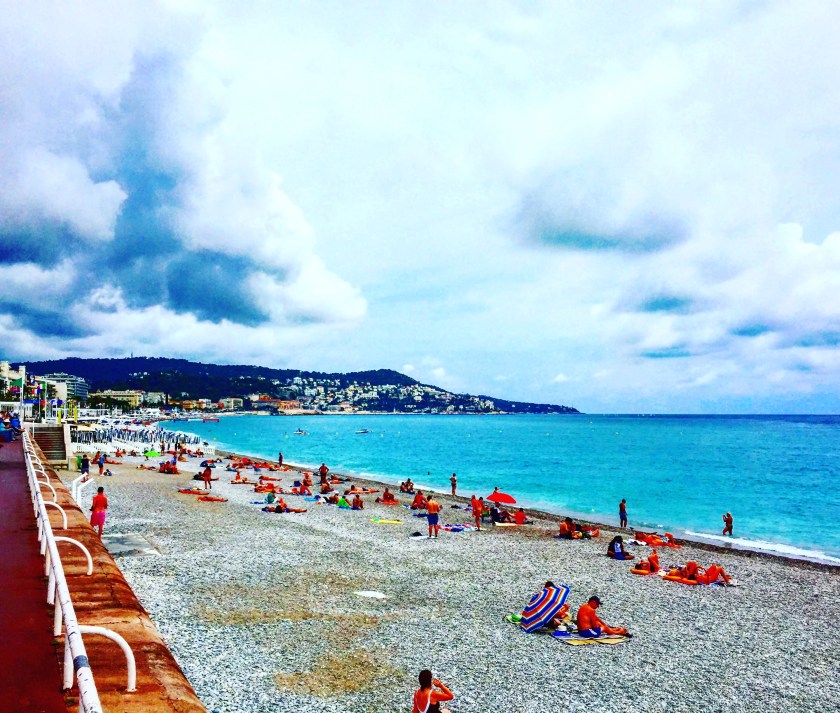
32. Make sure you have a raincoat. This was another great tip we received right before leaving. You are going to want to go out sometimes to see things even when its raining. This is especially true for places like Scotland where it seems to rain quite often.


33. Download offline google maps while you are connect to the internet. This is such a helpful way to be able to look for things while you are out exploring. Downloading the map will allow you to search for things in a specific area while you are not connected to wifi. If you are using cell data while you are traveling you can skip this one.
34. There is no better classroom than traveling. Thinking back to history class as a child, I remember memorizing facts without really understanding what they meant. While traveling we found ourselves learning SO much about history such as WWII, the Cold War, the Yukoslav War, world leaders, heroes, secret ways to communicate, and the Berlin wall.


We also got to understand much more about world events taking place today. Why southern Spain wants to seperate from northern Spain. How Croatia is dealing with different cultures living together post civil war. How the UK is handling Brexit.
We met many people traveling with children for long periods of time. Their thought is that their kids are learning so much more about the world traveling than they would sitting in a classroom.
35. Figure out what the local food is and try as much of it as you can! If you’ve been following along on our blog then you know I often end discussing the local foods we got to try. This has been one of the most interesting and fun parts of traveling.


Every culture has its own great flavors and unique ways of cooking things. I think I may just need to write a blog post dedicated to food at some point in the future.


 Chasing Summer
Well done and yep, all of these tips I’ve had to either research before of learn the hard way! 😀 Love the blog as always!
LikeLike